

 プレビュー
プレビュー
 シェアする
シェアする シェアする
シェアする
 詳細を見る
詳細を見る

 ダウンロード
 似ている作品
 X線調査
X線調査 スライドショー
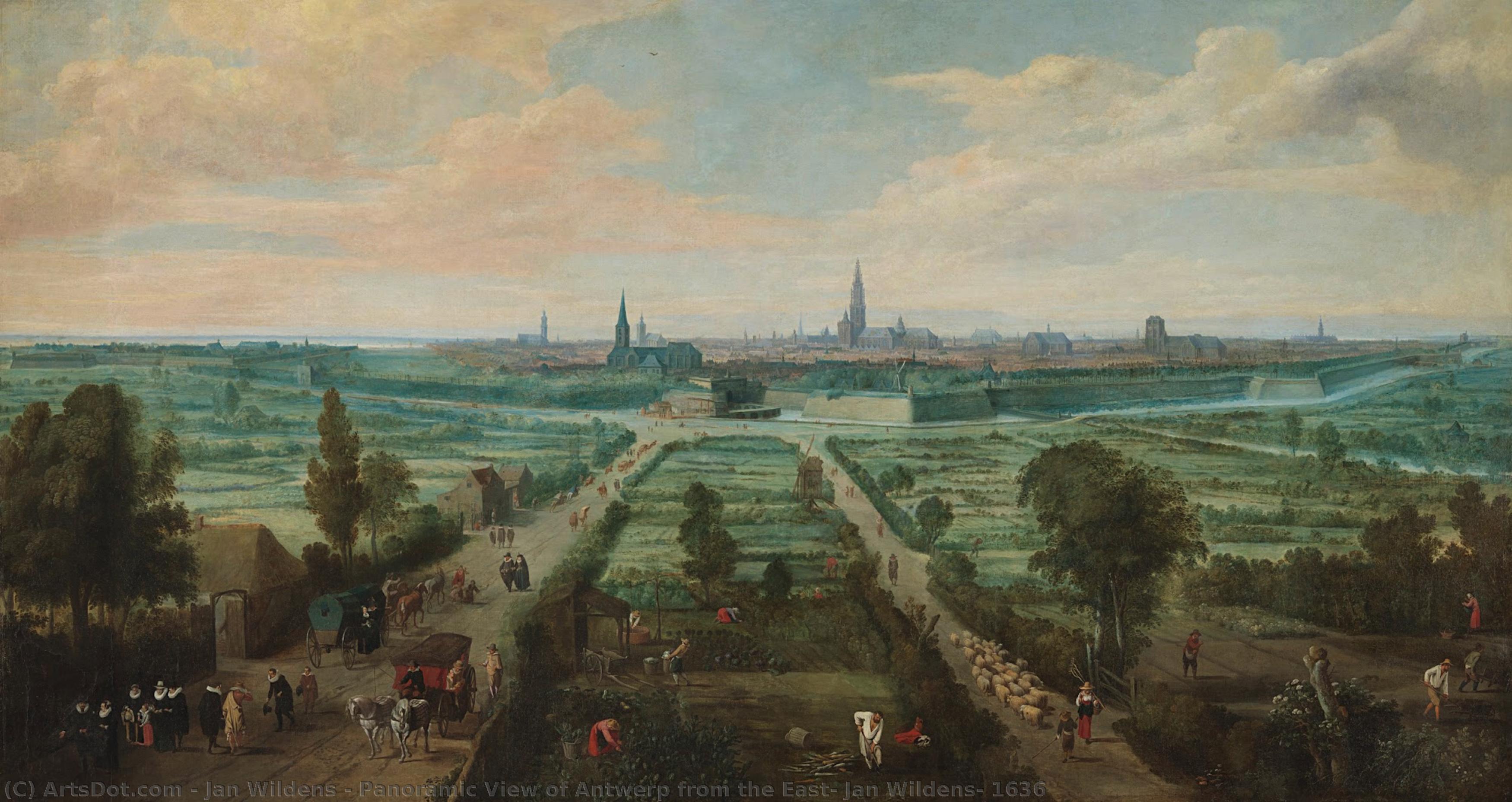
Panoramic View of Antwerp from the East, Jan Wildens, 1636
 Dutch Golden Age
 1636
1636 198.0 x 367.0 cm
 詳細を見る
詳細を見る
ジークレー/アートプリント
迅速な制作と多彩な仕上げオプションを備えた、ミュージアムクオリティのジークレーまたはキャンバスプリント。 ( 手描きの絵画を購入 画像を購入)




































作品のオリジナル比率に合わせた、当店の規定サイズからお選びください。

特定のフレームやスペースに合わせて、ご自身でサイズを指定することも可能です。選択されたサイズが元の画像の比率と一致しない場合、作品をトリミングするか、鏡面反射または単色での塗りつぶしによって画像を拡張いたします。制作を開始する前に、ご確認用のデジタルモックアップをお送りいたします。
画面上のプレビューには、実際のトリミングや拡張は反映されませんのでご注意ください。最終的な構図を正確に確認できるのは、モックアップのみとなります。
カスタムサイズも承っておりますが、元の比率を維持するためには、あらかじめ用意されたリストからサイズを選択することをお勧めいたします。


 ガラスオプションは、110cm未満のサイズでのみご利用いただけます。

Panoramic View of Antwerp from the East, Jan Wildens, 1636
ジークレー/アートプリント
複製画のサイズ
-


合計金額
$ 62
作品詳細説明
関連作品


アーティストの略歴
The Serene Visionary of Flemish Baroque
Jan Wildens, born in the vibrant heart of Antwerp in 1586, stands as a pivotal figure within the Flemish Baroque landscape tradition. His artistic legacy rests upon meticulously rendered scenes imbued with a profound sense of tranquility and realism—a stylistic hallmark that cemented his reputation alongside luminaries such as Peter Paul Rubens and Jan Bril. Unlike many of his contemporaries who embraced dramatic theatricality and turbulent compositions, Wildens cultivated an aesthetic rooted in keen observation and subtle detail. He possessed a unique ability to capture the very essence of rural life and urban vistas alike, presenting the world not through a lens of chaos, but through a window of quiet, enduring beauty.
The foundations of his mastery were laid during a formative youth in Antwerp. While his father, Hendrick Wildens, was a respected merchant, Jan’s path was destined for the easel. Following the untimely passing of his father, he was raised by his mother, Magdalena van Vosbergen, and her second husband, Cornelis Cock. This domestic environment placed him within the orbit of the great masters, as Cock was the stepfather to Cornelis de Vos, a connection that would weave Jan into the very fabric of the Antwerp artistic elite. At only sixteen years of age, Wildens entered the prestigious Antwerp Guild of St. Luke, apprenticing under Pieter van der Hulst (I). Under this tutelage, he mastered the foundational techniques of landscape composition and light, developing the precise visual language that would later allow him to breathe life into both sprawling panoramas and intimate biblical settings.
A Symbiotic Legacy with Rubens
The most significant chapter in Wildens’ illustrious career was undoubtedly his profound artistic partnership with Peter Paul Rubens. This was not merely a relationship of student and master, but a true collaboration of equals that elevated the landscape genre within the Baroque movement. Their work together spanned numerous monumental projects, most notably the breathtaking Decius Mus tapestry series commissioned by Cardinal Ferdinand. In these grand compositions, Wildens was entrusted with creating the atmospheric cityscapes that provided the stage for historical drama, specifically contributing two magnificent views of Antwerp’s grandeur. This association allowed Wildens to merge his talent for detailed realism with Rubens' epic narrative scale, propelling him to the heights of European recognition.
Beyond these large-scale commissions, Wildens demonstrated a remarkable versatility in subject matter. His ability to transition from the architectural precision of urban landscapes to the spiritual stillness of religious narratives is evident in his diverse body of work. For instance:
- Panoramic View of Antwerp from the East (1636): A stunning masterpiece of the Dutch Golden Age style, this work showcases his ability to capture the intricate architecture and bustling rural life surrounding the city with breathtaking scale.
- Landscape with Christ and his Disciples on the Road to Emmaus (1640): In this piece, Wildens utilizes his signature serene realism to create a tranquil vision, where the landscape itself becomes a participant in the sacred narrative, inviting the viewer into a moment of divine reflection.
Historical Significance and Artistic Endurance
The historical significance of Jan Wildens lies in his role as a bridge between the detailed, observational traditions of the late Renaissance and the more expansive, emotive landscapes of the high Baroque. He avoided the trap of mere decoration, instead using the landscape to ground grand narratives in a tangible, recognizable reality. His work provided the essential "breath" for the larger-than-life figures of Rubens' compositions, offering a sense of place that made the mythological and historical scenes feel grounded in the physical world.
As we look back upon his life, which concluded in 1653, we see an artist who mastered the art of the subtle. Through his dedication to light, texture, and atmosphere, Wildens ensured that the landscapes of Flanders would be remembered not just as backgrounds, but as enduring characters in the story of Western art. His ability to find the extraordinary within the ordinary continues to captivate collectors and historians, serving as a testament to the power of a steady, observant eye.
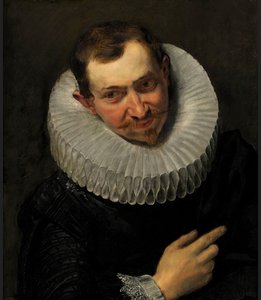
Jan Wildens
1586 - 1653 , Belgium
基本情報
- Artistic Movement Or Style: Baroque Landscape Painting
- Artists Or Movements Influenced By This Artist: ['Peter Paul Rubens']
- Artists Who Influenced This Artist:
- Jan Brueghel the Younger
- Gillis van Coninxloo
- Joos de Momper
- Adriaan van Stalbemt
- Date Of Birth: Antwerp, Belgium (1586)
- Date Of Death: 1653
- Full Name: Jan Wildens
- Nationality: Flemish
- Notable Artworks:
- Panoramic View of Antwerp from the East
- Winter Landscape with a Hunter
- Landscape with Peasants
- Place Of Birth: Antwerp
関連記事

黄金世紀の巨匠たち:バロック絵画が彩る10選|ArtsDot
オランダ黄金時代の10大傑作を紐解く!レンブラント、フェルメール…バロック絵画の魅力と時代背景を深く探求。ArtsDotで、至高のアートコレクションと空間演出のヒントを見つけよう。高品質なアートプリントで、お部屋を華やかに。
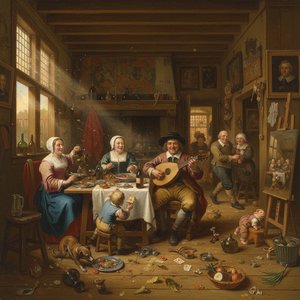
Jan Steen: A Master of Dutch Genre Painting & the Golden Age
Explore the life & art of Jan Steen, a leading Dutch Golden Age painter renowned for his humorous genre scenes & insightful social commentary. Discover his techniques, legacy, and collecting tips.

Golden Age Reflections: Dutch Baroque Painting & Cultural Innovation
Explore the Dutch Golden Age of painting! Discover key artists like Vermeer & ter Borch, their innovative techniques, and the rich cultural context behind these Baroque masterpieces. Learn about collecting & appreciating this iconic art period.

Illuminating Innovation: Exploring the Dutch Golden Age of Painting
Explore the Dutch Golden Age of painting with ArtsDot. Discover Rembrandt, Vermeer & other Masters. Learn about key characteristics, iconic artworks, and lasting influence. Expert insights for collectors & enthusiasts.

Illuminating Realism: Exploring the Dutch Golden Age of Painting (1600-1700)
Explore the Dutch Golden Age of painting (1600-1700) with ArtsDot. Discover Rembrandt, Vermeer & other masters. Learn about techniques, history & find museum-quality reproductions.

