

 プレビュー
プレビュー
 プリントを購入
 シェアする
シェアする シェアする
シェアする
 詳細を見る
詳細を見る

 ダウンロード
 似ている作品
 X線調査
X線調査 スライドショー
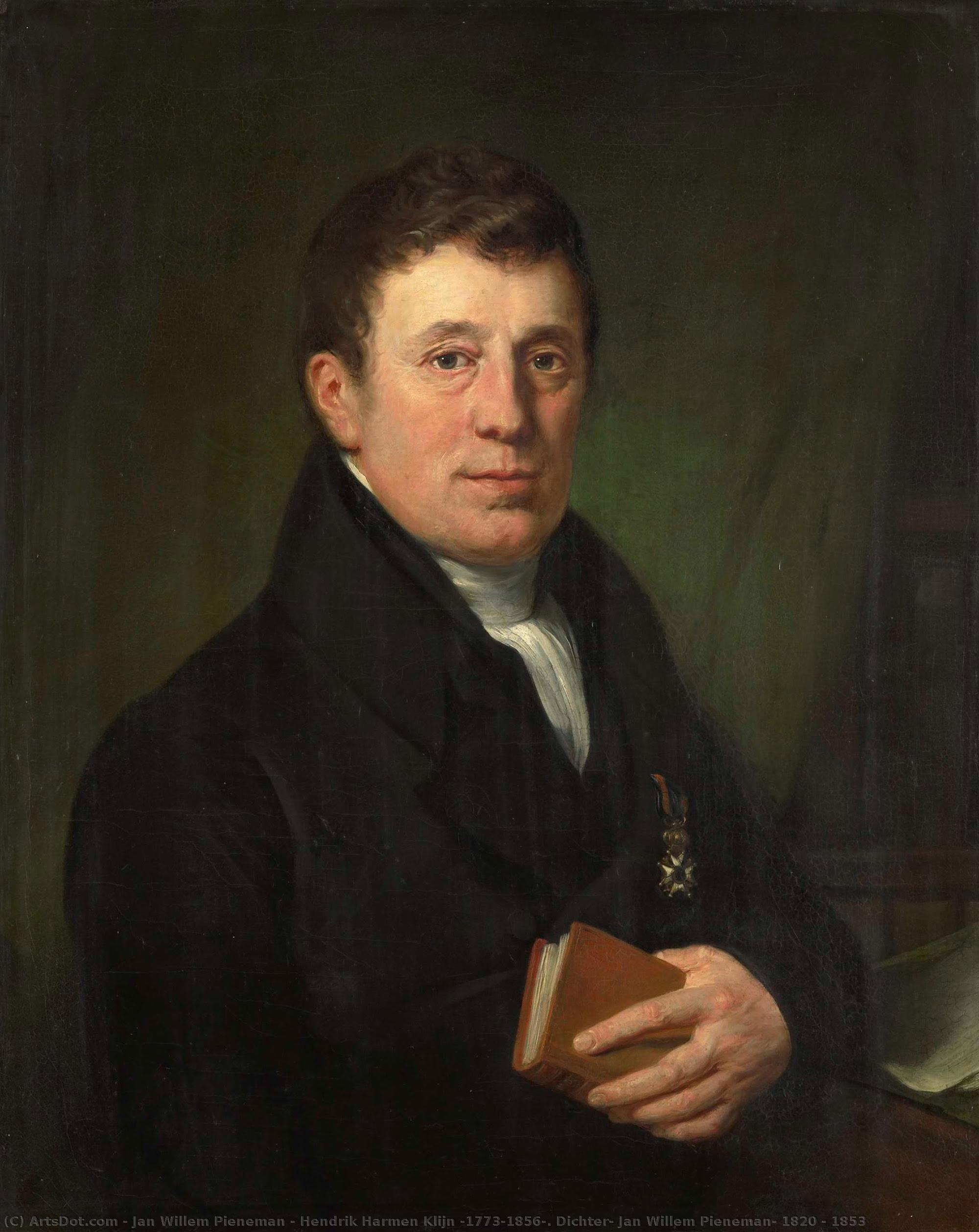
Hendrik Harmen Klijn (1773-1856). Dichter, Jan Willem Pieneman, 1820 - 1853
 1853
1853 76.0 x 60.0 cm
 詳細を見る
詳細を見る




































作品のオリジナル比率に合わせた、当店の規定サイズからお選びください。

特定のフレームやスペースに合わせて、ご希望のサイズをご入力いただけます。選択されたサイズが元の画像の比率と異なる場合、アートワークをトリミングするか、手描きで要素を追加して絵画を拡張いたします。デジタルモックアップ を制作し、制作開始前にご確認(承認)をいただきます。
画面上のプレビューは、実際のトリミングや拡張を正確に反映しているものではありません。最終的な構図は、モックアップによってのみ正確にご確認いただけます。
カスタムサイズもご利用いただけますが、元の比率を維持するためには、あらかじめ用意されたリストからサイズを選択することをお勧めいたします。
ご注文後、ArtsDot.com チームより詳細な指示をお送りするとともに、仕上がりイメージ(モックアップ)をご提供いたします。


 ガラスオプションは、110cm未満のサイズでのみご利用いただけます。

Hendrik Harmen Klijn (1773-1856). Dichter, Jan Willem Pieneman, 1820 - 1853
複製技法
複製画のサイズ
-


合計金額
$ 263
関連作品








アーティストの略歴
Jan Willem Pieneman: A Dutch Master of Historical Narrative
Jan Willem Pieneman (1779-1853) stands as a pivotal figure in 19th-century Dutch art, celebrated primarily for his monumental historical paintings that captured the spirit and drama of key moments in British and Dutch history. Born in Abcoude, Netherlands, he began his artistic journey with foundational training in wallpaper painting before pursuing formal studies at the Amsterdam Stadstekenacademie, establishing a solid grounding in classical technique. His early career saw him working as a salesman alongside honing his artistic skills—a testament to his pragmatic approach blended with unwavering dedication to art.- Early Influences & Training: Pieneman’s formative years were marked by exposure to the artistic traditions of Amsterdam, where he absorbed stylistic cues from prominent painters of his time. The Stadstekenacademie provided invaluable academic instruction, equipping him with the skills necessary for tackling ambitious historical commissions.
- Appointment at Amersfoort & Artistic Recognition: In 1805, Pieneman secured a prestigious position as drawing instructor at the artillery and engineering training centre in Amersfoort—a role that not only solidified his reputation but also exposed him to the burgeoning intellectual currents of the era.
The Epic Canvas: Painting Battles & Royal Portraits
- Battle Scenes – Waterloo and Quatre Bras: Pieneman’s fame ascended dramatically with his depiction of the Battle of Waterloo (1824) and the heroic defense at Quatre Bras (1806), commissioned by Duke Wellington himself. These canvases exemplify his masterful command of composition, dramatic lighting, and meticulous detail—capturing the visceral energy and strategic complexities of warfare.
- Royal Patronage & Portraiture: Wellington’s admiration for Pieneman led to repeated invitations to England, where he produced portraits of influential figures, including King William IV. His ability to convey character and dignity through portraiture cemented his position as one of the era's foremost portraitists.
Directorate & Artistic Legacy
- Head of the Royal Academy: From 1820, Pieneman served as Director of the Royal Academy of Fine Arts in Amsterdam—a role he held until his death. During this period, he fostered a vibrant artistic environment and nurtured the talents of numerous young artists, notably Jozef Israëls.
- Influence on Rijksmuseum & Artistic Mentorship: He also contributed to the establishment of the Rijksmuseum (later Mauritshuis), initially serving as assistant director. Furthermore, Pieneman’s influence extended beyond formal institutions; he mentored a generation of painters who would become celebrated figures in Dutch art history.
Notable Works & Artistic Style
- Allegory on the Death of William V: His allegorical painting “Allegory on the Death of William V” exemplifies his penchant for conveying complex narratives through symbolic imagery—a hallmark of neoclassical artistic practice.
- Stylistic Characteristics: Pieneman’s paintings are characterized by a meticulous attention to detail, balanced compositions, and a restrained palette dominated by earthy tones. He skillfully employed chiaroscuro – dramatic contrasts between light and dark – to heighten the emotional impact of his scenes.
Concluding Significance Jan Willem Pieneman’s contribution to Dutch art transcends mere technical proficiency; he captured the essence of historical events with profound artistic sensitivity. His paintings continue to resonate today as powerful reminders of pivotal moments in European history and stand as enduring monuments to his artistic vision.
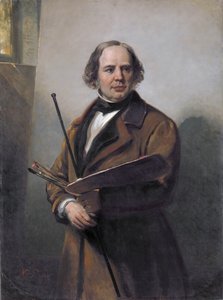
Jan Willem Pieneman
1779 - 1853 , Netherlands
基本情報
- Artistic Movement Or Style: Neoclassical
- Artists Or Movements Influenced By This Artist: ['Romanticism']
- Artists Who Influenced This Artist: ['']
- Date Of Birth: November 4, 1779
- Date Of Death: April 8, 1853
- Full Name: Jan Willem Pieneman
- Nationality: Dutch
- Notable Artworks:
- Allegory on the Death of William V,
- Self-Sacrifice of Pastor Hambroek on Formosa,
- Battle of Waterloo (detail)
- Portrait of Wellington
- Portrait Study of Arthur Wellesley
- Place Of Birth: Abcoude, Netherlands

