

 プレビュー
プレビュー
 シェアする
シェアする シェアする
シェアする
 詳細を見る
詳細を見る

 ダウンロード
 似ている作品
 X線調査
X線調査 スライドショー
 Stats
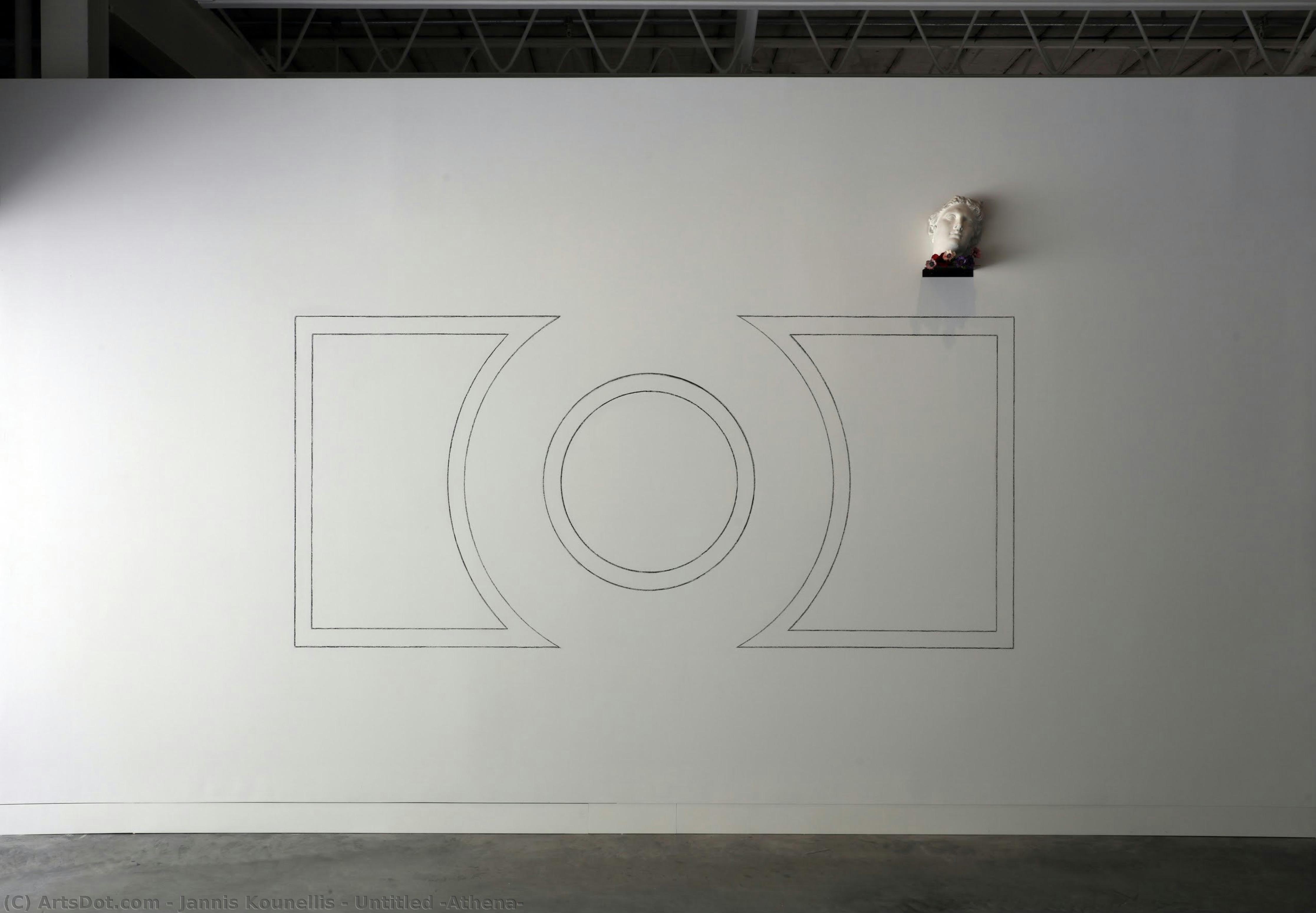
StatsUntitled (Athena)


 詳細を見る
詳細を見る
手描き油彩複製画
当社のアーティストが、お客様のご希望のサイズと額縁に合わせて、キャンバスに手描きで制作する油彩画です。 ( Switch to Print Switch to Digital Image)




































作品のオリジナル比率に合わせた、当店の規定サイズからお選びください。

特定のフレームやスペースに合わせて、ご希望のサイズをご入力いただけます。選択されたサイズが元の画像の比率と異なる場合、アートワークをトリミングするか、手描きで要素を追加して絵画を拡張いたします。デジタルモックアップ を制作し、制作開始前にご確認(承認)をいただきます。
画面上のプレビューは、実際のトリミングや拡張を正確に反映しているものではありません。最終的な構図は、モックアップによってのみ正確にご確認いただけます。
カスタムサイズもご利用いただけますが、元の比率を維持するためには、あらかじめ用意されたリストからサイズを選択することをお勧めいたします。
ご注文後、ArtsDot.com チームより詳細な指示をお送りするとともに、仕上がりイメージ(モックアップ)をご提供いたします。


 ガラスオプションは、110cm未満のサイズでのみご利用いただけます。

Untitled (Athena)
複製技法
複製画のサイズ
-


合計金額
$ 263
関連作品







アーティストの略歴
A Life Forged in Disruption: The World of Jannis Kounellis
Jannis Kounellis, born in Piraeus, Greece in 1936 and passing away in Rome in 2017, was an artist whose work resonated with the raw energy of a world perpetually on the brink. His early life was indelibly marked by the tumultuous years of World War II and the ensuing Greek Civil War – experiences that instilled within him a profound sensitivity to societal fracture and the enduring strength of the human spirit. These formative events weren’t merely biographical details; they became foundational themes woven into the very fabric of his artistic expression. The move to Rome in 1956 proved pivotal, establishing Italy as the central landscape for his creative explorations. Though initially studying at the Accademia di Belle Arti, Kounellis quickly diverged from traditional academic constraints, embarking on a path uniquely his own.From Painting’s Embrace to Arte Povera’s Revolution
Kounellis' artistic journey began with painting in the early 1960s, initially influenced by the gestural power of American Abstract Expressionism. However, this period was merely a prelude to a radical departure. He soon began incorporating found objects – fragments of urban life like street signs, numbers, and letters – directly into his canvases. This wasn’t simply collage; it was an attempt to capture the pulse of the modern city, its chaotic energy and fragmented narratives. By 1961, he boldly adopted newspaper as a canvas itself, transforming current events and political discourse into artistic statements. But perhaps the most groundbreaking shift came with the introduction of live animals – birds, horses, even livestock – into his installations. This wasn’t about depicting life; it was about *being* life, blurring the boundaries between art and reality in ways that shocked and captivated audiences. It was within this context that Kounellis became a central figure in the burgeoning Arte Povera movement. Emerging in Italy during the late 1960s, Arte Povera – “poor art” – rejected the polished aesthetics of traditional art, embracing instead everyday materials and processes. Exhibitions like "Arte povera – e IM Spazio" (1967) and "Arte Povera" (1968) solidified his position within this revolutionary artistic landscape.The Language of Found Objects and Sensory Immersion
Kounellis’s work is instantly recognizable for its distinctive vocabulary: burlap sacks, coal, lead, wood, and the often-unexpected presence of animals. He didn't create these materials; he *discovered* them, elevating discarded objects to a position of artistic significance. This wasn’t about aesthetic beauty in the conventional sense; it was about revealing the inherent power and history embedded within the mundane. His approach extended beyond sculpture into large-scale installations and performance art that actively engaged with space and time. He frequently juxtaposed seemingly disparate elements – natural materials alongside industrial components, organic forms against inorganic structures – creating a dynamic tension that forced viewers to confront their own preconceptions. A deep engagement with history and memory permeated his work, often referencing Ancient Greece and other historical periods, exploring themes of identity and cultural heritage. But Kounellis wasn’t content with merely visual impact; he aimed for complete sensory immersion. The inclusion of materials like coffee beans or burning torches was deliberate, engaging not just sight but also smell, touch, and even the visceral experience of heat and aroma.Legacy and Lasting Influence
Throughout his career, Kounellis’s work garnered international recognition, featured in prestigious exhibitions such as Documenta (1972, 1977, 1982) and the Venice Biennale on multiple occasions. His installations found homes in esteemed museum collections worldwide, including the Kunstmuseum Bern, the Museum Boijmans Van Beuningen, and Tate Modern. The 1969 exhibition featuring twelve live horses within a gallery space remains one of his most iconic – and provocative – works, a testament to his unwavering commitment to challenging artistic boundaries. His later work at Tate Modern in 2009 was lauded for its ability to seamlessly integrate “real life, organic and ancient” elements into the museum environment. Jannis Kounellis’s legacy extends far beyond specific artworks. He is rightfully recognized as a pivotal figure in Arte Povera, fundamentally reshaping our understanding of what constitutes art. His innovative use of found objects and performance challenged conventional notions, influencing generations of artists to come. By fearlessly incorporating live animals and other unconventional materials, he expanded the possibilities of artistic expression, creating powerful sensory experiences that continue to resonate with audiences today. He leaves behind a body of work that is not merely visually striking but intellectually stimulating – a testament to an artist who dared to question everything and, in doing so, redefined the very nature of art itself.
Jannis Kounellis
1936 - 2017 , Greece
基本情報
- Artistic Movement Or Style: Arte Povera
- Artists Or Movements Influenced By This Artist: ['Contemporary artists']
- Artists Who Influenced This Artist: ['Abstract Expressionism']
- Date Of Birth: March 23, 1936
- Date Of Death: February 16, 2017
- Full Name: Jannis Kounellis
- Nationality: Greek-Italian
- Notable Artworks:
- Untitled (514)
- Untitled (Athena)
- Untitled
- Twelve live horses
- Place Of Birth: Piraeus, Greece