

 プレビュー
プレビュー
 プリントを購入
 シェアする
シェアする シェアする
シェアする
 詳細を見る
詳細を見る

 ダウンロード
 似ている作品
 X線調査
X線調査 スライドショー
Z-3


 詳細を見る
詳細を見る
オンラインプレビューをはるかに凌ぐ、高解像度で鮮明なデジタル画像をご購入いただけます。
各ファイルは、社内の専門家が高度なツールと熟練した手作業によるレタッチを用いて、細心の注意を払って準備されています。すべての画像において、卓越した鮮明度、正確な色彩再現性、そして繊細なディテールを保証いたします。
最終ファイルは、プロフェッショナルな編集・印刷環境ですぐにご利用いただけるよう最適化された状態で、72時間以内にメールにてお届けいたします。これは、一流のデザインスタジオ、出版社、ギャラリーから信頼されているものと同等の品質です。
デジタル画像のご注文に付随する特典
高品質なデジタル画像配信を、確かな品質で。
ArtsDot.com を選ぶことは、単に画像を手に入れることではありません。それは、プロの手によって精密に仕上げられ、満足保証が付いた高品質なデジタルアートワークを受け取ることを意味します。ご注文いただいた際に自動的に付随する内容は、以下の通りです:

メールですぐにお届け
ご注文から72時間以内に、高解像度のデジタル画像ファイルがメールでお手元に届きます。すぐにそのままご利用いただけます。

AI技術で最適化されたデジタルファイル
お客様の作品は、高度なAIツールと専門家による手作業の編集を組み合わせてプロフェッショナルに最適化されており、細部のディテール、鮮明さ、そして正確な色再現性を最大限に引き出しています。

一生涯無料の再送サービス
ファイルを誤って削除したり、紛失してしまったりしましたか?ご安心ください。いつでも無料で再送いたします。

輸入手数料は一切かかりません
関税や手数料、配送料を気にすることなく、お気に入りのアートワークをすぐにお楽しみいただけます。デジタルダウンロードは常に免税です。

色彩再現の保証
プロ仕様のツールとカラーマネジメント技術を用いることで、デジタル画像が元の色を最大限に忠実に再現することを保証いたします。

100日間満足保証
ご購入いただいたデジタル画像にご満足いただけない場合は、100日以内であれば、理由を問わず修正または100%の返金対応をさせていただきます。

100% 返金保証
ご満足いただけない場合は、デジタルファイルを受け取ってから100日以内であれば、理由を問わず全額返金いたします。

まとめ買い割引
3枚購入で10%OFF - 5枚購入で15%OFF - 10枚以上購入で20%OFF。クリエイティブなプロジェクト、ギャラリー、エージェンシーに最適です。
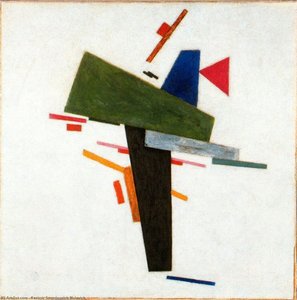
The Language of Absence: Deconstructing Form in Jannis Kounellis’ “Z-3”
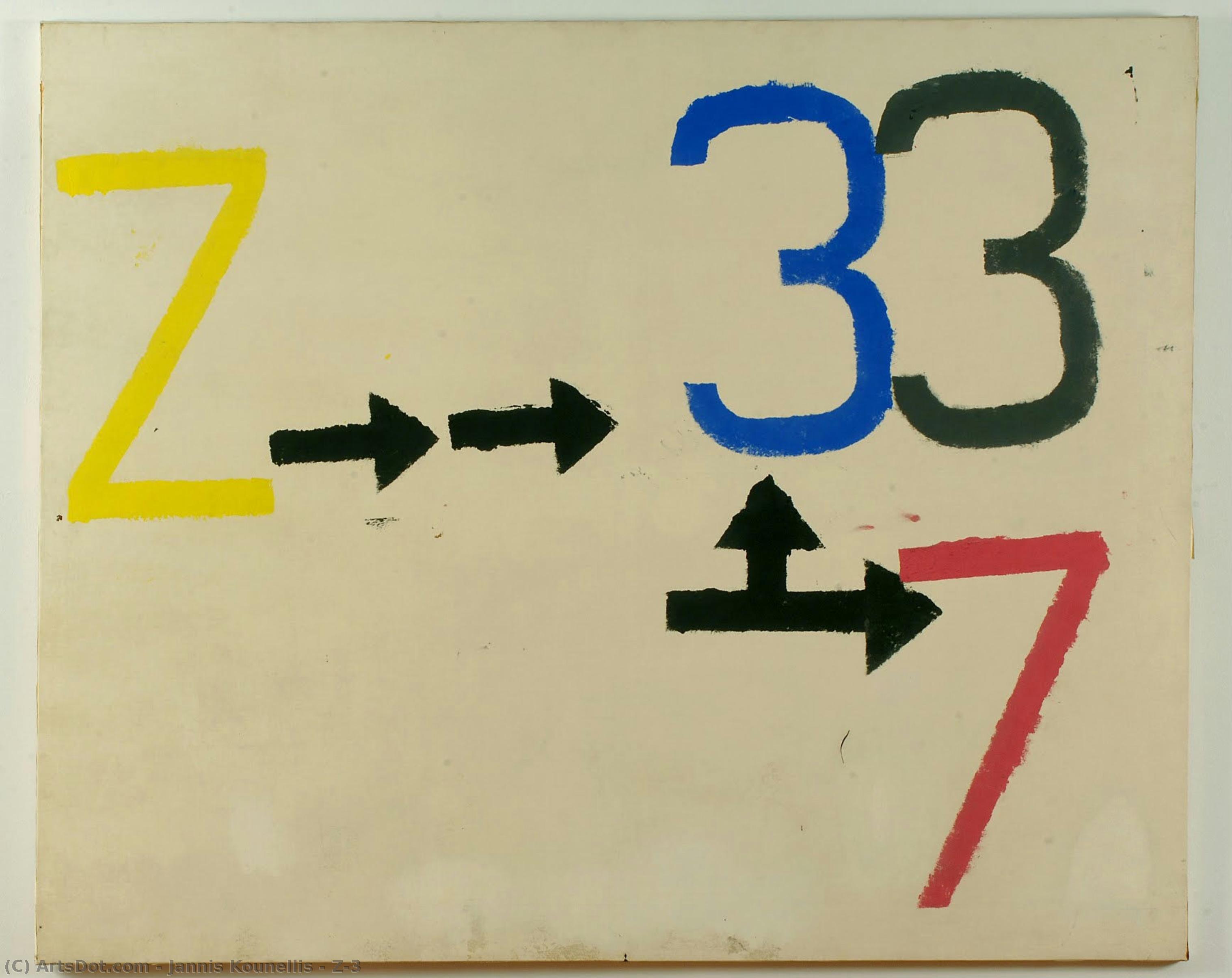
Jannis Kounellis' "Z-3," painted in 1961, isn’t merely a depiction of numbers and arrows; it’s an audacious declaration against the established boundaries of painting. Emerging from the fertile ground of Arte Povera, this work represents a pivotal moment in Kounellis’ trajectory – a deliberate rejection of traditional representation in favor of a raw, almost primal engagement with space and language. The canvas itself, a stark white expanse, becomes a stage for an unconventional drama, where symbols are stripped bare of their inherent meaning and presented as pure visual entities.
Kounellis’ early years were profoundly shaped by the tumultuous realities of post-war Greece – the war and subsequent civil conflict instilled within him a deep sensitivity to societal fracture. This experience isn't simply biographical; it’s woven into the very fabric of his artistic expression, manifesting as a persistent questioning of established norms and a fascination with disruption. His move to Rome in 1956 proved crucial, providing access to the burgeoning avant-garde scene and fostering an environment ripe for experimentation. The painting's genesis lies within this period of intense exploration, a conscious effort to bridge the gap between the rigid structures of academic art and the fluid, dynamic world he observed around him – particularly the signs and symbols of urban life.
A Symphony of Geometric Disruption
The composition of “Z-3” is immediately arresting. Three distinct groupings dominate the canvas: a bold ‘Z’ followed by two arrows pointing right, a large ‘33’ accompanied by an upward-pointing arrow, and finally, a solitary ‘7’ directed upwards. These elements aren't arranged with symmetrical precision; instead, they are deliberately scattered across the white field, creating a dynamic tension that draws the eye in multiple directions. The thick, assertive lines defining each number and arrow contribute to this sense of movement and instability – they feel almost carved into the surface, demanding attention.
The color palette is strikingly restrained: primary colors—red, blue, and yellow—are juxtaposed against a grounding black and white. This deliberate limitation amplifies the impact of each element, forcing the viewer to focus on their individual forms and relationships. The use of these vibrant hues against the stark white background creates a powerful contrast, suggesting an inherent energy and vitality within the seemingly simple arrangement.
Decoding the Alphabet of Absence
The significance of “Z-3” extends beyond its purely formal qualities. Kounellis was deeply interested in the relationship between language and visual representation – he sought to dismantle the conventional link between words and images, exploring the potential for symbols to exist independently of their linguistic context. The numbers themselves are deliberately decontextualized; they’re not representing quantities or values, but rather functioning as pure graphic forms. The arrows, similarly, transcend their directional function, becoming abstract markers of movement and possibility.
This approach echoes the work of Dadaists like Hugo Ball, who experimented with phonetic poetry – a radical departure from traditional narrative structures. Kounellis’ painting can be seen as an homage to this lineage, embracing a spirit of playful disruption and challenging viewers to reconsider their assumptions about art and meaning. The inclusion of arrows suggests a yearning for direction, a desire to break free from the confines of established systems.
The Essence of Arte Povera
“Z-3” is a quintessential example of Arte Povera’s core tenets: a rejection of traditional materials and techniques in favor of everyday objects and raw processes. The painting utilizes tempera on canvas, a relatively simple medium that allows the artist's hand to remain visible – emphasizing the act of creation itself. The deliberate lack of blending or layering further reinforces this sense of immediacy and spontaneity. It’s a work that embodies the movement’s core philosophy: to elevate the ordinary into the extraordinary, revealing beauty in the unexpected.
Ultimately, “Z-3” is more than just a painting; it's an invitation to contemplate the nature of language, space, and representation. It’s a testament to Kounellis’ innovative spirit and his profound engagement with the social and political realities of his time – a powerful reminder that art can challenge our perceptions and expand our understanding of the world around us.
関連作品


作家の略歴
A Life Forged in Disruption: The World of Jannis Kounellis
Jannis Kounellis, born in Piraeus, Greece in 1936 and passing away in Rome in 2017, was an artist whose work resonated with the raw energy of a world perpetually on the brink. His early life was indelibly marked by the tumultuous years of World War II and the ensuing Greek Civil War – experiences that instilled within him a profound sensitivity to societal fracture and the enduring strength of the human spirit. These formative events weren’t merely biographical details; they became foundational themes woven into the very fabric of his artistic expression. The move to Rome in 1956 proved pivotal, establishing Italy as the central landscape for his creative explorations. Though initially studying at the Accademia di Belle Arti, Kounellis quickly diverged from traditional academic constraints, embarking on a path uniquely his own.From Painting’s Embrace to Arte Povera’s Revolution
Kounellis' artistic journey began with painting in the early 1960s, initially influenced by the gestural power of American Abstract Expressionism. However, this period was merely a prelude to a radical departure. He soon began incorporating found objects – fragments of urban life like street signs, numbers, and letters – directly into his canvases. This wasn’t simply collage; it was an attempt to capture the pulse of the modern city, its chaotic energy and fragmented narratives. By 1961, he boldly adopted newspaper as a canvas itself, transforming current events and political discourse into artistic statements. But perhaps the most groundbreaking shift came with the introduction of live animals – birds, horses, even livestock – into his installations. This wasn’t about depicting life; it was about *being* life, blurring the boundaries between art and reality in ways that shocked and captivated audiences. It was within this context that Kounellis became a central figure in the burgeoning Arte Povera movement. Emerging in Italy during the late 1960s, Arte Povera – “poor art” – rejected the polished aesthetics of traditional art, embracing instead everyday materials and processes. Exhibitions like "Arte povera – e IM Spazio" (1967) and "Arte Povera" (1968) solidified his position within this revolutionary artistic landscape.The Language of Found Objects and Sensory Immersion
Kounellis’s work is instantly recognizable for its distinctive vocabulary: burlap sacks, coal, lead, wood, and the often-unexpected presence of animals. He didn't create these materials; he *discovered* them, elevating discarded objects to a position of artistic significance. This wasn’t about aesthetic beauty in the conventional sense; it was about revealing the inherent power and history embedded within the mundane. His approach extended beyond sculpture into large-scale installations and performance art that actively engaged with space and time. He frequently juxtaposed seemingly disparate elements – natural materials alongside industrial components, organic forms against inorganic structures – creating a dynamic tension that forced viewers to confront their own preconceptions. A deep engagement with history and memory permeated his work, often referencing Ancient Greece and other historical periods, exploring themes of identity and cultural heritage. But Kounellis wasn’t content with merely visual impact; he aimed for complete sensory immersion. The inclusion of materials like coffee beans or burning torches was deliberate, engaging not just sight but also smell, touch, and even the visceral experience of heat and aroma.Legacy and Lasting Influence
Throughout his career, Kounellis’s work garnered international recognition, featured in prestigious exhibitions such as Documenta (1972, 1977, 1982) and the Venice Biennale on multiple occasions. His installations found homes in esteemed museum collections worldwide, including the Kunstmuseum Bern, the Museum Boijmans Van Beuningen, and Tate Modern. The 1969 exhibition featuring twelve live horses within a gallery space remains one of his most iconic – and provocative – works, a testament to his unwavering commitment to challenging artistic boundaries. His later work at Tate Modern in 2009 was lauded for its ability to seamlessly integrate “real life, organic and ancient” elements into the museum environment. Jannis Kounellis’s legacy extends far beyond specific artworks. He is rightfully recognized as a pivotal figure in Arte Povera, fundamentally reshaping our understanding of what constitutes art. His innovative use of found objects and performance challenged conventional notions, influencing generations of artists to come. By fearlessly incorporating live animals and other unconventional materials, he expanded the possibilities of artistic expression, creating powerful sensory experiences that continue to resonate with audiences today. He leaves behind a body of work that is not merely visually striking but intellectually stimulating – a testament to an artist who dared to question everything and, in doing so, redefined the very nature of art itself.
Jannis Kounellis
1936 - 2017 , Greece
プロフィール概要
- Artistic Movement Or Style: Arte Povera
- Artists Or Movements Influenced By This Artist: ['Contemporary artists']
- Artists Who Influenced This Artist: ['Abstract Expressionism']
- Date Of Birth: March 23, 1936
- Date Of Death: February 16, 2017
- Full Name: Jannis Kounellis
- Nationality: Greek-Italian
- Notable Artworks:
- Untitled (514)
- Untitled (Athena)
- Untitled
- Twelve live horses
- Place Of Birth: Piraeus, Greece