 シェアする
シェアする シェアする
シェアする
 詳細を見る
詳細を見る

 ダウンロード
 似ている作品
 スライドショー
 統計情報
統計情報Triptych of Saint George
 Gold Leaf
- Sculpture
- Byzantine iconography
 1459
1459- Renaissance
 92.0 x 58.0 cm
 カタルーニャ国立美術館
 詳細を見る
詳細を見る
ジークレー/アートプリント
迅速な制作と多彩な仕上げオプションを備えた、ミュージアムクオリティのジークレーまたはキャンバスプリント。 ( 手描きの絵画を購入 デジタル画像販売へ切り替え)




































作品のオリジナル比率に合わせた、当店の規定サイズからお選びください。

特定のフレームやスペースに合わせて、ご自身でサイズを指定することも可能です。選択されたサイズが元の画像の比率と一致しない場合、作品をトリミングするか、鏡面反射または単色での塗りつぶしによって画像を拡張いたします。制作を開始する前に、ご確認用のデジタルモックアップをお送りいたします。
画面上のプレビューには、実際のトリミングや拡張は反映されませんのでご注意ください。最終的な構図を正確に確認できるのは、モックアップのみとなります。
カスタムサイズも承っておりますが、元の比率を維持するためには、あらかじめ用意されたリストからサイズを選択することをお勧めいたします。


 ガラスオプションは、110cm未満のサイズでのみご利用いただけます。

Triptych of Saint George
ジークレー/アートプリント
複製画のサイズ
-


合計金額
$ 62
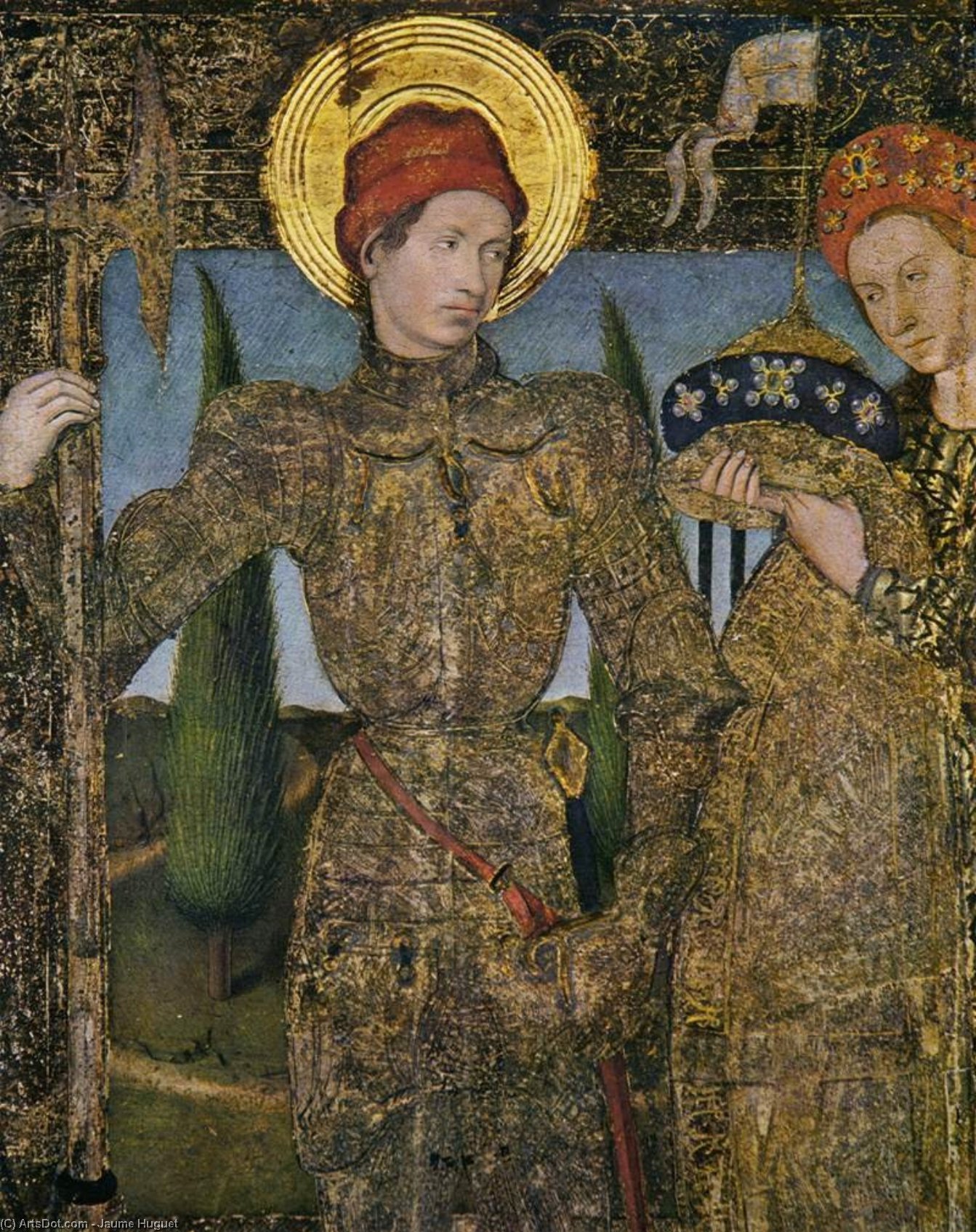
A Glimpse into Sacred Splendor: The Triptych of Saint George
To stand before this magnificent Triptych of Saint George is to step across the threshold of time, into a world steeped in the profound reverence of the late medieval era. This piece does not merely hang on a wall; it envelops the viewer in an atmosphere of solemn devotion. The composition immediately commands attention with its rich tapestry of color and unparalleled texture. One senses the weight of history emanating from every meticulously placed stroke, drawing the eye across the figures who stand as luminous embodiments of faith and enduring virtue.
The Language of Form: Style and Symbolism
Stylistically, the work resonates deeply with Byzantine iconography, a tradition that speaks volumes through its stylized grandeur. Notice how the forms are elongated, almost ethereal, lending the saints an otherworldly dignity. The artist masterfully employs strong, defining linear outlines to structure every fold of drapery and every gesture of the hand. Yet, within this adherence to established sacred art, there is a subtle whisper of emerging Renaissance realism, hinting at the human drama beneath the divine veneer. Symbolism permeates the scene: the halos are not mere decoration but visible markers of divine grace; the objects held—a regal crown suggesting earthly authority tempered by spiritual mandate, and staffs symbolizing pastoral guidance—all weave together a narrative tapestry of piety and power.
Alchemy on Canvas: Technique and Materiality
The technical brilliance displayed here is nothing short of breathtaking. The primary medium speaks to an ancient mastery: the combination of fresco secco applied over a gesso ground, culminating in the lavish application of gold leaf. This use of precious metal transforms the surface into something almost alive—a shimmering, metallic expanse that catches the light with every subtle shift in viewing angle. The resulting texture is incredibly rich, giving depth to what might otherwise appear flat. Coupled with the deep jewel tones of red, blue, and brown pigments, this interplay between matte tempera paint and reflective gold creates a visual feast for the connoisseur.
Historical Echoes and Emotional Resonance
Dating from 1459, this triptych captures an art world poised on the precipice of monumental change. It exists in that exquisite tension—the deep-rooted formality of Byzantine tradition meeting the burgeoning humanism of the early Renaissance. For the modern collector or designer, owning a reproduction of this piece is acquiring more than just decoration; it is curating a moment of profound contemplation. The overall emotional tone is one of hushed awe and unwavering solemnity. It invites quiet reflection, transforming any space—be it a grand hall or an intimate chapel—into a sanctuary imbued with timeless spiritual weight.
関連作品
アーティストの略歴
ロレンツォ・ディ・ニコロ:ゴシックとルネサンスが交差するフィレンツェの架け橋
1374年頃に生まれたロレンツォ・ディ・ニコロ(その正確な生年月日は今なお謎に包まれています)は、初期フィレンツェ絵画の発展において極めて重要な役割を果たした人物です。主に1391年から1412年にかけて活動した彼の作品は、中世の確立されたゴシック様式の感性と、誕生しつつあったルネサンスの革新的な精神を結ぶ、魅惑的な過渡期を象徴しています。豪華な金地を背景にテンペラで描かれた宗教的な場面を中心とする彼の画業は、フィレンツェにおける芸術的進化の決定的な瞬間を、私たちに鮮明に伝えてくれます。同時代の他の画家たちほど広く名声を得ることはありませんでしたが、その様式の融合と、15世紀初う頭のイタリアにおける視覚的景観を形作った功績は、極めて大きな意味を持っています。修練の時代と受け継がれた影響
ロレンツォの形成期は、フィレンツェの名高い画家ニコロ・ディ・ピエトロ・ジェリーニの工房で過ごされました。ジェリーニは個人の芸術的な極致を追求するよりも、膨大な制作量と大規模なプロジェクトの管理に長けた画家として知られていました。近年の研究では、ロレンツォは単なる見習いではなく、個人の輝きよりも組織的なスキルや共同作業を重視するジェリーニの手法に深く影響を受けた弟子であったと考えられています。しかし、彼の修練は単なる模倣に留まるものではありませんでした。ロレンソは、表現力豊かなスタイルと構図や物語への実験精神で知られる著名なフレスコ画家、スピネッロ・アレティーノからもインスピレーションを得ていました。スピネッロの壮大な作品は、初期ゴシック美術に特有の硬直した慣習から脱却し、画家のヴィジョンにおける想像力の自由を促したのです。さらに、ロレンツォの芸術的軌跡は、ロレンツォ・モナコやマリオット・ディ・ナルドといった巨匠たちの様式の残響によっても、その生涯を通じて繊細に形作られていきました。黄金に彩られたテンペラ様式
ロレンツォの独特なスタイルは、金地の背景に施されたテンペラ画という彼の好みを 통해、一目でそれと見分けることができます。トレチェント(14世紀)期に広く普及していたこの技法は、当時のフィレンツェ絵画の特徴である、光り輝くような豪華な効果を生み出しました。彼の作品は通常、聖人や聖書の登場人物を描いた宗教的な場面であり、細部への緻密なこだわりと、抑制された感情表現が特徴です。ここで用いられる金は、単なる装飾ではありませんでした。それは神聖な光と栄光を象徴的に表すものであり、主題の持つ精神的な重要性を高める役割を果たしていたのです。構図は概して均衡が取れており、ゴシックの伝統を反映しながらも、新興のルネサンス的な遠近法や自然主義の要素を取り入れています。テンペラという技法の制約の中にあっても、人物や建築細部の巧みな重なりによって、ロレンツォの絵画はしばしば奥行きを感じさせる空間を見せてくれます。主要な作品とギルドへの帰属
ロレンツォの記録に残る作品の中でも、現在フィレンツェに収蔵されている『サン・ミニアートの十字架の前での聖ヨハネと敵』は、洗礼者ヨハネがキリストの十字架の前で敵と対峙する姿を力強く描いた傑作です。この作品は、比較的コンパクトな形式の中に物語の複雑さを伝える彼の卓越した能力を証明しています。また、記録によれば、ロレンツォは1408年頃には影響力のある「メディキ・エ・スペツィアリ(医師・薬種商ギルド)」に所属し、その後1410年には「コンパニア・ディ・サン・ルカ」に加わっていました。これらの組織は、フィレンツェの繁栄する芸術界において、制作活動を規制し品質基準を維持するために不可欠な存在でした。こうした所属は、彼が確立されたフィレンツェの芸術コミュニティの一員であったことを裏付けています。また、息子のピエロも家族の伝統を受け継ぎ、フィレンツェの芸術的景観におけるロレンツォの遺産をさらに確固たるものにしました。歴史的意義と受け継がれるレガシー
ロレンツォ・ディ・ニコロの作品は、フィレンツェ美術におけるゴシック期からルネサンス期への決定的な架け橋となっています。彼は決して革命的な革新者ではありませんでしたが、確立された伝統と、芽生えつつあった新しい様式の潮流を巧みに融合させた熟練した職人でした。彼の絵画は、文化・政治的な激変期であった15世紀初頭のフィレンツェにおける芸術的実践や社会動態を知るための、貴重な洞察を与えてくれます。生前、彼個人の名声は限られていたかもしれませんが、その貢献は、フィレンツェ絵画の軌跡を形作り、後に続く盛期ルネサンスへの重要な一歩を刻んだものとして、今日ますます高く評価されています。彼の遺産は、特定の作品群の中に留まらず、芸術様式の複雑な変遷と、時代とともに進化する精神を体現した象徴的な存在として、今なお輝き続けています。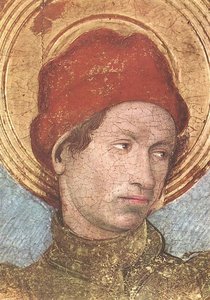
ジャウメ・ウゲト
1412 - 1492 , イタリア
基本情報
- Artistic Movement Or Style:
- トレチェント
- 初期ルネサンス
- ゴシック様式の影響
- Artists Or Movements Influenced By This Artist: ['スピネッロ・アレッティノ']
- Artists Who Influenced This Artist:
- ニコロ・ディ・ピエトロ・ジェリーニ
- ロレンツォ・モナコ
- マリオット・ディ・ナルド
- アンドレア・ディ・ジュスト
- Date Of Death: 1492年
- Full Name: ロレンツォ・ディ・ニコロ
- Nationality: イタリア人
- Notable Artworks: ['聖ヨハネとその敵']
- Place Of Birth: イタリア、フィレンツェ
関連記事

ジョルジュ・スーラ傑作25選:光と色彩の科学が織りなす芸術の世界|ArtsDot
ジョルジュ・スーラの傑作25選。点描画の光と色彩、印象派から新印象派へ—ArtsDotで美術史を紐解き、リビングやダイニングを彩る高品質なアートプリントを見つけましょう。セーラ作品集をオンラインで鑑賞ください。

High Medieval Art: 10 Masterpieces That Shaped an Era | ArtsDot
Journey through High Medieval Art! Explore 10 iconic masterpieces – from Giotto's frescoes to stunning Gothic cathedrals. Discover the stories behind these timeless paintings, sculptures & illuminated manuscripts. Find museum-quality art reproductions at ArtsDot.com.
Late Medieval Masterpieces: 10 Artworks That Defined an Era | ArtsDot
Journey through 10 defining Late Medieval masterpieces – from Giotto's frescoes to Jan van Eyck’s realism. Explore the stories, techniques & vibrant colors of Gothic art. Find museum-quality reproductions and elevate your home decor with ArtsDot.com! Discover all masterpieces on ArtsDot.com

ジョルジュ・ブラック傑作25選:革新的なキュビスムの世界と装飾への誘い
ジョルジュ・ブラックの傑作25選。キュビスムを代表する画家、その革新的な色彩と技法に迫ります。名画から知られざる逸品まで、美術史に残る作品群をArtsDot.comで鑑賞。お部屋を彩るアートプリントも多数ご用意。今すぐオンラインでコレクションをご覧ください。
Illuminating Eternity: A Comprehensive Exploration of Byzantine Art's Legacy
Explore the rich history & stunning artistry of the Byzantine Empire! Discover iconic mosaics, profound symbolism, and lasting influence on Western art. A comprehensive guide for history lovers.