

 シェアする
シェアする シェアする
シェアする
 詳細を見る
詳細を見る

 ダウンロード
 似ている作品
 スライドショー
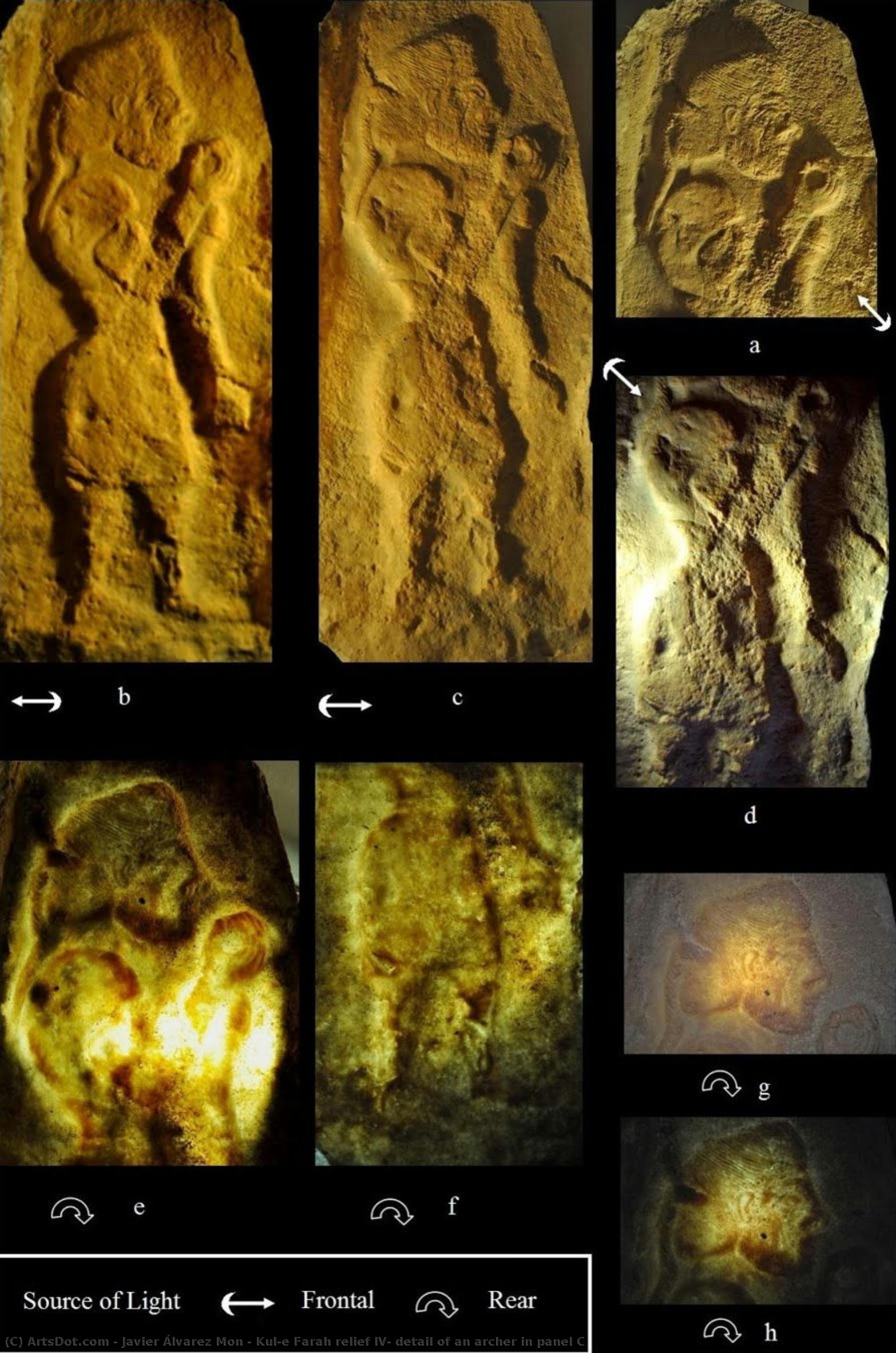
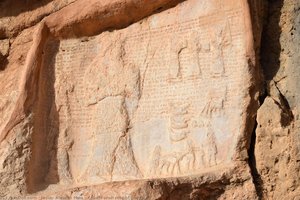
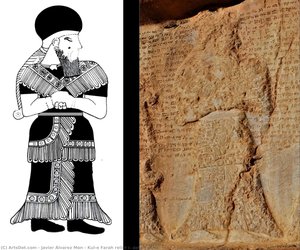
Kul-e Farah relief IV, detail of an archer in panel C


 詳細を見る
詳細を見る
ジークレー/アートプリント
迅速な制作と多彩な仕上げオプションを備えた、ミュージアムクオリティのジークレーまたはキャンバスプリント。 ( 手描きの絵画を購入 画像を購入)




































作品のオリジナル比率に合わせた、当店の規定サイズからお選びください。

特定のフレームやスペースに合わせて、ご自身でサイズを指定することも可能です。選択されたサイズが元の画像の比率と一致しない場合、作品をトリミングするか、鏡面反射または単色での塗りつぶしによって画像を拡張いたします。制作を開始する前に、ご確認用のデジタルモックアップをお送りいたします。
画面上のプレビューには、実際のトリミングや拡張は反映されませんのでご注意ください。最終的な構図を正確に確認できるのは、モックアップのみとなります。
カスタムサイズも承っておりますが、元の比率を維持するためには、あらかじめ用意されたリストからサイズを選択することをお勧めいたします。


 ガラスオプションは、110cm未満のサイズでのみご利用いただけます。

Kul-e Farah relief IV, detail of an archer in panel C
ジークレー/アートプリント
複製画のサイズ
-


合計金額
$ 62
A Silent Sentinel from the Elamite Era
In the quiet echoes of antiquity, certain fragments of stone possess the power to transport the modern viewer across millennia. The Kul-e Farah relief IV, a breathtaking detail of an archer from panel C, serves as such a portal. This exquisite carving, dating back to approximately 700 BCE, captures a moment of frozen tension and eternal vigilance. The figure emerges from the stone with a striking physical presence; characterized by broad, powerful shoulders and a tapered, narrow waist, the archer embodies the idealized strength of the Elamite warrior. Clad in a short kilted garment, the subject’s silhouette is punctuated by a distinctive long braid, a stylistic hallmark that speaks to the cultural identity and grooming traditions of an ancient civilization now lost to the sands of time.
The artistry of this relief lies in its delicate balance between depth and surface. While much of the original volume has been surrendered to the erosive touch of centuries, the "natural" plastic treatment of the anatomy remains profoundly legible. The sculptor achieved a lifelike quality by masterfully combining relatively shallow carving with smooth, meticulously plastered surfaces. This technique allows light to dance across the contours of the neck, back, and limbs, creating a soft interplay of shadow and highlight that breathes life into the stone. Traces of ancient plaster, engraving, and perhaps even the ghostly remnants of original pigmentation still cling to the surface, offering a tantalizing glimpse into a world that was once vibrantly colored and richly textured.
Symbolism and the Art of Ancient Narrative
Beyond its physical form, the relief functions as a profound narrative element within a larger, complex frieze. The archer, clutching a short bow in his left hand, is more than a mere soldier; he is a symbol of protection, sovereignty, and the organized might of the Elamite state. In the context of the Kul-e Farah reliefs, such figures often participated in grand processions or ceremonial displays of power. The precision of the bow and the poised stance suggest a disciplined society where art and warfare were inextricably linked to the preservation of cultural heritage. For the contemporary collector, this piece offers a deep connection to the foundational roots of Near Eastern artistry, representing a period when stone was used not just for architecture, but as a canvas for storytelling.
Integrating a high-quality reproduction of such a masterpiece into a curated space provides an unparalleled sense of historical gravity. For interior designers and art enthusiasts alike, this relief offers a sophisticated focal point that transcends mere decoration. It brings an element of archaeological wonder into the home or gallery, inviting conversation about the enduring human impulse to memorialize strength and beauty. Whether placed in a minimalist modern setting to provide a rugged, organic contrast or within a classical study to enhance a sense of scholarly prestige, this archer remains a timeless testament to the craftsmanship of the ancient world.
関連作品
![[彫刻石像、ウクマル聖堂広場] — オクタビオ・メデリン, Archaeological Documentation](/media/artworks/images-thumb/cd/72/cd72ede773e8f67633d88d21707b2444.jpg)
アーティストの略歴
ハビエル・アルバレスモン:古代近東の記憶を辿る考古学者
ハビエル・アルバレスモンは、古代近東文明の深淵を探求するスペインの考古学者であり、歴史家です。1969年にマドリードに生まれた彼は、2001年にマドリード・コンプルテンセ大学で考古学の博士号を取得しました。現在は、スペイン国立研究評議会(CSIC)の研究員を務めるとともに、バルセロナ大学のエラム研究グループのディレクターとして、失われた文明の解明に情熱を注いでいます。学問的背景と歩み
アルバレスモンの研鑽は、考古学と歴史学の交差点、とりわけ古代近東という壮大な舞台に深く根ざしています。彼の研究の核心はエラム文化にあり、その緻密な調査成果は数多くの論文や著作として結実してきました。代表的な著作には、『エラムの世界』(2018年)や、『エラム:歴史、芸術、考古学』(2021年)などがあります。研究成果と主要な著作
アルバレスモンの探求は、エラム文化の多面的な姿を浮き彫りにすることに集中してきました。彼の学術的貢献を示す主な出版物には、以下のものがあります:- 『エラムの世界』(2018年)
- 『エラム:歴史、芸術、考古学』(2021年)
- 『エラム文化』(2015年)
- 『エラム:地域の歴史』(2012年)
共同研究とプロジェクト
アルバレスモンは、他の研究者との緊密な連携を通じて、広範な研究プロジェクトを推進してきました。その活動の柱となるのは、以下のような重要なプロジェクトです:- エラム・プロジェクト:スペイン国立研究評議会(CSIC)の支援を受け、エラム文化を解明するための基盤となる研究です。
- イラン発掘プロジェクト:バルセロナ大学の支援のもと、イランでの考古学的発掘調査を遂行しました。
- エラム文化研究プロジェクト:バルセロナ大学の資金援助による、エラム文化の深層に迫る調査研究です。
その研究が持つ意義
ハビエル・アルバレスモンの仕事は、エラム文化の理解、そして古代近東史におけるその重要性を再定義する上で、極めて重要な役割を果たしています。彼のたゆまぬ探求は、この地域の歴史的文脈を解き明かし、多くの知見を後世に伝えるものとなりました。彼の著作や論文の一部は https://ArtsDot.com で閲覧することができ、そこでは彼の研究に関するさらなる詳細を見出すことができます。また、サン・フェルナンド王立美術アカデミー美術館 や フランス国立自然史博物館(狩猟・自然博物館) においても、他の芸術家や画家に関する情報を見つけることが可能です。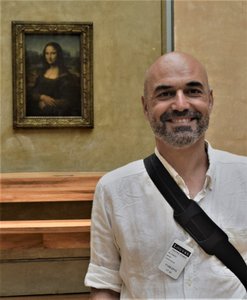
ハビエル・アルバレス=モン
1969 - , スペイン
関連記事
Sculpting with Soul: An Expert Guide to the Tactile Elegance of Plaster Relief Art
Discover the captivating world of plaster relief art. Our expert guide explores the history, techniques, and curation of textured bas-relief, helping collectors bring depth, light, and soulful dimension to their modern interiors through sophisticated sculptural masterpieces.
Stone & Canvas: 10 Masterpieces of Timeless Art |
Explore 10 iconic paintings dominated by 'stone' tones – from Caravaggio’s drama to Rembrandt’s depth. Discover art history, techniques & find museum-quality reproductions for your home at .
The Enduring Allure of Marble in Art History: From Classical Sculpture to Modern Abstraction
Explore the captivating history of marble sculpture from ancient Greece to modern art. Discover renowned artists like Canova & Michelangelo, carving techniques, and investment insights at ArtsDot.
Barbara Hepworth: A Sculptural Dialogue with Form, Space & the Human Condition
Explore the profound world of Barbara Hepworth's sculpture. Discover her artistic evolution, iconic forms, and lasting influence on modern art. A guide for collectors & enthusiasts.
Ben Nicholson OM: Modernism's Abstract Pioneer & the Poetics of Relief
Explore the revolutionary abstract art of Ben Nicholson OM. Discover his geometric masterpieces, collaborations with Barbara Hepworth & investment potential. Expert insights for collectors.

