

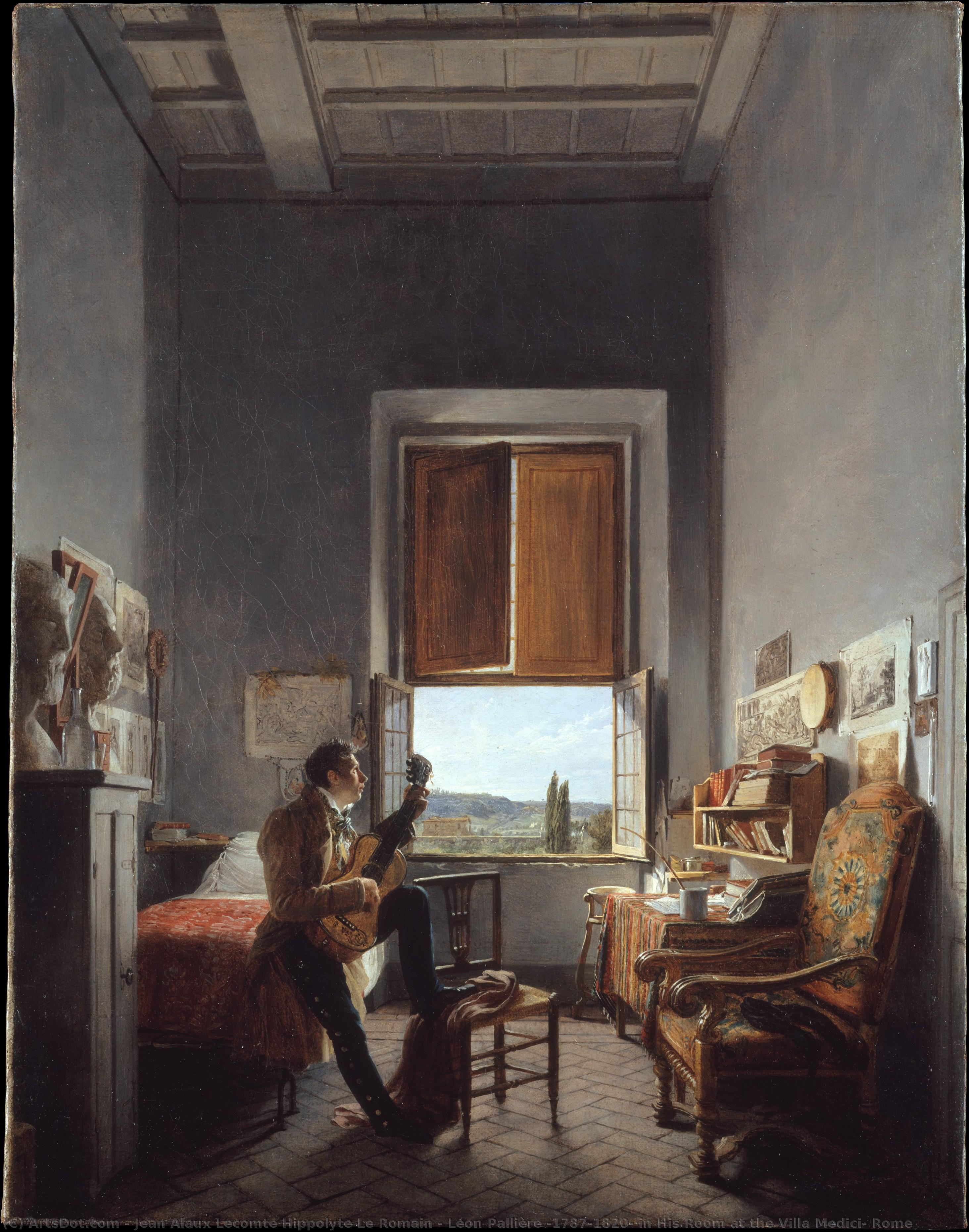
 プレビュー
プレビュー
 シェアする
シェアする シェアする
シェアする
 詳細を見る
詳細を見る

 ダウンロード
 似ている作品
 X線調査
X線調査 スライドショー
 統計情報
統計情報Léon Pallière (1787–1820) in His Room at the Villa Medici, Rome
 1817
1817 58.0 x 45.0 cm
 メトロポリタン美術館
 詳細を見る
詳細を見る
オンラインプレビューをはるかに凌ぐ、高解像度で鮮明なデジタル画像をご購入いただけます。
各ファイルは、社内の専門家が高度なツールと熟練した手作業によるレタッチを用いて、細心の注意を払って準備されています。すべての画像において、卓越した鮮明度、正確な色彩再現性、そして繊細なディテールを保証いたします。
最終ファイルは、プロフェッショナルな編集・印刷環境ですぐにご利用いただけるよう最適化された状態で、72時間以内にメールにてお届けいたします。これは、一流のデザインスタジオ、出版社、ギャラリーから信頼されているものと同等の品質です。
デジタルアート
個人での鑑賞、印刷、クリエイティブなプロジェクト用に、高解像度ファイルをダウンロードできます。 ( プリント版に切り替え 手描きの絵画を購入)
デジタル画像のご注文に付随する特典
高品質なデジタル画像配信を、確かな品質で。
ArtsDot.com を選ぶことは、単に画像を手に入れることではありません。それは、プロの手によって精密に仕上げられ、満足保証が付いた高品質なデジタルアートワークを受け取ることを意味します。ご注文いただいた際に自動的に付随する内容は、以下の通りです:

メールですぐにお届け
ご注文から72時間以内に、高解像度のデジタル画像ファイルがメールでお手元に届きます。すぐにそのままご利用いただけます。

AI技術で最適化されたデジタルファイル
お客様の作品は、高度なAIツールと専門家による手作業の編集を組み合わせてプロフェッショナルに最適化されており、細部のディテール、鮮明さ、そして正確な色再現性を最大限に引き出しています。

一生涯無料の再送サービス
ファイルを誤って削除したり、紛失してしまったりしましたか?ご安心ください。いつでも無料で再送いたします。

輸入手数料は一切かかりません
関税や手数料、配送料を気にすることなく、お気に入りのアートワークをすぐにお楽しみいただけます。デジタルダウンロードは常に免税です。

色彩再現の保証
プロ仕様のツールとカラーマネジメント技術を用いることで、デジタル画像が元の色を最大限に忠実に再現することを保証いたします。

100日間満足保証
ご購入いただいたデジタル画像にご満足いただけない場合は、100日以内であれば、理由を問わず修正または100%の返金対応をさせていただきます。

100% 返金保証
ご満足いただけない場合は、デジタルファイルを受け取ってから100日以内であれば、理由を問わず全額返金いたします。

まとめ買い割引
3枚購入で10%OFF - 5枚購入で15%OFF - 10枚以上購入で20%OFF。クリエイティブなプロジェクト、ギャラリー、エージェンシーに最適です。
関連作品








作家の略歴
Jean-Alaux Lecomte Hippolyte Le Romain: A Master of Napoleonic Drama
The world of 19th-century art is replete with depictions of military conflict, yet few artists managed to capture the visceral reality and dramatic intensity of battle with such compelling power as Jean-Alaux Lecomte Hippolyte Le Romain. Born in Paris in 1786, Le Romain’s career unfolded against the backdrop of a rapidly changing Europe – a continent grappling with the legacy of Napoleon Bonaparte and perpetually poised on the brink of war. His life, though tragically cut short in 1864, left behind a remarkable body of work that continues to resonate with its dramatic realism and profound understanding of human experience under extreme pressure.
Le Romain’s early artistic training remains somewhat shrouded in mystery, but it is believed he initially studied at the École des Beaux-Arts in Paris. However, his true passion lay not in idealized landscapes or classical subjects, but in the gritty details of military life and the harrowing spectacle of war. This fascination was fueled by a deep respect for history and a keen interest in the Napoleonic era – an era that had profoundly shaped France and Europe. He quickly established himself as a painter specializing in historical paintings, particularly those depicting significant battles and campaigns from the French Revolutionary period through the reign of Napoleon.
The Rise of a Military Romantic
Le Romain’s artistic style evolved dramatically over his career, reflecting both the prevailing trends of the Romantic movement and his own unique vision. Initially influenced by the works of artists like David, he gradually developed a more dynamic and emotionally charged approach. His paintings are characterized by their meticulous attention to detail – from the uniforms of the soldiers to the terrain of the battlefield – yet they never succumb to mere technical virtuosity. Instead, Le Romain used these details to create a sense of immediacy and authenticity, drawing the viewer directly into the heart of the action.
A key element of his style was his masterful use of light and shadow. He employed dramatic chiaroscuro – strong contrasts between light and dark – to heighten the emotional impact of his scenes. The smoke-filled skies, the flickering flames of burning buildings, and the desperate faces of the soldiers all contribute to a sense of chaos and urgency. Furthermore, Le Romain’s compositions are often deliberately asymmetrical, creating a feeling of instability and movement that mirrors the tumultuous nature of war. He wasn't simply illustrating battles; he was conveying the psychological toll on those who fought them.
Notable Works and Influences
Le Romain’s most celebrated works depict pivotal moments from the Napoleonic Wars, including the Battle of Austerlitz (1805), the Battle of Borodino (1812), and the Battle of Waterloo (1815). His painting “Bivouac d'Osterode” (1807), depicting the aftermath of a Russian campaign, is particularly noteworthy for its depiction of exhausted soldiers huddled around a meager fire – a poignant reminder of the human cost of war. His work "Bass ophicleide view 1" showcases his ability to capture the sounds and atmosphere of battle through visual representation.
While Le Romain was undoubtedly influenced by the Romantic tradition, he also drew inspiration from classical art and military history. He meticulously researched historical accounts and consulted with veterans to ensure the accuracy of his depictions. Interestingly, his work "Léon Pallière (1787–1820) in His Room at the Villa Medici, Rome" demonstrates a shift towards a more intimate and contemplative style, possibly reflecting a period of personal reflection or artistic experimentation.
Legacy and Historical Significance
Jean-Alaux Lecomte Hippolyte Le Romain’s paintings remain significant not only for their artistic merit but also for their historical documentation. They offer invaluable insights into the realities of warfare during the Napoleonic era, providing a visceral understanding of the experiences of soldiers on the front lines. His work helped to shape public perception of war and its consequences, moving beyond romanticized notions of heroism and glory.
Despite his untimely death in 1864, Le Romain’s legacy endures. His paintings are held in prominent museums throughout France and Europe, and continue to be studied by art historians and military scholars alike. He stands as a testament to the power of art to capture history, evoke emotion, and illuminate the human condition – particularly in times of conflict. His ability to translate the chaos and drama of battle onto canvas cemented his place as one of the most important artists of the 19th century.
jean alaux lecomte hippolyte le romain
1786 - 1864
プロフィール概要
- Artistic Movement Or Style: Historical painting
- Date Of Birth: 1786
- Date Of Death: 1864
- Full Name: Jean-Alaux Lecomte Hippolyte Le Romain
- Nationality: French
- Notable Artworks:
- Bivouac d'Osterode
- Bass ophicleide view
- Place Of Birth: Paris, France