

 シェアする
シェアする シェアする
シェアする
 詳細を見る
詳細を見る

 ダウンロード
 似ている作品
 スライドショー
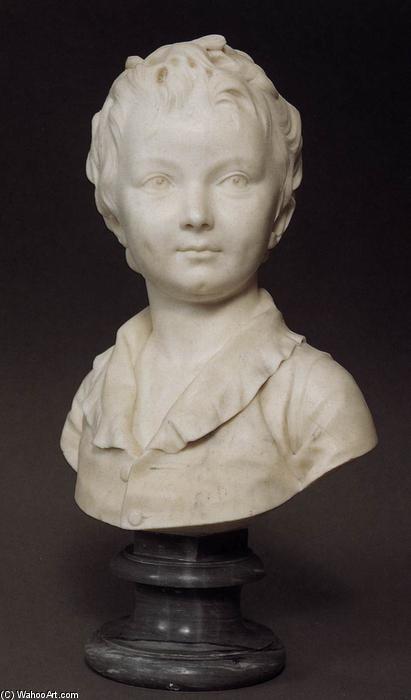
Bust of Alexandre Brongniart


 詳細を見る
詳細を見る
ジークレー/アートプリント
迅速な制作と多彩な仕上げオプションを備えた、ミュージアムクオリティのジークレーまたはキャンバスプリント。 ( 手描きの絵画を購入 画像を購入)




































作品のオリジナル比率に合わせた、当店の規定サイズからお選びください。

特定のフレームやスペースに合わせて、ご自身でサイズを指定することも可能です。選択されたサイズが元の画像の比率と一致しない場合、作品をトリミングするか、鏡面反射または単色での塗りつぶしによって画像を拡張いたします。制作を開始する前に、ご確認用のデジタルモックアップをお送りいたします。
画面上のプレビューには、実際のトリミングや拡張は反映されませんのでご注意ください。最終的な構図を正確に確認できるのは、モックアップのみとなります。
カスタムサイズも承っておりますが、元の比率を維持するためには、あらかじめ用意されたリストからサイズを選択することをお勧めいたします。


 ガラスオプションは、110cm未満のサイズでのみご利用いただけます。

Bust of Alexandre Brongniart
ジークレー/アートプリント
複製画のサイズ
-


合計金額
$ 62
The Serene Intellect: Jean-Antoine Houdon’s Bust of Alexandre Brongniart
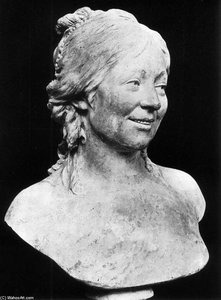
Jean-Antoine Houdon's “Bust of Alexandre Brongniart,” sculpted in exquisite Carrara marble around 1788, is more than a mere portrait; it’s a profound distillation of the Enlightenment spirit. This captivating work transcends the traditional conventions of classical sculpture, offering instead a remarkably intimate and psychologically astute representation of a young man—Alexandre-Théodore Brongniart, son of the renowned architect Alexandre Brongniart—whose gaze holds both mischievous curiosity and an underlying depth of thought. Houdon, a pivotal figure bridging the Rococo and Neoclassical eras, masterfully captured not just a likeness but the very essence of his subject’s intellect and character, a hallmark of his artistic philosophy.
Houdon's approach to portraiture was revolutionary for its time. He eschewed the idealized forms favored by many sculptors, instead prioritizing an honest and direct portrayal of his sitters. This is evident in the bust’s remarkably lifelike quality—the slightly furrowed brow, the subtly parted lips hinting at a contemplative spirit, the carefully rendered texture of the curly hair. The sculpture isn't about presenting an image of beauty; it’s about revealing the inner world of the individual. Houdon believed that true representation required understanding and capturing the subject’s personality—a belief deeply rooted in his early training at the Académie Royale de Peinture et de Sculpture, where he studied under masters like Slodtz, Lemoyne, and Pigalle.
A Window into the Enlightenment
The bust was created during a period of immense intellectual ferment in France—the Age of Enlightenment. Alexandre Brongniart himself embodied this era’s spirit of reason, innovation, and philosophical inquiry. His father, Alexandre-Théodore Brongniart, was a prominent architect responsible for designing iconic structures like the Paris Bourse, reflecting the burgeoning civic pride and architectural ambition of the time. The sculpture thus serves as a tangible link to this vibrant intellectual landscape, offering a glimpse into the world of thinkers, inventors, and political figures who shaped the course of French history.
Houdon’s decision to depict Brongniart in a relatively informal pose—a slight turn of the head, an open expression—further emphasizes his commitment to capturing genuine character. This wasn't about creating a formal, imposing figure; it was about presenting a young man engaged in quiet contemplation, suggesting a mind actively processing ideas and observing the world around him. The subtle details – the delicate curve of the lips, the slight asymmetry of the face – contribute to this sense of immediacy and psychological realism.
Technique and Materials: A Masterclass in Marble
The sculpture’s remarkable quality is largely due to Houdon's exceptional skill with marble. He employed a technique known as “subtractive modeling,” meticulously carving away excess material to reveal the form beneath. This process demanded immense patience, precision, and an intimate understanding of the stone’s properties. The resulting surface is remarkably smooth and polished, reflecting light in a way that enhances the three-dimensional quality of the bust and brings out the subtle nuances of texture.
The choice of Carrara marble—renowned for its purity, translucence, and ability to capture fine detail—was undoubtedly crucial. Houdon’s mastery of this material allowed him to achieve an unparalleled level of realism in his portraits. The way he captures the play of light on the marble surface, creating highlights and shadows that define the contours of the face, is a testament to his artistic vision and technical expertise.
Symbolism and Emotional Resonance
Beyond its technical brilliance, “Bust of Alexandre Brongniart” resonates with profound symbolic meaning. The youthful appearance of the subject speaks to the promise of the future—the potential for intellectual growth and creative achievement. The slightly quizzical expression invites us to engage with Brongniart’s thoughts, prompting a sense of curiosity and reflection. It's a portrait that doesn't simply depict a young man; it evokes a feeling—a quiet intelligence, an inquisitive spirit, and a hint of youthful idealism.
This sculpture stands as a powerful reminder of Houdon’s ability to capture not just the outward appearance but also the inner life of his subjects. It is a timeless masterpiece that continues to captivate viewers with its remarkable realism, psychological depth, and enduring emotional resonance—a true embodiment of the spirit of the Enlightenment.
関連作品
アーティストの略歴
啓蒙の彫刻家、ジャン=アントワーヌ・ウードン
1741年ヴェルサイユで生まれたジャン=アントワーヌ・ウードンは、ロココと新古典主義の時代を繋ぐ重要な人物であり、18世紀の知的熱情と進化する美的感覚を体現した彫刻家です。彼の生涯は、王政の衰退から革命の激動期、そしてナポレオン帝国の台頭という劇的な社会変革の中で展開されました。しかしながら、ウードンは芸術的ビジョンにおいて驚くべき一貫性を保ちました。それは単なる容姿の再現ではなく、被写体の本質—知性、性格、内面—を不朽の彫刻と青銅で捉えるという献身でした。この献身は、1752年からアカデミー・ロワイヤル・ド・ペーントゥール・エ・スキュルプチュールでの正式な訓練によって培われた初期の彫刻への才能に由来します。敬愛された彫刻家たち—ルネ=ミシェル・スロードツ、ジャン=バティスト・ルモワーヌ、そしてジャン=バティスト・ピガール—の下で学びました。1761年から1764年までのエコール・ロワイヤル・デ・ゼレヴ・プロテジェへの入学は彼の基礎を固め、1761年のPrix de Romeコンクールの見事な勝利へと繋がりました。この賞は彼にイタリアでの貴重な古典芸術研究の機会を与え、彼の美的感覚を深く形作ることになりました。真実性を追求する芸術と心理的洞察
ウードンの彫刻は、息を呑むほどの写実性と細部への徹底的な注意によってすぐに認識されます。彼は単に物理的な特徴を複製することに満足せず、被写体の表面を突き抜け、内面にある個性や知性を明らかにしようと努めました。この真実性を追求する姿勢は、彼の有名な *筋肉男側面図* 青銅彫刻にも見られるように、解剖学への深い関心から生まれたものであり、揺るぎない観察への献身によって支えられていました。同時代の多くの芸術家が被写体を理想化するのとは対照的に、ウードンは不完全さを受け入れました。彼はそれらがより真実で説得力のある描写に貢献すると信じていたのです。彼は人生から直接型を取り、比類のない精度で細部を捉える革新的な技術を採用しました。このアプローチは特に彼の肖像彫刻において顕著であり、それは彼のシグネチャーとなりました。それらは単なる静止した表現ではありませんでした。それらは心理的な深みと感情的な共鳴に満ちたダイナミックな性格研究だったのです。ウードンがどのように見えるかだけでなく、*誰であるか* を伝える能力は彼を際立たせました。彼は微妙な表情の変化、姿勢、そして内なる思考を示唆する目の彫刻—しばしばわずかな凹型で光の遊びを捉えるために彫り込まれた—を通してこれを達成しました。時代を不滅にする:啓蒙の賢人たち
ウードンの顧客層の広さは、まさに啓蒙時代の誰が誰であるかのリストです。彼は同時代の最も影響力のある思想家、作家、政治家、そして指導者たちを不滅のものにしました。彼のテラコッタ製のドニ・ディデロの肖像画は、哲学者の知的強度と型破りな精神を驚くべき感性で捉えています。フランスへの外交使節中に描かれたベンジャミン・フランクリンは、知恵と実用主義の男として現れ、彼の視線は鋭敏でありながら慈悲深いものです。ジャン=ジャック・ルソーは、特徴的な共感をもって彫刻され、彼の哲学を定義した情熱と憂鬱の両方を体現しています。おそらく最も有名なのは、ウードンがヴォルテールを彫刻したことであり、コメディ・フランセーズのためにダイナミックな座像を含む複数のバージョンを作成し、彼の機知と知的エネルギーを捉えました。これらの知識人たちを超えて、ウードンは王族—特にルイ16世—や、ナポレオン・ボナパルトのような台頭する政治家からの依頼も受けました。しかし、バージニア州議会から委託されたジョージ・ワシントンの彫刻が、彼をアメリカの象徴として確固たる地位を築いたのです。大統領在任中に綿密な測定とライフマスクに基づいて作成されたこの等身大の大理石像は、国の初代大統領の決定的なイメージとなり、何世紀にもわたって版画や複製のために使用され、数十年間米国切手に登場しました。彼はトーマス・ジェファーソンも彫刻し、大西洋を越えて彼の遺産をさらに確固たるものにしました。遺産と永続する影響
ジャン=アントワーヌ・ウードンの彫刻界への影響は否定できません。彼は肖像画を、深い心理的洞察と歴史的記録が可能な芸術形式へと高めました。彼の写実性への献身と被写体の本質を捉える能力は、彫刻表現の新たな基準を設定しました。生涯を通じて、ウードンは広く認められ、1804年にシュヴァリエ・ド・ラ・レジオン・ドヌール勲章、そして1809年にシュヴァリエ・デ・ランペル勲章を授与されました—これらはフランス社会における彼の高い地位の証です。晩年になってもウードンは重要な作品を作り続け、7月15日にパリで亡くなるまで揺るぎない職人技への献身を示しました。彼の彫刻は今日でも高く評価されており、その芸術的価値だけでなく、啓蒙時代の生活と時代に関する貴重な洞察を提供しているからです。ウードンの作品は、人間の精神を捉え、世代のために保存する芸術の永続的な力を強力に思い出させてくれます。 彼の影響は、彼に従った無数の芸術家の作品に見られ、畏敬の念と賞賛を引き続ける彫刻の巨匠としての彼の地位を確固たるものにしました。ウードンの様式の特徴
- 新古典主義写実主義: ウードンの彫刻は、古典的な原則に基づきながらも、被写体を真に捉えるという献身によって支えられた、例外的な写実性と細部への注意を特徴としています。
- 心理的深み: 彼は物理的な特徴だけでなく、被写体の心理的な本質をも綿密に捉え、単なる容姿を超えて個性と知性を伝えています。
- 歴史的重要性: 彼の肖像画は、ワシントン、フランクリン、ヴォルテール、そしてルソーのような影響力のある人物の生活と時代に関する貴重な洞察を提供し、重要な歴史的記録として役立っています。
- アメリカの象徴性: ウードンのジョージ・ワシントンの彫刻は、19世紀後半から20世紀初頭にかけて多数の米国切手に使用された版画のモデルとなり、アメリカの文化的記憶におけるその地位を確固たるものにしました。
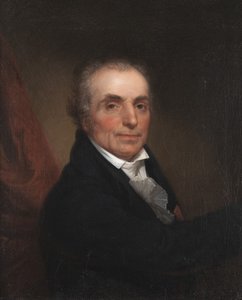
ジャン=アントワーヌ・ウードン
1741 - 1828 , フランス
基本情報
- Artistic Movement Or Style: 新古典主義写実主義
- Artists Or Movements Influenced By This Artist:
- カノーヴァ
- 新古典主義
- Artists Who Influenced This Artist:
- スロッツ
- ルモワーヌ
- ピガール
- Date Of Birth: 1741年
- Date Of Death: 1828年
- Full Name: ジャン=アントワーヌ・ウードン
- Nationality: フランス人
- Notable Artworks (List Of Titles):
- ジョージ・ワシントン像
- ヴォルテール像
- ベンジャミン・フランクリン像
- Place Of Birth (City And Country): ヴェルサイユ、フランス
関連記事

Bronze Sculptures That Defined Art History | ArtsDot
Journey through art history with our Top 10 bronze sculptures! Explore masterpieces by Rodin, Michelangelo & more. Discover stories behind iconic statues and find museum-quality reproductions for your home decor at ArtsDot.com.
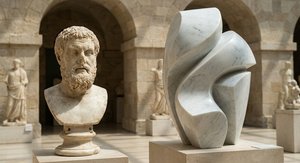
The Enduring Allure of Marble in Art History: From Classical Sculpture to Modern Abstraction
Explore the captivating history of marble sculpture from ancient Greece to modern art. Discover renowned artists like Canova & Michelangelo, carving techniques, and investment insights at ArtsDot.

The Enduring Form: Exploring Themes & Techniques in Sculpture Across Historical Periods
Explore the rich history of sculpture from ancient masterpieces to contemporary innovations. Discover key techniques, influential artists & investment potential for discerning art collectors.

Bronze Age to Modern Masters: 10 Sculptures That Redefined Art | ArtsDot
Journey through art history with 10 legendary bronze sculptures – from Michelangelo's David to Rodin’s Thinker. Explore the stories, techniques & timeless beauty of these masterpieces. Find museum-quality reproductions & elevate your home decor on ArtsDot.com.

The Enduring Form: Sculpture Across History, Technique & Emotional Resonance
Explore the rich history of sculpture with ArtsDot. Discover key techniques, influential artists & investment potential for discerning collectors. Expert insights into valuing and collecting timeless masterpieces.

