 プレビュー
プレビュー
 プリントを購入
 シェアする
シェアする シェアする
シェアする
 詳細を見る
詳細を見る

 ダウンロード
 似ている作品
 X線調査
X線調査 スライドショー
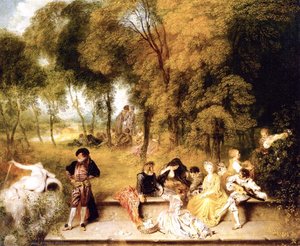
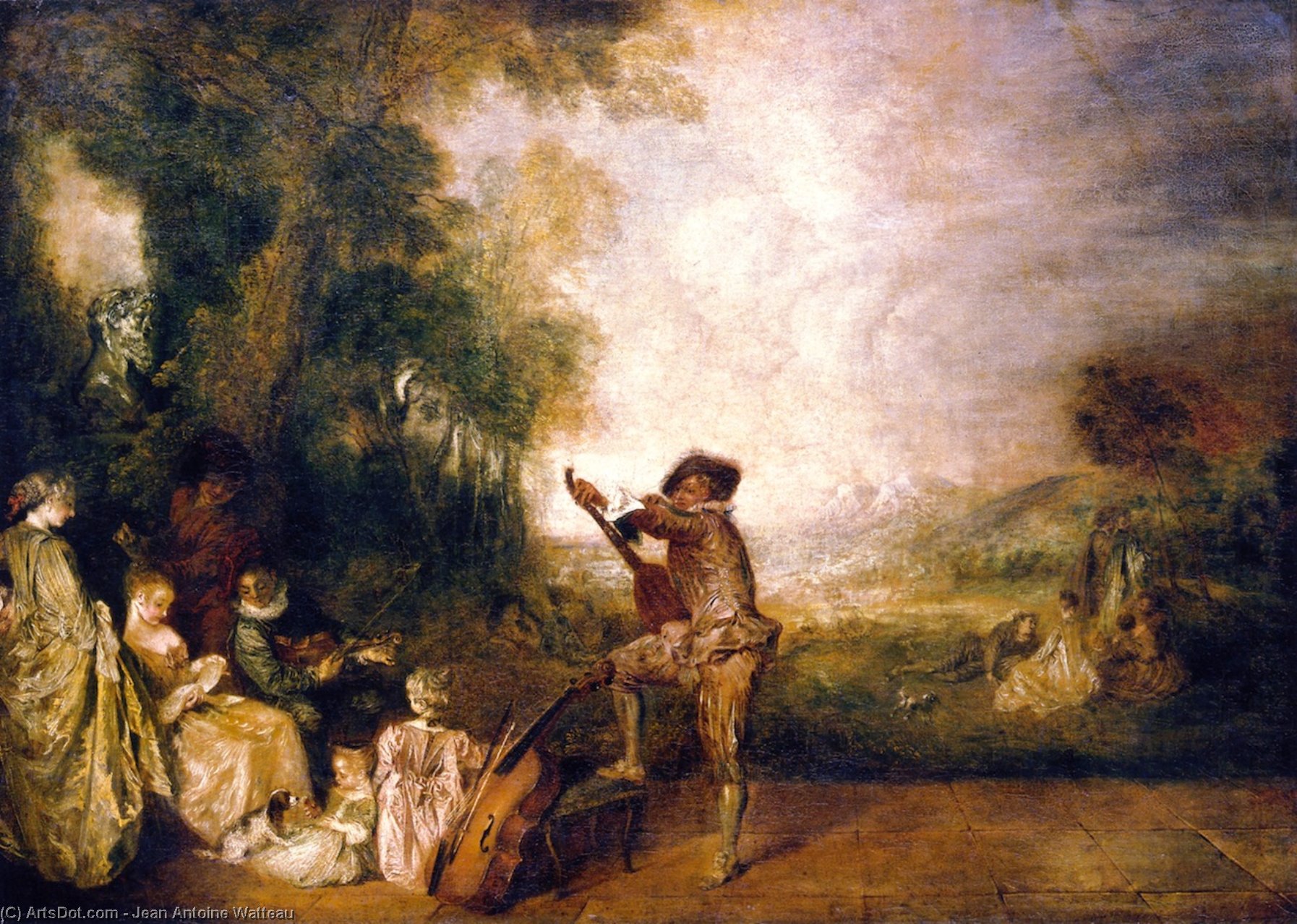
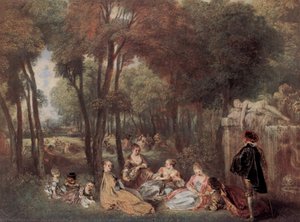
The Concert
 Acrylic On Canvas
- WallArt
- French Rococo
 1716
1716 66.0 x 91.0 cm
 Sanssouci Picture Gallery
 詳細を見る
詳細を見る




































作品のオリジナル比率に合わせた、当店の規定サイズからお選びください。

特定のフレームやスペースに合わせて、ご希望のサイズをご入力いただけます。選択されたサイズが元の画像の比率と異なる場合、アートワークをトリミングするか、手描きで要素を追加して絵画を拡張いたします。デジタルモックアップ を制作し、制作開始前にご確認(承認)をいただきます。
画面上のプレビューは、実際のトリミングや拡張を正確に反映しているものではありません。最終的な構図は、モックアップによってのみ正確にご確認いただけます。
カスタムサイズもご利用いただけますが、元の比率を維持するためには、あらかじめ用意されたリストからサイズを選択することをお勧めいたします。
ご注文後、ArtsDot.com チームより詳細な指示をお送りするとともに、仕上がりイメージ(モックアップ)をご提供いたします。


 ガラスオプションは、110cm未満のサイズでのみご利用いただけます。

The Concert
複製技法
複製画のサイズ
-


合計金額
$ 263
作品解説
The Concert: A Delicate Dance of Light and Emotion
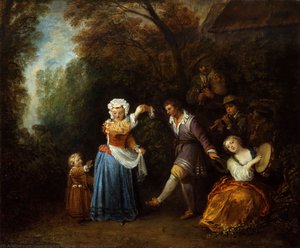
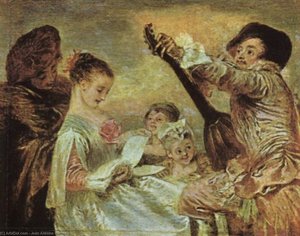
Jean Antoine Watteau’s “The Concert,” completed in 1716, transcends mere depiction; it embodies the very spirit of Rococo artistry—a movement that prioritized grace, pleasure, and an idealized vision of human experience. Housed within the Sanssouci Picture Gallery in Potsdam, Germany, this canvas (66 x 91 cm) isn’t simply a painting; it's a meticulously crafted tableau designed to transport the viewer into a realm of refined elegance and subtle contemplation.A Window Into Rococo Aesthetic Principles
Watteau stands as one of the foremost champions of Rococo, rejecting the grandeur and theatricality of Baroque art for an atmosphere imbued with softness, pastel hues, and flowing curves. Unlike its predecessor, which often aimed to impress through monumental scale and dramatic emotion, Rococo sought beauty in intimacy—a fascination with aristocratic leisure and fleeting moments of conviviality. “The Concert” perfectly encapsulates this ethos, mirroring the prevailing tastes of Parisian society during Watteau’s time. The muted greens and blues of the backdrop contribute to a serene ambiance, fostering a sense of tranquility that invites prolonged observation.Compositional Harmony: Light, Gesture, and Narrative
The painting's composition is masterful—a carefully orchestrated dance of figures against a verdant landscape. At its core resides a lute player, positioned centrally and bathed in diffused light—a technique characteristic of Watteau’s signature style. This illumination isn’t merely decorative; it serves to draw the eye inward, emphasizing the musician’s posture and gesture—a deliberate choice that conveys both confidence and vulnerability. Surrounding him are onlookers engaged in animated conversation, their movements subtly captured by Watteau's brushstrokes. Notably, a dog occupies the lower left corner, providing a grounding element amidst the ethereal scene and hinting at a connection to the natural world.Symbolism Beyond Surface Beauty
“The Concert” operates on multiple levels of symbolic interpretation. The lute itself represents musical erudition and artistic refinement—values highly esteemed within aristocratic circles. Furthermore, the figures depicted embody idealized notions of human relationships—a celebration of friendship and companionship. Watteau’s meticulous attention to detail extends beyond mere representation; he subtly conveys a mood of nostalgia for bygone eras, inviting viewers to savor the beauty of fleeting moments and appreciate the importance of social connections.Technical Brilliance: Mastering Light and Texture
Watteau's artistic prowess is evident in his masterful manipulation of light and shadow—a technique known as chiaroscuro—which lends depth and dimensionality to the canvas. Delicate brushstrokes create a velvety texture, enhancing the painting’s visual richness without overwhelming its overall serenity. Watteau skillfully blends pigments with remarkable precision, achieving subtle tonal variations that contribute to the luminous quality of the scene. This meticulous craftsmanship underscores Watteau's commitment to capturing not just what he saw but also how he felt—a testament to his enduring legacy as one of the most influential artists of the Rococo period.A Timeless Reflection on Human Experience
“The Concert” remains a profoundly evocative artwork, resonating with viewers centuries after its creation. Its understated elegance and harmonious composition continue to inspire admiration for Watteau’s artistic vision—a vision that prioritizes beauty, grace, and an appreciation for the subtleties of human emotion. It stands as a poignant reminder that true artistry lies not merely in technical skill but also in conveying profound truths about the human condition.

アーティストの略歴
ジャン=アントワーヌ・ワトー:フェート・ガランテの巨匠、ロココ絵画の革新者
ジャン=アントワーヌ・ワトーは、1684年にフランス北部のヴァランスィエンヌで生まれ、わずか37年の短い生涯を閉じましたが、18世紀のフランス絵画に革命をもたらした、ロココ様式を代表する芸術家の一人です。華麗な色彩と繊細な筆致、そして憂いを帯びた雰囲気が特徴的な彼の作品は、バロック絵画からより自然で洗練されたロココへと移行する過程において、重要な役割を果たしました。ワトーの人生は、決して順風満帆ではありませんでした。貧しい家庭に生まれ、芸術家としての道を切り開くためには、多くの困難を乗り越える必要がありました。しかし、彼は持ち前の才能と不屈の精神で、時代の主流から外れた独自の芸術世界を築き上げました。ヴァランスィエンヌの少年からパリへの道:初期の教育と影響
ワトーは、瓦葺き職人の息子として生まれましたが、幼い頃から絵を描くことに才能を発揮しました。地元の画家ジャック=アルベール・ジェランや、彫刻家アントワーヌ・ジョセフ・パテルといった芸術家に師事し、基礎を築きました。1702年、彼はパリへと旅立ちます。そこで、クロード・ジロのような劇場設計の画家との出会いは、彼の芸術的視野を大きく広げました。特にコメディア・デッラルテの影響は大きく、後の作品に登場する仮面を被った役者たちの姿や、舞台的な構図を生み出す源となりました。また、ピエール・クロザのような富裕なパトロンの庇護を受けながら、ルーベンスやヴェネツィア派の巨匠たちの作品を模写することで、色彩感覚と構成力を磨き上げました。これらの経験は、彼が独自の芸術スタイルを確立するための基盤となりました。フェート・ガランテの創造:ロマンティックな風景の中の優雅な人々
ワトーの最も重要な功績の一つは、「フェート・ガランテ」という新しいジャンルの創出です。これは、貴族たちが公園や庭園で楽しむ優雅なパーティーやレクリエーションを描いた絵画であり、従来の歴史画や宗教画とは一線を画していました。彼のフェート・ガランテの作品は、単なる社交風景の描写にとどまらず、登場人物たちの微妙な感情や、過ぎ去りゆく時間への郷愁を繊細に表現しています。代表作である『シテールへの巡礼』は、愛とロマンスの象徴とされる島を目指す人々の姿を描き出し、見る者を夢幻の世界へと誘います。『田園地帯の踊り』や『夏のセレナーデ』といった作品も、その繊細な色彩感覚と優美な人物描写によって、ロココ絵画の魅力を最大限に引き出しています。ワトーは、これらの作品を通して、当時の貴族社会の華やかさと、その背後にある儚さを描き出しました。革新的な技法と芸術的影響:ロココ様式への貢献
ワトーの芸術におけるもう一つの特徴は、彼の革新的な技法です。彼は、薄く透明感のある絵具を重ねることで、光と色彩の微妙な変化を生み出し、画面に独特の輝きを与えました。また、繊細で流れるような筆致を用いることで、人物や風景に生気を与え、まるで生きているかのような印象を作り出しました。彼の作品は、当時の芸術家たちに大きな影響を与え、フラゴナールやブーシェといったロココ絵画の巨匠たちの誕生を促しました。ワトーの革新的なスタイルは、バロック様式からロココへと移行する過程において、重要な役割を果たし、その後の西洋美術の発展に大きく貢献しました。短く輝かしい生涯と不朽の名声:現代への遺産
1721年、わずか37歳という若さで結核により死去したワトーですが、彼の作品は時代を超えて愛され続けています。彼は、ロココ絵画の代表的な芸術家として、その名声を確立し、後世の芸術家たちに多大な影響を与えました。現在、彼の作品は世界中の美術館に収蔵されており、多くの人々を魅了しています。ワトーの遺した芸術は、優雅さと繊細さ、そして憂いを帯びたロマンティックな雰囲気を体現しており、現代においても私たちに感動とインスピレーションを与え続けています。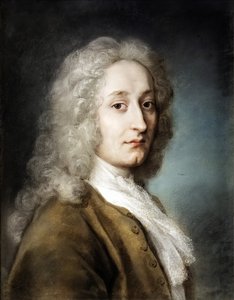
ワトー
1684 - 1721 , フランス
基本情報
- フルネーム: ジャン=アントワーヌ・ワトー
- 主な作品:
- 田園の舞踏会
- ケレス(夏)
- ジール
- キティラへの巡礼
- 出身地: ヴァランシエンヌ(フランス)
- 国籍: フランス人
- 影響を与えたアーティスト:
- フラゴナール
- Boucher
- 影響を受けたアーティスト:
- ティツィアーノ
- ヴェロネーゼ
- ルーベンス
- 没年月日: 1721年7月18日
- 生年月日: 1684年10月10日
- 芸術運動またはスタイル: ロココ
関連記事

華麗なるロココ:芸術史を彩る10大傑作の世界
華麗なるロココ美術の世界へ。バロックから生まれた優雅な芸術、その10大傑作を徹底解説!ブーシェ、フロマンなど巨匠たちの技と物語を紐解き、お部屋を彩るアートを見つけよう。ArtsDot.comで至高の美術館品質レプリカとインテリアアイデアを発見。
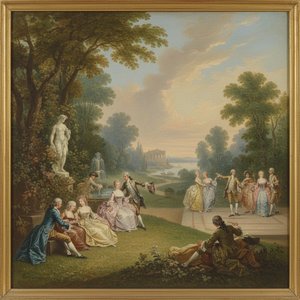
The Fête Galante & Beyond: Exploring the Artistic World of Jean-Antoine Watteau
Discover the captivating world of Jean-Antoine Watteau, master of the Fête Galante! Explore his iconic paintings, symbolism, and lasting influence on Rococo art. A deep dive for classic art enthusiasts.

The Rococo Aesthetic: Opulence, Rebellion & the Pursuit of Pleasure in 18th-Century Art
Explore the opulent world of Rococo art! Discover its origins, key artists like Watteau & Boucher, and lasting influence on design. Expert insights for collectors & enthusiasts.
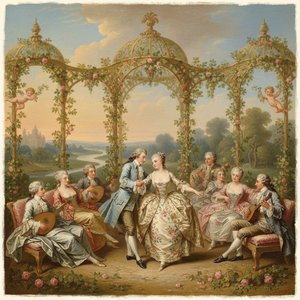
Jean-Baptiste Pater: Rococo Charm & Ephemeral Beauty of 18th-Century France
Explore the captivating world of Jean-Baptiste Pater, a master of Rococo painting. Discover his elegant *fête galante* scenes and shimmering portraits – a glimpse into 18th-century French aristocracy. Learn about his legacy & find high-quality reproductions.

The Allure of Elegance in Art: A Historical & Aesthetic Exploration of Refinement & Grace
Explore the exquisite world of Rococo art! Discover its history, masters (Watteau, Boucher & more), and defining elegance. Expert insights for collectors seeking museum-quality reproductions & custom portraits.