

 プレビュー
プレビュー
 プリントを購入
 シェアする
シェアする シェアする
シェアする
 詳細を見る
詳細を見る

 ダウンロード
 似ている作品
 X線調査
X線調査 スライドショー
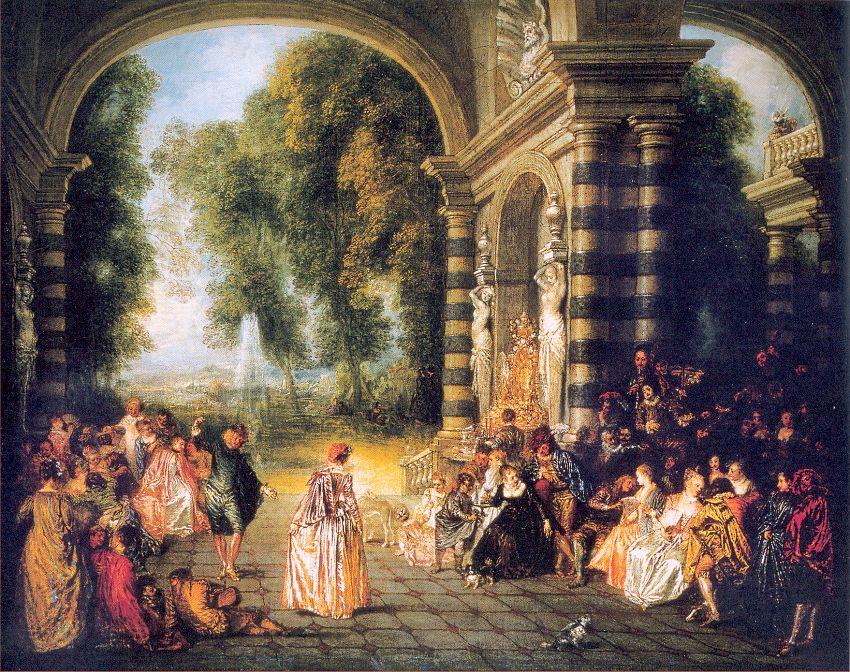
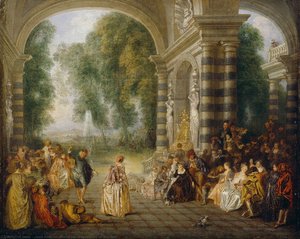
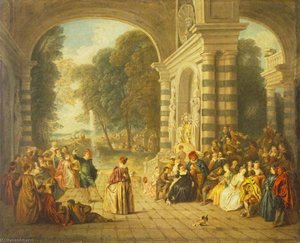
The Pleasures of the Ball


 詳細を見る
詳細を見る
オンラインプレビューをはるかに凌ぐ、高解像度で鮮明なデジタル画像をご購入いただけます。
各ファイルは、社内の専門家が高度なツールと熟練した手作業によるレタッチを用いて、細心の注意を払って準備されています。すべての画像において、卓越した鮮明度、正確な色彩再現性、そして繊細なディテールを保証いたします。
最終ファイルは、プロフェッショナルな編集・印刷環境ですぐにご利用いただけるよう最適化された状態で、72時間以内にメールにてお届けいたします。これは、一流のデザインスタジオ、出版社、ギャラリーから信頼されているものと同等の品質です。
デジタル画像のご注文に付随する特典
高品質なデジタル画像配信を、確かな品質で。
ArtsDot.com を選ぶことは、単に画像を手に入れることではありません。それは、プロの手によって精密に仕上げられ、満足保証が付いた高品質なデジタルアートワークを受け取ることを意味します。ご注文いただいた際に自動的に付随する内容は、以下の通りです:

メールですぐにお届け
ご注文から72時間以内に、高解像度のデジタル画像ファイルがメールでお手元に届きます。すぐにそのままご利用いただけます。

AI技術で最適化されたデジタルファイル
お客様の作品は、高度なAIツールと専門家による手作業の編集を組み合わせてプロフェッショナルに最適化されており、細部のディテール、鮮明さ、そして正確な色再現性を最大限に引き出しています。

一生涯無料の再送サービス
ファイルを誤って削除したり、紛失してしまったりしましたか?ご安心ください。いつでも無料で再送いたします。

輸入手数料は一切かかりません
関税や手数料、配送料を気にすることなく、お気に入りのアートワークをすぐにお楽しみいただけます。デジタルダウンロードは常に免税です。

色彩再現の保証
プロ仕様のツールとカラーマネジメント技術を用いることで、デジタル画像が元の色を最大限に忠実に再現することを保証いたします。

60日間満足保証
ご購入いただいたデジタル画像にご満足いただけない場合は、60日以内であれば、修正または100%の返金(理由を問う必要はありません)をさせていただきます。

100% 返金保証
ご満足いただけない場合は、デジタルファイルを受け取ってから60日以内であれば、理由を問わず全額返金いたします。

まとめ買い割引
3枚購入で10%OFF - 5枚購入で15%OFF - 10枚以上購入で20%OFF。クリエイティブなプロジェクト、ギャラリー、エージェンシーに最適です。
The Enigmatic Charm of “The Pleasures of the Ball”
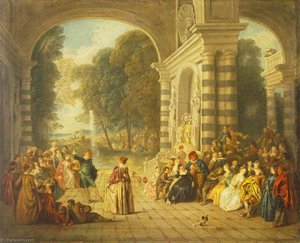
Jean-Antoine Watteau’s “The Pleasures of the Ball,” painted in 1717 and now residing within the hallowed halls of the Dulwich Picture Gallery, is more than just a depiction of an aristocratic gathering; it's a shimmering portal into the heart of Rococo France. This oil on panel masterpiece isn’t merely a scene of elegant figures enjoying themselves; it’s a carefully constructed tableau brimming with subtle social commentary, evocative atmosphere, and a profound sense of fleeting beauty. Watteau, a pivotal figure in the transition from Baroque to this lighter, more sensual style, masterfully captures the ephemeral joy of a *fête galante*, an outdoor entertainment favored by the French aristocracy – a world of refined leisure and carefully orchestrated pleasure. The painting immediately draws the eye with its pastel palette—soft pinks, blues, and creams—creating a dreamlike quality that belies the underlying complexity of the scene. It’s a world where light seems to dance across surfaces, inviting the viewer into an intimate, almost voyeuristic experience.The composition itself is remarkably sophisticated. Watteau eschews the rigid formality of earlier court paintings, opting instead for a looser, more natural arrangement of figures within a carefully designed architectural setting. An archway and columns frame the scene, hinting at a grand ballroom or courtyard beyond, while several individuals stand outside under an archway. The placement of the figures—some clustered together in animated conversation, others observing from a distance—suggests a dynamic social network, a delicate dance of flirtation, observation, and unspoken desires. Notice how Watteau uses diagonals to draw the eye through the composition, leading us on a visual journey through the scene. The inclusion of a small dog adds an element of liveliness and playfulness, grounding the otherwise ethereal atmosphere with a touch of domesticity.
Rococo Revelations: Style and Technique
“The Pleasures of the Ball” is a quintessential example of Rococo art, a style that emerged in France during the 18th century as a reaction against the grandeur and formality of the Baroque period. Characterized by its delicate curves, soft colors, and lighthearted themes, Rococo sought to evoke feelings of pleasure, grace, and elegance. Watteau’s masterful use of *sfumato*, a technique borrowed from Renaissance masters like Leonardo da Vinci, creates a hazy, atmospheric effect that softens the edges of the figures and contributes to the painting's dreamlike quality. The artist’s brushwork is loose and feathery, adding to the sense of movement and spontaneity. Furthermore, Watteau’s choice of *oil on panel* allowed for an exceptional level of detail and texture—one can almost feel the silk of the costumes and the smoothness of the marble columns. The use of light is particularly noteworthy; it's diffused and flattering, bathing the figures in a warm glow that enhances their beauty and creates a sense of intimacy.A Social Commentary: Class and Desire
Beyond its aesthetic qualities, “The Pleasures of the Ball” offers a subtle commentary on 18th-century French society. The presence of both men and women from different social classes—a clear indication of the era’s evolving social dynamics—suggests a world where aristocratic leisure was increasingly intertwined with the aspirations of the rising merchant class. However, a deeper layer of meaning emerges when we consider the inclusion of two figures in darker clothing – likely enslaved individuals – positioned discreetly within the scene. This detail has sparked considerable debate among art historians and raises questions about the painting’s underlying message. Are these figures merely decorative elements, or do they represent the hidden costs of aristocratic pleasure? Watteau's choice to include them subtly challenges the viewer to consider the social inequalities that underpinned this world of refined entertainment. The artist doesn’t explicitly condemn the scene, but he forces us to confront its complexities and acknowledge the darker side of luxury.Echoes of a Lost Era: Historical Context
“The Pleasures of the Ball” was created during a period of significant social and political change in France. Following the death of Louis XIV, the court moved from Versailles to Paris, ushering in a new era of aristocratic leisure and entertainment. The *fête galante*, popularized by Watteau, became a favored pastime for wealthy patrons who sought to escape the constraints of court life and indulge in a more intimate and informal social experience. The painting reflects this shift in values—a move away from the rigid formality of the Baroque era towards a more relaxed and sensual aesthetic. It’s important to note that Watteau's work was deeply influenced by Italian comedy, particularly the *commedia dell’arte*, which provided him with a rich source of characters and scenarios. The painting is thus not simply a depiction of a ball; it’s a carefully constructed homage to the pleasures of social interaction and artistic invention.Reproductions of “The Pleasures of the Ball” offer a remarkable opportunity to experience the beauty and sophistication of this iconic work of art. Whether displayed in a grand salon or a more intimate setting, this painting continues to captivate viewers with its evocative atmosphere, subtle social commentary, and timeless appeal.
作家の略歴
ジャン=アントワーヌ・ワトー:フェート・ガランテの巨匠、ロココ絵画の革新者
ジャン=アントワーヌ・ワトーは、1684年にフランス北部のヴァランスィエンヌで生まれ、わずか37年の短い生涯を閉じましたが、18世紀のフランス絵画に革命をもたらした、ロココ様式を代表する芸術家の一人です。華麗な色彩と繊細な筆致、そして憂いを帯びた雰囲気が特徴的な彼の作品は、バロック絵画からより自然で洗練されたロココへと移行する過程において、重要な役割を果たしました。ワトーの人生は、決して順風満帆ではありませんでした。貧しい家庭に生まれ、芸術家としての道を切り開くためには、多くの困難を乗り越える必要がありました。しかし、彼は持ち前の才能と不屈の精神で、時代の主流から外れた独自の芸術世界を築き上げました。ヴァランスィエンヌの少年からパリへの道:初期の教育と影響
ワトーは、瓦葺き職人の息子として生まれましたが、幼い頃から絵を描くことに才能を発揮しました。地元の画家ジャック=アルベール・ジェランや、彫刻家アントワーヌ・ジョセフ・パテルといった芸術家に師事し、基礎を築きました。1702年、彼はパリへと旅立ちます。そこで、クロード・ジロのような劇場設計の画家との出会いは、彼の芸術的視野を大きく広げました。特にコメディア・デッラルテの影響は大きく、後の作品に登場する仮面を被った役者たちの姿や、舞台的な構図を生み出す源となりました。また、ピエール・クロザのような富裕なパトロンの庇護を受けながら、ルーベンスやヴェネツィア派の巨匠たちの作品を模写することで、色彩感覚と構成力を磨き上げました。これらの経験は、彼が独自の芸術スタイルを確立するための基盤となりました。フェート・ガランテの創造:ロマンティックな風景の中の優雅な人々
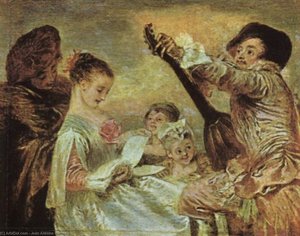
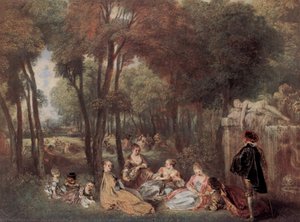
ワトーの最も重要な功績の一つは、「フェート・ガランテ」という新しいジャンルの創出です。これは、貴族たちが公園や庭園で楽しむ優雅なパーティーやレクリエーションを描いた絵画であり、従来の歴史画や宗教画とは一線を画していました。彼のフェート・ガランテの作品は、単なる社交風景の描写にとどまらず、登場人物たちの微妙な感情や、過ぎ去りゆく時間への郷愁を繊細に表現しています。代表作である『シテールへの巡礼』は、愛とロマンスの象徴とされる島を目指す人々の姿を描き出し、見る者を夢幻の世界へと誘います。『田園地帯の踊り』や『夏のセレナーデ』といった作品も、その繊細な色彩感覚と優美な人物描写によって、ロココ絵画の魅力を最大限に引き出しています。ワトーは、これらの作品を通して、当時の貴族社会の華やかさと、その背後にある儚さを描き出しました。革新的な技法と芸術的影響:ロココ様式への貢献
ワトーの芸術におけるもう一つの特徴は、彼の革新的な技法です。彼は、薄く透明感のある絵具を重ねることで、光と色彩の微妙な変化を生み出し、画面に独特の輝きを与えました。また、繊細で流れるような筆致を用いることで、人物や風景に生気を与え、まるで生きているかのような印象を作り出しました。彼の作品は、当時の芸術家たちに大きな影響を与え、フラゴナールやブーシェといったロココ絵画の巨匠たちの誕生を促しました。ワトーの革新的なスタイルは、バロック様式からロココへと移行する過程において、重要な役割を果たし、その後の西洋美術の発展に大きく貢献しました。短く輝かしい生涯と不朽の名声:現代への遺産
1721年、わずか37歳という若さで結核により死去したワトーですが、彼の作品は時代を超えて愛され続けています。彼は、ロココ絵画の代表的な芸術家として、その名声を確立し、後世の芸術家たちに多大な影響を与えました。現在、彼の作品は世界中の美術館に収蔵されており、多くの人々を魅了しています。ワトーの遺した芸術は、優雅さと繊細さ、そして憂いを帯びたロマンティックな雰囲気を体現しており、現代においても私たちに感動とインスピレーションを与え続けています。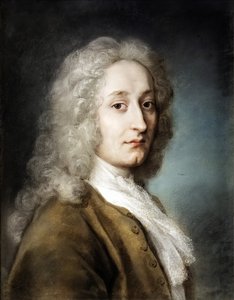
ワトー
1684 - 1721 , フランス
プロフィール概要
- フルネーム: ジャン=アントワーヌ・ワトー
- 主な作品:
- 田園の舞踏会
- ケレス(夏)
- ジール
- キティラへの巡礼
- 出身地: ヴァランシエンヌ(フランス)
- 国籍: フランス人
- 影響を与えたアーティスト:
- フラゴナール
- Boucher
- 影響を受けたアーティスト:
- ティツィアーノ
- ヴェロネーゼ
- ルーベンス
- 没年月日: 1721年7月18日
- 生年月日: 1684年10月10日
- 芸術運動またはスタイル: ロココ

