

 プリントを購入
 シェアする
シェアする シェアする
シェアする
 詳細を見る
詳細を見る

 ダウンロード
 似ている作品
 スライドショー
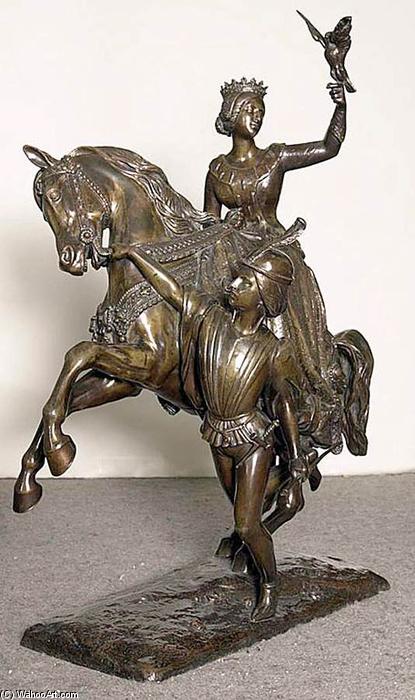
Mary of Burgundy


 詳細を見る
詳細を見る




































作品のオリジナル比率に合わせた、当店の規定サイズからお選びください。

特定のフレームやスペースに合わせて、ご希望のサイズをご入力いただけます。選択されたサイズが元の画像の比率と異なる場合、アートワークをトリミングするか、手描きで要素を追加して絵画を拡張いたします。デジタルモックアップ を制作し、制作開始前にご確認(承認)をいただきます。
画面上のプレビューは、実際のトリミングや拡張を正確に反映しているものではありません。最終的な構図は、モックアップによってのみ正確にご確認いただけます。
カスタムサイズもご利用いただけますが、元の比率を維持するためには、あらかじめ用意されたリストからサイズを選択することをお勧めいたします。
ご注文後、ArtsDot.com チームより詳細な指示をお送りするとともに、仕上がりイメージ(モックアップ)をご提供いたします。


 ガラスオプションは、110cm未満のサイズでのみご利用いただけます。

Mary of Burgundy
複製技法
複製画のサイズ
-


合計金額
$ 263
Mary of Burgundy: A Bronze Portrait of Tragedy and Majesty
Jean-Auguste Barre’s sculpture of Mary of Burgundy stands as a testament to the Romantic era's fascination with historical grandeur intertwined with poignant human emotion. Created around 1837–42, this bronze masterpiece captures a fleeting moment – just before the tragic death of Mary I—a young queen felled by an accident during a falconry outing.
Barre’s meticulous craftsmanship is immediately evident in the sculpture's surface texture; subtle ripples and variations create a rich patina that speaks to its age and exposure, lending it an aura of timelessness. The artist skillfully rendered Mary’s posture—seated atop a rearing horse—to convey both regal composure and vulnerability. Her gaze upward towards Maximilian I, her companion, embodies admiration and perhaps even awe at the power of leadership.
- Subject Matter: Barre focused on portraying Mary of Burgundy, wife of Maximilian I, Duke of Austria, a pivotal figure in European history who initiated the Habsburg-Bourbon rivalry.
- Style: The sculpture exemplifies Neoclassical influences blended with Romantic sensibilities—a hallmark of Barre’s artistic vision.
- Technique: Barre employed bronze casting, utilizing a technique perfected during his time to achieve remarkable detail and realism in capturing Mary's likeness and conveying her emotional state.
- Historical Context: The sculpture reflects the anxieties surrounding royal succession and the fragility of life during the Victorian period.
Beyond its technical prowess, “Mary of Burgundy” resonates with symbolic depth. The falcon represents nobility and vigilance—attributes associated with Mary’s role as a ruler and her unwavering determination. Simultaneously, the horse symbolizes strength and dynamism, mirroring the turbulent political landscape of the era.
Displayed prominently at the Musée du Louvre in Paris, this sculpture continues to captivate viewers with its ability to evoke empathy for a queen caught in the grip of fate. Barre’s masterful depiction serves as an enduring reminder of both royal dignity and human vulnerability—themes that resonate powerfully across generations.
関連作品
アーティストの略歴
Jean-Auguste Barre: Life and Legacy
Early Life and Training
Jean-Auguste Barre was born in Paris, France, in 1811. He came from an artistic family; his father, Jean-Jacques Barre (1793–1855), was a respected medalist. This familial connection proved crucial to young Jean-Auguste’s development as he received initial training directly from his father. He further honed his skills at the prestigious École Nationale Supérieure des Beaux-Arts in Paris, studying under the guidance of Jean-Pierre Cortot.
Artistic Development and Style
Barre primarily focused on sculpture, quickly establishing himself as a talented portraitist. He exhibited regularly at the French Salon from 1831 to 1886, initially showcasing medallions and medals before transitioning towards larger sculptural works. His style is characterized by meticulous detail and a remarkable ability to capture the likeness and personality of his subjects. Barre’s work reflects the prevailing Neoclassical and Romantic sensibilities of 19th-century France, though he developed a unique approach within these frameworks.
Notable Works and Achievements
Barre is particularly celebrated for being one of the first sculptors to create miniature sculptures of prominent contemporaries. His subjects included figures such as Napoleon III, Queen Victoria, dancers Marie Taglioni and Emma Livry, and even American activist Susan B. Anthony. This innovative approach set him apart from his peers.
- Mary of Burgundy: A captivating bronze sculpture demonstrating Barre’s skill in depicting royalty.
- Maria Taglioni in La Sylphide: Captures the grace and artistry of the renowned ballerina.
- Bust of Mrs. Bouchet: Exemplifies his talent for portraiture, showcasing a refined sense of character.
Beyond portraits, Barre also created significant works displayed in prominent institutions like the Louvre and the Cleveland Art Museum. He also contributed to Père Lachaise Cemetery, creating a bust for the tomb of his friend, writer Alfred de Musset.
Influences and Legacy
Barre’s artistic development was significantly influenced by his father, Jean-Jacques Barre, whose expertise in medal making provided a strong foundation. The academic training he received at the École des Beaux-Arts also shaped his understanding of classical forms and techniques. While not directly influencing a large school of followers, Barre's pioneering work in miniature portrait sculpture paved the way for future artists exploring similar themes.
Historical Significance
Jean-Auguste Barre’s contribution to 19th-century French sculpture lies in his ability to capture the spirit of his time through compelling portraits. His miniatures offer a unique glimpse into the lives and personalities of influential figures, providing valuable historical documentation alongside artistic merit. He died in Paris in 1896, leaving behind a legacy as a skilled craftsman and an innovative portraitist.
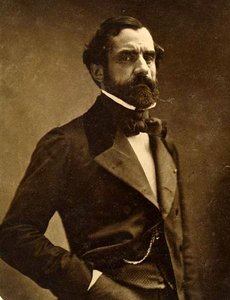
jean august barre
1811 - 1896 , France
基本情報
- Birth Date: 1811
- Birth Place: Paris, France
- Death Date: 1896
- Influenced By: Jean-Jacques Barre
- Movement: Sculpture, Medalist
- Name: Jean-Auguste Barre
- Nationality: French
- Notable Works:
- Mary of Burgundy
- Maria Taglioni in La Sylphide
- Bust of Mrs. Bouchet
関連記事
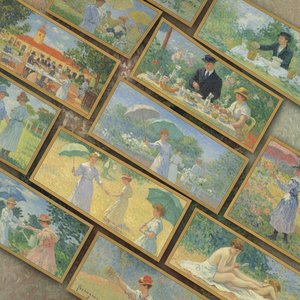
ルノワール傑作25選:光と色彩が織りなす印象派の華麗なる世界 | ArtsDot
ルノワールの傑作25選🎨 印象派の光と色彩が輝く世界へ。絵画の背景、技法、そして時代を超えて愛される理由を紐解きます。ArtsDotで高品質な複製画やインテリアアートを見つけ、お部屋に芸術的な彩りを✨ Explore the full collection online!

Bronze Sculptures That Defined Art History | ArtsDot
Journey through art history with our Top 10 bronze sculptures! Explore masterpieces by Rodin, Michelangelo & more. Discover stories behind iconic statues and find museum-quality reproductions for your home decor at ArtsDot.com.

The Enduring Form: Exploring Themes & Techniques in Sculpture Across Historical Periods
Explore the rich history of sculpture from ancient masterpieces to contemporary innovations. Discover key techniques, influential artists & investment potential for discerning art collectors.

Bronze Age to Modern Masters: 10 Sculptures That Redefined Art | ArtsDot
Journey through art history with 10 legendary bronze sculptures – from Michelangelo's David to Rodin’s Thinker. Explore the stories, techniques & timeless beauty of these masterpieces. Find museum-quality reproductions & elevate your home decor on ArtsDot.com.

The Enduring Form: Sculpture Across History, Technique & Emotional Resonance
Explore the rich history of sculpture with ArtsDot. Discover key techniques, influential artists & investment potential for discerning collectors. Expert insights into valuing and collecting timeless masterpieces.

