 プレビュー
プレビュー
 プリントを購入
 シェアする
シェアする シェアする
シェアする
 詳細を見る
詳細を見る

 ダウンロード
 似ている作品
 X線調査
X線調査 スライドショー
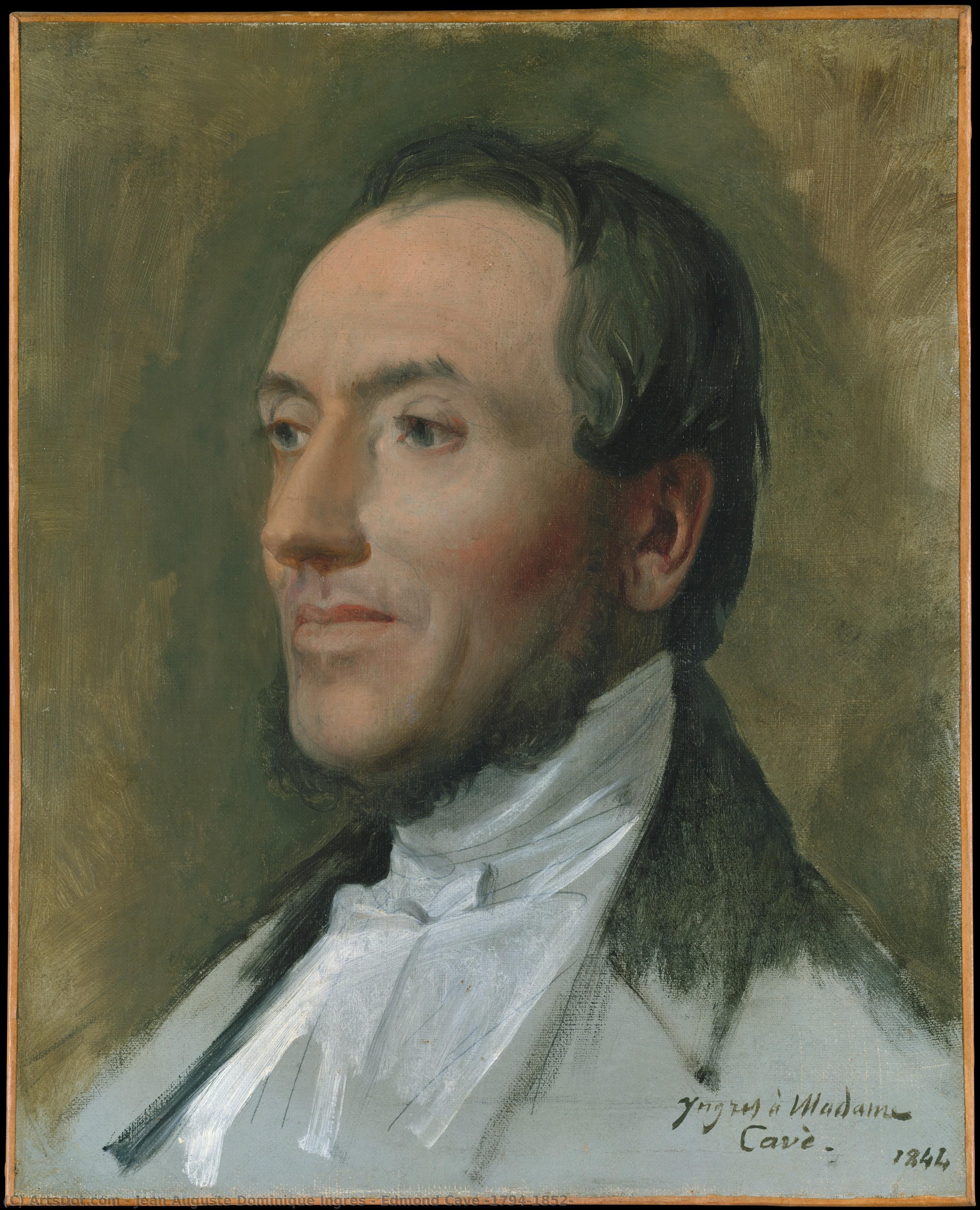
Edmond Cavé (1794–1852)
 Acrylic On Canvas
- WallArt
- Neoclassical Precision
 1844
1844- 19th Century
 41.0 x 33.0 cm
 メトロポリタン美術館
 詳細を見る
詳細を見る




P118B $10

P118H $10

P118W $10

P438Z $10

P508JH $12

P508YH $12

P805H $10

P805Z $10

P919BZ $10

P919G $10

P919XJ $10

P959ZH $10

P968JZ $12

W106C $8

W218G $10

W218JH $8

W218Y $10

W307PJ $10

W316G $10

W316PJ $8

W316Y $10

W398PJ $8

W4111J $10

W500HY $15

W500JH $15

W692G $12

W849H $8

W940BG $15

W953PJ $8




作品のオリジナル比率に合わせた、当店の規定サイズからお選びください。

特定のフレームやスペースに合わせて、ご希望のサイズをご入力いただけます。選択されたサイズが元の画像の比率と異なる場合、アートワークをトリミングするか、手描きで要素を追加して絵画を拡張いたします。デジタルモックアップ を制作し、制作開始前にご確認(承認)をいただきます。
画面上のプレビューは、実際のトリミングや拡張を正確に反映しているものではありません。最終的な構図は、モックアップによってのみ正確にご確認いただけます。
カスタムサイズもご利用いただけますが、元の比率を維持するためには、あらかじめ用意されたリストからサイズを選択することをお勧めいたします。
ご注文後、ArtsDot.com チームより詳細な指示をお送りするとともに、仕上がりイメージ(モックアップ)をご提供いたします。


 ガラスオプションは、110cm未満のサイズでのみご利用いただけます。

Edmond Cavé (1794–1852)
複製技法
複製画のサイズ
-


合計金額
$ 263
作品解説
Jean-Auguste-Dominique Ingres’s Portrait of Edmond Cavé – A Study in Neoclassical Dignity
This meticulously rendered portrait of Edmond Cavé, painted in 1844 by the celebrated artist Jean-Auguste-Dominique Ingres, offers a captivating glimpse into the world of French high society during the reign of King Louis-Philippe. More than just a likeness, it’s a testament to Ingres's mastery of Neoclassical style – a deliberate and powerful return to the ideals of classical art that defined his career. The painting’s quiet dignity and precise execution speak volumes about Cavé’s position as an inspector and director within the fine arts administration, a role of considerable influence at the time.
- Subject & Context: The portrait depicts Edmond Cavé, a prominent figure in 19th-century France. Its creation coincided with his marriage, making it a celebratory piece intended to commemorate this significant life event. Interestingly, the work is linked to another of Ingres’s portraits – that of Cavé's wife – suggesting a deliberate pairing and an exploration of familial portraiture within the context of the era.
- Ingres’s Technique: Ingres was renowned for his unwavering commitment to line and form, achieving a remarkably sculptural effect through careful observation and precise brushwork. Notice the smooth transitions between tones, the sharp definition of Cavé's features, and the controlled handling of fabric – all hallmarks of Ingres’s distinctive style.
The Process of Creation: Collaboration and Observation
Ingres’s approach to this portrait was remarkably innovative for its time. He didn’t simply rely on a direct observation of Cavé; instead, he engaged in a collaborative process with his subject. Consulting with Cavé regarding the dimensions of his wife's likeness – as documented in the creation of that earlier portrait – Ingres then meticulously transferred a drawing from the Musée Ingres in Montauban onto the canvas. This technique demonstrates Ingres’s dedication to accuracy and his willingness to utilize existing artistic resources, showcasing a sophisticated understanding of the creative process.
- Drawing as Foundation: The use of a preparatory drawing is crucial to understanding Ingres's method. It allowed him to refine his composition and ensure the accurate representation of Cavé’s form before committing it to paint.
- Musée Ingres Connection: The reference to the Musée Ingres highlights the importance of personal archives and artistic resources within Ingres’s practice, reflecting a systematic approach to his work.
Symbolism and Emotional Impact
Despite its formal restraint, the portrait possesses a subtle emotional resonance. Cavé's serious expression and direct gaze command attention, conveying an air of authority and self-assuredness. The white shirt and tie, typical attire for the period, further anchor the image in its historical context. While not overtly sentimental, the painting evokes a sense of respect for Cavé’s position and status within French society – a testament to Ingres's ability to capture not just physical appearance but also the essence of his subject.
- Neoclassical Values: The portrait embodies the core values of Neoclassicism – order, clarity, and rationalism – reflecting the artistic sensibilities of the time.
- Power and Status: Cavé’s attire and demeanor subtly communicate his position as a high-ranking official within the government.
Specifications
Title: Edmond Cavé (1794–1852) Artist: Jean-Auguste-Dominique Ingres Date: 1844 Size: 41 x 33 cm Medium: Oil on Canvas
関連作品
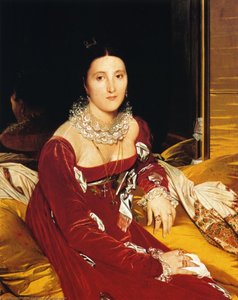
アーティストの略歴
線と形態の遺産:ジャン=オーギュスト・ドミニク・アングルの世界
ジャン=オーギュスト・ドミニク・アングルという名は、新古典主義の精密さと、まるで彫刻のような絵画への接近法を象徴する言葉です。1780年にフランスのモントバールで生まれ、彼の芸術的遍歴は、古典的な理想への揺るぎない献身と、芽生える官能性、そして慣習に挑戦しようとする意志によって彩られています。アングルは単に過去を複製しただけでなく、それとの深遠な対話を行い、時代を定義するとともに未来の革命を予感させるスタイルを築き上げました。
彼の初期の人生は、将来的な芸術的追求のための確固たる基盤を提供しました。父親のジャン=マリー・ジョゼフ・アングルもまた画家であり彫刻家であり、幼いドミニクに幼い頃から形態と技術への愛を植え付けました。この最初の訓練に続き、彼はトゥールーズのアカデミー・ロワイヤル・ド・ペinture、彫刻、建築で学び、ギヨーム=ジョゼフ・ロックの下でスキルを磨きました。しかし、1797年にパリに移り、ジャック=ルイ・ダヴィッドの下で修行したことが、彼の道を真に決定づけました。新古典主義の第一人者であったダヴィッドは、厳格な規律と、線、形態、歴史的題材を重視する姿勢を彼に与え、これらの原則はアングルのキャリアを通して彼の作品の中心となりました。
理想美への探求
アングルの芸術哲学は、イタリア・ルネサンスの巨匠に対する深い賞賛に基づいています。特にラファエロは絶え間ないインスピレーションの源でした。彼は線が形態を定義し感情を伝える力に信じており、単なる表現を超越した理想化された美を追求しました。この探求は、1801年に彼に名声をもたらした『アガメムノンの使者、アキレウスのテントにて』に見られます。この絵画は、彼の細部への綿密な注意、正確な線描技術、そして明確な物語的焦点—新古典主義様式の特徴—を示しています。
しかし、アングルは単なる模倣者ではありませんでした。彼は徐々に独自の声を開発し、古典的な原則に独特の官能性と心理的洞察力を融合させました。彼の肖像画は特にこの進化を実証しています。新古典主義の特徴である形式的な優雅さを維持しながら、彼は形態や空間を微妙に歪め、後のキュビスムのような表現主義的な変形を予感させる、不安でありながらも魅惑的な効果を生み出しました。『ミスター・ベルタンの肖像』(1833-1834)は、長く伸びた手と強烈な視線が特徴で、この革新的なアプローチの好例です。
歴史を超えて:オリエンタリズムと晩年の傑作
『ルイ13世の誓い』(1827)のような歴史的および神話画で高く評価されている一方で、アングルは他のジャンルも探求しました。特にオリエンタリズムが顕著です。エキゾチックな場面や女性ヌードの描写、例えば驚くべき83歳という年齢で完成した『トルコ風呂』(1862)は、官能的で神秘的なものへの魅力を明らかにしています。これらの作品は、理想化された表現に対して批判されることもありますが、彼の実験と境界線を押し広げる意欲を継続的に示しています。
アングルの後期キャリアは、変化する芸術的状況の中で展開しました。ロマン主義の台頭が新古典主義の支配に挑戦しましたが、アングルは古典的な理想への献身を揺るぎなく保ちながら、彼の作品の中にロマン主義的な感受性を組み込みました。彼は次世代のアーティストたちを形作り、伝統と現代性との間の架け橋としての地位を確固たるものにする、非常に影響力のある教師となりました。
永続的な影響
ジャン=オーギュスト・ドミニク・アングルは1867年にパリで亡くなり、今日まで共鳴し続ける遺産を残しました。彼の線、形態、そして理想化された美への重点は、世代を超えたアーティストたちに深く影響を与えました。驚くべきことに、彼の作品は、ラディカルな異なるスタイルを支持した芸術家たちさえ魅了しました—アンリ・マティスやパブロ・ピカソは、彼の古典的な形態に活力と感情を吹き込む革新的なアプローチを賞賛しました。
アングルの絵画は今では世界中の主要な美術館に収蔵されており、彼の不朽の芸術的ビジョンへの証となっています。彼は芸術史における重要な人物であり続けています—過去の伝統を守るだけでなく、未来への道を開いた巨匠です。彼の作品は、美の本質、線の力、そして古典的な理想の時代を超越した魅力について考察するよう私たちを誘います。
主な作品
- アガメムノンの使者、アキレウスのテントにて (1801)
- ルイ13世の誓い (1827)
- ミスター・ベルタンの肖像 (1833-1834)
- トルコ風呂 (1862)
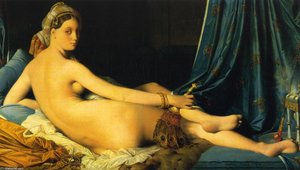
- グランド・オダリスク (1814)
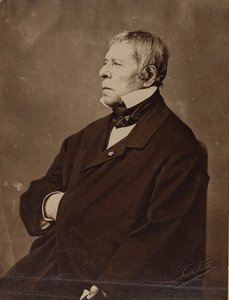
イングレス
1780 - 1867 , フランス
基本情報
- フルネーム: ジャン=オーギュスト・ドミニク・アングル
- 主な作品:
- アガメムノンの使者
- ルイ13世の誓い
- ベルタン氏の肖像
- トルコ風呂
- 出生地: モンタウバン、フランス
- 国籍: フランス人
- 影響を与えたアーティスト:
- アンリ・マティス
- パブロ・ピカソ
- 影響を受けたアーティスト:
- ラファエロ
- ニコラ・プーサン
- ジャック=ルイ・ダヴィッド
- 死亡年月日: 1867年1月14日
- 生年月日: 1780年8月29日
- 芸術運動またはスタイル: 新古典主義
関連記事
19th Century Masterpieces: 10 Paintings That Defined an Era | ArtsDot
Journey through 19th century art with ArtsDot! Explore 10 iconic paintings – from Monet & Renoir to Courbet – and discover the stories behind Romanticism, Realism & Impressionism. Find museum-quality reproductions for your home decor. Explore the full collection online!
至高の芸術:新古典主義を象徴する10選 – 華麗なる巨匠と時代を彩る傑作の世界
新古典主義を代表する10選!ダビッド、アンジェリカーら巨匠の傑作を紐解き、時代を超えた美と知性を探求。油絵、版画など高精細なアートプリントで、お部屋を華やかに彩りませんか?ArtsDot.comで至高の芸術を体験してください。
高級デザインにおけるフレスコ画の隆盛:壁画芸術の再興と新たな表現
ホテルデザインを格上げするフレスコ画の魅力とは?古代から現代までの歴史、技法、デザインプロセスを解説。ArtsDot.comでカスタムオーダーも可能です。空間を彩る壁画芸術の世界をご体験ください。
Transforming Spaces: A Comprehensive Exploration of Wall Decor Through Art History & Contemporary Practice
Explore the art of transforming spaces with our comprehensive guide to wall decor. From historical movements to contemporary trends, discover how to curate impactful interiors and commission bespoke artwork for a truly personalized aesthetic.
Émile Jean Horace Vernet: Romantic Realism & Depicting 19th-Century Life
Explore the life & art of Émile Jean Horace Vernet, a master of Romantic Realism. Discover his captivating battle scenes, portraits, and Orientalist works – a window into 19th-century France. Learn about his techniques & enduring legacy.