

 プレビュー
プレビュー
 プリントを購入
 シェアする
シェアする シェアする
シェアする
 詳細を見る
詳細を見る

 ダウンロード
 似ている作品
 X線調査
X線調査 スライドショー
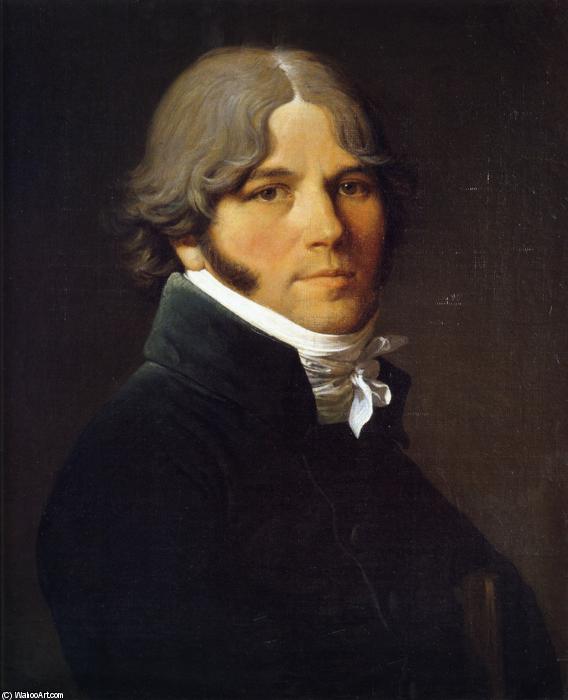
Jean-Marie-Joseph Ingres
 Oil On Canvas
- WallArt
- Neoclassical Style
 1804
1804 55.0 x 47.0 cm
 Musée Ingres Bourdelle
 詳細を見る
詳細を見る
オンラインプレビューをはるかに凌ぐ、高解像度で鮮明なデジタル画像をご購入いただけます。
各ファイルは、社内の専門家が高度なツールと熟練した手作業によるレタッチを用いて、細心の注意を払って準備されています。すべての画像において、卓越した鮮明度、正確な色彩再現性、そして繊細なディテールを保証いたします。
最終ファイルは、プロフェッショナルな編集・印刷環境ですぐにご利用いただけるよう最適化された状態で、72時間以内にメールにてお届けいたします。これは、一流のデザインスタジオ、出版社、ギャラリーから信頼されているものと同等の品質です。
デジタル画像のご注文に付随する特典
高品質なデジタル画像配信を、確かな品質で。
ArtsDot.com を選ぶことは、単に画像を手に入れることではありません。それは、プロの手によって精密に仕上げられ、満足保証が付いた高品質なデジタルアートワークを受け取ることを意味します。ご注文いただいた際に自動的に付随する内容は、以下の通りです:

メールですぐにお届け
ご注文から72時間以内に、高解像度のデジタル画像ファイルがメールでお手元に届きます。すぐにそのままご利用いただけます。

AI技術で最適化されたデジタルファイル
お客様の作品は、高度なAIツールと専門家による手作業の編集を組み合わせてプロフェッショナルに最適化されており、細部のディテール、鮮明さ、そして正確な色再現性を最大限に引き出しています。

一生涯無料の再送サービス
ファイルを誤って削除したり、紛失してしまったりしましたか?ご安心ください。いつでも無料で再送いたします。

輸入手数料は一切かかりません
関税や手数料、配送料を気にすることなく、お気に入りのアートワークをすぐにお楽しみいただけます。デジタルダウンロードは常に免税です。

色彩再現の保証
プロ仕様のツールとカラーマネジメント技術を用いることで、デジタル画像が元の色を最大限に忠実に再現することを保証いたします。

60日間満足保証
ご購入いただいたデジタル画像にご満足いただけない場合は、60日以内であれば、修正または100%の返金(理由を問う必要はありません)をさせていただきます。

100% 返金保証
ご満足いただけない場合は、デジタルファイルを受け取ってから60日以内であれば、理由を問わず全額返金いたします。

まとめ買い割引
3枚購入で10%OFF - 5枚購入で15%OFF - 10枚以上購入で20%OFF。クリエイティブなプロジェクト、ギャラリー、エージェンシーに最適です。
作品の詳細
Jean Auguste Dominique Ingres: A Titan of Neoclassicism
Jean Auguste Dominique Ingres (1780 – 1867) stands as one of the most influential figures in French art history, a painter whose unwavering devotion to classical ideals cemented his place among the giants of the Romantic era. More than simply replicating artistic traditions of antiquity; Ingres engaged in a profound dialogue with them, forging a style that would both define an aesthetic movement and subtly foreshadow the radical transformations unfolding at the time.
- Early Influences: Born into a family steeped in artistic pursuits—his father, Jean-Marie-Joseph Ingres, was himself a sculptor and painter—Ingres’ formative years instilled within him a deep appreciation for form and meticulous craftsmanship. This foundational training propelled him toward the Académie Royale de Peinture, Sculpture et Architecture in Toulouse, where he honed his skills under the watchful eye of Jean Briant and Guillaume-Joseph Roques – Roques' fervent admiration for Raphael proving particularly decisive.
- The Prix de Rome and Artistic Vision: Ingres’ triumph at the Prix de Rome in 1802—winning with “Napoleon I on His Imperial Throne”—marked a pivotal moment, securing him patronage and establishing his stylistic trajectory. This commission solidified his conviction that history painting represented the pinnacle of artistic achievement, mirroring the aspirations of Nicolas Poussin and Jacques-Louis David.
- Rome: A Crucible of Style: Ingres’ residency in Rome from 1806 to 1824 proved transformative. During this period he immersed himself in the glories of Renaissance art, absorbing influences from Raphael, Michelangelo Buonarroti, and Andrea Pozzo—artists whose mastery of disegno (drawing) profoundly impacted his approach to composition and execution. His studio became a laboratory for experimentation, producing preparatory drawings that reveal the meticulous process by which he wrestled with artistic challenges.
The Style of Ingres: Precision and Ideal Beauty
Ingres’ distinctive style—characterized by unwavering geometric precision, subtle color palettes, and an almost sculptural quality—became synonymous with Neoclassicism. Rejecting the expressive turbulence of Romanticism, he sought to recapture the serenity and rationality of antiquity, prioritizing clarity of form over emotional intensity. His canvases are imbued with a sense of timeless elegance, reflecting his belief that art should aspire to embody universal truths rather than fleeting sensations.
- Geometric Composition: Ingres’ compositions frequently employed strict geometric principles—circles, squares, and rectangles—to create harmonious visual balances. This deliberate structuring mirrored the architectural ideals of classical Greece and Rome, conveying a sense of order and grandeur.
- Color Palette: Unlike the vibrant hues favored by Romantic painters, Ingres utilized muted tones—primarily ochre, umber, and ivory—to achieve a luminous effect that emphasized tonal gradations. This restrained palette contributed to the painting’s contemplative mood and underscored its focus on idealized beauty.
- Meticulous Detail: Ingres' technique demanded painstaking attention to detail—from the rendering of drapery folds to the subtle nuances of skin texture—resulting in canvases that possess an astonishing level of realism. This meticulous craftsmanship served not merely to reproduce visual appearances but also to convey a profound understanding of human anatomy and sculptural form.
Notable Works: Reflections of Classical Ideals
Ingres’ artistic legacy extends beyond his stylistic innovations; it resides in the enduring power of his paintings—particularly “Napoleon I on His Imperial Throne” and “The Apotheosis of Homer”—to evoke profound emotional responses. These monumental canvases exemplify Ingres' commitment to portraying heroic figures with dignity and grandeur, reflecting the humanist values championed by Neoclassical thinkers.
- “Napoleon I on His Imperial Throne”: This iconic portrait captures Napoleon’s regal bearing and conveys an aura of imperial authority through masterful use of pyramidal composition and subtle tonal modulation.
- “The Apotheosis of Homer”: Considered Ingres' masterpiece, this monumental canvas depicts Homer—the poet whose epic poems inspired generations of artists—receiving honors from the gods. Its idealized depiction of human form embodies Ingres’ belief in the transformative power of art to elevate the human spirit.
Legacy and Influence
Jean Auguste Dominique Ingres' influence reverberates throughout subsequent artistic movements, notably Impressionism and Cubism. Artists such as Henri Matisse and Pablo Picasso acknowledged Ingres’ pioneering exploration of form and space—concepts that challenged the conventions of traditional painting—inspiring them to pursue radically new aesthetic directions. His unwavering devotion to classical principles served as a counterpoint to the expressive fervor of Romanticism, establishing Ingres as an enduring symbol of artistic integrity and intellectual rigor.
Discover more about Jean Auguste Dominique Ingres’ life and work on Wikipedia and explore reproductions of his paintings at ArtsDot.com.
関連作品
作家の略歴
線と形態の遺産:ジャン=オーギュスト・ドミニク・アングルの世界
ジャン=オーギュスト・ドミニク・アングルという名は、新古典主義の精密さと、まるで彫刻のような絵画への接近法を象徴する言葉です。1780年にフランスのモントバールで生まれ、彼の芸術的遍歴は、古典的な理想への揺るぎない献身と、芽生える官能性、そして慣習に挑戦しようとする意志によって彩られています。アングルは単に過去を複製しただけでなく、それとの深遠な対話を行い、時代を定義するとともに未来の革命を予感させるスタイルを築き上げました。
彼の初期の人生は、将来的な芸術的追求のための確固たる基盤を提供しました。父親のジャン=マリー・ジョゼフ・アングルもまた画家であり彫刻家であり、幼いドミニクに幼い頃から形態と技術への愛を植え付けました。この最初の訓練に続き、彼はトゥールーズのアカデミー・ロワイヤル・ド・ペinture、彫刻、建築で学び、ギヨーム=ジョゼフ・ロックの下でスキルを磨きました。しかし、1797年にパリに移り、ジャック=ルイ・ダヴィッドの下で修行したことが、彼の道を真に決定づけました。新古典主義の第一人者であったダヴィッドは、厳格な規律と、線、形態、歴史的題材を重視する姿勢を彼に与え、これらの原則はアングルのキャリアを通して彼の作品の中心となりました。
理想美への探求
アングルの芸術哲学は、イタリア・ルネサンスの巨匠に対する深い賞賛に基づいています。特にラファエロは絶え間ないインスピレーションの源でした。彼は線が形態を定義し感情を伝える力に信じており、単なる表現を超越した理想化された美を追求しました。この探求は、1801年に彼に名声をもたらした『アガメムノンの使者、アキレウスのテントにて』に見られます。この絵画は、彼の細部への綿密な注意、正確な線描技術、そして明確な物語的焦点—新古典主義様式の特徴—を示しています。
しかし、アングルは単なる模倣者ではありませんでした。彼は徐々に独自の声を開発し、古典的な原則に独特の官能性と心理的洞察力を融合させました。彼の肖像画は特にこの進化を実証しています。新古典主義の特徴である形式的な優雅さを維持しながら、彼は形態や空間を微妙に歪め、後のキュビスムのような表現主義的な変形を予感させる、不安でありながらも魅惑的な効果を生み出しました。『ミスター・ベルタンの肖像』(1833-1834)は、長く伸びた手と強烈な視線が特徴で、この革新的なアプローチの好例です。
歴史を超えて:オリエンタリズムと晩年の傑作
『ルイ13世の誓い』(1827)のような歴史的および神話画で高く評価されている一方で、アングルは他のジャンルも探求しました。特にオリエンタリズムが顕著です。エキゾチックな場面や女性ヌードの描写、例えば驚くべき83歳という年齢で完成した『トルコ風呂』(1862)は、官能的で神秘的なものへの魅力を明らかにしています。これらの作品は、理想化された表現に対して批判されることもありますが、彼の実験と境界線を押し広げる意欲を継続的に示しています。
アングルの後期キャリアは、変化する芸術的状況の中で展開しました。ロマン主義の台頭が新古典主義の支配に挑戦しましたが、アングルは古典的な理想への献身を揺るぎなく保ちながら、彼の作品の中にロマン主義的な感受性を組み込みました。彼は次世代のアーティストたちを形作り、伝統と現代性との間の架け橋としての地位を確固たるものにする、非常に影響力のある教師となりました。
永続的な影響
ジャン=オーギュスト・ドミニク・アングルは1867年にパリで亡くなり、今日まで共鳴し続ける遺産を残しました。彼の線、形態、そして理想化された美への重点は、世代を超えたアーティストたちに深く影響を与えました。驚くべきことに、彼の作品は、ラディカルな異なるスタイルを支持した芸術家たちさえ魅了しました—アンリ・マティスやパブロ・ピカソは、彼の古典的な形態に活力と感情を吹き込む革新的なアプローチを賞賛しました。
アングルの絵画は今では世界中の主要な美術館に収蔵されており、彼の不朽の芸術的ビジョンへの証となっています。彼は芸術史における重要な人物であり続けています—過去の伝統を守るだけでなく、未来への道を開いた巨匠です。彼の作品は、美の本質、線の力、そして古典的な理想の時代を超越した魅力について考察するよう私たちを誘います。
主な作品
- アガメムノンの使者、アキレウスのテントにて (1801)
- ルイ13世の誓い (1827)
- ミスター・ベルタンの肖像 (1833-1834)
- トルコ風呂 (1862)
- グランド・オダリスク (1814)
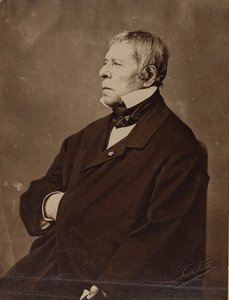
イングレス
1780 - 1867 , フランス
プロフィール概要
- フルネーム: ジャン=オーギュスト・ドミニク・アングル
- 主な作品:
- アガメムノンの使者
- ルイ13世の誓い
- ベルタン氏の肖像
- トルコ風呂
- 出生地: モンタウバン、フランス
- 国籍: フランス人
- 影響を与えたアーティスト:
- アンリ・マティス
- パブロ・ピカソ
- 影響を受けたアーティスト:
- ラファエロ
- ニコラ・プーサン
- ジャック=ルイ・ダヴィッド
- 死亡年月日: 1867年1月14日
- 生年月日: 1780年8月29日
- 芸術運動またはスタイル: 新古典主義

