 プレビュー
プレビュー
 シェアする
シェアする シェアする
シェアする
 詳細を見る
詳細を見る

 ダウンロード
 似ている作品
 X線調査
X線調査 スライドショー
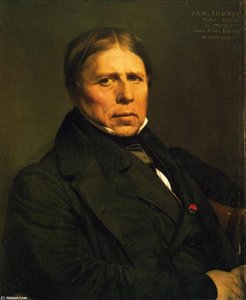
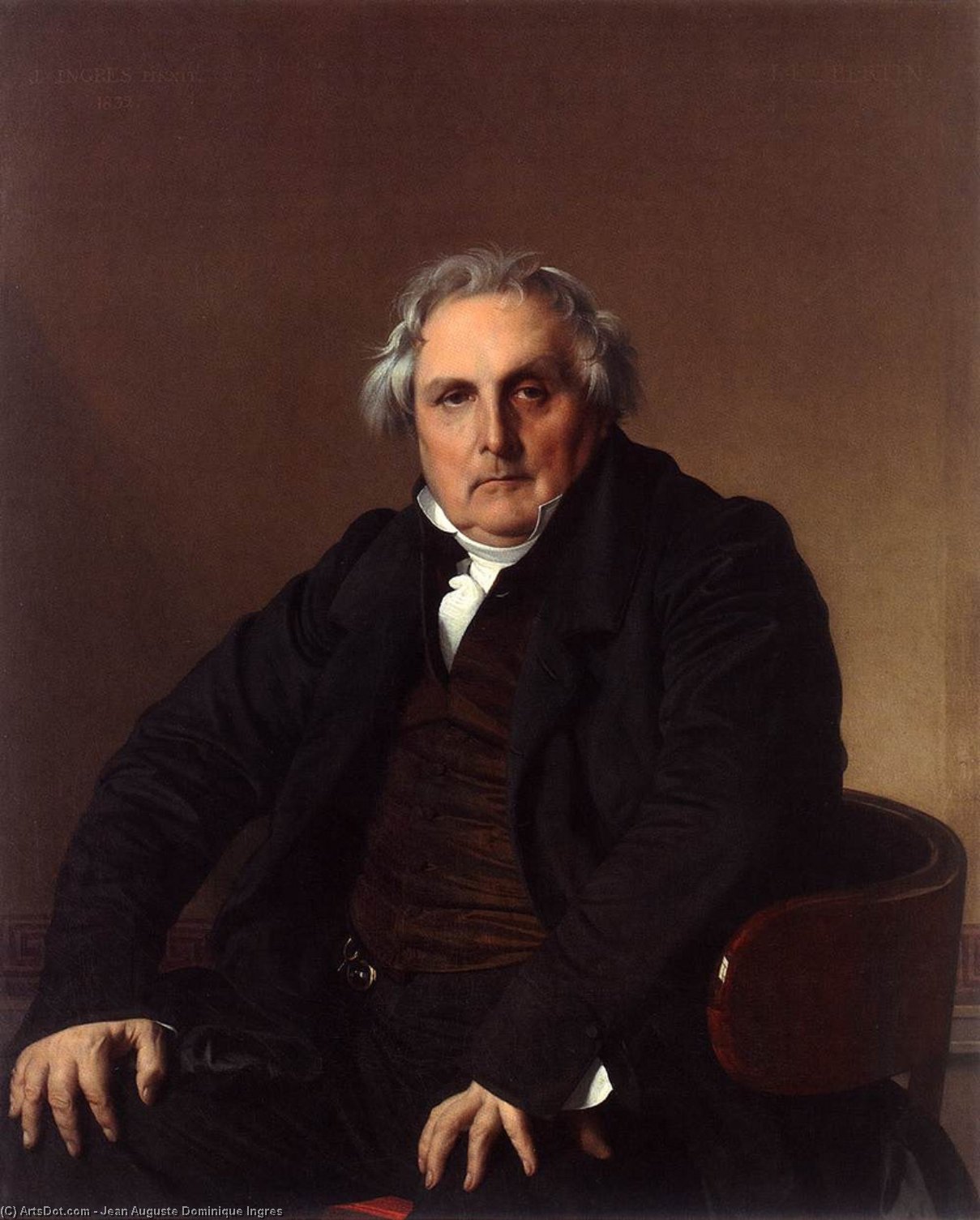
Monsieur Bertin
 Oil On Canvas
- WallArt
- Neoclassical Precision
 1832
1832- 19th Century
 116.0 x 95.0 cm
 ルーブル美術館
 詳細を見る
詳細を見る
ジークレー/アートプリント
迅速な制作と多彩な仕上げオプションを備えた、ミュージアムクオリティのジークレーまたはキャンバスプリント。 ( 手描きの絵画を購入 画像を購入)




P118B $10

P118H $10

P118W $10

P438Z $10

P508JH $12

P508YH $12

P805H $10

P805Z $10

P919BZ $10

P919G $10

P919XJ $10

P959ZH $10

P968JZ $12

W106C $8

W218G $10

W218JH $8

W218Y $10

W307PJ $10

W316G $10

W316PJ $8

W316Y $10

W398PJ $8

W4111J $10

W500HY $15

W500JH $15

W692G $12

W849H $8

W940BG $15

W953PJ $8




作品のオリジナル比率に合わせた、当店の規定サイズからお選びください。

特定のフレームやスペースに合わせて、ご自身でサイズを指定することも可能です。選択されたサイズが元の画像の比率と一致しない場合、作品をトリミングするか、鏡面反射または単色での塗りつぶしによって画像を拡張いたします。制作を開始する前に、ご確認用のデジタルモックアップをお送りいたします。
画面上のプレビューには、実際のトリミングや拡張は反映されませんのでご注意ください。最終的な構図を正確に確認できるのは、モックアップのみとなります。
カスタムサイズも承っておりますが、元の比率を維持するためには、あらかじめ用意されたリストからサイズを選択することをお勧めいたします。


 ガラスオプションは、110cm未満のサイズでのみご利用いただけます。

Monsieur Bertin
ジークレー/アートプリント
複製画のサイズ
-


合計金額
$ 62
作品詳細説明
The Essence of Neoclassical Dignity
In the grand tapestry of nineteenth-century portraiture, few works command the room with such quiet authority as Jean-Auguste-Dominique Ingres’s “Monsieur Bertin.” Painted in 1832, this masterpiece transcends the boundaries of a mere likeness, offering instead a profound study in human character and Neoclassical restraint. The subject, Louis-François Bertin—a formidable figure of the French upper-middle class, writer, and influential director of the Journal des débats—is captured not in a moment of dramatic action, but in a state of monumental stillness. Seated with hands clasped firmly, his gaze directed outward yet seemingly lost in deep contemplation, Bertin becomes an icon of stability and intellectual weight. For the discerning collector or interior designer, this painting serves as a powerful focal point, bringing an air of timeless sophistication and gravitas to any curated space.
The emotional resonance of the piece lies in its ability to evoke a sense of permanence. There is a palpable tension between the man's physical solidity and the psychological depth suggested by his expression. One does not merely look at Monsieur Bertin; one feels the weight of his presence. This creates an atmosphere of serious, thoughtful introspection that can transform a room from a simple living area into a sanctuary of culture and reflection.
A Masterclass in Line and Texture
Technically, “Monsieur Bertim” is a triumph of Ingres’s signature approach to form. As a staunch defender of academic orthodoxy, Ingres prioritized the purity of line and the precision of anatomical accuracy, drawing inspiration from the masters like Raphael and Michelangelo. In this work, his brushwork is nearly invisible, replaced by a seamless sfumato technique that softens contours while maintaining an incredible sense of three-dimensional volume. The way light interacts with the various surfaces in the composition demonstrates a virtuoso level of skill.
Observe the meticulous rendering of textures: the crisp, starched quality of the white shirt, the heavy, tactile folds of the dark frock coat, and the subtle sheen of the silk tie. These details are not merely decorative; they contribute to the overall impression of a man of substance and material success. The artist’s ability to manipulate oil paint to mimic the weight of fabric and the smoothness of skin provides a level of realism that makes the portrait feel remarkably alive. For those seeking a high-quality reproduction, these fine details are what allow the artwork to retain its breathtaking impact when displayed on a wall, capturing the light and texture of the original canvas.
Historical Resonance and Interior Inspiration
To understand “Monsieur Bertin” is to understand the shifting tides of French society during the post-Enlightenment era. The painting emerged at a time when the rising bourgeoisie was asserting its influence, embodying the values of reason, commerce, and social order. Ingres captures this historical moment by presenting Bertin as a personification of the era's burgeoning professional class—composed, powerful, and intellectually engaged. This historical depth adds a layer of narrative richness to the artwork, making it more than just a beautiful object; it is a window into a vanished world.
When integrating such a piece into modern interior design, one can play with the contrast between its classical rigidity and contemporary minimalism. The painting’s neutral yet deep color palette—dominated by blacks, whites, and subtle earth tones—allows it to harmonize beautifully with a wide range of decor styles, from traditional mahogany-filled libraries to sleek, modern lofts. It acts as an anchor, providing a sense of historical continuity and intellectual prestige. Whether placed in a formal study or as a bold statement in a contemporary dining room, “Monsieur Bertin” invites conversation and inspires a profound appreciation for the enduring power of classical beauty.
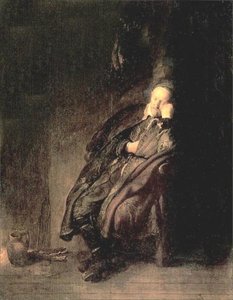
アーティストの略歴
線と形態の遺産:ジャン=オーギュスト・ドミニク・アングルの世界
ジャン=オーギュスト・ドミニク・アングルという名は、新古典主義の精密さと、まるで彫刻のような絵画への接近法を象徴する言葉です。1780年にフランスのモントバールで生まれ、彼の芸術的遍歴は、古典的な理想への揺るぎない献身と、芽生える官能性、そして慣習に挑戦しようとする意志によって彩られています。アングルは単に過去を複製しただけでなく、それとの深遠な対話を行い、時代を定義するとともに未来の革命を予感させるスタイルを築き上げました。
彼の初期の人生は、将来的な芸術的追求のための確固たる基盤を提供しました。父親のジャン=マリー・ジョゼフ・アングルもまた画家であり彫刻家であり、幼いドミニクに幼い頃から形態と技術への愛を植え付けました。この最初の訓練に続き、彼はトゥールーズのアカデミー・ロワイヤル・ド・ペinture、彫刻、建築で学び、ギヨーム=ジョゼフ・ロックの下でスキルを磨きました。しかし、1797年にパリに移り、ジャック=ルイ・ダヴィッドの下で修行したことが、彼の道を真に決定づけました。新古典主義の第一人者であったダヴィッドは、厳格な規律と、線、形態、歴史的題材を重視する姿勢を彼に与え、これらの原則はアングルのキャリアを通して彼の作品の中心となりました。
理想美への探求
アングルの芸術哲学は、イタリア・ルネサンスの巨匠に対する深い賞賛に基づいています。特にラファエロは絶え間ないインスピレーションの源でした。彼は線が形態を定義し感情を伝える力に信じており、単なる表現を超越した理想化された美を追求しました。この探求は、1801年に彼に名声をもたらした『アガメムノンの使者、アキレウスのテントにて』に見られます。この絵画は、彼の細部への綿密な注意、正確な線描技術、そして明確な物語的焦点—新古典主義様式の特徴—を示しています。
しかし、アングルは単なる模倣者ではありませんでした。彼は徐々に独自の声を開発し、古典的な原則に独特の官能性と心理的洞察力を融合させました。彼の肖像画は特にこの進化を実証しています。新古典主義の特徴である形式的な優雅さを維持しながら、彼は形態や空間を微妙に歪め、後のキュビスムのような表現主義的な変形を予感させる、不安でありながらも魅惑的な効果を生み出しました。『ミスター・ベルタンの肖像』(1833-1834)は、長く伸びた手と強烈な視線が特徴で、この革新的なアプローチの好例です。
歴史を超えて:オリエンタリズムと晩年の傑作
『ルイ13世の誓い』(1827)のような歴史的および神話画で高く評価されている一方で、アングルは他のジャンルも探求しました。特にオリエンタリズムが顕著です。エキゾチックな場面や女性ヌードの描写、例えば驚くべき83歳という年齢で完成した『トルコ風呂』(1862)は、官能的で神秘的なものへの魅力を明らかにしています。これらの作品は、理想化された表現に対して批判されることもありますが、彼の実験と境界線を押し広げる意欲を継続的に示しています。
アングルの後期キャリアは、変化する芸術的状況の中で展開しました。ロマン主義の台頭が新古典主義の支配に挑戦しましたが、アングルは古典的な理想への献身を揺るぎなく保ちながら、彼の作品の中にロマン主義的な感受性を組み込みました。彼は次世代のアーティストたちを形作り、伝統と現代性との間の架け橋としての地位を確固たるものにする、非常に影響力のある教師となりました。
永続的な影響
ジャン=オーギュスト・ドミニク・アングルは1867年にパリで亡くなり、今日まで共鳴し続ける遺産を残しました。彼の線、形態、そして理想化された美への重点は、世代を超えたアーティストたちに深く影響を与えました。驚くべきことに、彼の作品は、ラディカルな異なるスタイルを支持した芸術家たちさえ魅了しました—アンリ・マティスやパブロ・ピカソは、彼の古典的な形態に活力と感情を吹き込む革新的なアプローチを賞賛しました。
アングルの絵画は今では世界中の主要な美術館に収蔵されており、彼の不朽の芸術的ビジョンへの証となっています。彼は芸術史における重要な人物であり続けています—過去の伝統を守るだけでなく、未来への道を開いた巨匠です。彼の作品は、美の本質、線の力、そして古典的な理想の時代を超越した魅力について考察するよう私たちを誘います。
主な作品
- アガメムノンの使者、アキレウスのテントにて (1801)
- ルイ13世の誓い (1827)
- ミスター・ベルタンの肖像 (1833-1834)
- トルコ風呂 (1862)
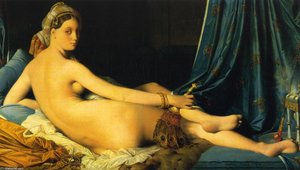
- グランド・オダリスク (1814)
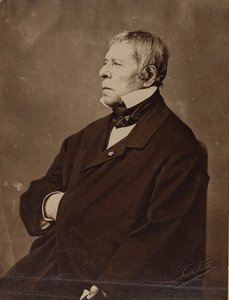
イングレス
1780 - 1867 , フランス
基本情報
- フルネーム: ジャン=オーギュスト・ドミニク・アングル
- 主な作品:
- アガメムノンの使者
- ルイ13世の誓い
- ベルタン氏の肖像
- トルコ風呂
- 出生地: モンタウバン、フランス
- 国籍: フランス人
- 影響を与えたアーティスト:
- アンリ・マティス
- パブロ・ピカソ
- 影響を受けたアーティスト:
- ラファエロ
- ニコラ・プーサン
- ジャック=ルイ・ダヴィッド
- 死亡年月日: 1867年1月14日
- 生年月日: 1780年8月29日
- 芸術運動またはスタイル: 新古典主義
関連記事
Mastering Minimalist Elegance: An Expert Decorator’s Guide to Transforming Spaces with Modern Line Art
Elevate your interior design projects with the effortless sophistication of modern line art. Our expert guide explores how minimalist contours and custom-made masterpieces can transform any space into a curated sanctuary. Discover professional tips for creating impactful, elegant walls.
10 Iconic Neoclassical Masterpieces That Changed Art History Forever
Journey through history with 10 Neoclassical masterpieces. From Jacques-Louis David to Ingres, explore the stories behind these timeless icons. Find museum-quality art reproductions and elegant decor inspiration at ArtsDot.com. Discover all masterpieces on ArtsDot.com
ジェームズ・マクニール・ホイストラー:至高の25選 - 美と調和を求めた芸術家の軌跡 | ArtsDot
ジェームズ・マクニール・ホイストラーの至高の25選。ノクターン、印象派、美しい色彩に満ちた作品群を紐解きます。ArtsDotで高品質なアートプリントとインテリアをお楽しみください。名画の世界へ – ArtsDot.com
Serene Masterpieces: 10 Artworks for Peaceful Decor |
Find peace with 10 serene masterpieces! Explore calming landscapes by Monet & Van Gogh, tranquil Japanese art like Hokusai’s Great Wave, and more. Discover the stories behind these iconic paintings & bring museum-quality art to your home with . Explore the full collection online.
レオナルド・ダ・ヴィンチ:至高の25選 - 芸術、科学、そして不朽の名作の世界
レオナルド・ダ・ヴィンチの至宝25選。モナリザ、最後の晩餐…ルネサンス美術を代表する名画の世界へ。芸術史、技法、そして感動の物語を紐解き、お部屋に飾る高級複製画で特別な空間を。ArtsDot.comで全コレクションをご覧ください。