 プレビュー
プレビュー
 シェアする
シェアする シェアする
シェアする
 詳細を見る
詳細を見る

 ダウンロード
 似ている作品
 X線調査
X線調査 スライドショー
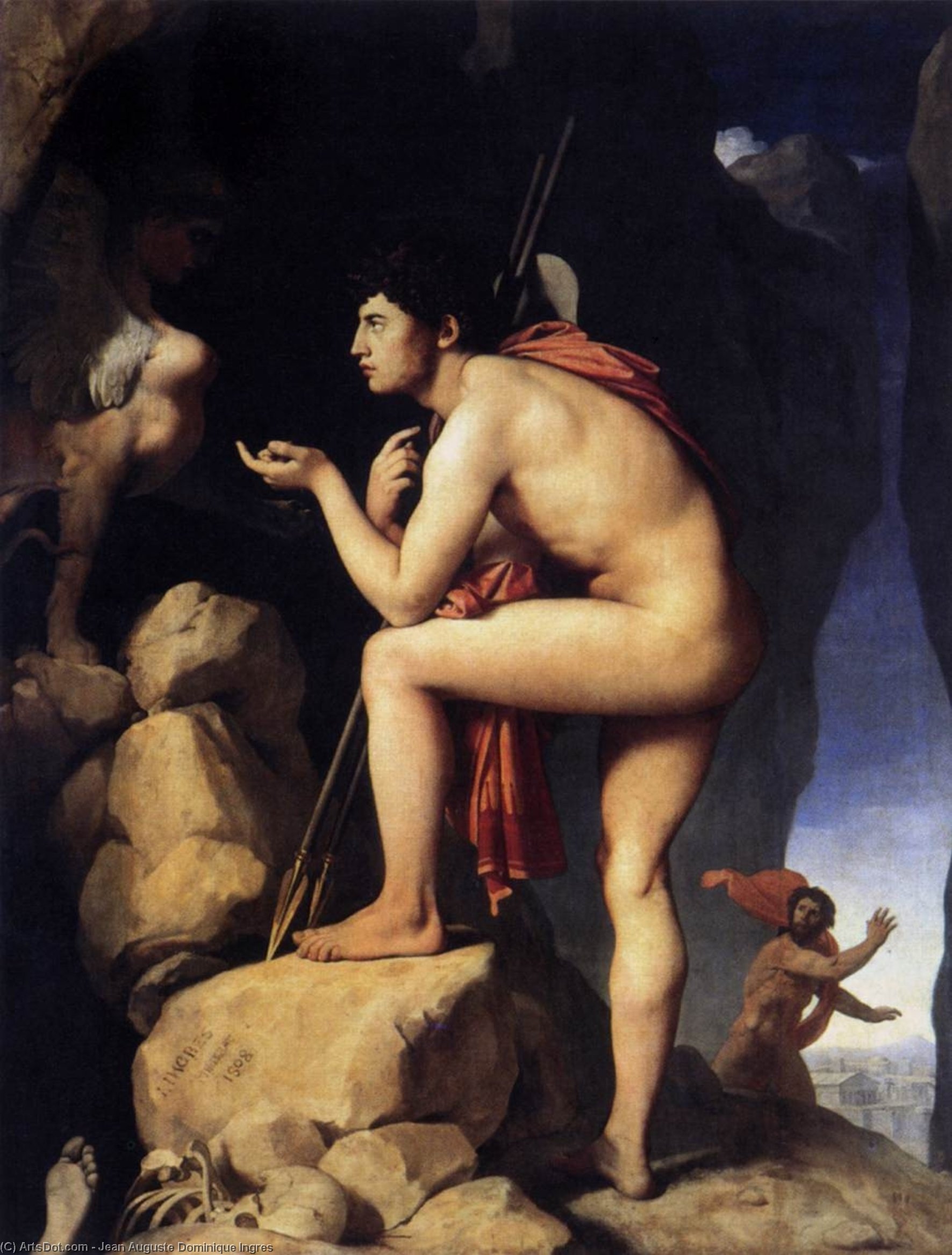
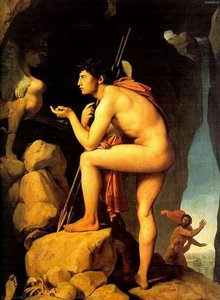
Oedipus and the Sphynx
 Oil On Canvas
- WallArt
- Neoclassical Precision
 1808
1808- 19th Century
 189.0 x 144.0 cm
 ルーブル美術館
 詳細を見る
詳細を見る
ジークレー/アートプリント
迅速な制作と多彩な仕上げオプションを備えた、ミュージアムクオリティのジークレーまたはキャンバスプリント。 ( 手描きの絵画を購入 画像を購入)




P118B $10

P118H $10

P118W $10

P438Z $10

P508JH $12

P508YH $12

P805H $10

P805Z $10

P919BZ $10

P919G $10

P919XJ $10

P959ZH $10

P968JZ $12

W106C $8

W218G $10

W218JH $8

W218Y $10

W307PJ $10

W316G $10

W316PJ $8

W316Y $10

W398PJ $8

W4111J $10

W500HY $15

W500JH $15

W692G $12

W849H $8

W940BG $15

W953PJ $8




作品のオリジナル比率に合わせた、当店の規定サイズからお選びください。

特定のフレームやスペースに合わせて、ご自身でサイズを指定することも可能です。選択されたサイズが元の画像の比率と一致しない場合、作品をトリミングするか、鏡面反射または単色での塗りつぶしによって画像を拡張いたします。制作を開始する前に、ご確認用のデジタルモックアップをお送りいたします。
画面上のプレビューには、実際のトリミングや拡張は反映されませんのでご注意ください。最終的な構図を正確に確認できるのは、モックアップのみとなります。
カスタムサイズも承っておりますが、元の比率を維持するためには、あらかじめ用意されたリストからサイズを選択することをお勧めいたします。


 ガラスオプションは、110cm未満のサイズでのみご利用いただけます。

Oedipus and the Sphynx
ジークレー/アートプリント
複製画のサイズ
-


合計金額
$ 62
作品詳細説明
A Confrontation of Fate and Intellect
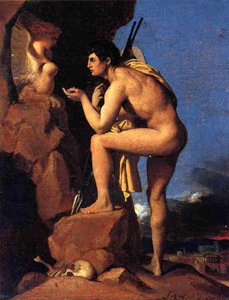
In the grand theater of Neoclassical art, few moments capture the tension between human intellect and primordial mystery as poignantly as Jean-Auguste-Dominique Ingres’s Oedipus and the Sphinx. Painted in 1808, this monumental work serves as a breathtaking introduction to one of the nineteenth century's most formidable masters. The scene captures the legendary hero Oedipus at a pivotal crossroads of destiny, standing before the enigmatic, predatory Sphinx. As he prepares to face the creature’s riddle, there is an palpable stillness in the air—a heavy, expectant silence that precedes the resolution of a life-altering struggle. For the discerning collector, this painting offers more than mere mythological illustration; it provides a window into the very soul of classical heroism, where every line and shadow contributes to a narrative of profound psychological depth.
The composition is a masterclass in balanced tension. Ingres utilizes a rugged, almost sculptural landscape to frame the central drama, using a colossal boulder and sharp, rocky textures to ground the ethereal myth in a tangible, physical reality. The presence of two birds, perched quietly within the scene, adds a layer of watchful, naturalistic observation that contrasts with the monumental scale of the figures. This careful arrangement directs the viewer's eye toward the interaction between man and monster, creating a dynamic energy that remains contained within a perfectly harmonious structure. It is a piece that commands attention in any space, offering a focal point that is both intellectually stimulating and visually arresting.
The Precision of Neoclassical Mastery
To behold this masterpiece is to witness the triumph of line over color, a hallmark of Ingres’s devotion to academic orthodoxy. Eschewing the turbulent emotionalism of the burgeoning Romantic movement, Ingres instead embraced a technique defined by meticulous anatomical precision and a sculptural clarity. His use of sfumato—the subtle, smoky blending of tones—allows for an ethereal luminosity that softens the edges of the landscape while maintaining the sharp, definitive contours of the human form. This technical rigor ensures that every muscle, every fold of fabric, and every weathered stone is rendered with a clarity that feels almost hyper-real.
For interior designers and lovers of fine art, the aesthetic appeal of this work lies in its impeccable order and grace. The painting’s palette, while grounded in the earthy tones of an Egyptian landscape, possesses a sophisticated depth that can elevate the atmosphere of a room, lending it an air of timelessness and intellectual prestige. The way light dances across the surfaces of the figures suggests a world where reason and beauty are inextricably linked, making it an ideal centerpiece for collections that celebrate the enduring legacy of the Renaissance and Classical traditions.
Symbolism and the Human Condition
Beyond its technical brilliance, Oedipus and the Sphinx is a profound meditation on the human condition. The painting serves as an allegory for the struggle of the human mind to navigate the unpredictable riddles of existence. Oedipus represents the power of logic, courage, and self-discovery, while the Sphinx embodies the inscrutable forces of fate and the unknown. The inclusion of subtle details, such as the skeletal remains at the base of the composition, serves as a somber memento mori, reminding the viewer of the high stakes involved in the quest for truth. It is a narrative of triumph through intellect, yet one shadowed by the inevitability of destiny.
Owning or displaying a high-quality reproduction of this work allows one to invite this spirit of resilience and contemplative strength into their personal environment. Whether placed in a formal study, a grand gallery, or a sophisticated living space, the painting acts as a silent interlocutor, prompting reflection on the complexities of life, legacy, and the enduring power of the human will. It is not merely a depiction of a myth, but an invitation to engage with the eternal struggle between light and shadow, knowledge and mystery.
関連作品



アーティストの略歴
線と形態の遺産:ジャン=オーギュスト・ドミニク・アングルの世界
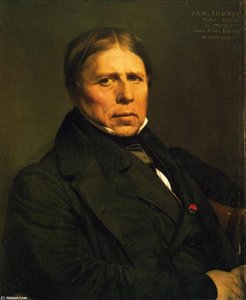
ジャン=オーギュスト・ドミニク・アングルという名は、新古典主義の精密さと、まるで彫刻のような絵画への接近法を象徴する言葉です。1780年にフランスのモントバールで生まれ、彼の芸術的遍歴は、古典的な理想への揺るぎない献身と、芽生える官能性、そして慣習に挑戦しようとする意志によって彩られています。アングルは単に過去を複製しただけでなく、それとの深遠な対話を行い、時代を定義するとともに未来の革命を予感させるスタイルを築き上げました。
彼の初期の人生は、将来的な芸術的追求のための確固たる基盤を提供しました。父親のジャン=マリー・ジョゼフ・アングルもまた画家であり彫刻家であり、幼いドミニクに幼い頃から形態と技術への愛を植え付けました。この最初の訓練に続き、彼はトゥールーズのアカデミー・ロワイヤル・ド・ペinture、彫刻、建築で学び、ギヨーム=ジョゼフ・ロックの下でスキルを磨きました。しかし、1797年にパリに移り、ジャック=ルイ・ダヴィッドの下で修行したことが、彼の道を真に決定づけました。新古典主義の第一人者であったダヴィッドは、厳格な規律と、線、形態、歴史的題材を重視する姿勢を彼に与え、これらの原則はアングルのキャリアを通して彼の作品の中心となりました。
理想美への探求
アングルの芸術哲学は、イタリア・ルネサンスの巨匠に対する深い賞賛に基づいています。特にラファエロは絶え間ないインスピレーションの源でした。彼は線が形態を定義し感情を伝える力に信じており、単なる表現を超越した理想化された美を追求しました。この探求は、1801年に彼に名声をもたらした『アガメムノンの使者、アキレウスのテントにて』に見られます。この絵画は、彼の細部への綿密な注意、正確な線描技術、そして明確な物語的焦点—新古典主義様式の特徴—を示しています。
しかし、アングルは単なる模倣者ではありませんでした。彼は徐々に独自の声を開発し、古典的な原則に独特の官能性と心理的洞察力を融合させました。彼の肖像画は特にこの進化を実証しています。新古典主義の特徴である形式的な優雅さを維持しながら、彼は形態や空間を微妙に歪め、後のキュビスムのような表現主義的な変形を予感させる、不安でありながらも魅惑的な効果を生み出しました。『ミスター・ベルタンの肖像』(1833-1834)は、長く伸びた手と強烈な視線が特徴で、この革新的なアプローチの好例です。
歴史を超えて:オリエンタリズムと晩年の傑作
『ルイ13世の誓い』(1827)のような歴史的および神話画で高く評価されている一方で、アングルは他のジャンルも探求しました。特にオリエンタリズムが顕著です。エキゾチックな場面や女性ヌードの描写、例えば驚くべき83歳という年齢で完成した『トルコ風呂』(1862)は、官能的で神秘的なものへの魅力を明らかにしています。これらの作品は、理想化された表現に対して批判されることもありますが、彼の実験と境界線を押し広げる意欲を継続的に示しています。
アングルの後期キャリアは、変化する芸術的状況の中で展開しました。ロマン主義の台頭が新古典主義の支配に挑戦しましたが、アングルは古典的な理想への献身を揺るぎなく保ちながら、彼の作品の中にロマン主義的な感受性を組み込みました。彼は次世代のアーティストたちを形作り、伝統と現代性との間の架け橋としての地位を確固たるものにする、非常に影響力のある教師となりました。
永続的な影響
ジャン=オーギュスト・ドミニク・アングルは1867年にパリで亡くなり、今日まで共鳴し続ける遺産を残しました。彼の線、形態、そして理想化された美への重点は、世代を超えたアーティストたちに深く影響を与えました。驚くべきことに、彼の作品は、ラディカルな異なるスタイルを支持した芸術家たちさえ魅了しました—アンリ・マティスやパブロ・ピカソは、彼の古典的な形態に活力と感情を吹き込む革新的なアプローチを賞賛しました。
アングルの絵画は今では世界中の主要な美術館に収蔵されており、彼の不朽の芸術的ビジョンへの証となっています。彼は芸術史における重要な人物であり続けています—過去の伝統を守るだけでなく、未来への道を開いた巨匠です。彼の作品は、美の本質、線の力、そして古典的な理想の時代を超越した魅力について考察するよう私たちを誘います。
主な作品
- アガメムノンの使者、アキレウスのテントにて (1801)
- ルイ13世の誓い (1827)
- ミスター・ベルタンの肖像 (1833-1834)
- トルコ風呂 (1862)
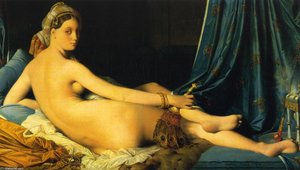
- グランド・オダリスク (1814)
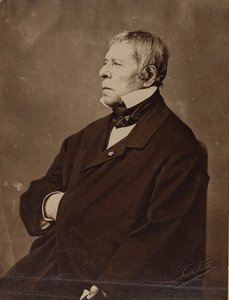
イングレス
1780 - 1867 , フランス
基本情報
- フルネーム: ジャン=オーギュスト・ドミニク・アングル
- 主な作品:
- アガメムノンの使者
- ルイ13世の誓い
- ベルタン氏の肖像
- トルコ風呂
- 出生地: モンタウバン、フランス
- 国籍: フランス人
- 影響を与えたアーティスト:
- アンリ・マティス
- パブロ・ピカソ
- 影響を受けたアーティスト:
- ラファエロ
- ニコラ・プーサン
- ジャック=ルイ・ダヴィッド
- 死亡年月日: 1867年1月14日
- 生年月日: 1780年8月29日
- 芸術運動またはスタイル: 新古典主義
関連記事
ルノワール傑作25選:光と色彩が織りなす印象派の華麗なる世界 | ArtsDot
ルノワールの傑作25選🎨 印象派の光と色彩が輝く世界へ。絵画の背景、技法、そして時代を超えて愛される理由を紐解きます。ArtsDotで高品質な複製画やインテリアアートを見つけ、お部屋に芸術的な彩りを✨ Explore the full collection online!
至高の芸術:新古典主義を象徴する10選 – 華麗なる巨匠と時代を彩る傑作の世界
新古典主義を代表する10選!ダビッド、アンジェリカーら巨匠の傑作を紐解き、時代を超えた美と知性を探求。油絵、版画など高精細なアートプリントで、お部屋を華やかに彩りませんか?ArtsDot.comで至高の芸術を体験してください。
Neo-Classicism's Greatest Hits: 10 Masterpieces for Your Home |
Journey through Neo-Classicism's finest! Explore 10 iconic masterpieces by David, Ingres & Canova. Discover art history, techniques & timeless beauty – perfect for inspiring your home decor. Find museum-quality reproductions at
Jean Dominique Antony Metzinger: Pioneering Cubism & the Evolution of Abstract Form
Explore the life & work of Jean Metzinger, a pivotal Cubist painter and theorist. Discover his innovations in proto-Cubism, 'Du Cubisme,' and Crystal Cubism – a journey through modern art's evolution.
Jean-Baptiste Carpeaux: Sculpting Passion & Controversy in 19th-Century France
Explore the passionate life & controversial works of Jean-Baptiste Carpeaux, a leading French sculptor of the Second Empire. Discover his realism, iconic sculptures like 'Ugolino,' and lasting legacy as a precursor to Rodin.