

 プレビュー
プレビュー
 シェアする
シェアする シェアする
シェアする
 詳細を見る
詳細を見る

 ダウンロード
 似ている作品
 X線調査
X線調査 スライドショー
 統計情報
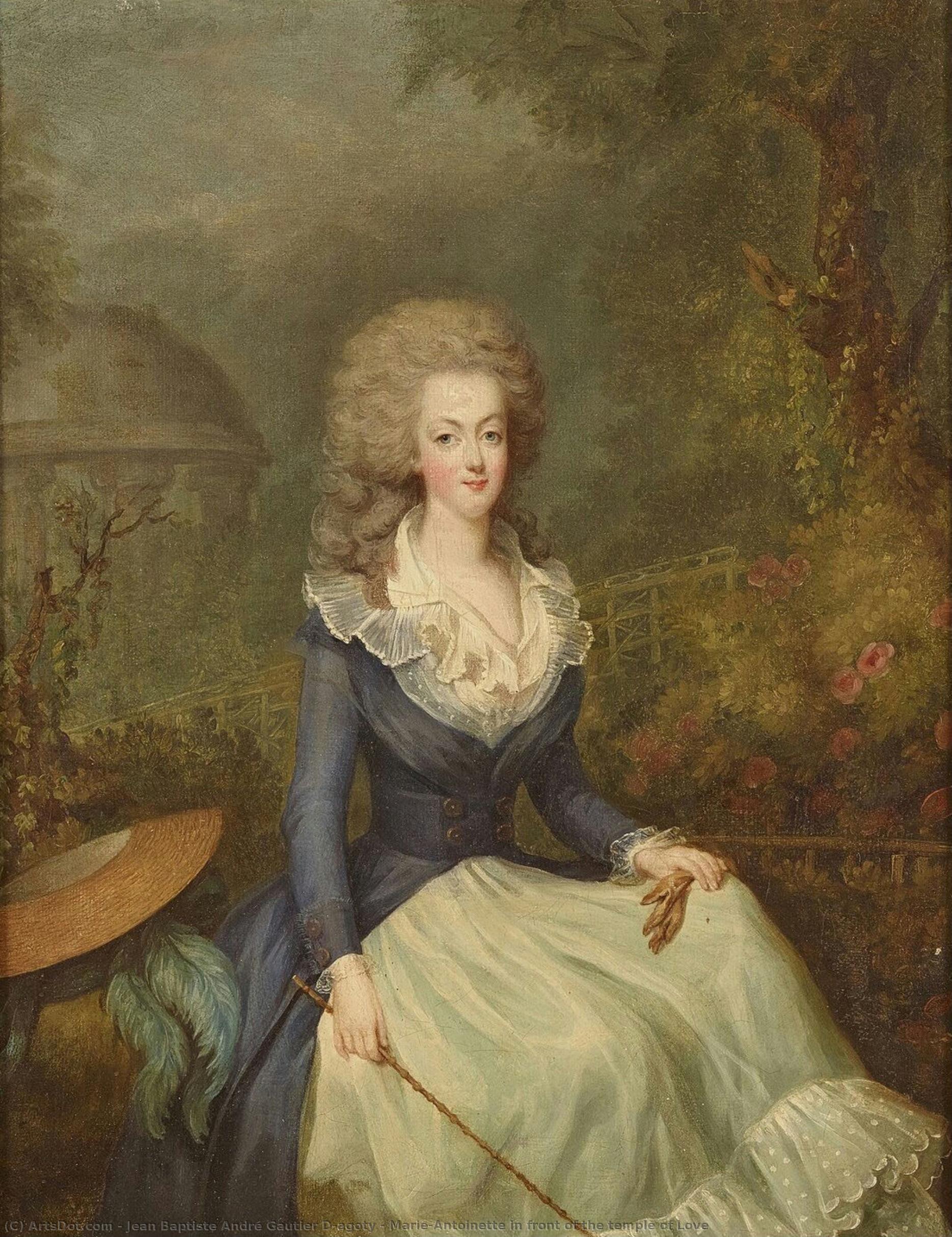
統計情報Marie-Antoinette in front of the temple of Love


 詳細を見る
詳細を見る
オンラインプレビューをはるかに凌ぐ、高解像度で鮮明なデジタル画像をご購入いただけます。
各ファイルは、社内の専門家が高度なツールと熟練した手作業によるレタッチを用いて、細心の注意を払って準備されています。すべての画像において、卓越した鮮明度、正確な色彩再現性、そして繊細なディテールを保証いたします。
最終ファイルは、プロフェッショナルな編集・印刷環境ですぐにご利用いただけるよう最適化された状態で、72時間以内にメールにてお届けいたします。これは、一流のデザインスタジオ、出版社、ギャラリーから信頼されているものと同等の品質です。
デジタルアート
個人での鑑賞、印刷、クリエイティブなプロジェクト用に、高解像度ファイルをダウンロードできます。 ( プリント版に切り替え 手描きの絵画を購入)
デジタル画像のご注文に付随する特典
高品質なデジタル画像配信を、確かな品質で。
ArtsDot.com を選ぶことは、単に画像を手に入れることではありません。それは、プロの手によって精密に仕上げられ、満足保証が付いた高品質なデジタルアートワークを受け取ることを意味します。ご注文いただいた際に自動的に付随する内容は、以下の通りです:

メールですぐにお届け
ご注文から72時間以内に、高解像度のデジタル画像ファイルがメールでお手元に届きます。すぐにそのままご利用いただけます。

AI技術で最適化されたデジタルファイル
お客様の作品は、高度なAIツールと専門家による手作業の編集を組み合わせてプロフェッショナルに最適化されており、細部のディテール、鮮明さ、そして正確な色再現性を最大限に引き出しています。

一生涯無料の再送サービス
ファイルを誤って削除したり、紛失してしまったりしましたか?ご安心ください。いつでも無料で再送いたします。

輸入手数料は一切かかりません
関税や手数料、配送料を気にすることなく、お気に入りのアートワークをすぐにお楽しみいただけます。デジタルダウンロードは常に免税です。

色彩再現の保証
プロ仕様のツールとカラーマネジメント技術を用いることで、デジタル画像が元の色を最大限に忠実に再現することを保証いたします。

100日間満足保証
ご購入いただいたデジタル画像にご満足いただけない場合は、100日以内であれば、理由を問わず修正または100%の返金対応をさせていただきます。

100% 返金保証
ご満足いただけない場合は、デジタルファイルを受け取ってから100日以内であれば、理由を問わず全額返金いたします。

まとめ買い割引
3枚購入で10%OFF - 5枚購入で15%OFF - 10枚以上購入で20%OFF。クリエイティブなプロジェクト、ギャラリー、エージェンシーに最適です。
Marie-Antoinette in Front of the Temple of Love – A Rococo Reverie
Jean Baptiste André Gautier d’Agoty's 1780 painting, “Marie-Antoinette in front of the Temple of Love,” is more than a portrait; it’s a carefully constructed tableau vivant, a glimpse into the opulent world and burgeoning romanticism of late 18th-century France. The artwork captures the Queen not as a stern ruler, but as a youthful, almost ethereal figure immersed within the meticulously designed gardens of her Petit Trianon retreat at Versailles. This intimate scene, rendered in the delicate pastel hues characteristic of Rococo style, speaks volumes about Marie Antoinette’s evolving role and personal desires – a world far removed from the political machinations of the court.
A Symphony of Rococo Style
D'Agoty masterfully employs the tenets of Rococo art to create an atmosphere of playful elegance and sensual delight. The composition is dominated by curving lines, soft colors—pale pinks, blues, and greens—and a profusion of floral motifs. These elements are not merely decorative; they actively contribute to the painting’s overall mood of lightness and pleasure. Notice how the folds of Marie Antoinette's dress flow seamlessly into the surrounding foliage, blurring the boundaries between figure and landscape. The artist’s meticulous attention to detail is evident in every brushstroke, from the delicate rendering of the Queen’s lace collar to the intricate patterns of the garden’s flowers. This technique, layering thin glazes of paint, builds up luminosity and depth, creating a remarkably tactile surface.
Symbolism Within the Garden
The Temple of Love itself—a small, classical temple nestled within the Trianon gardens—is laden with symbolic meaning. Originally commissioned by Louis XIV as a private retreat for his mistress, Madame de Montespan, it represented a space dedicated to love and pleasure. Marie Antoinette’s presence before this monument suggests her own desire for romantic fulfillment, a yearning that contrasted sharply with the rigid constraints of royal life. The surrounding garden, overflowing with flowers and fountains, further reinforces this theme, evoking images of abundance, fertility, and the idealized beauty of nature – values deeply cherished by the Queen. The inclusion of statues depicting mythological figures—often associated with love and desire—adds another layer to the painting’s symbolic richness.
Historical Context and Artistic Influences
To understand the significance of “Marie-Antoinette in front of the Temple of Love,” it's crucial to consider its historical context. The late 18th century witnessed a shift away from the formality of the Baroque period, with artists increasingly embracing a more intimate and emotionally expressive style. D’Agoty was influenced by the work of Francisco Meléndez, a Spanish master known for his still-life paintings that captured the beauty of everyday objects in a contemplative manner. His earlier anatomical engravings, showcasing meticulous detail and scientific precision, demonstrate a remarkable technical skill that he later applied to portraiture. The painting reflects a broader trend toward portraying royalty not as distant figures of authority, but as relatable human beings with personal desires and aspirations – a shift mirroring the changing social dynamics of the era.
This artwork offers a captivating window into the private world of Marie Antoinette, revealing her desire for beauty, pleasure, and perhaps even escape from the pressures of her role. It’s a testament to D'Agoty's artistic skill and his ability to capture not just a likeness, but also the very essence of a moment in time.
関連作品

作家の略歴
Luis Egidio Meléndez: The Master of Quiet Still Life
Luis Egidio Meléndez de Rivera Durazo y Santo Padre (1716-1780) remains a captivating enigma in the history of Spanish art. For much of his life, he was largely overlooked, a forgotten figure overshadowed by the grander narratives of the 18th century. Yet, today, he is recognized as the greatest Spanish still-life painter of his era, a master whose deceptively simple scenes hold profound depth and an astonishing command of light, texture, and composition. His work transcends mere representation; it’s imbued with a quiet contemplation, inviting viewers to linger and discover the subtle poetry within everyday objects – fruit, flowers, game birds, and domestic utensils—transformed into powerful symbols of life, death, and beauty.Early Life and Artistic Training
Meléndez was born in Naples in 1716, the son of Francisco Meléndez de Rivera Diaz, a miniaturist painter who had relocated from Oviedo to seek artistic opportunities in Italy. His father’s influence undoubtedly shaped his early development, exposing him to the traditions of Italian painting and fostering an appreciation for meticulous detail. Following his father's return to Madrid around 1725, Meléndez began his training under Miguel Jacinto Meléndez, his uncle, who served as a court painter to Philip V. This apprenticeship provided him with valuable experience in portraiture and the techniques of the royal workshop. However, it was the establishment of the Real Academia de Bellas Artes de San Fernando in 1744 that truly opened doors for Meléndez. He entered the academy, alongside his father, demonstrating exceptional talent in drawing and quickly gaining recognition within its progressive environment. Despite his success, a minor dispute with the academy’s director led to his expulsion in 1748, marking a turning point in his career.The Development of His Unique Style
Meléndez's artistic journey after leaving San Fernando is shrouded in some mystery, but it was during this period that he truly forged his distinctive style. He moved to Paris, where he worked for a time with Louis Michel van Loo, a prominent French painter associated with the court of Louis XV. This exposure to the Parisian art scene undoubtedly influenced his approach, particularly in terms of lighting and composition. However, Meléndez never fully embraced the prevailing trends of the era. Instead, he developed a highly personal style characterized by an extraordinary sensitivity to detail, a masterful manipulation of light and shadow, and a remarkable ability to convey the volume and texture of individual objects. His still lifes are not merely depictions of items; they are carefully constructed narratives, imbued with symbolic meaning and emotional resonance. He was particularly adept at capturing the fleeting effects of light on surfaces—the shimmer of fruit skins, the velvety sheen of feathers, the delicate translucence of petals—creating an illusion of life and movement within his static scenes.Themes and Symbolism
Meléndez’s still lifes are rich in symbolism, often reflecting themes of mortality, abundance, and the transience of beauty. The presence of decaying fruit or wilted flowers serves as a poignant reminder of the inevitability of death and decay, while the lavish display of opulent objects—rich fabrics, gleaming silverware, and exotic delicacies—suggests both wealth and vulnerability. Game birds, frequently depicted in his works, are often interpreted as symbols of nobility and grace, but also as emblems of fleeting pleasure and the dangers of excess. The careful arrangement of objects within each composition is deliberate, creating a visual dialogue between the elements and conveying subtle messages about the human condition.Legacy and Recognition
During his lifetime, Meléndez received little acclaim, often overshadowed by more celebrated contemporaries. He died in poverty in 1780, largely forgotten by the art world. It wasn’t until the 20th century that his work began to receive the recognition it deserved. Today, Luis Egidio Meléndez is considered a pivotal figure in Spanish still-life painting, lauded for his technical mastery, profound sensitivity, and enduring ability to transform the ordinary into the extraordinary. His paintings are prized for their exquisite detail, luminous quality, and evocative symbolism, offering viewers a glimpse into the quiet beauty of everyday life and the poignant mysteries of existence. His work continues to inspire artists and captivate audiences with its timeless appeal.
jean baptiste andré gautier d'agoty
1716 - 1786