

 プレビュー
プレビュー
 プリントを購入
 シェアする
シェアする シェアする
シェアする
 詳細を見る
詳細を見る

 ダウンロード
 似ている作品
 X線調査
X線調査 スライドショー
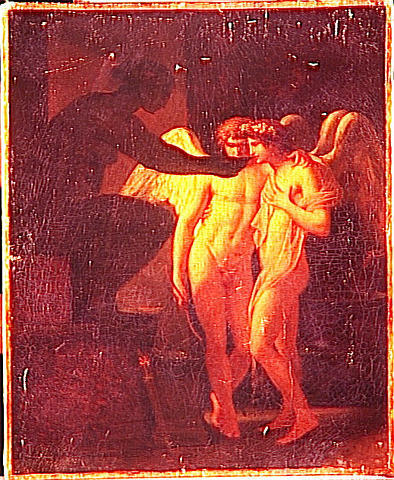
L'HYMEN ET L'AMOUR BUVANT DANS LA COUPE DE L'AMITIE


 詳細を見る
詳細を見る




P118B $10

P118H $10

P118W $10

P438Z $10

P508JH $12

P508YH $12

P805H $10

P805Z $10

P919BZ $10

P919G $10

P919XJ $10

P959ZH $10

P968JZ $12

W106C $8

W218G $10

W218JH $8

W218Y $10

W307PJ $10

W316G $10

W316PJ $8

W316Y $10

W398PJ $8

W4111J $10

W500HY $15

W500JH $15

W692G $12

W849H $8

W940BG $15

W953PJ $8




作品のオリジナル比率に合わせた、当店の規定サイズからお選びください。

特定のフレームやスペースに合わせて、ご希望のサイズをご入力いただけます。選択されたサイズが元の画像の比率と異なる場合、アートワークをトリミングするか、手描きで要素を追加して絵画を拡張いたします。デジタルモックアップ を制作し、制作開始前にご確認(承認)をいただきます。
画面上のプレビューは、実際のトリミングや拡張を正確に反映しているものではありません。最終的な構図は、モックアップによってのみ正確にご確認いただけます。
カスタムサイズもご利用いただけますが、元の比率を維持するためには、あらかじめ用意されたリストからサイズを選択することをお勧めいたします。
ご注文後、ArtsDot.com チームより詳細な指示をお送りするとともに、仕上がりイメージ(モックアップ)をご提供いたします。


 ガラスオプションは、110cm未満のサイズでのみご利用いただけます。

L'HYMEN ET L'AMOUR BUVANT DANS LA COUPE DE L'AMITIE
複製技法
複製画のサイズ
-


合計金額
$ 263
L'HYMEN ET L'AMOUR BUVANT DANS LA COUPE DE L’AMITié: A Baroque Vision of Divine Love
Jean Baptiste Regnault’s “L’Hymen et l’Amour buvant dans la coupe de l’Amitié,” painted around 1820, stands as a testament to the enduring fascination with mythological narratives and the masterful execution characteristic of the Romantic era. Held by Baron Schlichting’s bequest and currently residing in the Musée du Louvre’s Département des Peintures, this monumental canvas offers more than just visual splendor; it presents a profound meditation on themes of divine grace, human vulnerability, and the transformative power of affection.
- Subject Matter & Narrative: The artwork depicts a dramatic scene inspired by Greek mythology—specifically, the myth of Cupid and Psyche. Two figures dominate the composition: an angelic figure offering a chalice brimming with wine to a nude male torso, symbolizing divine love and spiritual nourishment. This pairing encapsulates the Romantic preoccupation with idealized beauty and transcendent experience.
- Style & Influences: Regnault’s style aligns seamlessly with the Baroque tradition, inheriting its penchant for theatrical lighting and dynamic movement. However, unlike the opulent grandeur of Baroque art, “L'Hymen et l'Amour…” possesses a refined elegance that reflects the stylistic developments emerging from the École française. The influence of Dutch masters is palpable in the meticulous rendering of drapery folds and textures—a deliberate choice intended to convey both realism and spiritual solemnity.
- Technique & Materials: Executed in oil paint on canvas, Regnault employed a technique that prioritized tonal gradation and chiaroscuro – manipulating light and shadow to heighten emotional impact and create an illusion of depth. Visible brushstrokes contribute to the artwork’s textural richness, emphasizing the artist's commitment to capturing the materiality of his subject matter. The use of papier marouflé (glued canvas) ensured stability and facilitated the application of paint with precision.
- Symbolism & Interpretation: Beyond its mythological narrative, “L’Hymen et l’Amour…” is laden with symbolic significance. The angel embodies divine benevolence and protection—a beacon of hope amidst human imperfection. Conversely, the nude male figure represents vulnerability and mortality, mirroring Psyche's journey toward spiritual awakening through love. The chalice symbolizes communion with God and the transformative potential of selfless devotion.
- Historical Context & Legacy: Created during a period marked by intellectual ferment—the Romantic movement—Regnault’s painting reflects the era’s fascination with emotion, imagination, and the sublime. It served as inspiration for subsequent artists like Guérin and Lorimier, cementing Regnault's place as a pivotal figure in French art history. Furthermore, “L’Hymen et l’Amour…” continues to resonate with audiences today, captivating viewers with its breathtaking beauty and enduring contemplation of love’s divine essence—a masterpiece showcased prominently in the Musée du Louvre and celebrated in publications such as “Peindre l'amour dans les collections du Louvre” and “Catalogue des peintures du musée du Louvre.”
A reproduction of this evocative artwork would undoubtedly enrich any interior space, transporting viewers into a realm of ethereal beauty and spiritual contemplation.
関連作品



アーティストの略歴
The Grandeur of Neoclassicism: The Life and Legacy of Jean-Baptiste Regnault
In the vibrant and turbulent landscape of late 18th-century French art, few figures commanded as much respect for their technical precision and classical grace as Jean-Baptiste Baron Regnault. Born in 1754, Regnault emerged during an era defined by a profound longing for the ideals of antiquity. While history often casts a spotlight on his contemporary and rival, Jacques-Louis David, Regnault carved out a distinct and luminous space within the Neoclassical movement. His work was not merely a reaction to the excesses of the Rococo, but a deliberate, poetic pursuit of harmony, balance, and the eternal beauty found in mythological and historical narratives.
Regnault’s artistic journey was one of rigorous discipline and academic excellence. His mastery of the human form and his ability to imbue flesh with a soft, ethereal glow were products of intense study. He navigated the prestigious corridors of the French art world, earning accolades that solidified his status among the elite. This period of his life was marked by a deep engagement with the classical tradition, drawing inspiration from the sculptural perfection of ancient Greece and Rome. His training allowed him to move beyond simple imitation, enabling him to infuse his compositions with a sense of movement and emotional resonance that felt both timeless and immediate.
A Mastery of Myth and Emotion
The true essence of Regnault’s genius lies in his ability to transform static mythological subjects into breathing, emotive dramas. He possessed a rare talent for capturing the tension between the divine and the mortal. In works such as La Mort d'Adonis, one can witness his profound command over the themes of mortality and beauty. The painting serves as a poignant study in tragedy, where the exquisite detail of the figures contrasts sharply with the heavy, somber atmosphere of loss. Regnault did not merely paint scenes; he staged emotional experiences, using light and shadow to guide the viewer through the psychological depths of his characters.
His repertoire was equally diverse, ranging from the intensely spiritual to the intellectually provocative. In The Descent from the Cross, Regnault utilizes a more dramatic, almost Baroque-inspired intensity to convey the profound grief and religious fervor of the scene. Here, the weight of the body and the visceral reality of the moment are rendered with a realism that commands reverence. Conversely, in works like Socrate Arrachant Alcibiade du Sein de la Volupté, he explores the intellectual struggles of the classical age. This piece showcases his ability to depict philosophical conflict through the interplay of light and shadow, illustrating the struggle between reason and temptation with masterful composition.
Historical Significance and Artistic Influence
Regnault’s importance extends far beyond his individual canvases; he was a pivotal figure in the evolution of French academic painting. As a teacher and a prominent member of the artistic community, his influence rippled through the next generation of painters, including artists like Guérin and Lorimier. His style—characterized by a certain softness and a more lyrical approach to Neoclassicism compared to David’s starker, more rigid compositions—offered an alternative vision of classical beauty that appealed to a wide range of sensibilities.
To understand the breadth of his contribution, one might consider the following pillars of his career:
- Technical Virtuosity: His unparalleled ability to render anatomical accuracy and delicate textures, particularly in skin and drapery.
- Narrative Depth: The capacity to weave complex allegorical meanings into historical and mythological scenes, making them accessible yet profound.
- Stylistic Versatility: A unique blend of Neoclassical order with a more fluid, emotive sensibility that bridged the gap between different artistic eras.
- Academic Legacy: His role in shaping the aesthetic standards of the French Academy and influencing the trajectory of 19th-century European art.
Though the tides of art history eventually shifted toward Romanticism and beyond, the works of Jean-Baptiste Regnault remain enduring testaments to an era of unparalleled elegance. His paintings continue to captivate modern audiences, offering a window into a world where the pursuit of perfection, the exploration of myth, and the celebration of human emotion were harmoniously intertwined.
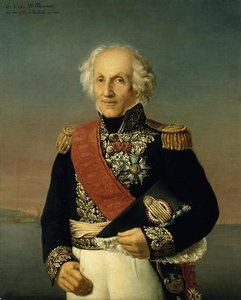
jean baptiste baron regnault
1754 - 1829
基本情報
- Artistic Movement Or Style: Landscape painting
- Artists Or Movements Influenced By This Artist: ["Gainsborough's manner"]
- Artists Who Influenced This Artist: ['Thomas Gainsborough']
- Date Of Birth: 1754
- Date Of Death: 1797
- Full Name: Gainsborough Dupont
- Nationality: British
- Notable Artworks:
- Wooded Landscape
- Riders and Packhorses
- Place Of Birth: Sudbury, Suffolk
関連記事
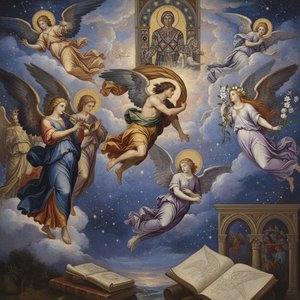
Celestial Messengers: Angels in Painting – A Historical & Artistic Exploration
Explore the captivating history of angels in painting! Discover symbolism, iconic Renaissance & Byzantine masterpieces, and renowned artists. Expert insights for art lovers & collectors at ArtsDot.
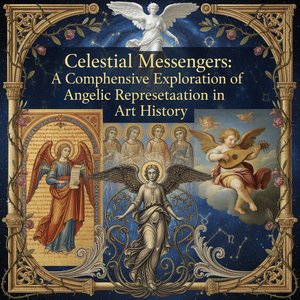
Celestial Messengers: A Comprehensive Exploration of Angelic Representation in Art History
Explore the captivating history of angels in art! Discover symbolism, iconic Renaissance masterpieces & renowned artists. Expert insights for art lovers & collectors at ArtsDot.

Romantic Masterpieces: 10 Artworks to Stir Your Soul |
Fall in love with art! Explore 10 iconic romantic paintings – from Renaissance classics to Impressionist masterpieces. Discover the stories behind artists like Monet & Klimt, and find museum-quality reproductions for your home at .

Romantic Realism's Finest: 10 Masterpieces for Your Home | ArtsDot
Explore 10 defining masterpieces of Romantic Realism! Discover Courbet, Millet & Daumier's powerful paintings—capturing emotion and social realities. Find museum-quality reproductions for your home at ArtsDot.com.

バロックのドラマ:現代のインテリアに壮麗さと情感を取り込む
バロック様式の歴史、絵画、家具の魅力をご紹介。ArtsDotでは、高品質な油絵複製やカスタムポートレートをご提供し、現代のインテリアに壮麗さと情感を取り入れます。アートコンサルテーションも承ります。

