 プレビュー
プレビュー
 シェアする
シェアする シェアする
シェアする
 詳細を見る
詳細を見る

 ダウンロード
 似ている作品
 X線調査
X線調査 スライドショー
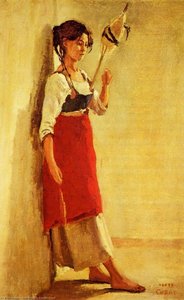
A Seated Italian from Paeigno Facing Front


 詳細を見る
詳細を見る
ジークレー/アートプリント
迅速な制作と多彩な仕上げオプションを備えた、ミュージアムクオリティのジークレーまたはキャンバスプリント。 ( 手描きの絵画を購入 画像を購入)




































作品のオリジナル比率に合わせた、当店の規定サイズからお選びください。

特定のフレームやスペースに合わせて、ご自身でサイズを指定することも可能です。選択されたサイズが元の画像の比率と一致しない場合、作品をトリミングするか、鏡面反射または単色での塗りつぶしによって画像を拡張いたします。制作を開始する前に、ご確認用のデジタルモックアップをお送りいたします。
画面上のプレビューには、実際のトリミングや拡張は反映されませんのでご注意ください。最終的な構図を正確に確認できるのは、モックアップのみとなります。
カスタムサイズも承っておりますが、元の比率を維持するためには、あらかじめ用意されたリストからサイズを選択することをお勧めいたします。


 ガラスオプションは、110cm未満のサイズでのみご利用いただけます。

A Seated Italian from Paeigno Facing Front
ジークレー/アートプリント
複製画のサイズ
-


合計金額
$ 62
作品詳細説明
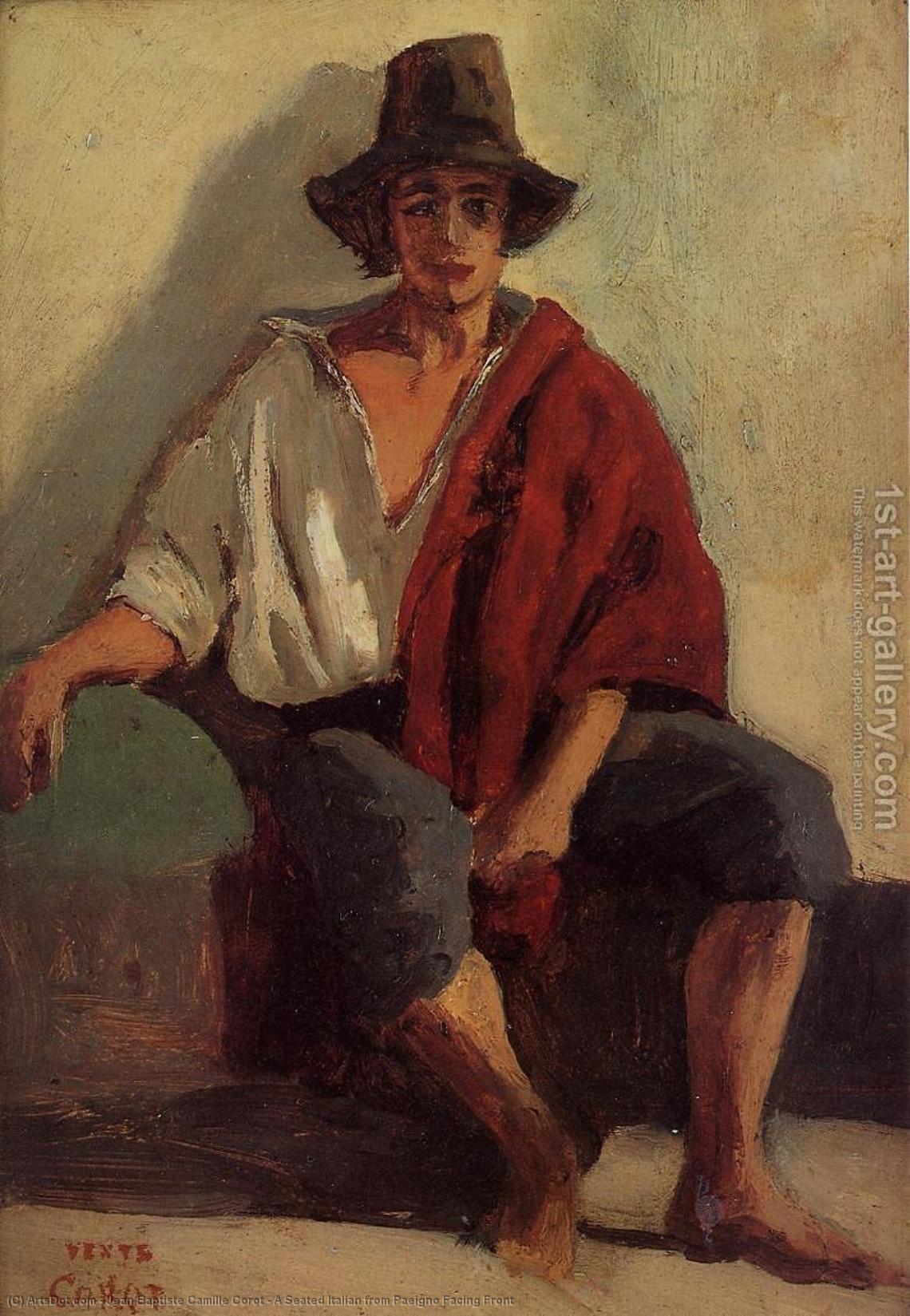
A Seated Italian from Paeigno Facing Front – A Portrait of Quiet Contemplation
Jean-Baptiste-Camille Corot’s “A Seated Italian from Paeigno Facing Front,” painted in 1826, offers a remarkably intimate glimpse into the burgeoning world of early 19th-century portraiture. This unassuming scene – a man, identified as a ‘Paeigno,’ seated on a simple bench – transcends mere representation to become a study in light, texture, and the subtle poetry of everyday life. The painting’s power lies not in grand gestures or opulent surroundings, but in its quiet observation and Corot's masterful ability to capture a fleeting moment of human presence.
The subject himself is rendered with remarkable realism. Dressed in a vibrant red jacket – a bold statement against the muted tones of the landscape – he exudes an air of thoughtful repose. His hands, casually tucked into his pockets, suggest a relaxed confidence, while the slight furrow of his brow hints at contemplation. Corot’s meticulous attention to detail is evident in the rendering of the fabric's folds and the subtle variations in skin tone, creating a palpable sense of volume and form. The inclusion of the partially visible figure in the background adds an element of mystery, inviting the viewer to imagine the context of this encounter – perhaps a brief respite from travel or simply a moment of quiet reflection.
The Corot Style: Luminism and Atmospheric Perspective
Corot was a pivotal figure in the development of what became known as “luminism,” a style characterized by its emphasis on light and atmosphere. Unlike the highly polished, idealized portraits favored by some of his contemporaries, Corot sought to capture the ephemeral qualities of natural light, employing loose brushstrokes and subtle color gradations to evoke a sense of depth and space. Notice how he doesn’t attempt to define sharp edges or create dramatic contrasts; instead, he builds up layers of translucent paint to suggest the play of light on the subject's clothing and the surrounding landscape.
His technique relies heavily on atmospheric perspective – the way that objects appear less distinct and more bluish in the distance. This is subtly achieved through a delicate handling of color and tone, creating a sense of recession and reinforcing the painting’s spatial depth. The background, rendered with softer brushwork, recedes into a hazy blue, drawing the viewer's eye towards the central figure.
Historical Context: A Portrait of a Changing Era
"A Seated Italian from Paeigno Facing Front" was created during a period of significant social and artistic change in France. The early 19th century witnessed the rise of Romanticism, which emphasized emotion, individualism, and the beauty of nature – values that deeply influenced Corot’s work. Portraiture itself was evolving; while formal court portraits remained popular, there was growing interest in more informal, genre-based scenes depicting everyday life.
The subject's identity as a ‘Paeigno’ suggests a connection to the Italian peninsula, reflecting the era’s fascination with travel and exotic cultures. Corot frequently depicted individuals he encountered during his travels, imbuing his paintings with a sense of personal experience and observation. This painting exemplifies Corot’s commitment to capturing not just likenesses but also the spirit and character of his subjects.
Emotional Resonance: A Moment of Serenity
Despite its apparent simplicity, “A Seated Italian from Paeigno Facing Front” possesses a profound emotional resonance. The subject's serene expression and relaxed posture invite the viewer to share in his quiet contemplation. Corot’s masterful use of light and color creates a sense of tranquility and stillness, offering a welcome respite from the bustle of urban life. This painting is more than just a portrait; it’s a meditation on the beauty of solitude and the enduring appeal of human connection.
関連作品
アーティストの略歴
光と風景の詩人:ジャン=バティスト・カミーユ・コロー
ジャン=バティスト・カミーユ・コローの名を耳にしたとき、19世紀フランス絵画に息づく静謐な美しさを思い起こすでしょう。彼は1796年7月16日、パリで裕福なブルジョワの家庭に生まれました。当初は商業的な道に進むことを期待されていましたが、運命—あるいは生まれつきの芸術的感受性—が介入しました。幼少期は型破りなものでした。4歳までイゼ=アダム近郊のプレールで乳母のもとに預けられ、自然との深いつながりを育み、その後の芸術的ビジョンに深く影響を与えました。この田園地帯での初期の没入は、彼を待つ賑やかな都市生活とは対照的でしたが、生涯を通じて光と大気の移ろいを捉えようとする探求の基礎となりました。両親は成功した帽子職人であり、経済的な安定を提供し、コローが商業的な追求に失敗した後も、芸術への情熱を探求する自由を与えました。この支援は非常に重要で、生計を立てるという差し迫ったプレッシャーなしに、完全に芸術的訓練に専念することを可能にしました。アカデミー教育からピレ・アールの革新へ
コローの正式な芸術教育は、アシーユ=エトナ・ミシャロンと後にジャン=ヴィクトル・ベルトンの指導のもとに始まりました。彼らは、明瞭さと構造を強調したネオクラシック様式の伝統に深く根ざした著名な風景画家でした。しかし、コローは確立されたスタイルを単に複製するだけでは満足せず、もっと本質的な何か—自然の中に浸っている感覚を伝える方法—を切望していました。画期的な瞬間が訪れたのは1825年の最初のイタリア旅行の際です。黄金色の光に照らされ、歴史に満ちたローマ・カンパニアは彼の想像力を掻き立てました。彼は何年もかけてスケッチと絵を描き、ピレ・アール—直接自然から—という比較的まれな手法を用いました。この自然観察への献身により、微妙な光と影のニュアンス、彼のスタイルを特徴づける繊細な大気効果を捉えることができました。彼は単に地形の詳細を記録しているのではなく、気分、調和のとれた静けさの感覚を喚起しようとしていたのです。初期のイタリア作品は古典的な理想の影響を受けた明瞭な形態と明るいパレットを示していますが、すでに彼の成熟したスタイルを定義する、より柔らかく、感情的なアプローチを示唆しています。彼はローマの美術館で巨匠たちの作品を模写して学びましたが、常に自分の自然に対する敏感な知覚を通してそれらのレッスンを濾過しました。伝統と革新の架け橋
コローの芸術的発展は直線的ではありませんでした。それは伝統と革新の繊細なバランスでした。彼はパリ・サロンに定期的に展示し、当初はネオクラシック的な慣習に基づいた作品で評価を得ました。しかし、ピレ・アールでの絵を描き続けるにつれて、彼のスタイルは進化を始めました。彼は詳細な構成への高い完成度から、より緩い筆遣いとよりくすんだパレットへと移行しました。この変化は学術的な原則の完全な拒絶ではありませんでした。むしろ、直接観察の即時性と感情的な共鳴をそれらに注入しようとする試みでした。彼は調和性の名手となり、価値の微妙なバリエーションを使用して深さと大気を生み出しました。彼の風景は劇的な物語や壮大なジェスチャーについてではありませんでした。それは静かな瞑想、日常の美しさ—森の空き地、太陽が降り注ぐ牧草地、穏やかな川岸—についてのものです。このアプローチは、急速な工業化と19世紀フランスの社会不安から安らぎを求める観客に共鳴しました。彼はリアリズムの要素をほぼ詩的な感性で巧みに組み合わせ、現実的でありながら深く個人的な風景を作り出しました。遺産と持続的な影響
ジャン=バティスト・カミーユ・コローの影響は、その後の芸術家たちに計り知れません。彼はネオクラシック様式と新興の印象派運動の間の重要な架け橋となりました。モネ、ピサロ、シスレーといった芸術家たちは、彼の光の効果と大気を捉える能力を深く賞賛し、彼らの画期的な作品においてその革新性を発展させました。しかし、コローは単に印象派の前触れではありませんでした。彼は独自の芸術家として、重要な存在感を示しました。風景、肖像画、人物研究を含む彼の膨大な作品群は、その静謐な美しさと感情の深さで観客を魅了し続けています。彼の作品は世界中の主要美術館に展示されており、ダンケルク美術館やオルナン美術館(フランス)、ロンドンのナショナル・ギャラリー、ニューヨークのメトロポリタン美術館などがあります。彼は1875年2月22日に亡くなり、光、風景、そして静かな瞑想の永続的な力という遺産を残しました。休息、中断された読書、アゴスティーナは彼の卓越性の象徴的な例であり、その主題の内面世界と物理世界を驚くべき感性と優雅さで捉える能力を示しています。彼の影響は絵画を超えて広がっています。彼は芸術家の精神を自由にし、若い芸術家たちが自分自身の声を追求することを奨励し、芸術史における重要な人物としての地位を確固たるものにしました。コローの作品が示す特徴
- 調和性: コローは、光と影の微妙な変化を用いて深みと大気を作り出す調和性の名手でした。
- ピレ・アール: 彼は直接自然から絵を描くことを重視し、その結果、彼の作品には即時性と感情的な共鳴が生まれました。
- 穏やかな風景: コローの風景は、ドラマチックな物語や壮大なジェスチャーではなく、静かな瞑想と日常の美しさについて描かれています。
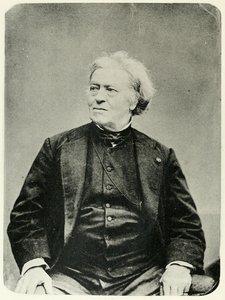
カミーユ・コロー
1796 - 1875 , フランス
基本情報
- フルネーム: ジャン=バプティスト・カミーユ・コロー
- 主な作品:
- 休息
- エールの漁り
- 出生地: パリ、フランス
- 国籍: フランス人
- 影響を与えたアーティスト:
- モネ
- ピサロ
- シスレー
- 印象派
- 影響を受けたアーティスト:
- ミシャロン
- ベルトラン
- 死亡年月日: 1875年2月22日
- 生年月日: 1796年7月16日
- 芸術運動またはスタイル: 写実主義、印象派
関連記事

Dark Masterpieces: 10 Iconic Paintings Dominated by Black Tones |
Explore 10 iconic paintings dominated by black tones, from Rembrandt’s chiaroscuro to Goya's dark expressions. Discover the stories behind these masterpieces & find museum-quality art reproductions for your home at .
Jean-Baptiste-Camille Corot: A Poetic Realism – Bridging the Barbizon School and Early Impressionism
Explore the life & art of Camille Corot, a pivotal figure bridging the Barbizon School & Impressionism. Discover his poetic realism, signature style, and lasting influence on landscape painting. Learn more at ArtsDot.
Giovanni Fattori: Realism, Identity & the Tuscan Landscape – A Macchiaioli Master
Explore the life & art of Giovanni Fattori, a leading figure of the Macchiaioli movement. Discover his revolutionary realism, captivating Tuscan landscapes, and lasting impact on Italian painting. Learn more at ArtsDot.
Romantic Realism's Finest: 10 Masterpieces for Your Home | ArtsDot
Explore 10 defining masterpieces of Romantic Realism! Discover Courbet, Millet & Daumier's powerful paintings—capturing emotion and social realities. Find museum-quality reproductions for your home at ArtsDot.com.

ロマン派ランドスケープ:時代を彩る巨匠の10選|アートとインテリアの世界
ロマン派絵画の時代を彩る10選。巨匠たちの風景が織りなす感動の世界へ。ターナー、ルーベンスなど、名作の裏話と高精細複製でアートをお部屋に。ArtsDot.comで至福のアート体験を。