 プレビュー
プレビュー
 プリントを購入
 シェアする
シェアする シェアする
シェアする
 詳細を見る
詳細を見る

 ダウンロード
 似ている作品
 X線調査
X線調査 スライドショー
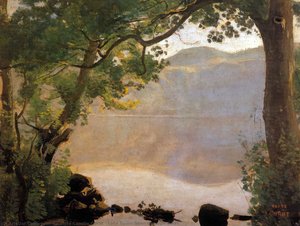
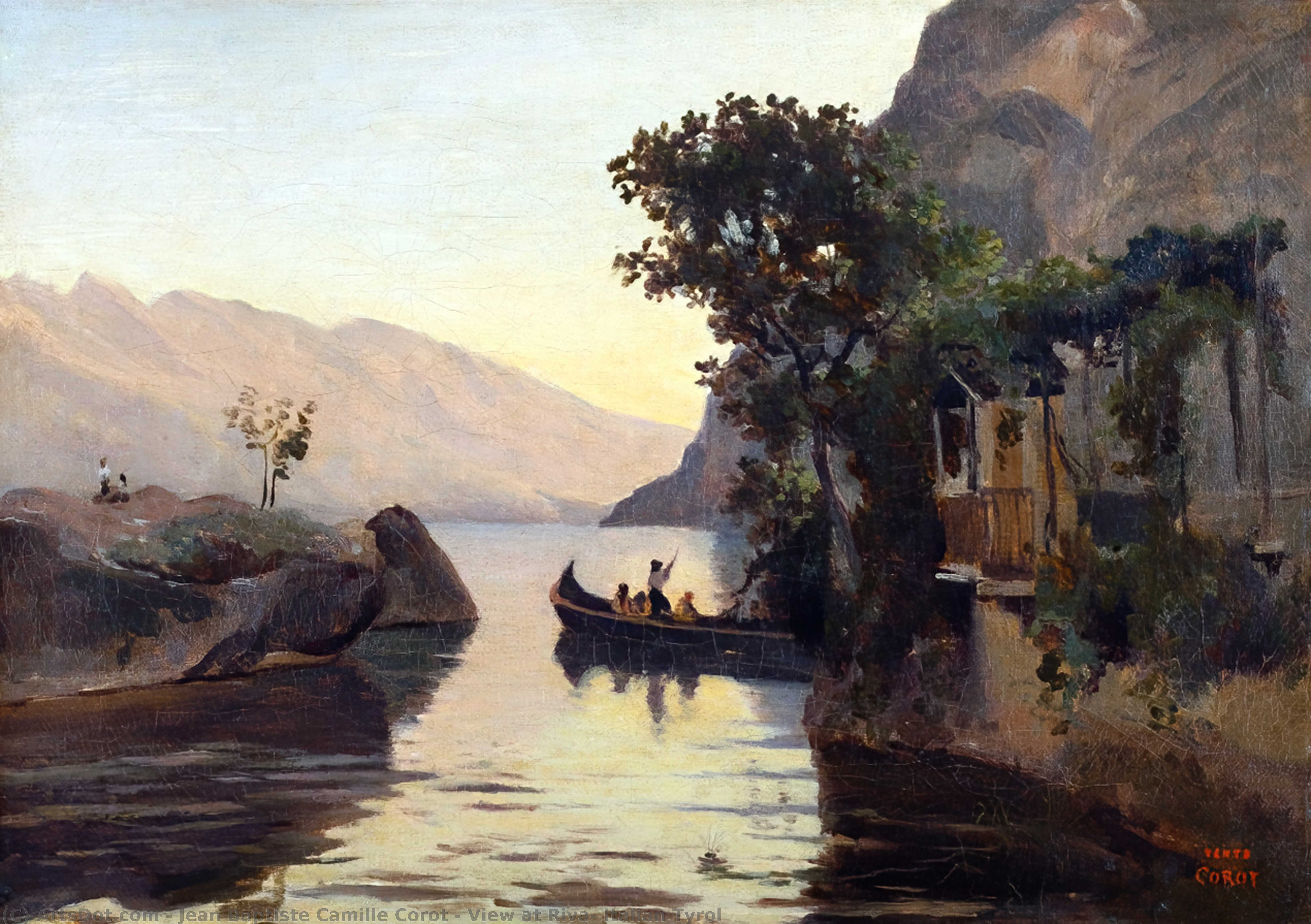
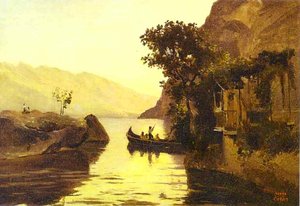
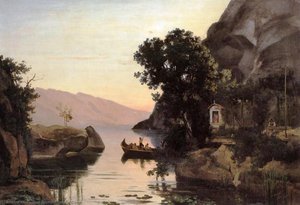
View at Riva, Italian Tyrol


 詳細を見る
詳細を見る




P118B $10

P118H $10

P118W $10

P438Z $10

P508JH $12

P508YH $12

P805H $10

P805Z $10

P919BZ $10

P919G $10

P919XJ $10

P959ZH $10

P968JZ $12

W106C $8

W218G $10

W218JH $8

W218Y $10

W307PJ $10

W316G $10

W316PJ $8

W316Y $10

W398PJ $8

W4111J $10

W500HY $15

W500JH $15

W692G $12

W849H $8

W940BG $15

W953PJ $8




作品のオリジナル比率に合わせた、当店の規定サイズからお選びください。

特定のフレームやスペースに合わせて、ご希望のサイズをご入力いただけます。選択されたサイズが元の画像の比率と異なる場合、アートワークをトリミングするか、手描きで要素を追加して絵画を拡張いたします。デジタルモックアップ を制作し、制作開始前にご確認(承認)をいただきます。
画面上のプレビューは、実際のトリミングや拡張を正確に反映しているものではありません。最終的な構図は、モックアップによってのみ正確にご確認いただけます。
カスタムサイズもご利用いただけますが、元の比率を維持するためには、あらかじめ用意されたリストからサイズを選択することをお勧めいたします。
ご注文後、ArtsDot.com チームより詳細な指示をお送りするとともに、仕上がりイメージ(モックアップ)をご提供いたします。


 ガラスオプションは、110cm未満のサイズでのみご利用いただけます。

View at Riva, Italian Tyrol
複製技法
複製画のサイズ
-


合計金額
$ 263
作品解説
A Moment of Tranquil Reflection: Jean-Baptiste-Camille Corot’s “View at Riva, Italian Tyrol”
Jean-Baptiste-Camille Corot's "View at Riva, Italian Tyrol," painted in 1834, isn’t merely a landscape; it’s an invitation to stillness. This oil on canvas transports the viewer to a serene lakeside scene nestled within the dramatic folds of the Italian Alps, a place where time seems to slow and the soul finds respite. Corot, a pivotal figure bridging the Neo-Classical tradition with the nascent Impressionism, masterfully captures not just the visual elements of nature but also its inherent tranquility – a quality that continues to resonate deeply with audiences today.
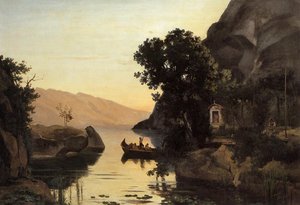
The painting depicts a picturesque lake reflecting the towering majesty of the Tyrol mountains. A small boat, carrying what appears to be a solitary figure or perhaps a couple, glides across the water towards a distant village clinging to the mountainside. The composition is remarkably balanced, drawing the eye through layers of depth – from the immediate foreground with its subtle details of vegetation and rocks, to the hazy midground where the lake stretches out, and finally to the imposing silhouettes of the peaks in the distance. Corot’s genius lies not in precise representation but in conveying a feeling, an atmosphere of profound peace.
The Language of Light and Color
Corot's technique is characterized by his deliberate use of *plein air* painting – working directly from nature. This approach is evident in the loose, expressive brushstrokes that define the landscape. He employs a muted color palette dominated by blues, greens, and browns, creating a sense of atmospheric depth and subtly shifting light. The application of paint is often thick and textured, particularly in the depiction of the rocks and foliage, lending a tactile quality to the scene. Notice how Corot uses broken brushstrokes and glazes to suggest the shimmering surface of the water and the hazy atmosphere of the mountains – techniques that anticipate the innovations of Impressionist painters like Monet and Renoir.
The lighting is particularly evocative, suggesting either the soft glow of dawn or dusk. The light isn’t sharply defined; instead, it diffuses through the mist and haze, creating a sense of mystery and inviting contemplation. Corot's ability to capture the ephemeral qualities of light – its fleeting shifts and subtle gradations – is truly remarkable.
A Historical Echo: Barbizon School and Beyond
"View at Riva, Italian Tyrol" firmly places Corot within the context of the Barbizon School, a movement of landscape painters who rejected the academic conventions of the time and sought to paint directly from nature. Unlike their predecessors, the Barbizon artists prioritized capturing the essence of the natural world over idealized representations. Corot’s work exemplifies this shift, prioritizing atmosphere and feeling over meticulous detail.
However, Corot's style also foreshadows Impressionism. His emphasis on *plein air* painting, his loose brushwork, and his focus on capturing fleeting moments of light and color paved the way for later Impressionist painters. He wasn’t simply documenting a landscape; he was translating its emotional impact onto canvas.
Symbolic Resonance: Humanity in Harmony with Nature
Beyond its purely aesthetic qualities, “View at Riva, Italian Tyrol” carries symbolic weight. The solitary boat journey suggests a quest for peace and solitude – a desire to connect with nature on a deeper level. The distant village represents human habitation, but it’s dwarfed by the grandeur of the mountains, reminding us of our place within the vastness of the natural world. The painting speaks to a fundamental human longing for harmony between humanity and its environment.
Today, this artwork remains a powerful reminder of the beauty and tranquility that can be found in nature. ArtsDot.com offers meticulously crafted oil painting reproductions of “View at Riva, Italian Tyrol,” allowing you to bring this timeless masterpiece into your home or studio – a testament to Corot’s enduring legacy.
関連作品

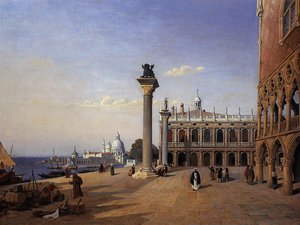
アーティストの略歴
光と風景の詩人:ジャン=バティスト・カミーユ・コロー
ジャン=バティスト・カミーユ・コローの名を耳にしたとき、19世紀フランス絵画に息づく静謐な美しさを思い起こすでしょう。彼は1796年7月16日、パリで裕福なブルジョワの家庭に生まれました。当初は商業的な道に進むことを期待されていましたが、運命—あるいは生まれつきの芸術的感受性—が介入しました。幼少期は型破りなものでした。4歳までイゼ=アダム近郊のプレールで乳母のもとに預けられ、自然との深いつながりを育み、その後の芸術的ビジョンに深く影響を与えました。この田園地帯での初期の没入は、彼を待つ賑やかな都市生活とは対照的でしたが、生涯を通じて光と大気の移ろいを捉えようとする探求の基礎となりました。両親は成功した帽子職人であり、経済的な安定を提供し、コローが商業的な追求に失敗した後も、芸術への情熱を探求する自由を与えました。この支援は非常に重要で、生計を立てるという差し迫ったプレッシャーなしに、完全に芸術的訓練に専念することを可能にしました。アカデミー教育からピレ・アールの革新へ
コローの正式な芸術教育は、アシーユ=エトナ・ミシャロンと後にジャン=ヴィクトル・ベルトンの指導のもとに始まりました。彼らは、明瞭さと構造を強調したネオクラシック様式の伝統に深く根ざした著名な風景画家でした。しかし、コローは確立されたスタイルを単に複製するだけでは満足せず、もっと本質的な何か—自然の中に浸っている感覚を伝える方法—を切望していました。画期的な瞬間が訪れたのは1825年の最初のイタリア旅行の際です。黄金色の光に照らされ、歴史に満ちたローマ・カンパニアは彼の想像力を掻き立てました。彼は何年もかけてスケッチと絵を描き、ピレ・アール—直接自然から—という比較的まれな手法を用いました。この自然観察への献身により、微妙な光と影のニュアンス、彼のスタイルを特徴づける繊細な大気効果を捉えることができました。彼は単に地形の詳細を記録しているのではなく、気分、調和のとれた静けさの感覚を喚起しようとしていたのです。初期のイタリア作品は古典的な理想の影響を受けた明瞭な形態と明るいパレットを示していますが、すでに彼の成熟したスタイルを定義する、より柔らかく、感情的なアプローチを示唆しています。彼はローマの美術館で巨匠たちの作品を模写して学びましたが、常に自分の自然に対する敏感な知覚を通してそれらのレッスンを濾過しました。伝統と革新の架け橋
コローの芸術的発展は直線的ではありませんでした。それは伝統と革新の繊細なバランスでした。彼はパリ・サロンに定期的に展示し、当初はネオクラシック的な慣習に基づいた作品で評価を得ました。しかし、ピレ・アールでの絵を描き続けるにつれて、彼のスタイルは進化を始めました。彼は詳細な構成への高い完成度から、より緩い筆遣いとよりくすんだパレットへと移行しました。この変化は学術的な原則の完全な拒絶ではありませんでした。むしろ、直接観察の即時性と感情的な共鳴をそれらに注入しようとする試みでした。彼は調和性の名手となり、価値の微妙なバリエーションを使用して深さと大気を生み出しました。彼の風景は劇的な物語や壮大なジェスチャーについてではありませんでした。それは静かな瞑想、日常の美しさ—森の空き地、太陽が降り注ぐ牧草地、穏やかな川岸—についてのものです。このアプローチは、急速な工業化と19世紀フランスの社会不安から安らぎを求める観客に共鳴しました。彼はリアリズムの要素をほぼ詩的な感性で巧みに組み合わせ、現実的でありながら深く個人的な風景を作り出しました。遺産と持続的な影響
ジャン=バティスト・カミーユ・コローの影響は、その後の芸術家たちに計り知れません。彼はネオクラシック様式と新興の印象派運動の間の重要な架け橋となりました。モネ、ピサロ、シスレーといった芸術家たちは、彼の光の効果と大気を捉える能力を深く賞賛し、彼らの画期的な作品においてその革新性を発展させました。しかし、コローは単に印象派の前触れではありませんでした。彼は独自の芸術家として、重要な存在感を示しました。風景、肖像画、人物研究を含む彼の膨大な作品群は、その静謐な美しさと感情の深さで観客を魅了し続けています。彼の作品は世界中の主要美術館に展示されており、ダンケルク美術館やオルナン美術館(フランス)、ロンドンのナショナル・ギャラリー、ニューヨークのメトロポリタン美術館などがあります。彼は1875年2月22日に亡くなり、光、風景、そして静かな瞑想の永続的な力という遺産を残しました。休息、中断された読書、アゴスティーナは彼の卓越性の象徴的な例であり、その主題の内面世界と物理世界を驚くべき感性と優雅さで捉える能力を示しています。彼の影響は絵画を超えて広がっています。彼は芸術家の精神を自由にし、若い芸術家たちが自分自身の声を追求することを奨励し、芸術史における重要な人物としての地位を確固たるものにしました。コローの作品が示す特徴
- 調和性: コローは、光と影の微妙な変化を用いて深みと大気を作り出す調和性の名手でした。
- ピレ・アール: 彼は直接自然から絵を描くことを重視し、その結果、彼の作品には即時性と感情的な共鳴が生まれました。
- 穏やかな風景: コローの風景は、ドラマチックな物語や壮大なジェスチャーではなく、静かな瞑想と日常の美しさについて描かれています。
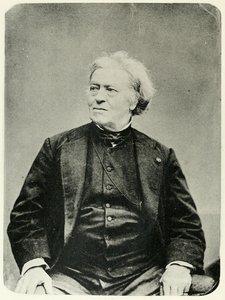
カミーユ・コロー
1796 - 1875 , フランス
基本情報
- フルネーム: ジャン=バプティスト・カミーユ・コロー
- 主な作品:
- 休息
- エールの漁り
- 出生地: パリ、フランス
- 国籍: フランス人
- 影響を与えたアーティスト:
- モネ
- ピサロ
- シスレー
- 印象派
- 影響を受けたアーティスト:
- ミシャロン
- ベルトラン
- 死亡年月日: 1875年2月22日
- 生年月日: 1796年7月16日
- 芸術運動またはスタイル: 写実主義、印象派
関連記事

The Enduring Legacy of Oil on Canvas: Technique, History & Aesthetic Impact
Explore the rich history & techniques of oil painting – from Renaissance masters to Impressionism. Discover pigments, layering methods, and why this timeless medium endures. Expert insights for artists & art enthusiasts.

The Enduring Power of Painting: A Historical & Contemporary Exploration of Form and Emotion
Explore the rich history & enduring techniques of oil painting with ArtsDot. Discover masterpieces, learn about art collecting, and find authentic handmade reproductions crafted by skilled artists.

Oil on Canvas: A Historical & Technical Exploration of a Timeless Artistic Medium
Explore the rich history & enduring techniques of oil painting on canvas. Discover the science behind its longevity, conservation practices, and contemporary relevance. Expert insights for art enthusiasts.
Oil on Board: A Historical Survey of Technique, Aesthetic Qualities & Enduring Appeal
Explore the rich history of oil on board painting! Discover techniques, aesthetic qualities & enduring appeal from early masters to modern practice. Expert insights for collectors and art enthusiasts.

油彩のキャンバス:技法、歴史、そして現代の実践 - 古典美術愛好家へ
油彩の技法、歴史、巨匠たちの秘密を徹底解説。古典美術愛好家向けに、初期フランドル絵画から現代の実践まで深く掘り下げます。ArtsDotで高品質な複製画やカスタムオーダーも承ります。