

 シェアする
シェアする シェアする
シェアする
 詳細を見る
詳細を見る

 ダウンロード
 似ている作品
 スライドショー
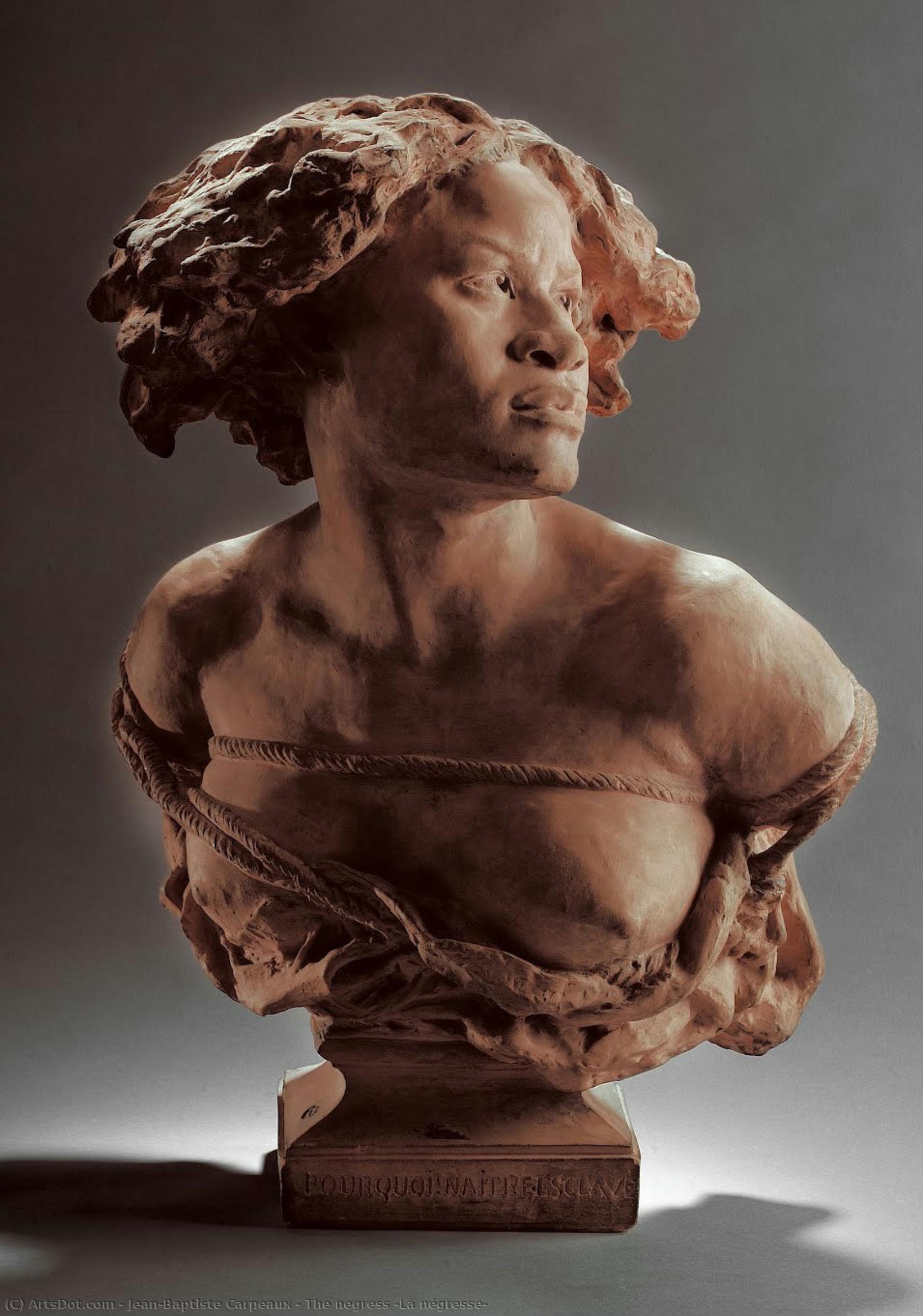
The negress (La négresse)
 Clay / Terracotta
- Sculpture
- Contemporary Realism
 1868
1868 46.0 x 61.0 cm
 南オーストラリア・ギャラリー
 詳細を見る
詳細を見る
ジークレー/アートプリント
迅速な制作と多彩な仕上げオプションを備えた、ミュージアムクオリティのジークレーまたはキャンバスプリント。 ( 手描きの絵画を購入 画像を購入)




































作品のオリジナル比率に合わせた、当店の規定サイズからお選びください。

特定のフレームやスペースに合わせて、ご自身でサイズを指定することも可能です。選択されたサイズが元の画像の比率と一致しない場合、作品をトリミングするか、鏡面反射または単色での塗りつぶしによって画像を拡張いたします。制作を開始する前に、ご確認用のデジタルモックアップをお送りいたします。
画面上のプレビューには、実際のトリミングや拡張は反映されませんのでご注意ください。最終的な構図を正確に確認できるのは、モックアップのみとなります。
カスタムサイズも承っておりますが、元の比率を維持するためには、あらかじめ用意されたリストからサイズを選択することをお勧めいたします。


 ガラスオプションは、110cm未満のサイズでのみご利用いただけます。

The negress (La négresse)
ジークレー/アートプリント
複製画のサイズ
-


合計金額
$ 62
作品詳細説明
A Portrait of Melancholy: Jean-Baptiste Carpeaux’s “La Négresse”
Jean-Baptiste Carpeaux's "La Négresse," completed in 1868, is not merely a sculpture; it’s a poignant and complex meditation on beauty, race, and the enduring legacy of colonialism. This arresting bronze bust, currently residing within the collection of the Metropolitan Museum of Art, immediately commands attention with its strikingly realistic depiction of an unidentified Black woman. Carpeaux, a master sculptor deeply influenced by both classical tradition and the burgeoning spirit of Romanticism, crafted this piece during a period of intense social and political upheaval in France – a time grappling with the complexities of abolition and the lingering effects of slavery.
The sculpture’s genesis lies within Carpeaux's ambitious project for the “Fontaine de l’Observatoire,” a monumental fountain intended to adorn Paris’s Avenue de l’Observatoire. This fountain, designed as an allegory of the four continents, featured a series of female figures representing Asia, Europe, America, and Africa. "La Négresse" was conceived as one of these figures, embodying the African continent. However, its placement within this broader context reveals a subtle tension – a recognition that simply depicting a Black woman does not automatically dismantle the structures of racial representation. The sculpture’s initial presentation, alongside the other continental figures, served to reinforce existing stereotypes and perpetuate a colonial gaze.
A Study in Realism and Baroque Influence
Carpeaux's technical skill is immediately evident in "La Négresse." The bronze itself possesses a remarkable tactile quality – a dense, almost velvety surface that captures the subtle nuances of light and shadow. The modeling is incredibly detailed, from the delicate curve of her lips to the intricate folds of her hair. This meticulous realism is deeply rooted in Carpeaux’s training at the École des Beaux-Arts, where he honed his ability to render human anatomy with astonishing accuracy. Yet, this technical mastery is interwoven with a distinctly Baroque sensibility – a dramatic use of light and shadow, an emphasis on emotional expression, and a dynamic sense of movement captured within a static form.
The pose itself is crucial. “La Négresse” isn’t presented in a serene or idealized manner. Instead, she holds her head slightly tilted, her gaze directed downwards with a quiet intensity. Her hands are loosely bound, creating an ambiguity that invites interpretation – are they symbols of restraint, or perhaps a subtle assertion of agency? The sculptor masterfully conveys a sense of melancholy and introspection, suggesting a profound inner life beneath the surface.
Symbolism and Historical Context
The sculpture’s significance extends far beyond its aesthetic qualities. "La Négresse" was created in 1868, just two decades after France officially abolished slavery in its colonies. However, the legacy of slavery continued to permeate French society, shaping attitudes and reinforcing racial hierarchies. Carpeaux's work, therefore, must be understood within this complex historical context. The inscription “Pourquoi Naître Enslaved!” (“Why Born a Slave?”) etched onto the base further underscores the sculpture’s critical engagement with the institution of slavery and its devastating impact on individuals and communities.
Interestingly, Carpeaux's decision to depict an unidentified woman adds another layer of complexity. The lack of specific details forces viewers to confront their own preconceptions about race and identity. Is she a representation of all Black women? Or does her anonymity serve as a reminder that the experience of slavery was profoundly diverse and individual? The sculpture’s ambiguity compels us to consider the ways in which representations can both perpetuate and challenge dominant narratives.
A Timeless Reflection on Beauty, Identity, and Colonial Legacy
"La Négresse" remains a powerfully resonant work of art. It is a testament to Carpeaux's artistic genius, but also a stark reminder of the enduring legacy of colonialism and racial injustice. The sculpture’s quiet intensity, coupled with its technical brilliance, invites viewers to contemplate profound questions about beauty, identity, and the responsibility of artists to engage critically with the social and political realities of their time. Reproductions of this piece offer an opportunity to bring this important work into homes and spaces, prompting ongoing dialogue and reflection on a complex and vital chapter in art history.
関連作品

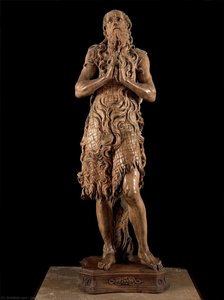
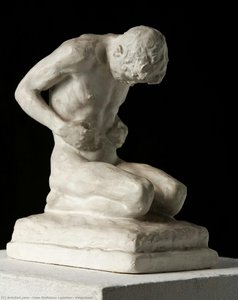
アーティストの略歴
情熱に刻まれた生涯:ジャン=バティスト・カルポーの世界
19世紀フランス彫刻において、ダイナミズムと感情の深みの代名詞とも言える名前、ジャン=バティスト・カルポー。彼は慎ましい生い立ちから、その時代を代表する最も称賛された芸術家の一人へと登り詰めました。1827年、ヴァランシエンヌに石工の息子として生まれたカルポーの幼少期は、職人の手仕事が持つ肉体的な感覚に深く浸っていました。この経験は、彼の芸術的感性を形作る決定的な影響となりました。形あるものを作り出すという根源的な営みへの理解は、素材と形態に対する深い洞察を育み、触覚的なリアリズムと表現力豊かな力強さを特徴とする、その後の輝かしいキャリアの礎となったのです。エトワール凱旋門の劇的な浮彫で知られるフランソワ・リュードのもとでの初期修行は、古典的な技法の強固な基礎を与えましたが、カルポーが真に独自のビジョンを研ぎ澄ませたのはエコール・デ・ボザールにおいてでした。学校の厳格なアカデミズムと彼自身の天賦の才が融合し、1854年には栄誉あるローマ賞を受賞。この転機となる出来事が、彼をイタリアへの変革的な旅へと駆り立てることになります。ローマでの空想と新たな様式の誕生
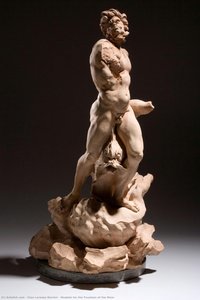
カルポーがローマで過ごした歳月は、彼の芸術的発展において極めて重要な意味を持っていました。ミケランジェロ、ドナテッロー、ヴェロッキオといった巨匠たちの傑作に没頭する中で、彼は解剖学的な習熟、構図の妙、そして感情の激しさを吸収していきました。しかし、カルポーは単にルネサンスの巨人たちを模倣することに留まりませんでした。彼は新古典主義彫刻を特徴づけていた硬直した形式美を拒絶し、自らの道を切り拓き始めたのです。彼が追い求めたのは、生命そのもののエネルギーと生命力を捉える、より流動的で自発的なアプローチでした。この変革は、この時期に制作された『貝殻を持つナポリの漁師』などの作品に鮮明に表れています。貝殻を手にした少年を描いたこの彫刻は、その自然主義的な描写と躍動感において際立っており、後にカルポーの様式を象徴する特徴となります。それは単なる人物の再現ではなく、若さゆえの溢れんばかりの活力と、屈託のない喜びを具現化したものでした。パリでの展覧会においてこの作品は大きな注目を集め、カルポーを新進気鋭のスターへと押し上げ、さらにはウジェニー皇后から直接依頼を受けることにも繋がりました。栄光と葛藤:第二帝政期の歳月
ナポレオン3世による第二帝政期、芸術的な革新と壮大な公共事業が次々と展開されたこの時代に、カルポーの才能は花開きました。彼は帝国の宮廷から寵愛を受け、肖像彫刻や記念碑的な彫刻の数多くの依頼を受けるようになりました。パリのオペラ・ガルニエのファサードを飾る『舞踏』は、今なお彼の最も象徴的な業績の一つとして語り継がれています。この高浮彫作品は、渦巻くエネルギーの中に囚われた人物たちを描き出し、ダイナミックな動きと優美な形態を見事に提示しています。しかし、この傑作は決して論争と無縁ではありませんでした。その露骨なまでの官能性は、不道徳であると断じる保守的な批評家たちの怒りを買いました。こうした批判にさらされながらも、『舞踏』は、境界を押し広げ、既成概念に挑むことを恐れない大胆かつ革新的な芸術家としてのカルポーの名声を不動のものにしました。また、この時期の重要な作品には、ダンテが描いた飢えと絶望の悲劇的な物語を、彫刻された形態を通じて深い感情的深みへと昇華させた『ウゴリーノとその息子たち』があります。動きと感情の中に築かれたレガシー
晩年には経済的な困難や健康上の課題に直面しながらも、カルポーは1875年に早すぎる死を迎えるまで創作の手を休めることはありませんでした。彼が後世の彫刻家たちに与えた影響は、疑いようのないものです。彼はアカデミックな伝統の制約を打ち破り、より自然主義的で表現豊かな様式を受け入れることで、オーギュスト・ロダンのような芸術家たちが歩む道を切り拓きました。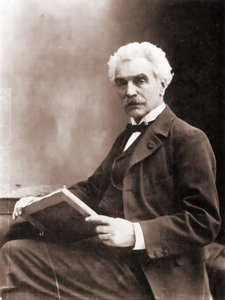
ジャン=バティスト・カルポー
1827 - 1875 , フランス
基本情報
- Artistic Movement Or Style: 自然主義、写実主義
- Artists Or Movements Influenced By This Artist: ['オーギュスト・ロダン']
- Artists Who Influenced This Artist:
- ミケランジェロ
- ドナテッロ
- ヴェロッキオ
- フランソワ・リュード
- Date Of Birth: 1827年
- Date Of Death: 1875年
- Full Name: ジャン=バティスト・カルポー
- Nationality: フランス
- Notable Artworks:
- ウゴリーノと彼の息子たち
- ナポリの漁師少年
- ラ・ダンス(踊り)
- 黒人女性
- Place Of Birth: フランス、ヴァランシエンヌ
関連記事

Bronze Sculptures That Defined Art History | ArtsDot
Journey through art history with our Top 10 bronze sculptures! Explore masterpieces by Rodin, Michelangelo & more. Discover stories behind iconic statues and find museum-quality reproductions for your home decor at ArtsDot.com.

Jean-Baptiste Carpeaux: Sculpting Passion & Controversy in 19th-Century France
Explore the passionate life & controversial works of Jean-Baptiste Carpeaux, a leading French sculptor of the Second Empire. Discover his realism, iconic sculptures like 'Ugolino,' and lasting legacy as a precursor to Rodin.

The Enduring Form: Exploring Themes & Techniques in Sculpture Across Historical Periods
Explore the rich history of sculpture from ancient masterpieces to contemporary innovations. Discover key techniques, influential artists & investment potential for discerning art collectors.

Bronze Age to Modern Masters: 10 Sculptures That Redefined Art | ArtsDot
Journey through art history with 10 legendary bronze sculptures – from Michelangelo's David to Rodin’s Thinker. Explore the stories, techniques & timeless beauty of these masterpieces. Find museum-quality reproductions & elevate your home decor on ArtsDot.com.
The Enduring Form: Sculpture Across History, Technique & Emotional Resonance
Explore the rich history of sculpture with ArtsDot. Discover key techniques, influential artists & investment potential for discerning collectors. Expert insights into valuing and collecting timeless masterpieces.

