

 プレビュー
プレビュー
 プリントを購入
 シェアする
シェアする シェアする
シェアする
 詳細を見る
詳細を見る

 ダウンロード
 似ている作品
 X線調査
X線調査 スライドショー
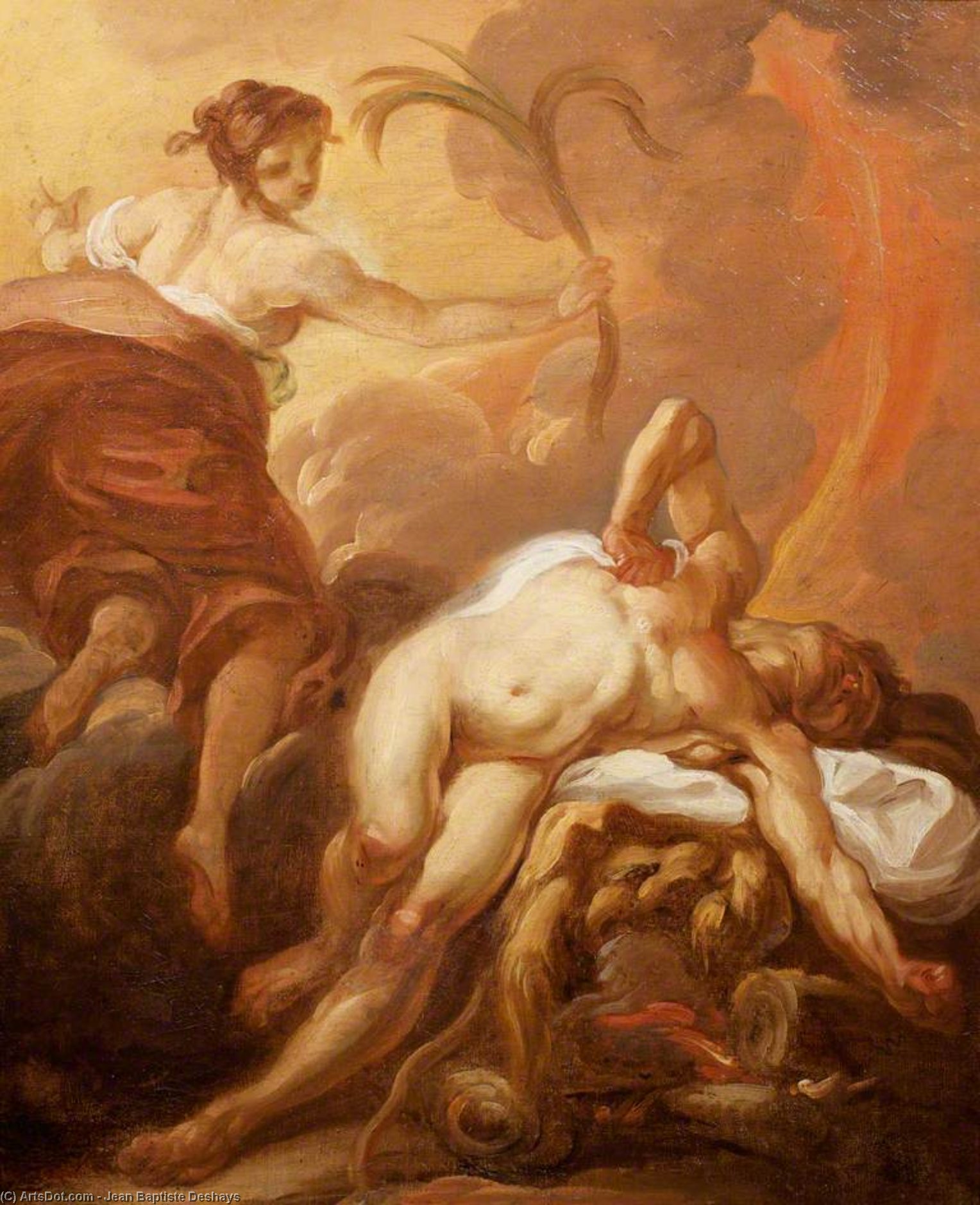
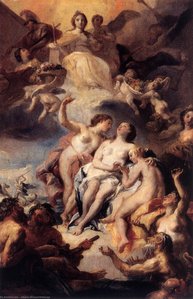
Death Of Hercules
 詳細を見る
詳細を見る




































作品のオリジナル比率に合わせた、当店の規定サイズからお選びください。

特定のフレームやスペースに合わせて、ご希望のサイズをご入力いただけます。選択されたサイズが元の画像の比率と異なる場合、アートワークをトリミングするか、手描きで要素を追加して絵画を拡張いたします。デジタルモックアップ を制作し、制作開始前にご確認(承認)をいただきます。
画面上のプレビューは、実際のトリミングや拡張を正確に反映しているものではありません。最終的な構図は、モックアップによってのみ正確にご確認いただけます。
カスタムサイズもご利用いただけますが、元の比率を維持するためには、あらかじめ用意されたリストからサイズを選択することをお勧めいたします。
ご注文後、ArtsDot.com チームより詳細な指示をお送りするとともに、仕上がりイメージ(モックアップ)をご提供いたします。


 ガラスオプションは、110cm未満のサイズでのみご利用いただけます。

Death Of Hercules
複製技法
複製画のサイズ
-


合計金額
$ 263
関連作品
アーティストの略歴
Jean Baptiste Deshayes de Colleville: Bridging Classical Grandeur and Romantic Emotion
Jean Baptiste Deshays de Colleville (1729 – 10 February 1765) stands as a pivotal figure in French Romanticism, yet his artistic legacy is rooted firmly within the stylistic conventions of the preceding Baroque and Neoclassical eras. Born in Colleville-sur-Mer, Normandy, Deshays’s early training under his father, Jean Dominique Deshays—a minor Rouen painter—established him on a path toward mastering traditional techniques while simultaneously absorbing influences from emerging artistic currents. This dual engagement is evident throughout his oeuvre, characterized by meticulous detail and compositional balance alongside expressive brushwork that anticipates the emotional intensity of Romantic painters like Eugène Delacroix.- Early Training & Influences: Deshays’s formative years included studies at Jean Baptiste Descamps' École Gratuite de Dessin in Rouen, where he honed his skills alongside fellow artists destined for prominence. Crucially, his time spent in Hyacinthe Collin de Vermont’s studio and Jean Restout II’s atelier exposed him to the grandeur of Jean Jouvenet’s Parisian school—a bastion of Neoclassical style—further solidifying his grounding in classical aesthetics.
- The Prix de Rome Competition: Deshays' ambition propelled him into the prestigious Prix de Rome competition in 1750, securing second prize with “Laban Giving His Daughter in Marriage to Jacob.” This monumental canvas exemplifies his mastery of historical painting—a genre favored by the Académie Royale de Peinture et de Sculpture—and showcases a deliberate effort to emulate Raphael’s idealized compositions. The subsequent award for “Job on the Dung-hill” cemented his reputation as a gifted artist and demonstrated his ability to convey profound emotion through carefully crafted imagery.
- Roman Artistic Development: Deshays' three-year residency at the École des Élèves Protégés under Carle van Loo proved invaluable, immersing him in the latest innovations of Flemish painting and fostering connections with influential artistic figures. However, his time spent at the Académie Royale de Peinture et de Sculpture—particularly under Charles Joseph Natoire—marked a decisive shift toward embracing Romantic ideals. He undertook numerous copies of Raphael’s masterpieces, meticulously studying the artist's techniques and stylistic choices, while simultaneously exploring the expressive potential of dramatic lighting and dynamic brushstrokes.
Major Achievements & Artistic Style
Deshays’s artistic style can be described as a harmonious blend of Neoclassical precision and Romantic fervor. He meticulously rendered architectural details and drapery folds with exacting accuracy—a hallmark of the École des Élèves Protégés—yet he infused his canvases with palpable emotion through subtle tonal variations and expressive brushwork. His paintings frequently depict biblical narratives and mythological scenes, imbued with moral seriousness and psychological depth. Notable works include “Visitation” and “Annunciation”—vast canvases commissioned for the monastery of the Visitation at Rouen—which exemplify his ability to execute monumental commissions while maintaining artistic integrity. Furthermore, his depiction of Hercules—a subject favored by Romantic painters—demonstrates a willingness to experiment with innovative compositional strategies and emotional intensity.Legacy & Historical Significance
Despite exhibiting only four times at official Salons during his lifetime—a relatively infrequent occurrence for artists of his stature—Deshays’s influence extended beyond the confines of Parisian artistic circles. His marriage to Boucher's daughter, Angelica Eliza Bouchier, secured a prominent position within the French aristocracy and ensured that his artistic legacy would endure. He became a full academician in 1758, solidifying his status as one of France’s leading painters. Jean Baptiste Deshayes de Colleville’s contribution to the development of Romantic art lies not merely in stylistic emulation but in establishing a precedent for blending classical refinement with emotional expression—a distinction that continues to resonate within the broader history of French painting. His meticulous technique and profound understanding of human psychology cemented his place as an artist who bridged the gap between two transformative artistic movements.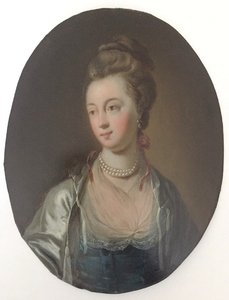
jean baptiste deshays de colleville
1729 - 1765 , France
基本情報
- Artistic Movement Or Style: Grand Style of French history painting
- Artists Or Movements Influenced By This Artist:
- Raphael
- Georges Lefebvre
- Artists Who Influenced This Artist:
- Jean Jouvenet
- Carle van Loo
- Date Of Birth: Colleville-sur-Mer, France (1729)
- Date Of Death: 1765
- Full Name: Jean Baptiste Henri Deshays
- Nationality: French
- Notable Artworks:
- Death of Hercules
- Laban Giving his Daughter in Marriage to Jacob
- Place Of Birth: France

