

 プレビュー
プレビュー
 プリントを購入
 シェアする
シェアする シェアする
シェアする
 詳細を見る
詳細を見る

 ダウンロード
 似ている作品
 X線調査
X線調査 スライドショー
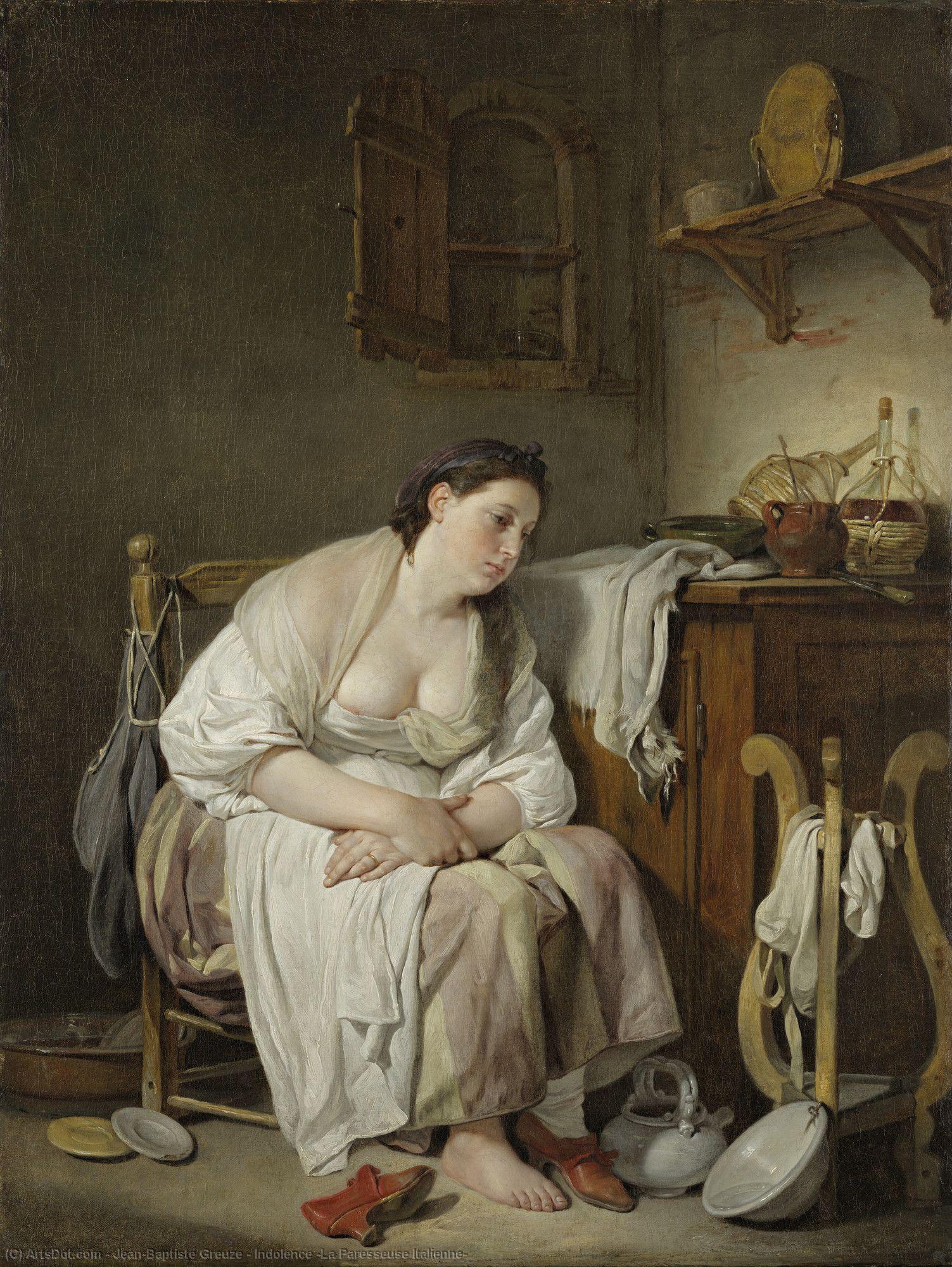
Indolence (La Paresseuse Italienne)
 Oil On Canvas
- WallArt
- Rococo Sentimentality
 1756
1756 70.0 x 49.0 cm
 Wadsworth Atheneum
 詳細を見る
詳細を見る




P118B $10

P118H $10

P118W $10

P438Z $10

P508JH $12

P508YH $12

P805H $10

P805Z $10

P919BZ $10

P919G $10

P919XJ $10

P959ZH $10

P968JZ $12

W106C $8

W218G $10

W218JH $8

W218Y $10

W307PJ $10

W316G $10

W316PJ $8

W316Y $10

W398PJ $8

W4111J $10

W500HY $15

W500JH $15

W692G $12

W849H $8

W940BG $15

W953PJ $8




作品のオリジナル比率に合わせた、当店の規定サイズからお選びください。

特定のフレームやスペースに合わせて、ご希望のサイズをご入力いただけます。選択されたサイズが元の画像の比率と異なる場合、アートワークをトリミングするか、手描きで要素を追加して絵画を拡張いたします。デジタルモックアップ を制作し、制作開始前にご確認(承認)をいただきます。
画面上のプレビューは、実際のトリミングや拡張を正確に反映しているものではありません。最終的な構図は、モックアップによってのみ正確にご確認いただけます。
カスタムサイズもご利用いただけますが、元の比率を維持するためには、あらかじめ用意されたリストからサイズを選択することをお勧めいたします。
ご注文後、ArtsDot.com チームより詳細な指示をお送りするとともに、仕上がりイメージ(モックアップ)をご提供いたします。


 ガラスオプションは、110cm未満のサイズでのみご利用いただけます。

Indolence (La Paresseuse Italienne)
複製技法
複製画のサイズ
-


合計金額
$ 263
作品解説
Indolence (La Paresseuse Italienne): A Study in Sentiment and Light
Jean-Baptiste Greuze’s “Indolence (La Paresseuse Italienne)” – painted in 1756 – is not merely a portrait; it's a meticulously crafted distillation of the burgeoning sentimentalism that defined much of eighteenth-century French art. This intimate scene, housed today within the Wadsworth Atheneum Museum of Art in Hartford, Connecticut, offers a glimpse into a world of languid repose and quiet contemplation, rendered with an almost unbearable tenderness by Greuze’s masterful hand. The painting depicts a young Italian woman, draped in a simple white gown, reclining on a chair – a deliberate choice that immediately evokes notions of idleness and leisure. Her posture is relaxed, her gaze distant, suggesting a state of blissful detachment from the demands of daily life. Yet, it's not simply laziness; there’s an underlying melancholy, a hint of vulnerability in her expression that speaks to a deeper emotional complexity. Greuze expertly utilizes light – a soft, diffused illumination – to sculpt the figure and create a sense of ethereal beauty, drawing the viewer into her private world. The subtle gradations of tone, from the pale cream of her skin to the delicate folds of her dress, demonstrate his remarkable skill in capturing the nuances of texture and form.The Rise of Genre Painting and Greuze’s Unique Style
Jean-Baptiste Greuze's rise to prominence is inextricably linked to the evolving tastes of his era. Following a protracted dispute with the Académie Royale de Paris, which initially rejected his work as lacking historical or mythological gravitas, Greuze successfully carved out a niche for himself as a genre painter – an artist who focused on depicting scenes from everyday life, often imbued with moral lessons and emotional intensity. Unlike many of his contemporaries, who favored grand narratives and idealized figures, Greuze chose to portray the lives of ordinary people, capturing their joys, sorrows, and vulnerabilities with unflinching honesty. His work resonated deeply with a public increasingly interested in exploring the complexities of human emotion, particularly themes of compassion, piety, and familial love. Greuze’s distinctive style – characterized by its dramatic lighting, expressive faces, and meticulous attention to detail – quickly established him as a leading figure in this emerging genre. He was known for his ability to evoke powerful emotions through seemingly simple scenes, often employing a theatrical approach that bordered on melodrama.Symbolism and the Language of Gesture
Beyond the immediate depiction of indolence, “Indolence” is rich in symbolic detail. The woman’s pose – her hands resting lightly on her chest, her eyes lowered – speaks volumes about her state of mind. The discarded shawl draped across the chair suggests a relinquishing of responsibility and a surrender to pleasure. The presence of a small table laden with simple objects – a bowl of fruit, a glass of wine – further reinforces the theme of leisurely indulgence. Notably, the woman’s scarlet shoes stand out against the muted tones of the background, drawing attention to her feet—a subtle reminder of earthly pleasures and the potential for vanity. The composition itself is carefully balanced, creating a sense of harmony and tranquility while simultaneously hinting at an underlying tension – the delicate balance between contentment and melancholy. The artist’s use of gesture is particularly noteworthy; each movement, each expression, conveys a wealth of emotion with remarkable precision.A Legacy of Sentimentality and Artistic Influence
Jean-Baptiste Greuze's work profoundly influenced subsequent generations of artists, shaping the development of sentimental painting in France and beyond. His focus on emotional realism and his ability to capture the nuances of human experience paved the way for later Romantic painters who sought to explore the depths of feeling. “Indolence (La Paresseuse Italienne)” remains a powerful testament to Greuze’s artistic vision, demonstrating his mastery of technique and his profound understanding of the human heart. It's a painting that invites contemplation, prompting viewers to consider not only the woman’s state of repose but also the broader themes of beauty, melancholy, and the fleeting nature of pleasure – all rendered with an exquisite blend of sensitivity and skill. Reproductions of this iconic work continue to captivate audiences today, offering a window into a bygone era and a poignant reminder of the enduring power of art to evoke emotion and inspire reflection.関連作品
アーティストの略歴
感情を刻み込んだ生涯:ジャン=バティスト・グレーズの世界
1725年、ブルゴーニュ地方の静かな町トゥールヌスに生まれたジャン=バティスト・グレーズは、18世紀フランス美術において重要な人物として台頭しました。彼の物語は、卓越した才能と、時代の高まりつつあるセンチメンタルな嗜好への深い理解によって推進された、目覚ましい躍進の歴史です。当初、屋根職人の父から芸術的な追求を思いとどめられていたグレーズ少年は、リヨンの画家グランドンから、育成を必要とする輝きが認められ、励ましを受けました。この指導は非常に重要であり、まずリヨンで、そして何よりもパリの王立アカデミーで、シャルル=ジョゼフ・ナトワールのもとで研究することにつながりました。グレーズは、この名門ホールの中で技術を磨き始めましたが、しばしば主流のアカデミックな歴史や神話的主題から逸脱し、独自の道を歩みました。ジャンル画家の台頭
グレーズの躍進は1755年、『Le Père de famille expliquant la Bible à ses enfants(子供たちに聖書を説明する父親)』によって実現しました。この作品は単なる家庭生活を描いたものではなく、家族の信心深さや道徳的教訓を表現し、啓蒙主義の理想を体現していました。この絵画は同時代の観客から深く共感を呼び、高まりつつあったブルジョワジーの美徳を捉えました。鋭い収集家アンジュ=ローラン・ド・ラ・リヴ・ド・ジュリーによって購入されたことで、グレーズの名声が確立しました。彼はその後も、日常生活の一端を垣間見ることができるジャンル画を描き続け、感情的な深みと道徳的ニュアンスを込めました。1755年、アベ・グーゴノーと共にイタリアへの旅に出ましたが、古典古代よりもフランス社会の現実からより大きなインスピレーションを得ることになりました。彼の喜び、悲しみ、後悔といった真の感情を引き出す能力は、同時代の人々とは一線を画し、道徳的な傾向を帯びた新しいロココ様式における主要な人物としての地位を確立しました。感情と道徳的物語の掌握
グレーズの芸術的強みは、絵を通して物語を語る能力にありました。『La Jeune Fille qui pleure son oiseau mort(死んだ鳥のために泣く少女)』や『Savoyard with a Dancing Doll(踊る人形を持つサヴォワール少年)』のような作品は、単なる子供の肖像画ではなく、悲しみ、無邪気さ、そして人間の経験の複雑さを探求しています。彼は微妙な表情を捉える並外れた才能を持ち、卓越した感性で内面の葛藤を表現しました。彼の構図はしばしば慎重に演出され、劇的な照明や表現力豊かなジェスチャーを利用して感情的なインパクトを高めました。ドニ・ディデロ、啓蒙主義の主要な知識人は、グレーズの作品の熱心な擁護者となり、「絵で道徳を描く」彼の能力を称賛しました。しかし、この成功はアーティストにとってジレンマを生み出しました。彼はアカデミー内で最も権威のあるカテゴリーである歴史画家として認められることを望み、『Septimius Severus Reproaching Caracalla(セプティミウス・セウェルスがカラカッラを非難する)』という作品で転換を図りました。この野心的な作品は厳しい批判にさらされ、グレーズは最終的にジャンル画家としてアカデミーに受け入れられ、その決定は彼のプライドを深く傷つけました。晩年と永続的な遺産
アカデミーからの拒絶は、グレーズのキャリアにおける転換点となりました。彼は長年にわたりサロンでの展示を控えるようになり、ますます隠遁的で憤慨するようになりました。彼の後期の作品はしばしば誘惑や道徳的逸脱というテーマを探求し、露骨な官能性に近づくこともありました。これらの絵画は技術的には優れていましたが、初期の傑作のような感情的な共鳴と道徳的な明瞭さを欠いていました。経済的な困難が彼の晩年を苦しめ、かつて享受していた名声とは対照的でした。彼は1805年にルーブル宮殿内で貧困の中で亡くなりました。この衰退にもかかわらず、ジャン=バティスト・グレーズのフランス美術への影響は依然として重要です。彼は現代生活に焦点を当て、普遍的な人間の感情を探求した新しいジャンル画を開拓しました。彼の作品は、誠実さと感性をもって日常生活の現実を描こうとした後世のアーティストたちの道を切り開きました。彼は、その感情的な力強さ、技術的な卓越性、そして永続的な関連性で観客を魅了し続ける作品群を残しました。主要な作品とその意義
- Le Père de famille expliquant la Bible à ses enfants (1755): 彼の初期の成功の礎であり、家族の信心深さという啓蒙主義の理想を体現しています。
- La Jeune Fille qui pleure son oiseau mort (c. 1765): グレーズの感情表現と痛切なストーリーテリングの腕前を示しています。
- Savoyard with a Dancing Doll (c. 1763): 子供たちの精神と脆弱性を捉え、肖像画における彼の技術を披露しています。
- Septimius Severus Reproaching Caracalla (1769): 歴史画への試みでしたが、彼の強みは別のところにあることを浮き彫りにしました。
- The Broken Pitcher (c. 1770s): 後期の作品におけるより官能的で曖昧なテーマへの移行を表しています。
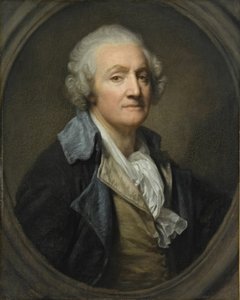
ジャン=バティスト・グレーズ
1725 - 1805
関連記事

華麗なるロココ:芸術史を彩る10大傑作の世界
華麗なるロココ美術の世界へ。バロックから生まれた優雅な芸術、その10大傑作を徹底解説!ブーシェ、フロマンなど巨匠たちの技と物語を紐解き、お部屋を彩るアートを見つけよう。ArtsDot.comで至高の美術館品質レプリカとインテリアアイデアを発見。
Maurice Quentin de La Tour: Light, Shadow & the Rococo Portrait
Explore the captivating world of Maurice Quentin de La Tour, a master of Rococo portraiture. Discover his innovative pastel techniques, intimate depictions of French aristocracy, and lasting artistic legacy. Learn more at ArtsDot.

The Rococo Aesthetic: Opulence, Rebellion & the Pursuit of Pleasure in 18th-Century Art
Explore the opulent world of Rococo art! Discover its origins, key artists like Watteau & Boucher, and lasting influence on design. Expert insights for collectors & enthusiasts.
ヴェネツィア・ビエンナーレ厳選25作品:芸術と歴史が織りなす至高のコレクション | ArtsDot
ヴェネツィア・ビエンナーレの至宝25選。印象派から現代アートまで、名画の背景にある物語と芸術家の情熱を紐解きます。ArtsDotで、キャンバスアートや油絵複製をお楽しみください。今すぐコレクションをご覧ください。
Jean-Baptiste Greuze: Morality, Sentiment & the Rise of Genre Painting
Explore the life & art of Jean-Baptiste Greuze, a pivotal French Rococo painter renowned for his emotionally resonant genre scenes and moral lessons. Discover his legacy & impact on 18th-century art history.

