

 プレビュー
プレビュー
 シェアする
シェアする シェアする
シェアする
 詳細を見る
詳細を見る

 ダウンロード
 似ている作品
 X線調査
X線調査 スライドショー
 Stats
StatsInnocence
 Acrylic
- WallArt
- Romanticism
 1790
1790 63.0 x 53.0 cm
 ウォールスコレクション
 詳細を見る
詳細を見る
オンラインプレビューをはるかに凌ぐ、高解像度で鮮明なデジタル画像をご購入いただけます。
各ファイルは、社内の専門家が高度なツールと熟練した手作業によるレタッチを用いて、細心の注意を払って準備されています。すべての画像において、卓越した鮮明度、正確な色彩再現性、そして繊細なディテールを保証いたします。
最終ファイルは、プロフェッショナルな編集・印刷環境ですぐにご利用いただけるよう最適化された状態で、72時間以内にメールにてお届けいたします。これは、一流のデザインスタジオ、出版社、ギャラリーから信頼されているものと同等の品質です。
デジタルアート
個人での鑑賞、印刷、クリエイティブなプロジェクト用に、高解像度ファイルをダウンロードできます。 ( Switch to Print 手描きの絵画を購入)
デジタル画像のご注文に付随する特典
高品質なデジタル画像配信を、確かな品質で。
ArtsDot.com を選ぶことは、単に画像を手に入れることではありません。それは、プロの手によって精密に仕上げられ、満足保証が付いた高品質なデジタルアートワークを受け取ることを意味します。ご注文いただいた際に自動的に付随する内容は、以下の通りです:

メールですぐにお届け
ご注文から72時間以内に、高解像度のデジタル画像ファイルがメールでお手元に届きます。すぐにそのままご利用いただけます。

AI技術で最適化されたデジタルファイル
お客様の作品は、高度なAIツールと専門家による手作業の編集を組み合わせてプロフェッショナルに最適化されており、細部のディテール、鮮明さ、そして正確な色再現性を最大限に引き出しています。

一生涯無料の再送サービス
ファイルを誤って削除したり、紛失してしまったりしましたか?ご安心ください。いつでも無料で再送いたします。

輸入手数料は一切かかりません
関税や手数料、配送料を気にすることなく、お気に入りのアートワークをすぐにお楽しみいただけます。デジタルダウンロードは常に免税です。

色彩再現の保証
プロ仕様のツールとカラーマネジメント技術を用いることで、デジタル画像が元の色を最大限に忠実に再現することを保証いたします。

100日間満足保証
ご購入いただいたデジタル画像にご満足いただけない場合は、100日以内であれば、理由を問わず修正または100%の返金対応をさせていただきます。

100% 返金保証
ご満足いただけない場合は、デジタルファイルを受け取ってから100日以内であれば、理由を問わず全額返金いたします。

まとめ買い割引
3枚購入で10%OFF - 5枚購入で15%OFF - 10枚以上購入で20%OFF。クリエイティブなプロジェクト、ギャラリー、エージェンシーに最適です。
A Portrait Steeped in Sentiment: Jean-Baptiste Greuze’s ‘Innocence’
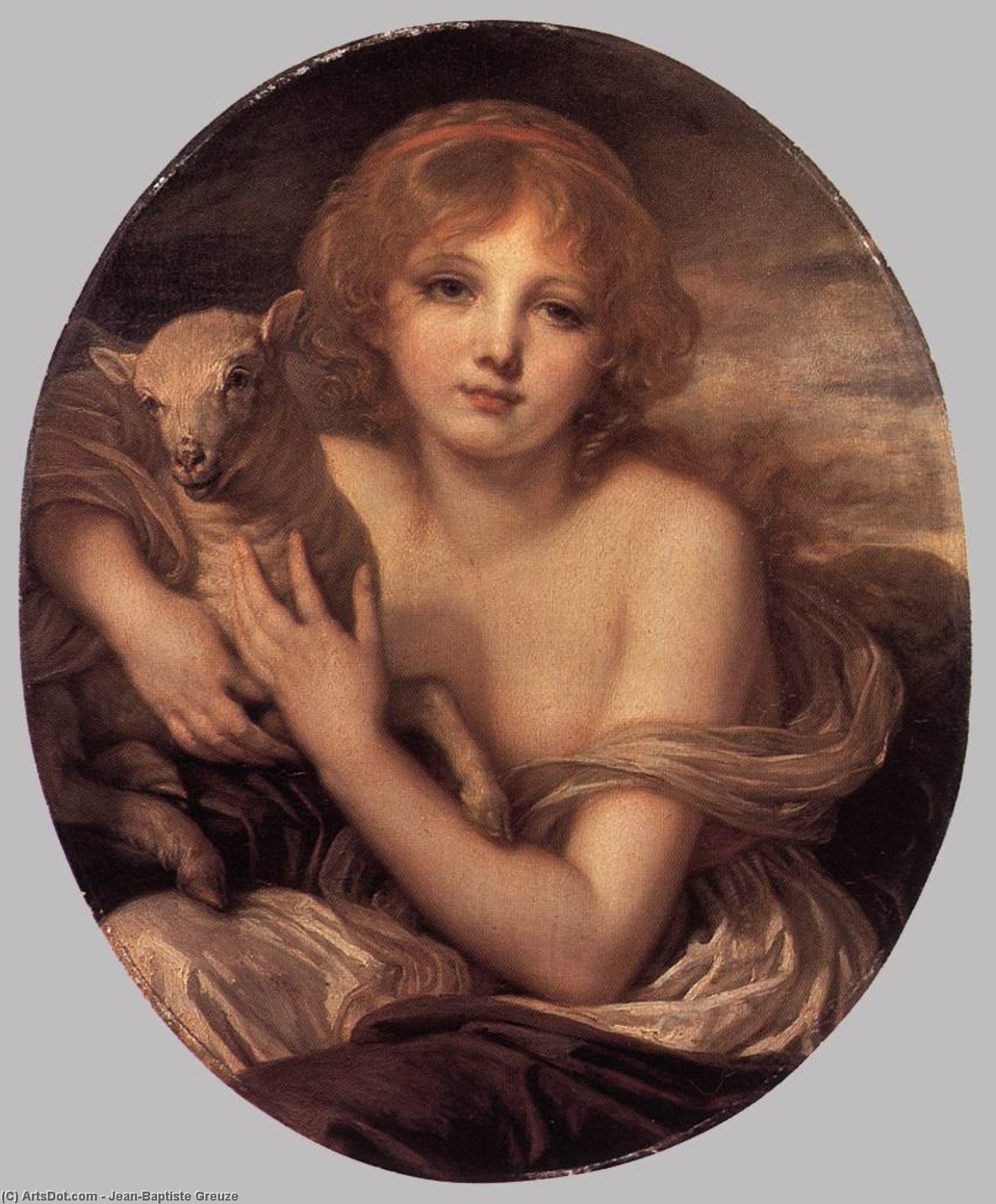
Jean-Baptiste Greuze's “Innocence,” completed around 1793, stands as an emblem of the Rococo era’s preoccupation with emotion and moral instruction—a testament to his mastery of capturing the tender vulnerability inherent in human experience. Executed on canvas measuring 63 x 53 cm, this captivating portrait depicts a young woman cradling a lamb, an image instantly recognizable for its profound simplicity and idealized beauty. The painting resides within the Wallace Collection’s holdings, offering visitors a rare glimpse into the artistic sensibilities of late eighteenth-century France.Style and Technique: Neoclassical Influence Amidst Rococo Flourishes
While firmly rooted in the Rococo style—characterized by delicate pastel hues, ornate ornamentation, and an emphasis on graceful curves—Greuze’s approach transcends mere decorative convention. Unlike many artists of his time who favored grand historical narratives or mythological allegories, Greuze deliberately eschewed such subjects, focusing instead on scenes from everyday life imbued with moral significance. His technique is meticulous, employing soft brushstrokes and subtle glazing to achieve an ethereal luminosity that enhances the emotional impact of the composition. The artist skillfully utilizes chiaroscuro—the dramatic interplay of light and shadow—to sculpt the woman’s figure and illuminate the lamb, creating a palpable sense of intimacy and tenderness.Historical Context: Sentimentality and Moral Reform
“Innocence” emerged during a period marked by significant social upheaval – the French Revolution was looming on the horizon – yet Greuze's work embodies an enduring fascination with themes of compassion, purity, and maternal devotion. The sentimental movement, gaining momentum throughout Europe, championed the depiction of human emotions as conduits for moral reform. Artists like Greuze sought to elevate the commonplace into something sublime, reminding viewers of the importance of virtue and empathy. This artistic impulse reflected a broader societal desire to instill ethical values amidst turbulent times.Symbolism: Lamb as Emblematic Virtue
The lamb itself serves as a potent symbol within the painting—representing innocence, meekness, and divine compassion. Traditionally associated with Christ’s sacrifice and purity, the lamb embodies spiritual virtue and underscores the woman's nurturing role. The pink ribbon adorning her hair further reinforces this symbolism, signifying modesty and grace – qualities highly valued during the Rococo period. Greuze’s deliberate choice of imagery speaks to a deeper philosophical concern: the preservation of moral goodness amidst societal pressures.Emotional Impact: A Window into Human Vulnerability
Ultimately, “Innocence” succeeds in conveying an overwhelming sense of tenderness and vulnerability. The woman's gaze is serene yet melancholic, reflecting both maternal love and perhaps a hint of sorrow—a poignant acknowledgment of the fragility inherent in human existence. Greuze’s masterful rendering captures not merely physical likeness but also psychological depth, inviting viewers to contemplate themes of compassion, purity, and the enduring power of maternal devotion. It remains a timeless masterpiece, resonating with audiences across generations as an unforgettable portrayal of innocence and grace.関連作品
作家の略歴
感情を刻み込んだ生涯:ジャン=バティスト・グレーズの世界
1725年、ブルゴーニュ地方の静かな町トゥールヌスに生まれたジャン=バティスト・グレーズは、18世紀フランス美術において重要な人物として台頭しました。彼の物語は、卓越した才能と、時代の高まりつつあるセンチメンタルな嗜好への深い理解によって推進された、目覚ましい躍進の歴史です。当初、屋根職人の父から芸術的な追求を思いとどめられていたグレーズ少年は、リヨンの画家グランドンから、育成を必要とする輝きが認められ、励ましを受けました。この指導は非常に重要であり、まずリヨンで、そして何よりもパリの王立アカデミーで、シャルル=ジョゼフ・ナトワールのもとで研究することにつながりました。グレーズは、この名門ホールの中で技術を磨き始めましたが、しばしば主流のアカデミックな歴史や神話的主題から逸脱し、独自の道を歩みました。ジャンル画家の台頭
グレーズの躍進は1755年、『Le Père de famille expliquant la Bible à ses enfants(子供たちに聖書を説明する父親)』によって実現しました。この作品は単なる家庭生活を描いたものではなく、家族の信心深さや道徳的教訓を表現し、啓蒙主義の理想を体現していました。この絵画は同時代の観客から深く共感を呼び、高まりつつあったブルジョワジーの美徳を捉えました。鋭い収集家アンジュ=ローラン・ド・ラ・リヴ・ド・ジュリーによって購入されたことで、グレーズの名声が確立しました。彼はその後も、日常生活の一端を垣間見ることができるジャンル画を描き続け、感情的な深みと道徳的ニュアンスを込めました。1755年、アベ・グーゴノーと共にイタリアへの旅に出ましたが、古典古代よりもフランス社会の現実からより大きなインスピレーションを得ることになりました。彼の喜び、悲しみ、後悔といった真の感情を引き出す能力は、同時代の人々とは一線を画し、道徳的な傾向を帯びた新しいロココ様式における主要な人物としての地位を確立しました。感情と道徳的物語の掌握
グレーズの芸術的強みは、絵を通して物語を語る能力にありました。『La Jeune Fille qui pleure son oiseau mort(死んだ鳥のために泣く少女)』や『Savoyard with a Dancing Doll(踊る人形を持つサヴォワール少年)』のような作品は、単なる子供の肖像画ではなく、悲しみ、無邪気さ、そして人間の経験の複雑さを探求しています。彼は微妙な表情を捉える並外れた才能を持ち、卓越した感性で内面の葛藤を表現しました。彼の構図はしばしば慎重に演出され、劇的な照明や表現力豊かなジェスチャーを利用して感情的なインパクトを高めました。ドニ・ディデロ、啓蒙主義の主要な知識人は、グレーズの作品の熱心な擁護者となり、「絵で道徳を描く」彼の能力を称賛しました。しかし、この成功はアーティストにとってジレンマを生み出しました。彼はアカデミー内で最も権威のあるカテゴリーである歴史画家として認められることを望み、『Septimius Severus Reproaching Caracalla(セプティミウス・セウェルスがカラカッラを非難する)』という作品で転換を図りました。この野心的な作品は厳しい批判にさらされ、グレーズは最終的にジャンル画家としてアカデミーに受け入れられ、その決定は彼のプライドを深く傷つけました。晩年と永続的な遺産
アカデミーからの拒絶は、グレーズのキャリアにおける転換点となりました。彼は長年にわたりサロンでの展示を控えるようになり、ますます隠遁的で憤慨するようになりました。彼の後期の作品はしばしば誘惑や道徳的逸脱というテーマを探求し、露骨な官能性に近づくこともありました。これらの絵画は技術的には優れていましたが、初期の傑作のような感情的な共鳴と道徳的な明瞭さを欠いていました。経済的な困難が彼の晩年を苦しめ、かつて享受していた名声とは対照的でした。彼は1805年にルーブル宮殿内で貧困の中で亡くなりました。この衰退にもかかわらず、ジャン=バティスト・グレーズのフランス美術への影響は依然として重要です。彼は現代生活に焦点を当て、普遍的な人間の感情を探求した新しいジャンル画を開拓しました。彼の作品は、誠実さと感性をもって日常生活の現実を描こうとした後世のアーティストたちの道を切り開きました。彼は、その感情的な力強さ、技術的な卓越性、そして永続的な関連性で観客を魅了し続ける作品群を残しました。主要な作品とその意義
- Le Père de famille expliquant la Bible à ses enfants (1755): 彼の初期の成功の礎であり、家族の信心深さという啓蒙主義の理想を体現しています。
- La Jeune Fille qui pleure son oiseau mort (c. 1765): グレーズの感情表現と痛切なストーリーテリングの腕前を示しています。
- Savoyard with a Dancing Doll (c. 1763): 子供たちの精神と脆弱性を捉え、肖像画における彼の技術を披露しています。
- Septimius Severus Reproaching Caracalla (1769): 歴史画への試みでしたが、彼の強みは別のところにあることを浮き彫りにしました。
- The Broken Pitcher (c. 1770s): 後期の作品におけるより官能的で曖昧なテーマへの移行を表しています。
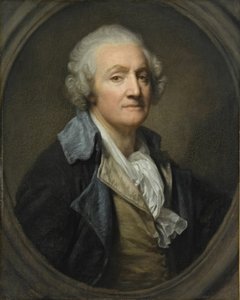
ジャン=バティスト・グレーズ
1725 - 1805