

 プレビュー
プレビュー
 プリントを購入
 シェアする
シェアする シェアする
シェアする
 詳細を見る
詳細を見る

 ダウンロード
 似ている作品
 X線調査
X線調査 スライドショー
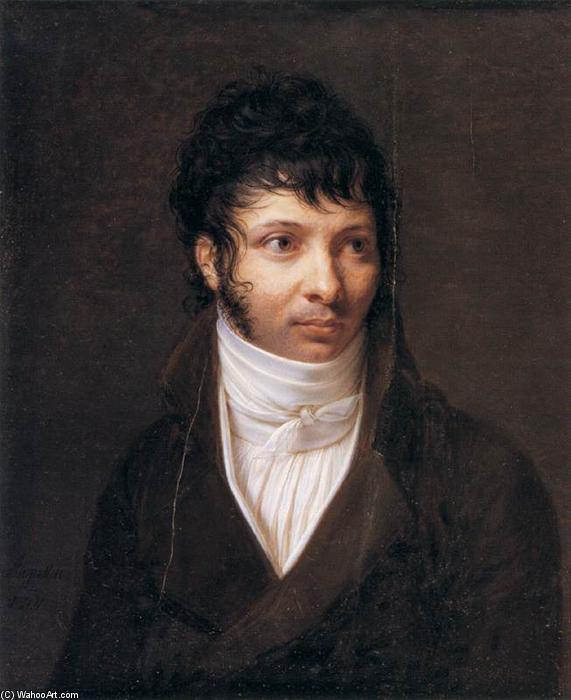
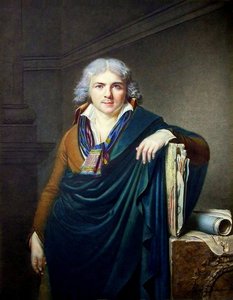
Portrait of the Sculptor Callamard
 Acrylic On Canvas
- WallArt
- Neoclassical Portraiture
 1801
1801 20.0 x 16.0 cm
 ルーブル美術館
 詳細を見る
詳細を見る




P118B $10

P118H $10

P118W $10

P438Z $10

P508JH $12

P508YH $12

P805H $10

P805Z $10

P919BZ $10

P919G $10

P919XJ $10

P959ZH $10

P968JZ $12

W106C $8

W218G $10

W218JH $8

W218Y $10

W307PJ $10

W316G $10

W316PJ $8

W316Y $10

W398PJ $8

W4111J $10

W500HY $15

W500JH $15

W692G $12

W849H $8

W940BG $15

W953PJ $8




作品のオリジナル比率に合わせた、当店の規定サイズからお選びください。

特定のフレームやスペースに合わせて、ご希望のサイズをご入力いただけます。選択されたサイズが元の画像の比率と異なる場合、アートワークをトリミングするか、手描きで要素を追加して絵画を拡張いたします。デジタルモックアップ を制作し、制作開始前にご確認(承認)をいただきます。
画面上のプレビューは、実際のトリミングや拡張を正確に反映しているものではありません。最終的な構図は、モックアップによってのみ正確にご確認いただけます。
カスタムサイズもご利用いただけますが、元の比率を維持するためには、あらかじめ用意されたリストからサイズを選択することをお勧めいたします。
ご注文後、ArtsDot.com チームより詳細な指示をお送りするとともに、仕上がりイメージ(モックアップ)をご提供いたします。


 ガラスオプションは、110cm未満のサイズでのみご利用いただけます。

Portrait of the Sculptor Callamard
複製技法
複製画のサイズ
-


合計金額
$ 263
A Portrait of Quiet Contemplation: Jean Baptiste Augustin’s “Portrait of the Sculptor Callamard”
Jean Baptiste Augustin's "Portrait of the Sculptor Callamard," painted in 1801, is more than a simple likeness; it’s a carefully constructed tableau of intellect and restrained emotion. This intimate portrait captures Charles Antoine Callamard, a young sculptor on the cusp of recognition, not with bombast or overt display, but with a subtle dignity that speaks volumes about his character and artistic temperament. The painting immediately draws the viewer in with its dark, almost velvety background – a deliberate choice that serves to isolate the subject and intensify the focus on his face and upper body. Augustin masterfully employs chiaroscuro, utilizing light to sculpt Callamard’s features and create a dramatic interplay of shadow and highlight, lending an air of seriousness and introspection to the scene.
Augustin's style firmly places this work within the Neoclassical tradition, prevalent in France during the early 19th century. The subject’s attire – a dark coat with a high collar beneath a crisp white shirt – echoes the formality of the era, suggesting a man accustomed to respect and perhaps even a certain self-importance, qualities befitting an artist striving for recognition. The meticulous rendering of his clothing, particularly the folds in the fabric, demonstrates Augustin's commitment to realism and attention to detail, hallmarks of Neoclassical painting. The subtle modeling of Callamard’s face – the slight furrow of his brow, the thoughtful cast of his eyes – reveals a keen understanding of human anatomy and expression.
Delving into the Symbolism of Form and Gesture
Beyond mere representation, “Portrait of the Sculptor Callamard” is rich in symbolic meaning. The sculptor’s pose—leaning slightly forward with one hand resting on his hip—conveys a sense of quiet confidence and intellectual engagement. It's not an aggressive stance, but rather one of considered observation, mirroring the artist’s own process of creation. The dark background can be interpreted as representing the unknown potential within Callamard’s artistic vision, while the light illuminating his face symbolizes the nascent brilliance he is poised to unleash upon the world. The choice of a young sculptor as the subject also carries significance; it speaks to the ideals of the Neoclassical era – a renewed interest in classical antiquity and its emphasis on reason, virtue, and human potential.
A Glimpse into the Artistic World of 1801
To understand the context of this portrait, one must consider the artistic landscape of early 19th-century France. Following the upheaval of the French Revolution, there was a strong desire to return to classical ideals and values. Neoclassicism flourished as an artistic movement, emphasizing order, clarity, and restraint – qualities that resonated with the post-revolutionary sensibilities. Augustin’s work reflects this cultural shift, offering a dignified portrayal of an individual navigating the complexities of a changing society. The portrait was likely commissioned for a specific patron, perhaps a member of Callamard's circle or someone who admired his talent. Such commissions were not merely about capturing likeness; they were opportunities to showcase artistic skill and reinforce social connections.
The Enduring Appeal of a Masterful Portrait
“Portrait of the Sculptor Callamard” is a testament to Augustin’s artistry and his ability to capture the essence of his subject. It's a painting that invites contemplation, prompting viewers to consider not only Callamard’s physical appearance but also his inner world – his ambitions, his thoughts, and his quiet determination. Reproductions of this piece offer an exceptional opportunity to bring this evocative portrait into any setting, adding a touch of intellectual sophistication and historical resonance. The subtle details, the masterful use of light and shadow, and the profound sense of character all contribute to its enduring appeal, making it a truly remarkable example of Neoclassical portraiture.
Further Research: For more information about Jean Baptiste Augustin and his artistic career, consider exploring resources such as the Web Gallery of Art. You may also find related works by artists like Jacques Gamelin, whose “Portrait de Jean Baptiste François Frion” exemplifies a similar Neoclassical style and dramatic lighting.
関連作品



アーティストの略歴
Frederik de Moucheron: A Master of Baroque Still Life
Born in 1633 and passing away in 1686, Frederik de Moucheron was a prominent figure within the Dutch Baroque art scene. While not as widely celebrated as some of his contemporaries, his contributions to still life painting are significant, offering a unique blend of meticulous detail, religious devotion, and a subtle, almost melancholic beauty. De Moucheron’s work reflects the prevailing trends of his time – a fascination with light, shadow, and the textures of everyday objects – but also possesses a distinct personality that sets him apart.
De Moucheron's early life remains somewhat shrouded in mystery, lacking extensive biographical details. He was trained as a landscape painter, a common path for aspiring artists during his era. However, he quickly gravitated towards still life, finding within this genre the opportunity to explore themes of faith and mortality with remarkable sensitivity. His paintings frequently depict arrangements of fruits, flowers, and other objects – often accompanied by religious symbols – creating layered narratives that invite contemplation. The influence of Carlo Dolci, a Florentine painter known for his devotional still lifes, is readily apparent in de Moucheron’s style; both artists shared a penchant for luminous color palettes and a focus on the spiritual significance of their subjects.
- Key Characteristics: De Moucheron's paintings are characterized by an extraordinary level of detail. He meticulously rendered every surface, capturing the sheen of fruit skins, the delicate veins of leaves, and the subtle variations in color. His compositions often feature a carefully arranged pyramid structure, drawing the viewer’s eye to the central focal point.
- Religious Symbolism: De Moucheron frequently incorporated religious symbols into his still lifes – skulls representing mortality, grapes symbolizing the blood of Christ, and lilies signifying purity. These elements elevate the seemingly simple arrangements to profound meditations on life, death, and redemption.
- Color Palette: His use of color is remarkably restrained yet evocative. He favored muted tones—ochres, browns, and greens—creating a sense of quiet solemnity and drawing attention to the textures and forms within each composition.
The Influence of Carlo Dolci and the Florentine Tradition
As noted in research from Art UK, Carlo Dolci’s work served as a significant influence on de Moucheron's artistic development. Dolci, who painted during the same period, was renowned for his intensely devotional still lifes, often depicting scenes of religious contemplation within intimate domestic settings. De Moucheron adopted many of Dolci’s techniques – particularly his masterful use of light and shadow to create a sense of atmosphere—but he developed a more refined and polished style.
The Florentine tradition, with its emphasis on naturalism and the depiction of everyday objects imbued with spiritual meaning, provided a crucial foundation for de Moucheron’s artistic vision. Sir John Finch, a British physician who collected Dolci's works, recognized the value of this connection, highlighting the appeal of these paintings to contemporary European audiences. De Moucheron’s work can be seen as a continuation and evolution of this rich artistic heritage.
Technique and Materials
De Moucheron was known for his meticulous approach to painting, employing a technique characterized by smooth brushwork and an almost photographic level of detail. He utilized oil paints on panel, carefully layering glazes to achieve the desired luminosity and depth. His dedication to realism is evident in every aspect of his work – from the precise rendering of textures to the subtle variations in color.
He was a master of capturing the fleeting effects of light, creating an illusion of three-dimensionality that draws the viewer into the scene. His paintings are not merely representations of objects; they are carefully constructed visual narratives designed to evoke contemplation and spiritual reflection. The influence of Jean-Baptiste Oudry, who focused on animal still lifes and experimented with various media, is also noticeable in de Moucheron’s attention to detail and his ability to capture the essence of natural forms.
Legacy and Historical Significance
Despite not achieving widespread fame during his lifetime, Frederik de Moucheron's work has gained renewed appreciation in recent decades. His paintings are now recognized as important examples of Dutch Baroque still life painting, offering a unique perspective on themes of faith, mortality, and the beauty of the natural world. His meticulous technique and subtle symbolism continue to resonate with viewers today.
De Moucheron’s legacy lies not only in his individual paintings but also in his contribution to the broader artistic landscape of 17th-century Holland. His work serves as a reminder that even within established traditions, artists can develop distinctive voices and create works of enduring beauty and significance.
jean baptiste jacques augustin
1686 - 1755 , France
基本情報
- Artistic Movement Or Style: Baroque, Landscape painting
- Artists Or Movements Influenced By This Artist: ['Carlo Dolci']
- Artists Who Influenced This Artist: ['Isaac']
- Date Of Birth: 1633
- Date Of Death: 1686
- Full Name: Frederik de Moucheron
- Notable Artworks: ['']
関連記事

Bronze Sculptures That Defined Art History | ArtsDot
Journey through art history with our Top 10 bronze sculptures! Explore masterpieces by Rodin, Michelangelo & more. Discover stories behind iconic statues and find museum-quality reproductions for your home decor at ArtsDot.com.

The Enduring Form: Exploring Themes & Techniques in Sculpture Across Historical Periods
Explore the rich history of sculpture from ancient masterpieces to contemporary innovations. Discover key techniques, influential artists & investment potential for discerning art collectors.

The Enduring Form: Sculpture Across History, Technique & Emotional Resonance
Explore the rich history of sculpture with ArtsDot. Discover key techniques, influential artists & investment potential for discerning collectors. Expert insights into valuing and collecting timeless masterpieces.

Theatricality & Triumph: Baroque Drama in Painting & Sculpture
Explore the dramatic world of Baroque art! Discover its history, defining characteristics, & lasting influence on painting & sculpture. Expert insights into Caravaggio, Zurbarán, and Bernini – plus high-quality reproductions at ArtsDot.

Bronze Age to Modern Masters: 10 Sculptures That Redefined Art | ArtsDot
Journey through art history with 10 legendary bronze sculptures – from Michelangelo's David to Rodin’s Thinker. Explore the stories, techniques & timeless beauty of these masterpieces. Find museum-quality reproductions & elevate your home decor on ArtsDot.com.

