

 プレビュー
プレビュー
 プリントを購入
 シェアする
シェアする シェアする
シェアする
 詳細を見る
詳細を見る

 ダウンロード
 似ている作品
 X線調査
X線調査 スライドショー
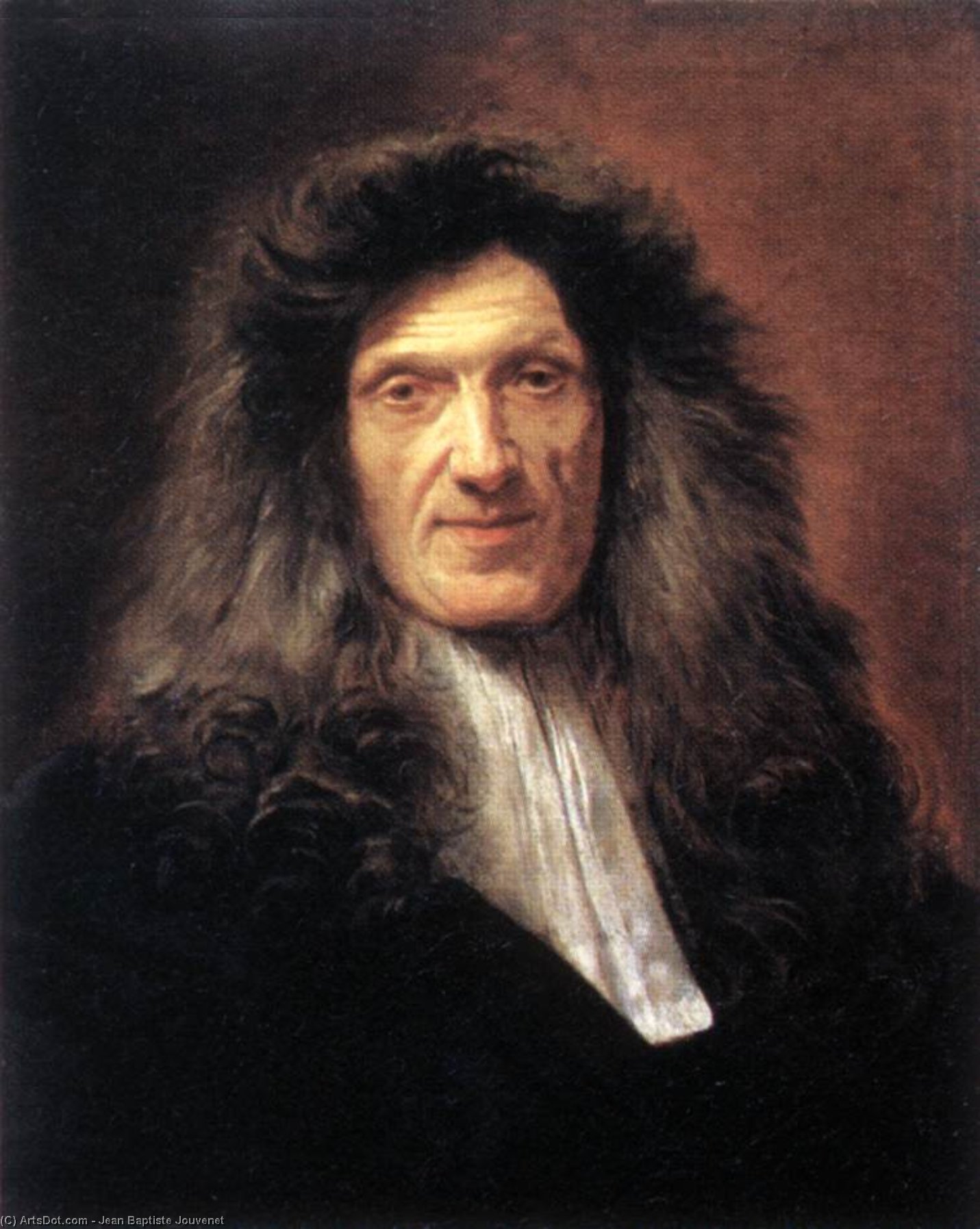
Dr Raymond Finot
 Oil On Canvas
- WallArt
- Baroque
 1704
1704 73.0 x 59.0 cm
 ルーブル美術館
 詳細を見る
詳細を見る




P118B $10

P118H $10

P118W $10

P438Z $10

P508JH $12

P508YH $12

P805H $10

P805Z $10

P919BZ $10

P919G $10

P919XJ $10

P959ZH $10

P968JZ $12

W106C $8

W218G $10

W218JH $8

W218Y $10

W307PJ $10

W316G $10

W316PJ $8

W316Y $10

W398PJ $8

W4111J $10

W500HY $15

W500JH $15

W692G $12

W849H $8

W940BG $15

W953PJ $8




作品のオリジナル比率に合わせた、当店の規定サイズからお選びください。

特定のフレームやスペースに合わせて、ご希望のサイズをご入力いただけます。選択されたサイズが元の画像の比率と異なる場合、アートワークをトリミングするか、手描きで要素を追加して絵画を拡張いたします。デジタルモックアップ を制作し、制作開始前にご確認(承認)をいただきます。
画面上のプレビューは、実際のトリミングや拡張を正確に反映しているものではありません。最終的な構図は、モックアップによってのみ正確にご確認いただけます。
カスタムサイズもご利用いただけますが、元の比率を維持するためには、あらかじめ用意されたリストからサイズを選択することをお勧めいたします。
ご注文後、ArtsDot.com チームより詳細な指示をお送りするとともに、仕上がりイメージ(モックアップ)をご提供いたします。


 ガラスオプションは、110cm未満のサイズでのみご利用いただけます。

Dr Raymond Finot
複製技法
複製画のサイズ
-


合計金額
$ 263
The Weight of Years: Dr Raymond Finot by Jean-Baptiste Jouvenet
Jean-Baptiste Jouvenet’s “Dr Raymond Finot,” painted in 1704, isn't merely a portrait; it’s a carefully constructed meditation on time, wisdom, and the quiet dignity of age. Housed within the hallowed halls of the Louvre Museum in Paris, this oil on canvas offers a rare glimpse into the world of 18th-century French society through the eyes of a discerning artist. More than just a likeness, it’s a study in subtle expression, masterful technique, and the profound beauty found in the weathered face of experience.
The subject himself, Dr. Raymond Finot, remains somewhat shrouded in historical detail, adding to the painting's enigmatic allure. However, within the context of 1704, he represents a figure of considerable standing – likely a respected physician and member of the Parisian elite. Jouvenet’s skill lies not in flamboyant display but in capturing the essence of this man through carefully observed details: the deep lines etched into his face, each one telling a silent story; the slightly furrowed brow suggesting contemplation; and the gentle curve of his lips hinting at both wisdom and perhaps a touch of melancholy. The painting avoids idealization, presenting an honest and unvarnished portrayal of a man nearing the end of his life.
A Baroque Masterpiece: Technique and Style
Jouvenet’s style is firmly rooted in the Baroque tradition, yet he possesses a remarkable restraint that distinguishes him from some of his more overtly dramatic contemporaries. The composition is balanced and harmonious, with the figure centrally positioned within a muted, earth-toned background – a deliberate choice that draws all attention to the subject's face. The artist employs a technique known as *chiaroscuro*, skillfully manipulating light and shadow to create depth and volume. Notice how the light catches the highlights of his hair and clothing, while simultaneously deepening the shadows around his eyes and mouth, adding to the painting’s dramatic effect.
His brushwork is remarkably controlled and precise, particularly evident in the rendering of the wrinkles and folds of his garments. This meticulous attention to detail speaks volumes about Jouvenet's dedication to realism and his ability to capture the textures and nuances of the human form. The use of oil paints allows for a rich, luminous quality that enhances the painting’s overall impact. The subtle gradations of color create a sense of atmosphere and contribute to the feeling of intimacy within the scene.
Symbolism and Historical Context
“Dr Raymond Finot” is not simply a portrait; it's imbued with symbolic meaning reflective of its time. The setting, though understated, speaks volumes about the social standing of the subject. The painting was created during the reign of Louis XIV, the “Sun King,” and reflects the values and priorities of the French court – a focus on order, reason, and refinement. The doctor’s attire, while elegant, is not ostentatious, suggesting a man of intellect and character rather than wealth or status.
Furthermore, the painting's creation coincided with a period of significant intellectual ferment in Europe, marked by the rise of scientific inquiry and philosophical debate. The subject’s contemplative gaze can be interpreted as an invitation to reflect on the mysteries of life, death, and the pursuit of knowledge – themes that resonated deeply within the cultural landscape of 18th-century France. The painting's placement in the Louvre Museum underscores its enduring significance as a testament to both artistic skill and historical insight.
A Timeless Portrait: Reproduction Possibilities
Today, “Dr Raymond Finot” remains a captivating work of art, offering viewers an opportunity to connect with a bygone era. High-quality reproductions are available through platforms like ArtsDot, allowing art enthusiasts worldwide to experience the painting’s beauty and nuance firsthand. When commissioning a reproduction, consider the meticulous hand-painted process employed by skilled artists – ensuring that every brushstroke captures the essence of Jouvenet's original vision. A faithful reproduction will not only adorn your walls but also serve as a tangible link to the rich artistic heritage of France.
関連作品
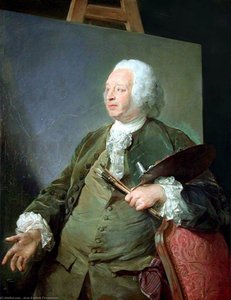
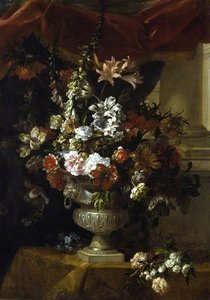
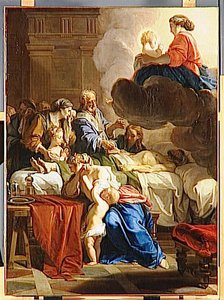
アーティストの略歴
神聖なる光の遺産:ジャン=バティスト・ジュヴェネの生涯と芸術
フランス・バロックという壮大で流麗なタペストリーにおいて、ジャン=バティスト・ジュヴェネが織りなした糸ほど、劇的な強烈さと精神的な深みを放つものは他に類を見ません。1644年、歴史ある街ルーアンに生まれたジュヴェネは、先祖たちが受け継いできた色彩と哲学に深く浸された人生を歩む運命にありました。彼は輝かしい芸術的血統の中に身を置いていました。父ローラン・ジュヴェネは彼に最初の導きを与え、また祖父ノエル・ジュヴェネを通じて伝説的なニコラ・プッサンとの繋がりさえ囁かれており、その系譜はヨーロッパ古典主義の礎に深く根ざしていたのです。芸術という言語に幼少期から触れていたことで、彼は光と形に対する鋭い感性を養い、それがやがてフランスで最も権威ある宮廷たちを魅了することとなりました。
パリの芸術界におけるジュヴェネの台頭は、まさに流星のごとき速さでした。首都に降り立った彼の類まれな才能は、フランス王立絵画の巨人、シャルル・ル・ブランの目に留まったのです。ル・ブランの指導のもと、ジュヴェネは当時の最も重要な芸術的企てであるヴェルサイユ宮殿「サロン・ド・マルス」の装飾という、時代の中心に身を置くことになりました。この濃密な共同作業と王室の壮麗さに触れた時期は、彼の発展途上の様式を鍛え上げる試練の場となりました。1675年には王立絵画彫刻アカデミーへの入会を果たし、これは彼が有望な弟子から、自立した巨匠へと変貌を遂げたことを象徴する出来事でした。アカデミー内での影響力は着実に増していき、やがて教授や四人の終身レクターという名誉ある地位に就き、次世代のフランス人画家たちの審美眼を形作ることになったのです。
バロック・ナチュラリズムの極致
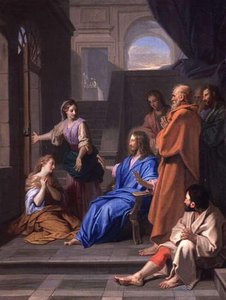
ジュヴェネを同時代の画家たちから真に際立たせているのは、バロック特有の記念碑的なスケール感と、深く心を打つ自然主義を融合させる卓越した能力です。当時の多くの芸術家が演劇的で人工的な表現に傾倒する一方で、ジュヴェエネは主題の中に、より深い真実を見出そうとしました。彼の宗教画は、その規模こそ壮大ですが、鑑賞者を聖なる物語へと引き込むような親密な感情の響きを湛えています。イエス・キリスト、マルタとマリアの家にてに見られる慈愛に満ちた日常の風景であれ、奇跡的な大漁のダイナミックで渦巻くようなエネルギーであれ、彼は豊かなパレットと見事な明暗法(キアロスクーロ)を駆使して、神聖なものに生命を吹き込んだのです。
その技術的な熟練度は、特に動きと光の扱いにおいて顕著でした。聖フィリップなどの作品を見れば、鮮やかな色彩とリズム感のある動きを用いて、いかにキリストの威厳を表現しているかが分かります。この「叙事詩的な壮大さ」と「人間的な親しみやすさ」を両立させる力があったからこそ、彼はルーヴル宮殿やチュイルリー宮殿といった象徴的な場所での大規模なフレスコ画プロジェクトを完遂することができました。そこでの彼の筆致は、広大な建築空間を圧倒しながらも、作品の本質である親密さを失うことはありませんでした。また、情感豊かなレモン・フィノ博士のような肖像画は、心理的な深みを見抜く鋭い眼差しと、現代的とも言える写実的な人物描写を示しており、彼の表現の幅広さを改めて証明しています。
歴史的意義と不朽の影響
ジャン=バティスト・ジュヴェネの歴史的重要な点は、17世紀初頭の厳格な古典主義と、その後に続くより感情豊かで流動的な様式との架け橋としての役割にあります。彼はル・ブラン派の中心的人物でありながら、その伝統に独自の生命力を吹き込み、様式が停滞することを防ぎました。ルイ14世の治世の絶頂期を駆け抜けた彼のキャリアは、より洗練され、感情的に複雑な視覚言語へと移行していく時代の変遷をそのまま映し出していたのです。
今日、彼の作品群を振り返るとき、その遺産にはいくつかの明白な要素が刻まれています:
- 様式の統合:フランス古典主義の構造的な規律と、バロックの劇的な感情主義を融合させた独自の能力。
- 精神的な自然主義:単なる寓意を超え、人間の感情と触知できる現実性を強調した、宗教図像学への革新的なアプローチ。
- アカデミーにおける指導力:王立アカデミーに与えた深い影響と、フランスにおける高度な技術教育の継続を確かなものにした功績。
- スケールの多様性:宮殿の記念碑的なフレスコ画から、心理的に複雑で親密な肖像画までを自在に描き分ける稀有な技量。
1717年にパリで世を去った後も、ジュヴェネの筆跡が残した残響は、今なおヨーロッパの偉大な美術館のホールに響き渡っています。彼は「神聖なる瞬間」の巨匠であり続け、地上のものと永遠なるものが交差する瞬間を、比類なき優雅さで捉えることができた芸術家なのです。
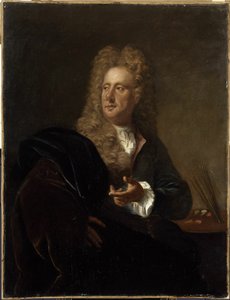
ジャン=バティスト・ジュヴネ
1644 - 1717 , フランス
基本情報
- Artistic Movement Or Style: バロック
- Artists Who Influenced This Artist:
- ニコラ・プッサン
- ル・ブラン
- ラファエロ
- Date Of Birth: 1644年5月1日
- Date Of Death: 1717年4月5日
- Full Name: ジャン=バティスト・ジュヴネ
- Nationality: フランス
- Notable Artworks:
- 大漁の奇跡
- 聖ヨハネ
- 聖ヨハネの昇天
- 十字架降下
- Place Of Birth: フランス、ルーアン
関連記事

Simon Vouet: A Baroque Master's Journey from Italian Influence to French Classicism
Explore the life & art of Simon Vouet, a pivotal French Baroque painter who introduced Italian styles to France. Discover his masterpieces and lasting influence on 17th-century art.
Jean-Baptiste Pater: Rococo Charm & Ephemeral Beauty of 18th-Century France
Explore the captivating world of Jean-Baptiste Pater, a master of Rococo painting. Discover his elegant *fête galante* scenes and shimmering portraits – a glimpse into 18th-century French aristocracy. Learn about his legacy & find high-quality reproductions.

バロックのドラマ:現代のインテリアに壮麗さと情感を取り込む
バロック様式の歴史、絵画、家具の魅力をご紹介。ArtsDotでは、高品質な油絵複製やカスタムポートレートをご提供し、現代のインテリアに壮麗さと情感を取り入れます。アートコンサルテーションも承ります。
From Grandeur to Grace: Exploring the Evolution of Baroque & Rococo Art
Explore the captivating evolution from Baroque's drama to Rococo's grace! Discover key artists, characteristics & lasting influence of these art movements with expert insights at ArtsDot.
Charles Le Brun: Master of French Baroque Classicism & His Enduring Legacy
Explore the life & art of Charles Le Brun, master of French Baroque Classicism. Discover his royal commissions, influence on Versailles, and enduring legacy through detailed analysis & stunning artworks.

