

 プレビュー
プレビュー
 プリントを購入
 シェアする
シェアする シェアする
シェアする
 詳細を見る
詳細を見る

 ダウンロード
 似ている作品
 X線調査
X線調査 スライドショー
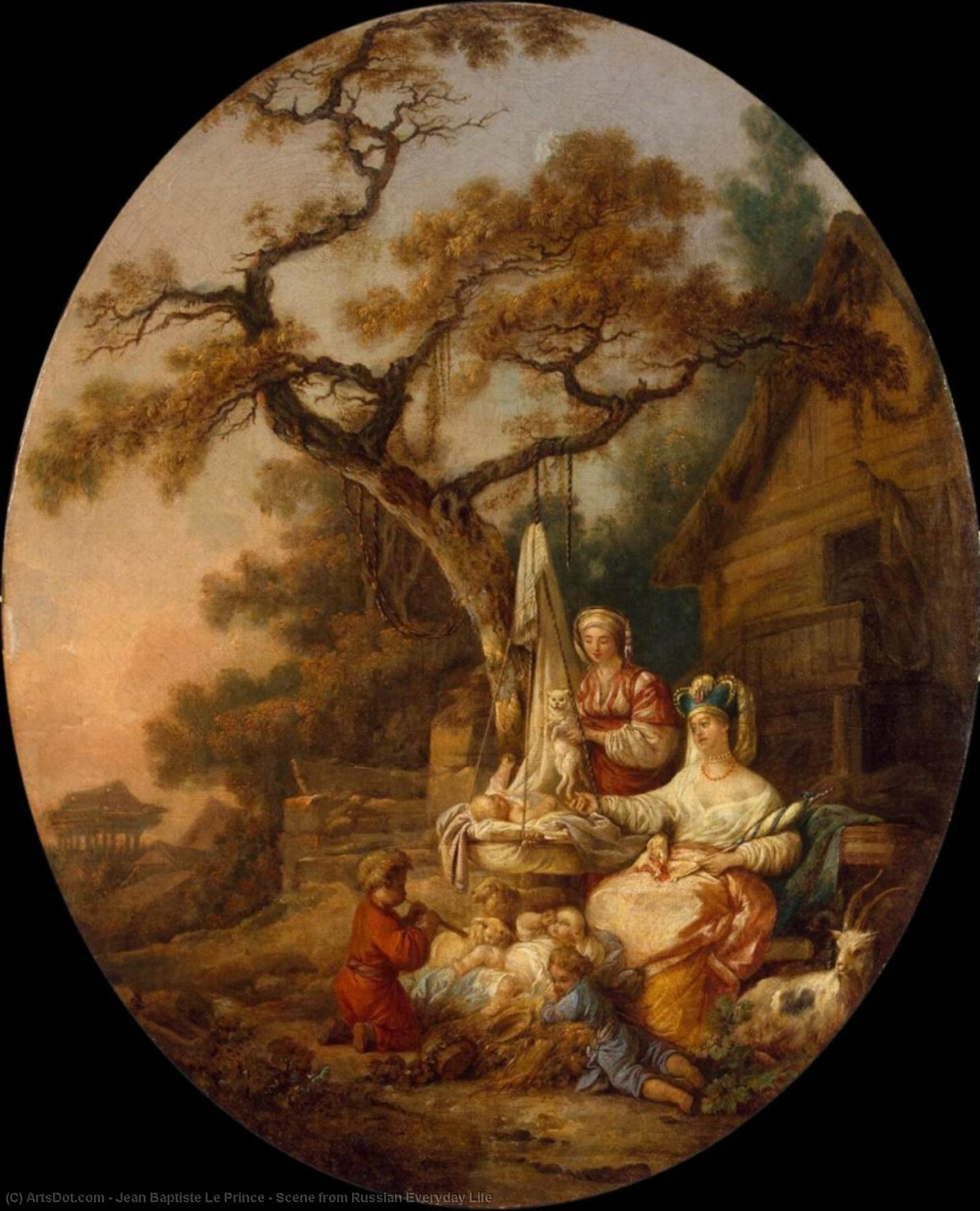
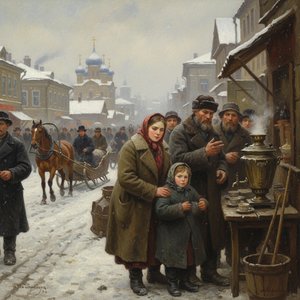
Scene from Russian Everyday Life
 Acrylic On Canvas
- WallArt
- Neoclassical
 1764
1764 73.0 x 60.0 cm
 エルミタージュ美術館
 詳細を見る
詳細を見る




P118B $10

P118H $10

P118W $10

P438Z $10

P508JH $12

P508YH $12

P805H $10

P805Z $10

P919BZ $10

P919G $10

P919XJ $10

P959ZH $10

P968JZ $12

W106C $8

W218G $10

W218JH $8

W218Y $10

W307PJ $10

W316G $10

W316PJ $8

W316Y $10

W398PJ $8

W4111J $10

W500HY $15

W500JH $15

W692G $12

W849H $8

W940BG $15

W953PJ $8




作品のオリジナル比率に合わせた、当店の規定サイズからお選びください。

特定のフレームやスペースに合わせて、ご希望のサイズをご入力いただけます。選択されたサイズが元の画像の比率と異なる場合、アートワークをトリミングするか、手描きで要素を追加して絵画を拡張いたします。デジタルモックアップ を制作し、制作開始前にご確認(承認)をいただきます。
画面上のプレビューは、実際のトリミングや拡張を正確に反映しているものではありません。最終的な構図は、モックアップによってのみ正確にご確認いただけます。
カスタムサイズもご利用いただけますが、元の比率を維持するためには、あらかじめ用意されたリストからサイズを選択することをお勧めいたします。
ご注文後、ArtsDot.com チームより詳細な指示をお送りするとともに、仕上がりイメージ(モックアップ)をご提供いたします。


 ガラスオプションは、110cm未満のサイズでのみご利用いただけます。

Scene from Russian Everyday Life
複製技法
複製画のサイズ
-


合計金額
$ 263
作品解説
A Moment Frozen in Time: Jean Baptiste Le Prince’s “The Russian Cradle”
Jean Baptiste Le Prince’s “The Russian Cradle,” painted in 1764, isn't merely a depiction of familial warmth; it’s a carefully constructed tableau that encapsulates the anxieties and aspirations of Enlightenment Russia. Examining this artwork reveals more than just a picturesque scene—it unveils a profound commentary on social hierarchy, paternal authority, and the burgeoning ideals of domestic tranquility amidst turbulent political currents.
- Subject Matter: The painting portrays a woman cradling her infant child, surrounded by several other figures – presumably family members – in what appears to be a rural interior. This seemingly simple composition is imbued with symbolic significance reflecting the importance placed on lineage and tradition within Russian society at the time.
- Style & Technique: Executed in oil paint on canvas, Le Prince’s technique demonstrates a masterful blend of Rococo elegance and realism. Delicate brushstrokes capture the softness of fabric and skin tones, contrasting sharply with the darker hues used to delineate architectural details and create depth within the scene. The artist skillfully employs chiaroscuro – dramatic lighting – to heighten emotional impact and guide the viewer's gaze.
- Historical Context: Created during Catherine II’s reign (“The Enlightened Empress”), “The Russian Cradle” reflects the broader intellectual climate of the era, where artists sought to portray idealized representations of human relationships and domestic life. However, beneath the veneer of serenity lies a subtle critique of social stratification—the woman's elevated position symbolizes aristocratic privilege, while the surrounding figures represent various strata of society striving for acceptance and recognition.
- Symbolism: The cradle itself serves as a potent emblem of nurturing, protection, and continuity – values deeply cherished by Russian aristocracy. The careful arrangement of figures reinforces this symbolism, emphasizing the importance of family bonds and upholding social order. Furthermore, the muted palette contributes to an atmosphere of quiet contemplation, inviting viewers to ponder on themes of heritage and legacy.
- Emotional Impact: “The Russian Cradle” evokes a feeling of serene intimacy mingled with understated grandeur. It speaks to the universal desire for familial connection and stability—yet simultaneously acknowledges the complexities inherent in maintaining social status within a rapidly changing world. The painting’s enduring appeal lies in its ability to capture a fleeting moment of beauty while subtly hinting at deeper societal concerns.
This artwork, housed in the Hermitage Museum (ГЭ-8408), exemplifies Le Prince's commitment to capturing authentic human experience within the framework of classical artistic principles. Its meticulous detail and evocative lighting continue to inspire admiration for its artistic merit and historical resonance.
関連作品
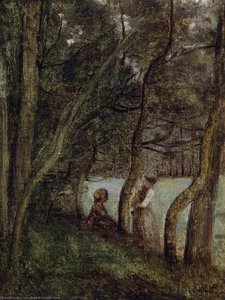
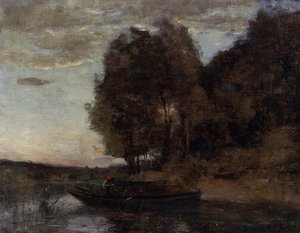
アーティストの略歴
The Illustrious Journey of Jean-Baptiste Le Prince
Born in the historic city of Metz on September 17, 1734, Jean-Baptiste Nicolas Le Prince emerged as a vital figure in the tapestry of eighteenth-century French art. His early years were marked by a profound connection to his native roots, yet his artistic destiny was destined for much broader horizons. After honing his fundamental painting techniques in Metz, the young artist’s talent caught the attention of influential patrons, leading him to Paris around 1750. Under the prestigious sponsorship of Charles Louis Auguste Fouquet de Belle-Isle, Le Prince entered the orbit of the great François Boucher. Studying under such a master of the Rococo style, Le Prince absorbed the delicate grace, fluid lines, and playful elegance that defined the era, an influence that would remain visible in the early lightness of his compositions.
However, Le Prince was far more than a mere disciple of the Rococo; he was an artist of immense curiosity and geographical breadth. In 1758, his career took a transformative turn when he journeyed to Russia to serve the court of Catherine the Great. Working within the splendor of the Imperial Palace in St. Petersburg under the direction of the renowned architect Francesco Bartolomeo Rastrelli, Le Prince experienced a world of imperial grandeur. His travels during this period were nothing short of epic, as he ventured through Finland, Lithuania, and even into the vast, mysterious reaches of Siberia. These excursions provided him with a unique reservoir of visual experiences, allowing him to capture the essence of diverse cultures and landscapes, ranging from the intimate details of Russian everyday life to more exotic, far-reaching vistas.
A Mastery of Style and Subject
As his career matured, Le Prince’s work began to reflect a sophisticated blend of his Rococo training and an emerging interest in more grounded, narrative subjects. He became a highly skilled etcher and painter, capable of navigating between the whimsical and the poignant. His oeuvre is characterized by a remarkable versatility that allows him to move seamlessly from the lightheartedness of pastoral scenes to the profound gravity of historical or ethnographic studies. In works such as Two Men & a Lady, one can witness his ability to evoke an atmosphere of idyllic beauty and musical harmony, utilizing soft lighting and delicate textures to enchant the viewer.
His technical prowess is perhaps most evident in his ability to utilize light and shadow to create depth and emotion. Whether he was depicting a Scene from Russian Everyday Life or the rustic charm of The Russian Cradle, Le Prince employed meticulous detail and emotive lighting to breathe life into his subjects. His later works often leaned toward a more structured approach, foreshadowing the shift toward Neoclassicism that would soon dominate the European art scene. This transition is beautifully captured in pieces like Visit to a Palmist, where the artist demonstrates a masterful command of social composition and portraiture, showcasing a meticulous attention to the textures of fabric and the subtle expressions of his figures.
Legacy and Artistic Significance
The historical significance of Jean-Baptiste Le Prince lies in his role as a cultural bridge. He was an artist who connected the refined salons of Paris with the burgeoning imperial splendor of Russia, and the delicate aesthetics of Boucher with the more robust, observational styles that would follow. His ability to document both the aristocratic elegance of the Enlightenment and the rugged realities of distant territories makes his body of work an invaluable historical record.
Though often overshadowed by the monumental figures of the Neoclassical movement who followed him, Le Prince’s contributions remain indispensable. His legacy is found in:
- Technical Versatility: The seamless integration of Rococo grace with a burgeoning realism and ethnographic detail.
- Cultural Documentation: His unique perspective as an artist who traveled extensively through the Russian Empire, capturing scenes that would otherwise have remained unknown to Western Europe.
- Influence on Printmaking: His skill as an etcher, which helped disseminate much of his visual narrative across the continent.
Today, the works of Jean-Baptiste Le Prince continue to captivate collectors and historians alike, serving as a window into a transformative era of European history where art, travel, and empire were inextricably linked.
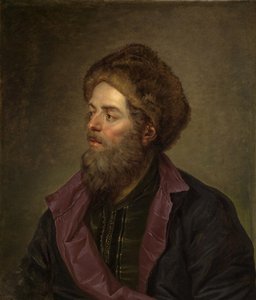
jean baptiste le prince
1734 - 1781 , France
基本情報
- Artistic Movement Or Style: Neoclassical
- Artists Or Movements Influenced By This Artist: ['Romanticism']
- Artists Who Influenced This Artist: ['David']
- Date Of Birth: 1734 Metz France
- Date Of Death: 1781 Paris France
- Full Name: Jean Baptiste Regnault
- Nationality: French
- Notable Artworks:
- Education of Achilles
- Alexandre and Diogène
- Place Of Birth: Paris France
関連記事
Jean-Baptiste-Siméon Chardin: Master of Still Life & Everyday Elegance
Explore the serene world of Jean-Baptiste-Siméon Chardin, master of still life & genre painting. Discover his revolutionary techniques, enduring legacy, and timeless depictions of everyday elegance. Learn more at ArtsDot.
Ivan Bilibin: A Synthesis of Folklore, Modernism & National Identity in Russian Illustration
Explore the enchanting world of Ivan Bilibin, a master Russian illustrator who synthesized folklore, Art Nouveau & national identity. Discover his iconic fairy tale illustrations and legacy with ArtsDot.
Victor Vasnetsov: Myth, Nationalism & the Revival of Russian Fairy Tale Painting
Explore the captivating world of Victor Vasnetsov, a co-founder of Russian folklorist painting. Discover his iconic works, influence on national identity, and lasting legacy in this expert guide.
Sergey Vinogradov: Capturing the Lyricism of Everyday Russian Life
Explore the captivating world of Sergey Vinogradov (1869-1938), a leading Russian Impressionist painter. Discover his lyrical genre scenes, landscapes & wartime art – a testament to everyday life and artistic mastery.
Vladimir Makovsky: Realism, Social Commentary & Russian Life in Late 19th-Century Painting
Explore the captivating world of Vladimir Makovsky, a leading Russian realist painter. Discover his insightful depictions of 19th-century life, social commentary & legacy with ArtsDot.

