

 プレビュー
プレビュー
 プリントを購入
 シェアする
シェアする シェアする
シェアする
 詳細を見る
詳細を見る

 ダウンロード
 似ている作品
 X線調査
X線調査 スライドショー
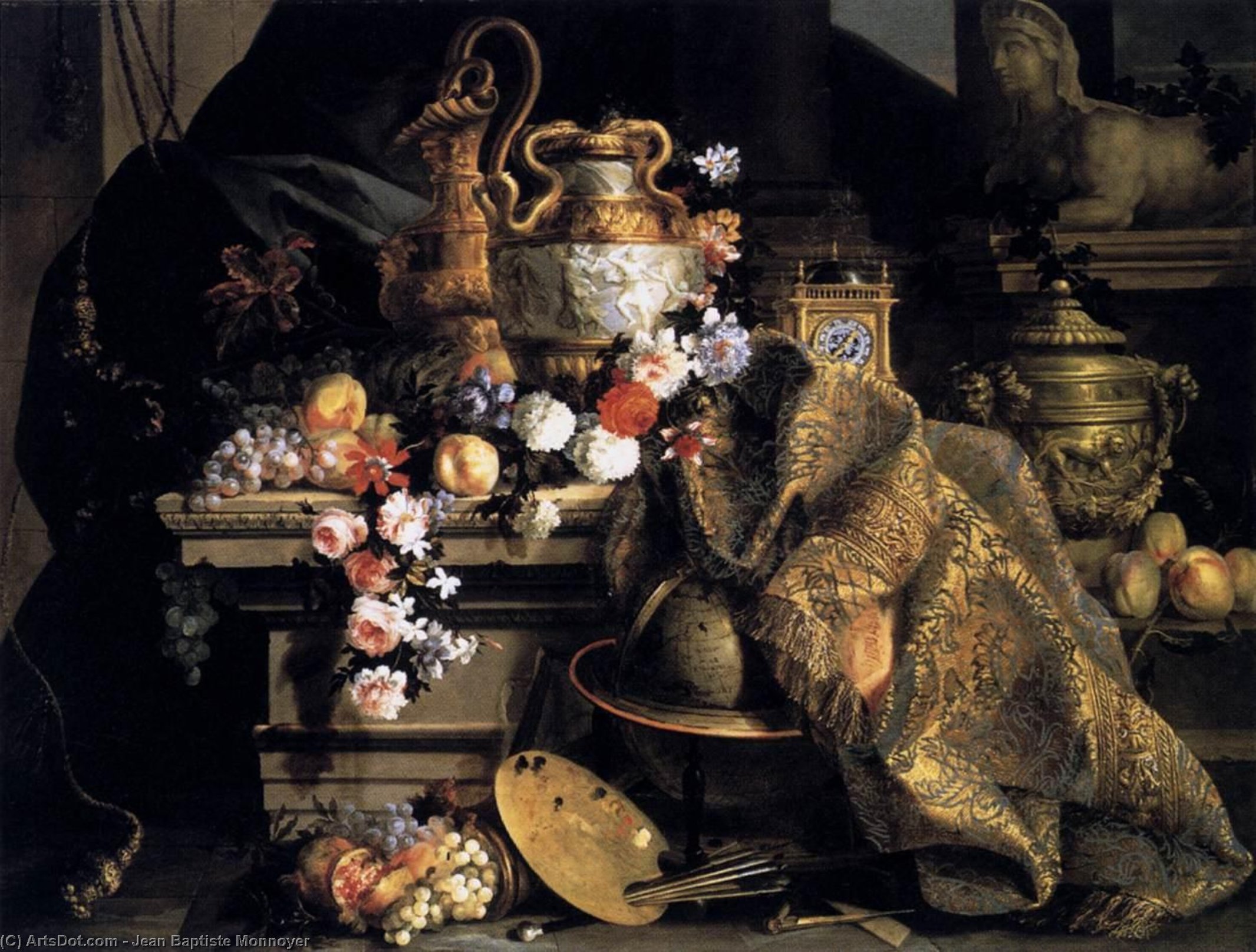
Still-Life of Flowers and Fruits
 Oil On Canvas
- WallArt
- Baroque
 1665
1665 146.0 x 190.0 cm
 ミュゼ・ファーブル
 詳細を見る
詳細を見る




P118B $10

P118H $10

P118W $10

P438Z $10

P508JH $12

P508YH $12

P805H $10

P805Z $10

P919BZ $10

P919G $10

P919XJ $10

P959ZH $10

P968JZ $12

W106C $8

W218G $10

W218JH $8

W218Y $10

W307PJ $10

W316G $10

W316PJ $8

W316Y $10

W398PJ $8

W4111J $10

W500HY $15

W500JH $15

W692G $12

W849H $8

W940BG $15

W953PJ $8




作品のオリジナル比率に合わせた、当店の規定サイズからお選びください。

特定のフレームやスペースに合わせて、ご希望のサイズをご入力いただけます。選択されたサイズが元の画像の比率と異なる場合、アートワークをトリミングするか、手描きで要素を追加して絵画を拡張いたします。デジタルモックアップ を制作し、制作開始前にご確認(承認)をいただきます。
画面上のプレビューは、実際のトリミングや拡張を正確に反映しているものではありません。最終的な構図は、モックアップによってのみ正確にご確認いただけます。
カスタムサイズもご利用いただけますが、元の比率を維持するためには、あらかじめ用意されたリストからサイズを選択することをお勧めいたします。
ご注文後、ArtsDot.com チームより詳細な指示をお送りするとともに、仕上がりイメージ(モックアップ)をご提供いたします。


 ガラスオプションは、110cm未満のサイズでのみご利用いただけます。

Still-Life of Flowers and Fruits
複製技法
複製画のサイズ
-


合計金額
$ 263
A Baroque Symphony of Opulence: Still-Life of Flowers and Fruits by Jean Baptiste Monnoyer
This magnificent still life, painted in 1665 by the esteemed Jean Baptiste Monnoyer, transcends a simple depiction of fruit and flowers; it’s an immersive experience of Baroque excess, a testament to wealth, artistry, and the pursuit of earthly pleasures. Executed with masterful skill in oil on canvas, the artwork immediately captivates with its dramatic lighting and richly layered composition. The dark palette – dominated by deep browns, blacks, and muted greens – is punctuated by bursts of vibrant color from the peaches, grapes, and blossoms, creating a visual feast that draws the eye into its intricate details.
- A Masterclass in Baroque Composition: Monnoyer’s genius lies in his ability to create a sense of profound depth. Overlapping objects – the ornate golden vessels, the draped chair, the painter's palette – are arranged with meticulous precision, guiding the viewer’s gaze through a complex and receding space. Architectural elements peek through the foreground, hinting at a grand, opulent interior, further enhancing the illusionistic effect.
- The Painter’s Tools: The inclusion of the painter’s palette, brushes, and tools is not merely decorative; it's a deliberate statement about the creative process itself. It elevates the still life to a celebration of artistic endeavor, reflecting Monnoyer’s own role as both artist and decorator.
The Symbolism of Abundance
More than just a beautiful arrangement, this painting is laden with symbolic meaning, deeply rooted in the conventions of Baroque art and its engagement with religious and philosophical ideas. The profusion of fruit – peaches and grapes particularly – represents fertility, prosperity, and the bounty of nature, all highly desirable attributes within the context of 17th-century France. Flowers, often associated with beauty and grace, add another layer of symbolism, suggesting an appreciation for the ephemeral nature of life and its fleeting pleasures. The presence of gold, shimmering across the vessels and accents, further amplifies these themes, representing divine favor and eternal value.
Monnoyer’s Artistic Context & Technique
Jean Baptiste Monnoyer was a pivotal figure in the transition between Mannerism and Baroque painting, particularly within the realm of still life. His early training under Charles Le Brun, a leading painter for Louis XIV, exposed him to the refined aesthetic sensibilities favored by the French court. This influence is evident in the meticulous detail, the idealized forms, and the masterful use of light and shadow that characterize his work. The smooth brushstrokes and blending of colors – achieved through careful layering of oil paint – demonstrate Monnoyer’s technical prowess and his commitment to creating a highly polished and realistic effect. The painting's dimensions of 146 x 190 cm would have made it a substantial and impactful piece within a wealthy patron’s residence, intended for both decorative and symbolic purposes.
A Timeless Masterpiece – A Reproduction Opportunity
This stunning still life by Jean Baptiste Monnoyer offers a rare glimpse into the opulent world of Baroque France. ArtsDot.com is proud to offer meticulously crafted hand-painted reproductions that capture the essence of this remarkable artwork, allowing you to bring its beauty and symbolism into your own space. Each reproduction faithfully recreates Monnoyer’s masterful technique and evocative composition, ensuring a timeless addition to any collection or interior design scheme.
関連作品
アーティストの略歴
花々に彩られた生涯:ジャン=バティスト・モノニエの世界
1636年、フランスのリールに生を受けたジャン=バティスト・モノニエは、バロック時代における花卉静物画と装飾芸術という二つの世界を繋ぐ、極めて重要な役割を果たしました。彼の歩みは、野に咲く野生の花々の中ではなく、厳格な芸術的徒弟制度という規律ある環境から始まりました。1650年までにパリへと移り住んだ彼は、そこでホテル・ランバルトの豪華絢爛な装飾に初めて携わることとなります。この初期の壮大な依頼への関わりは、後の王室の庇護と贅を尽くしたデザインに深く結びついた彼のキャリアを予兆させるものでした。モノニエの才能は、当時の最高峰の画家であったシャルル・ル・ブランの目を瞬く間に引きつけ、彼はマルリー城やメードンのグラン・ドーファン城といった名高い邸宅の装飾に従事することとなりました。こうした形成期の経験は、彼の中に洗練された審美眼を植え付け、その後の芸術的軌道を決定づける有力な社交界への道を開いたのです。彼は単に花を描いていたのではありません。王侯貴族の栄華にふさわしいデザインへと自然の美しさを翻訳する方法を学び、至高の輝きを放つ世界のための要素を創り上げていたのです。王宮からタペストリーの殿堂へ
モノニエによる花卉画への専門性は、ル・ブランのもとで開花し、1665年に王立絵画彫刻アカデミーへの入会を果たしたことで、その名声が確固たるものとなったことを証明しました。しかし、彼の遺産を真に不朽のものとしたのは、ゴブラン織やボーヴァisといったタペストリー工房での活動でした。彼は単に絵画を制作していたのではなく、一つの産業のための「パターン」を設計していたのです。その役割は芸術的表現の枠を超え、実用的な応用へと広がりました。豪華なタペストリーへと織り込まれる運命にある、果実や花のモチーフのための詳細な「カルトン(下絵)」を制作することに、彼は心血を注いだのです。これらは単なる独立した芸術作品ではなく、宮殿や貴族の邸宅の壁を彩る壮大な装飾計画の不可欠な構成要素でした。当時の異国趣味への熱狂を象徴する名作「中国の皇帝」シリーズは、花の優雅さを大規模で没入感のある芸術作品へと昇華させる彼の卓越した手腕を示す最高の例といえます。彼のデザインは単なる図解ではなく、部屋全体の美的な性格を定義づける構造的な要素そのものでした。海を越えたキャリア:イングランドと永続する影響力
1680年代後半、フランス国内の政治的・宗教的な緊張により、モノニエのキャリアは大きな転換期を迎えます。1690年、ラルフ・モンタギューの招きに応じて彼はイングランドへと移住しました。この移動は後退ではなく、むしろ彼の芸術的視野を広げるための拡張でした。その後約10年間にわたり、彼はモンタギュ・ハウス(後の大英博物館)やノーサンプトンシャーのボートン・ハウスといった著名な邸宅のために、50枚を超える果実と花のパネル制作に没頭しました。これらの依頼は、彼がイングランドの嗜好にいかに適応したかを示すだけでなく、鮮やかな色彩、緻た細部、そして全体に漂う贅沢な豊穣感という、彼の独特なスタイルに対する需要がいかに永続的であったかを物語っています。彼は自らの芸術的アイデンティティの真髄を保ちながら、新たな文化の風景を見事に渡り歩きました。この時期を経て、彼はイングランドのエリート層から切望される装飾画の巨匠としての地位を不動のものとしたのです。絵具と版画に刻まれた遺産
ジャン=バティスト・モノニエの影響力は、宮殿や邸宅の壁を遥かに超えて広がっていました。彼の出版物である『Le Livre de toutes sortes de fleurs d'après nature(自然に基づいたあらゆる種類の花の本)』は、とりわけ大きな衝撃を与えました。細部まで緻密に描き込まれたこの版画集は、彼の花の意匠を広く普及させ、その後数十年にわたり装飾デザイナーにとってかけがえのない資料となりました。彼が一つひとつの花を表現したその正確さは、単なる審美的な追求にとどまらず、植物学的な理解への貢献であり、無数の職人たちにとってのインスピレーションの源でもありました。詩人のウォレス・スティーヴンスでさえ、自身の詩「悪の美学」の中でこの著作に言及しており、彼の作品が持つ永続的な文化的共鳴を証明しています。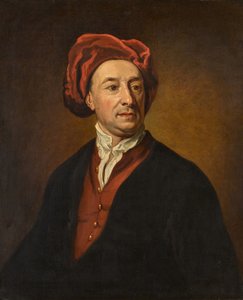
ジャン=バティスト・モノニエ
1636 - 1699 , フランス
基本情報
- Artistic Movement Or Style: バロック
- Artists Or Movements Influenced By This Artist:
- 装飾芸術
- タペストリー製作者
- Artists Who Influenced This Artist: ['シャルル・ル・ブラン']
- Date Of Birth: 1636年
- Date Of Death: 1699年
- Full Name: ジャン=バティスト・モノワイエ
- Nationality: フランコ=フラマン
- Notable Artworks:
- 花瓶と花
- 花
- 花を生けた壺
- Place Of Birth: フランス、リール
関連記事

Simon Vouet: A Baroque Master's Journey from Italian Influence to French Classicism
Explore the life & art of Simon Vouet, a pivotal French Baroque painter who introduced Italian styles to France. Discover his masterpieces and lasting influence on 17th-century art.
Decoding Baroque Grandeur: A Guide to the Drama and Emotion of 17th-Century Art
Explore the breathtaking drama of 17th-century Baroque art. Our expert guide decodes the use of chiaroscuro, emotional intensity, and historical grandeur to help you appreciate and curate timeless masterpieces for your collection.
Blossoms of Time: A Historical & Aesthetic Exploration of Floral Painting Across Cultures
Explore the rich history of floral painting! Discover symbolism, techniques & masterpieces from Van Huysum to O'Keeffe. Expert insights for art lovers & collectors at ArtsDot.
Silent Narratives: Exploring the Enduring Appeal of Still Life Painting Across Centuries
Explore the rich history of still life painting with ArtsDot. Discover Dutch Masters, decode vanitas symbolism & learn about collecting timeless art. Expert insights and museum-quality reproductions.
Jan van Kessel the Elder: A Baroque Master of Floral Still Life & Miniature Portraiture
Discover the exquisite detail of Jan van Kessel the Elder's Baroque floral still lifes & captivating miniatures. Explore his artistic legacy, scientific precision, and lasting influence on 17th-century Flemish painting.

