

 プレビュー
プレビュー
 シェアする
シェアする シェアする
シェアする
 詳細を見る
詳細を見る

 ダウンロード
 似ている作品
 X線調査
X線調査 スライドショー
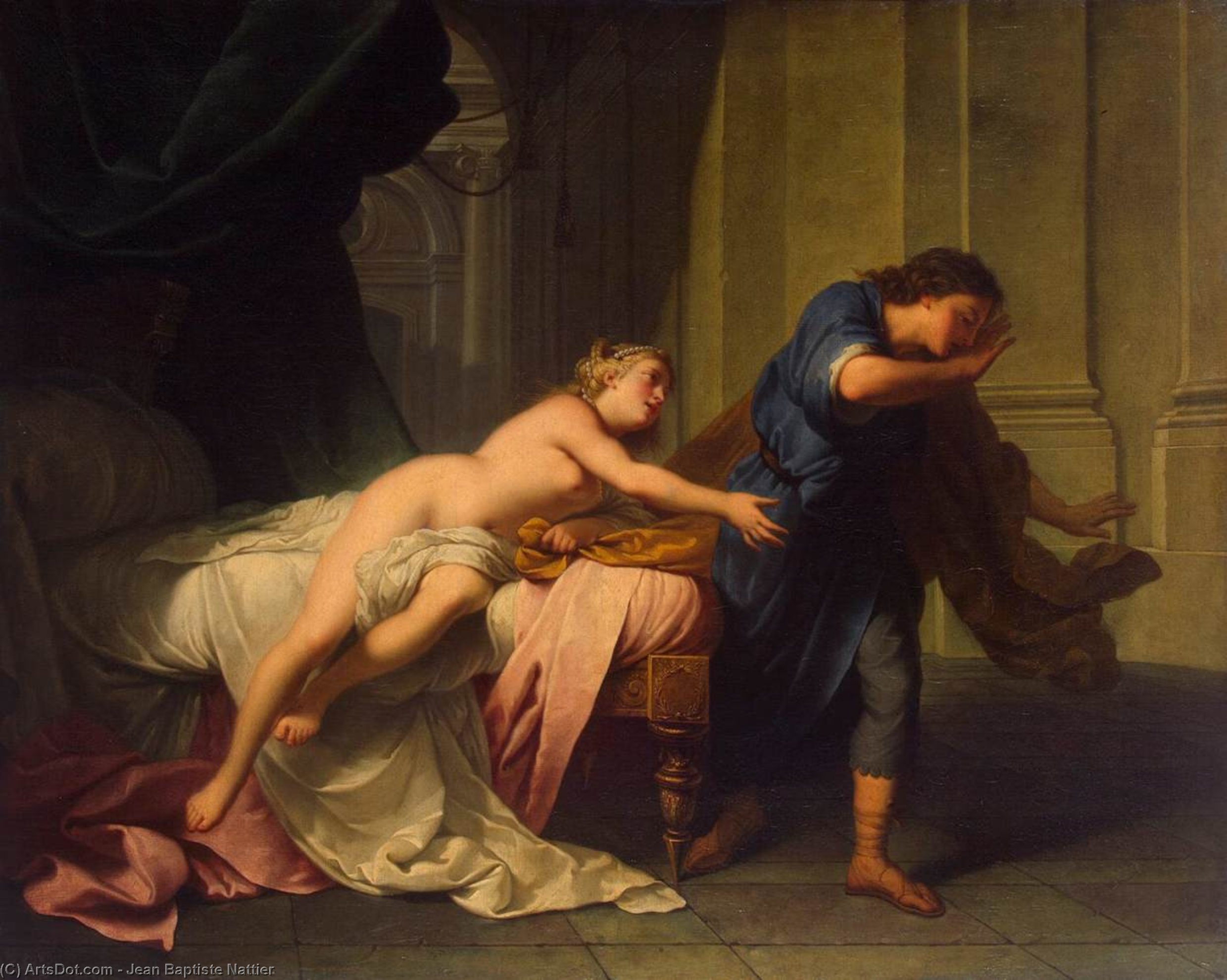
Joseph and Potiphar's Wife
 Oil On Canvas
- WallArt
- Rococo
 1711
1711- Early Modern
 74.0 x 92.0 cm
 エルミタージュ美術館
 詳細を見る
詳細を見る
ジークレー/アートプリント
迅速な制作と多彩な仕上げオプションを備えた、ミュージアムクオリティのジークレーまたはキャンバスプリント。 ( 手描きの絵画を購入 画像を購入)




P118B $10

P118H $10

P118W $10

P438Z $10

P508JH $12

P508YH $12

P805H $10

P805Z $10

P919BZ $10

P919G $10

P919XJ $10

P959ZH $10

P968JZ $12

W106C $8

W218G $10

W218JH $8

W218Y $10

W307PJ $10

W316G $10

W316PJ $8

W316Y $10

W398PJ $8

W4111J $10

W500HY $15

W500JH $15

W692G $12

W849H $8

W940BG $15

W953PJ $8




作品のオリジナル比率に合わせた、当店の規定サイズからお選びください。

特定のフレームやスペースに合わせて、ご自身でサイズを指定することも可能です。選択されたサイズが元の画像の比率と一致しない場合、作品をトリミングするか、鏡面反射または単色での塗りつぶしによって画像を拡張いたします。制作を開始する前に、ご確認用のデジタルモックアップをお送りいたします。
画面上のプレビューには、実際のトリミングや拡張は反映されませんのでご注意ください。最終的な構図を正確に確認できるのは、モックアップのみとなります。
カスタムサイズも承っておりますが、元の比率を維持するためには、あらかじめ用意されたリストからサイズを選択することをお勧めいたします。


 ガラスオプションは、110cm未満のサイズでのみご利用いただけます。

Joseph and Potiphar's Wife
ジークレー/アートプリント
複製画のサイズ
-


合計金額
$ 62
作品詳細説明
The Allure of Narrative Drama in Rococo Grandeur
To gaze upon Jean Baptiste Nattier's depiction of Joseph and Potiphar's Wife is to step directly into the opulent, emotionally charged world of early 18th-century French painting. This work transcends a mere biblical illustration; it captures a moment suspended in time—a confluence of human drama, temptation, and profound intimacy. Nattier, celebrated for his mastery of grace, presents a scene rich with suggestion rather than explicit narrative detail. The composition draws the viewer into the private space of the bedchamber, where the interplay between the reclining woman and the standing man creates an immediate, palpable tension. It is a masterclass in conveying unspoken dialogue through posture and proximity.
Mastery of Rococo Sensuality and Form
Technically, this painting exemplifies the sophisticated handling characteristic of the late Baroque transitioning into the delicate flourish of the Rococo period. Nattier’s brushwork, while depicting a dramatic subject, retains an air of polished elegance. Observe the drapery—it falls with weight yet seems to ripple with unseen currents, lending movement even to stationary forms. The artist possesses an uncanny ability to render flesh tones with luminous softness, making the skin appear almost breathable against the rich textures of the bedding and surrounding furnishings. The inclusion of domestic elements, such as the chair and the bowl near the center, grounds the high drama in a tangible reality, suggesting that this intense moment unfolds within the confines of everyday life.
Symbolism and Emotional Resonance
The biblical source material inherently imbues the piece with layers of symbolism—the struggle between duty and desire, innocence confronting worldly temptation. Nattier does not preach; he merely observes the charged atmosphere. The arrangement of figures suggests a narrative climax, inviting contemplation on the moral ambiguities inherent in human connection. For the modern collector or designer, this emotional depth is its greatest asset. It serves as a focal point that whispers tales of passion and consequence, adding an intellectual weight to any room it graces.
A Timeless Piece for Elevated Interiors
Acquiring a reproduction of this work allows one to integrate a piece steeped in historical narrative into contemporary décor. The soft palette, characteristic of Nattier’s finest moments, pairs beautifully with both richly paneled libraries and airy, classically styled drawing rooms. It speaks to an appreciation for the decorative arts that value storytelling as much as aesthetic beauty. Whether used as a striking centerpiece or a sophisticated accent piece, this painting offers not just decoration, but conversation—a visual meditation on human nature rendered with unparalleled grace.
関連作品
アーティストの略歴
The Painter of Grace: The Life and Legacy of Jean-Baptiste Nattier
Jean-Baptiste Nattier stands as a monumental figure in the history of French portraiture, embodying the refined aesthetic sensibilities of the Rococo era and securing his place among the most celebrated artists of his time. Born in Paris to a family deeply rooted in the artistic traditions of France, Nattier’s early life was shaped by the influence of his father, Marc Nattier, a respected portrait painter, and his mother, Marie Courtois, a skilled miniaturist. This lineage provided him with an unparalleled foundation, as he received his first lessons within the intimate confines of a household dedicated to the mastery of the brush. His upbringing instilled in him a deep appreciation for classical ideals blended with an exuberant embrace of ornamentation, shaping a trajectory that would eventually lead him to the heights of the Académie Royale.
The development of Nattier’s technique was marked by a rigorous pursuit of excellence and a unique synthesis of sculptural form and painterly lightness. His early training under figures such as Nicolas Frémiet allowed him to absorb the principles of humanism and the structural precision of sculpture, which would later manifest in his ability to sculpt figures from within using chiaroscuro. As he transitioned into his mature period, Nattier ascended to prominence during the zenith of Rococo art—a movement characterized by its delicate pastel palettes, asymmetrical arrangements, and masterful use of illusionistic techniques. Unlike the austere portraitists who preceded him, Nattier sought to capture fleeting moments of grace, prioritizing psychological realism alongside a visual splendor that felt both ethereal and profoundly alive.
Narrative Mastery and the Rococo Spirit
Nattier’s artistic genius lay particularly in his ability to transform portraiture into narrative drama. He did not merely record the likeness of his subjects; he wove them into stories that resonated with the cultural zeitgeist of 18th-century France. His works often bridged the gap between the personal and the mythological, utilizing biblical narratives and classical allegories to elevate his sitters to a plane of timeless beauty. This approach allowed him to employ the soft, curvilinear lines and luminous textures that define the Rococo style, creating an atmosphere where light and shadow dance across silk and skin with unparalleled fluidity.
The breadth of his contribution to the art world can be seen through several key artistic pillars:
- The Fusion of Genres: His ability to blend the intimacy of portraiture with the grandeur of history painting, making the individual subject part of a larger, epic tapestry.
- Technical Innovation: The masterful use of light to create depth and emotion, moving away from rigid outlines toward a more organic, breathing composition.
- Cultural Reflection: Capturing the elegance, fashion, and social nuances of the French aristocracy, providing a visual record of an era defined by luxury and refinement.
Historical Significance and Enduring Influence
The historical significance of Jean-Baptiste Nattier extends far beyond the canvases he left behind. He was a pivotal figure in defining the visual language of the French court, setting a standard for elegance that would influence generations of portraitists. His work serves as a window into the soul of the 18th century, reflecting a period where art was used to communicate status, grace, and a sophisticated understanding of human emotion. Even as the tides of art history shifted toward Neoclassicism, the luminous charm and narrative depth of Nattier’s compositions remained a benchmark for excellence.
Though his life was marked by the complexities and occasional shadows of the era's social intrigues, his artistic legacy remains untarnished by the turbulence of his time. Today, when we gaze upon his masterpieces—such as his evocative depictions of biblical figures or his sweeping portraits of the elite—we encounter more than just paint on canvas; we encounter a profound celebration of beauty, a testament to the enduring power of grace, and the lasting imprint of a master who knew exactly how to capture the ephemeral essence of the human spirit.
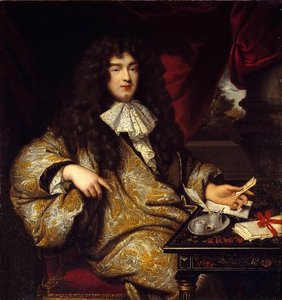
jean baptiste nattier
1651 - 1717 , France
基本情報
- Artistic Movement Or Style: Classical Art
- Artists Or Movements Influenced By This Artist: ['French Rococo']
- Artists Who Influenced This Artist:
- Nicolas Poussin
- Peter Paul Rubens
- Date Of Birth: 1651
- Full Name: Jean Baptiste Nattier
- Nationality: French
- Notable Artworks:
- The Virgin Mary and Saint Catherine
- Saint George and the Dragon
- Place Of Birth: Paris, France
関連記事

Giclée Prints: Archival Quality & Aesthetic Nuances for the Discerning Collector
Explore the world of giclée prints with ArtsDot. Learn about archival quality, aesthetic nuances & investment potential. Expert guidance for discerning art collectors seeking museum-quality reproductions and lasting value.

The Rococo Aesthetic: Opulence, Rebellion & the Pursuit of Pleasure in 18th-Century Art
Explore the opulent world of Rococo art! Discover its origins, key artists like Watteau & Boucher, and lasting influence on design. Expert insights for collectors & enthusiasts.

華麗なるロココ:芸術史を彩る10大傑作の世界
華麗なるロココ美術の世界へ。バロックから生まれた優雅な芸術、その10大傑作を徹底解説!ブーシェ、フロマンなど巨匠たちの技と物語を紐解き、お部屋を彩るアートを見つけよう。ArtsDot.comで至高の美術館品質レプリカとインテリアアイデアを発見。
Art Prints vs. Oil Paintings: A Newlywed's Guide to Curating a Timeless Home Collection
Discover how to choose between exquisite hand-painted oil reproductions and versatile art prints. Our expert guide for newlyweds helps you balance budget and beauty to curate a timeless, soulful home collection filled with meaning and lasting legacy.

Echoes of Time: Exploring the Enduring Appeal & Historical Context of Vintage Art Prints
Explore the captivating world of vintage art prints! Discover their history, collecting tips & enduring appeal. Expert insights on chromolithography and building a legacy collection with ArtsDot.

