

 プレビュー
プレビュー
 プリントを購入
 シェアする
シェアする シェアする
シェアする
 詳細を見る
詳細を見る

 ダウンロード
 似ている作品
 X線調査
X線調査 スライドショー
Laurent Cars, engraver


 詳細を見る
詳細を見る




P118B $10

P118H $10

P118W $10

P438Z $10

P508JH $12

P508YH $12

P805H $10

P805Z $10

P919BZ $10

P919G $10

P919XJ $10

P959ZH $10

P968JZ $12

W106C $8

W218G $10

W218JH $8

W218Y $10

W307PJ $10

W316G $10

W316PJ $8

W316Y $10

W398PJ $8

W4111J $10

W500HY $15

W500JH $15

W692G $12

W849H $8

W940BG $15

W953PJ $8




作品のオリジナル比率に合わせた、当店の規定サイズからお選びください。

特定のフレームやスペースに合わせて、ご希望のサイズをご入力いただけます。選択されたサイズが元の画像の比率と異なる場合、アートワークをトリミングするか、手描きで要素を追加して絵画を拡張いたします。デジタルモックアップ を制作し、制作開始前にご確認(承認)をいただきます。
画面上のプレビューは、実際のトリミングや拡張を正確に反映しているものではありません。最終的な構図は、モックアップによってのみ正確にご確認いただけます。
カスタムサイズもご利用いただけますが、元の比率を維持するためには、あらかじめ用意されたリストからサイズを選択することをお勧めいたします。
ご注文後、ArtsDot.com チームより詳細な指示をお送りするとともに、仕上がりイメージ(モックアップ)をご提供いたします。


 ガラスオプションは、110cm未満のサイズでのみご利用いただけます。

Laurent Cars, engraver
複製技法
複製画のサイズ
-


合計金額
$ 263
作品解説
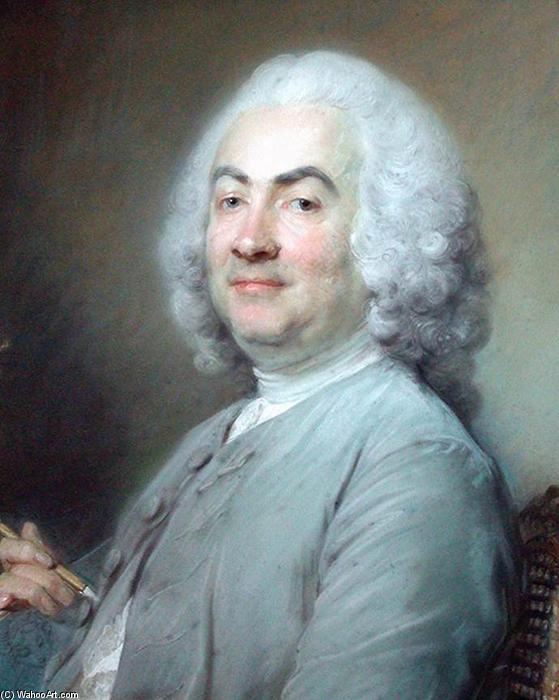
Laurent Cars, Engraver by Jean-Baptiste Perronneau
Jean-Baptiste Perronneau’s masterful pastel portraits stand as testament to the elegance and intimacy of Rococo art – a style characterized by delicate ornamentation, asymmetrical compositions, and an obsession with capturing fleeting emotions. Unlike the grand narratives favored by earlier Baroque painters, Perronneau focused on portraying individual character through subtle tonal variations and meticulous detail, reflecting a shift towards humanist sensibilities within French aristocratic circles. His work embodies the spirit of its time, offering viewers a glimpse into the refined tastes and psychological complexities of the upper classes. ### Subject Matter & Composition: Perronneau’s subjects were predominantly members of the nobility – portraits of kings, queens, princes, and diplomats – meticulously rendered to convey not merely physical likeness but also social status and inner temperament. The image depicts a man with a distinguished appearance, embodying the ideal of aristocratic virtue through dignified posture and serene gaze. His facial features are sharply defined, highlighting the importance of precise observation in capturing human expression—a hallmark of Rococo portraiture. The composition is deliberately understated, prioritizing balance and harmony while allowing the subject’s face to dominate the canvas, drawing the eye directly into his contemplative gaze. ### Technique & Material: Perronneau's signature technique was pastel – a medium known for its velvety texture and ability to achieve luminous colors with minimal pigment load. Unlike oil paint, pastel relies on powdered pigments mixed with binder (typically gum arabic) applied thinly onto paper or canvas. This process allowed Perronneau to achieve remarkable subtlety of tone and shading, capturing the nuances of light and shadow that contribute significantly to conveying emotion and atmosphere. The artist’s careful layering of pastel hues—primarily blues, whites, and creams—creates a soft, ethereal effect reminiscent of candlelight, reflecting the Rococo penchant for creating illusionistic spaces within portraiture. As evidenced by the detailed background wall gradient, Perronneau meticulously considered every element of his artistic process to maximize visual impact. ### Historical Context & Symbolism: Perronneau’s work flourished during the reign of Louis XV (1723-1774), a period marked by opulent court life and an emphasis on aristocratic refinement. Pastel portraits gained popularity as a favored medium for depicting individuals within this social milieu, symbolizing wealth, prestige, and intellectual sophistication. The wig hairstyle—a prominent feature in Rococo fashion—served not only as adornment but also conveyed status and adherence to prevailing aesthetic conventions. Furthermore, Perronneau’s choice of subject matter – portraying dignified men engaged in quiet contemplation – reflects the humanist ideals that underpinned the era's artistic sensibilities, prioritizing inner character over outward grandeur. The image speaks to a desire for beauty and harmony—values central to Rococo art’s celebration of human experience. ### Emotional Impact & Legacy: Perronneau’s portraits transcend mere likeness; they capture the essence of their subjects’ personalities and convey a profound sense of serenity and introspection. The artist's masterful use of pastel technique elevates his work beyond simple representation, inviting viewers to contemplate themes of dignity, contemplation, and inner peace—qualities valued throughout art history. His enduring influence can be seen in subsequent generations of portrait painters who sought to emulate Perronneau’s delicate tonal palette and psychological insight. Today, reproductions of Perronneau's pastel portraits continue to inspire admiration for their beauty and sophistication, serving as reminders of a bygone era defined by elegance and intellectual curiosity.関連作品
アーティストの略歴
繊細なる筆致:ジャン=バティスト・ペロノーの生涯と芸術
ジャン=バティスト・ペロノーという名は、ロココ時代の他の巨匠たちに比べると、直ちに広く知られる存在ではないかもしれません。しかし、フランス肖像画の歴史において、彼が占める地位は極めて重要なものです。正確な生年は定かではありませんが、1715年頃にアムステルダムで生まれ、1783年に同地でその生涯を閉じました。ペロノーの芸術的な旅路は、主に18世紀フランスの活気に満ت文化の風景の中で繰り広げられました。彼は壮大な歴史物語や神話の場面を描く画家ではありませんでした。彼の眼差しは、人間の顔という親密な領域に向けられていました。パステルという繊細な画材を用いることで、単なる外見の写しにとどまらず、人物の性格や社会的地位に潜む微細なニュアンスまでも描き出したのです。
ペロノーの初期の修行は版画から始まりました。この規律ある訓練が、彼の中に細部への鋭い観察眼と精密さを植え付けたのです。ローラン・カルスに師事し、パリの版画商ガブリエル・ユイエのもとで初期のキャリアを歩んだことで、彼は発展著しい芸術界において極めて重要な人脈を築きました。この基礎は、彼が肖像画へと転向する際に計り知れない価値をもたらしました。当初は油彩で制作していましたが、やがて彼は当時人気が急上昇していたパステルという媒体に心酔することになります。パステルの魅力とは、柔らかな質感と光輝くような効果を生み出せる点にあり、それはペロノーの繊細なアプローチに完璧に合致していたのです。
影と実体:影響と芸術的発展
ペロノーの芸術的な軌跡を理解するためには、モーリス・クエンティン・ド・ラ・トゥールの圧倒的な存在を認めなければなりません。ド・ラ・トゥールはフランス・パステル肖像画の巨匠と見なされており、ペロノーに与えた影響は計り知れないものでした。この両者の関係を象徴する決定的な瞬間が、1750年のサロンで訪れました。ペロノーはあえてド・ラ・プリ自身を描いたパステル肖入画を出品するという大胆な試みを行いましたが、驚いたことに、師であるド・ラ・トゥールも同時に自画像を出品していたのです。この出来事は、多くの人々によって、師が自身の卓越した技術を誇示するための意図的な対抗策であったと解釈されました。ペロノーは間違いなくド・ラ・トゥールの技術的な輝きに影響を受けましたが、単なる模倣に留まることはありませんでした。彼は独自の、際立ったスタイルを築き上げたのです。
ペロノーには、肖像画に心理的な深みと感受性を吹き込む驚くべき能力がありました。彼は単なる物理的な再現を超え、モデルの「内面的な生」を捉えようと試みました。それは、微細な表情や、丁寧に描き込まれた衣服や装飾品のディテールに顕著に表れており、それらすべてが人物の個性や社会的地位の多層的な描写に寄与しています。彼の作品は、優雅さ、洗練、そして貴族社会への賛美を強調するロココ様式の美学と見事に調和しながらも、同時に、個人主義や内省といった、当時芽生えつつあった啓蒙主義の理想をも暗示しているのです。
多作なキャリア:パリのサロンから地方への旅へ
ペロノーが芸術界に正式に登場したのは、1746年のサロンにおけるパステル肖像画の初出品でした。その才能はすぐに認められ、1753年には権威ある王立絵画彫刻アカデミーの正会員となる栄誉を手にしました。入会試験のために彼が提示したジャン=バプトゥイスト・ウドリーやランベール=シジスベール・アダムの肖像画は、現在、ルーヴル美術館の神聖なる殿堂に収められており、彼の確立された技術の証となっています。
しかし、1779年を境に、ペロノーのキャリアは興味深い転換期を迎えます。彼はパリのサロンへの出品を停止しましたが、制作活動自体は極めて多作であり続け、顧客層を首都の外へと広げていきました。これにより、彼はフランス各地、特にオルレアン、トゥールーズ、ボルドー、リヨンへと巡る長い旅に出ることになります。その放浪癖はさらに遠く、トリノ、ローマ、スペイン、ハンブルク、ポーランド、ロシア、さらにはイギリスにまで及んでいた可能性を示唆する証拠もあります。このような遍歴の生活は、彼が多様な主題を捉えることを可能にし、18世紀ヨーロッパの多種多様な社会構造を反映することとなったのです。
不朽の遺産:歴史的意義と永続的な魅力
アムステルダムで、当時はほとんど無名のまま生涯を終えたにもかかわらず、ジャン=バプトゥイスト・ペロノーがフランス肖像画に果たした貢献は、今や正当に称賛されています。彼の肖像画は、歴史の転換期における様々な社会階層の人々の生活と容貌を覗き見るための、かけがえのない窓となっています。彼は単に顔を記録していたのではありません。ファッション、価値観、そして進化し続ける感性といった、一つの「世界」そのものを記録していたのです。
ペロノーによるパステルの極致は、素描と絵画の境界を繋ぐこの媒体の永続的な魅力を証明しています。彼の繊細なタッチ、光と影に対する鋭い感受性、そしてモデルの本質を捉える力は、時代を超えて今なお見る者を魅了し続けています。彼は、時代の慣習の中で活動しながらも、作品に比類なき親密さと心理的な洞察力を吹き込むことに成功した芸術家の、説得力ある模範として、18世紀の偉大な肖像画家の一人としてその名を刻んでいます。
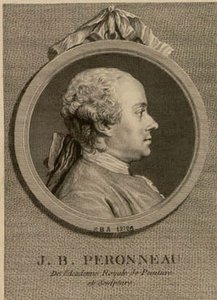
ジャン=バティスト・ペローノー
1715 - 1783
基本情報
- Artistic Movement Or Style: ロココ
- Artists Who Influenced This Artist: ['モーリス・カンタン・ド・ラ・トゥール']
- Date Of Birth: 1716年頃
- Date Of Death: 1783年
- Full Name: ジャン=バティスト・ペロノー
- Nationality: フランス
- Notable Artworks:
- ウドリーの肖像
- ダニエル・ジュース
- タッサン・ド・ラ・ルナリエール
- Place Of Birth: オランダ、アムステルダム
関連記事

華麗なるロココ:芸術史を彩る10大傑作の世界
華麗なるロココ美術の世界へ。バロックから生まれた優雅な芸術、その10大傑作を徹底解説!ブーシェ、フロマンなど巨匠たちの技と物語を紐解き、お部屋を彩るアートを見つけよう。ArtsDot.comで至高の美術館品質レプリカとインテリアアイデアを発見。
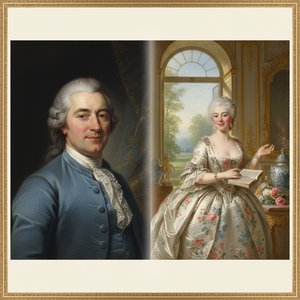
Maurice Quentin de La Tour: Light, Shadow & the Rococo Portrait
Explore the captivating world of Maurice Quentin de La Tour, a master of Rococo portraiture. Discover his innovative pastel techniques, intimate depictions of French aristocracy, and lasting artistic legacy. Learn more at ArtsDot.
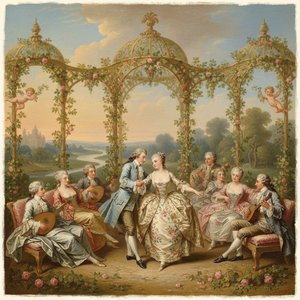
Jean-Baptiste Pater: Rococo Charm & Ephemeral Beauty of 18th-Century France
Explore the captivating world of Jean-Baptiste Pater, a master of Rococo painting. Discover his elegant *fête galante* scenes and shimmering portraits – a glimpse into 18th-century French aristocracy. Learn about his legacy & find high-quality reproductions.

The Rococo Aesthetic: Opulence, Rebellion & the Pursuit of Pleasure in 18th-Century Art
Explore the opulent world of Rococo art! Discover its origins, key artists like Watteau & Boucher, and lasting influence on design. Expert insights for collectors & enthusiasts.
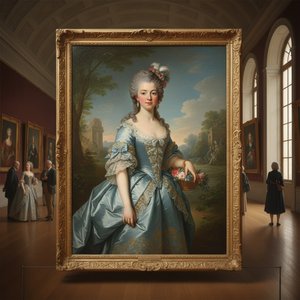
Jean-Marc Nattier: Rococo Portraiture & Aristocratic Patronage
Explore the exquisite Rococo portraits of Jean-Marc Nattier, favored by French aristocracy. Discover his artistic techniques, patronage network, and lasting legacy – a guide for discerning collectors.

