 プレビュー
プレビュー
 シェアする
シェアする シェアする
シェアする
 詳細を見る
詳細を見る

 ダウンロード
 似ている作品
 X線調査
X線調査 スライドショー
Hare with Game Bag and Powder Flask


 詳細を見る
詳細を見る
ジークレー/アートプリント
迅速な制作と多彩な仕上げオプションを備えた、ミュージアムクオリティのジークレーまたはキャンバスプリント。 ( 手描きの絵画を購入 画像を購入)




































作品のオリジナル比率に合わせた、当店の規定サイズからお選びください。

特定のフレームやスペースに合わせて、ご自身でサイズを指定することも可能です。選択されたサイズが元の画像の比率と一致しない場合、作品をトリミングするか、鏡面反射または単色での塗りつぶしによって画像を拡張いたします。制作を開始する前に、ご確認用のデジタルモックアップをお送りいたします。
画面上のプレビューには、実際のトリミングや拡張は反映されませんのでご注意ください。最終的な構図を正確に確認できるのは、モックアップのみとなります。
カスタムサイズも承っておりますが、元の比率を維持するためには、あらかじめ用意されたリストからサイズを選択することをお勧めいたします。


 ガラスオプションは、110cm未満のサイズでのみご利用いただけます。

Hare with Game Bag and Powder Flask
ジークレー/アートプリント
複製画のサイズ
-


合計金額
$ 62
作品詳細説明
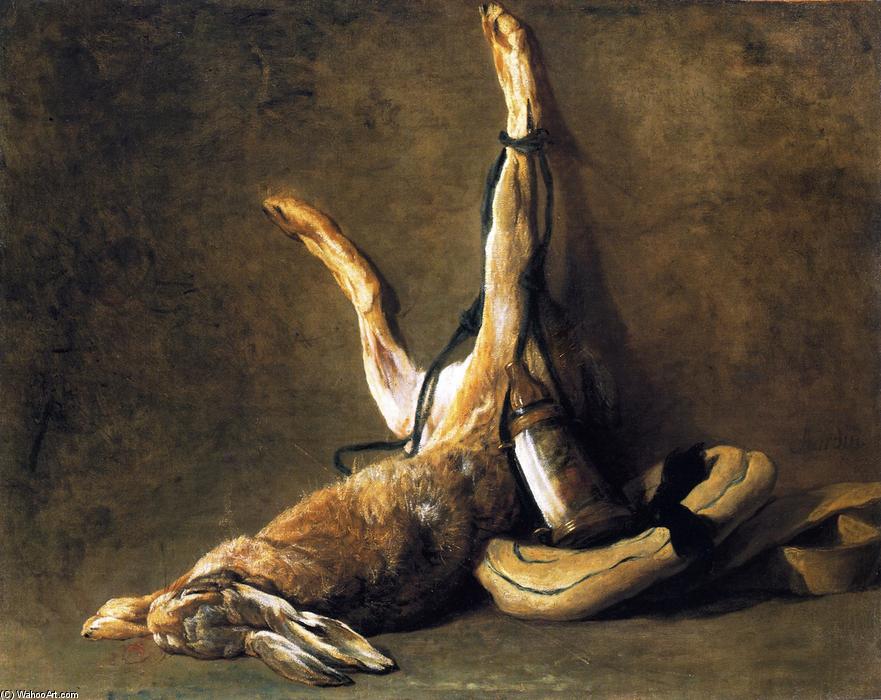
A Moment Frozen in Time: Exploring Jean-Baptiste Simeon Chardin’s Hare with Game Bag and Powder Flask
The Philadelphia Museum of Art holds within its walls a treasure – Jean-Baptiste Simeon Chardin’s *Hare with Game Bag and Powder Flask*, painted in 1730. More than just a depiction of animal anatomy, this deceptively simple still life encapsulates the essence of Baroque realism and speaks volumes about the artistic sensibilities of its era. It's a painting that invites contemplation, prompting viewers to consider not only what is seen but also what it represents – a profound meditation on mortality, beauty, and the quiet dignity of observation.The Anatomy of Calm: Composition and Technique
Chardin’s masterful technique exemplifies the Baroque preoccupation with capturing fleeting moments of natural beauty. He eschewed dramatic theatricality for painstaking detail, employing chiaroscuro—the interplay of light and shadow—to sculpt form and imbue the scene with palpable depth. Notice how the dark background serves as a counterpoint to the luminous plumage of the hare and the subtle sheen on the leather boots. Brushstrokes are deliberate and precise, layering pigments to build up textures that mimic the natural world. The artist’s meticulous attention to detail is evident in every feather, crease of fabric, and curve of bone—a testament to his unwavering commitment to realism. This careful rendering wasn't merely about accuracy; it was about conveying an emotional resonance, capturing a particular mood – serenity and stillness – that defines Chardin’s artistic vision.Symbolism Woven into Everyday Life
Beyond its technical brilliance lies a rich tapestry of symbolism. The hare itself is traditionally associated with fertility and renewal, yet here it rests lifelessly upon the table, confronting us with the inevitability of death. Alongside the hare sits a powder flask – a symbol of the hunting trade, representing both prowess and destruction—a poignant juxtaposition that underscores the precarious balance between man’s dominion over nature and its inherent vulnerability. The game bag, filled with feathers and fur, reinforces this theme, serving as tangible reminders of the hunted animal's life cycle. These objects aren’t merely decorative; they are carefully chosen to communicate ideas about mortality, beauty, and the relationship between humanity and the natural world.A Window into Eighteenth-Century France
Painted during the height of Louis XV’s reign, *Hare with Game Bag and Powder Flask* reflects the prevailing artistic tastes of its time—a move away from Mannerist extravagance towards a more restrained aesthetic rooted in observation and emotion. Chardin's work aligns with the broader humanist spirit of the Baroque period, prioritizing human experience over grand narratives. Unlike many artists of his era who sought to glorify monarchs or depict heroic deeds, Chardin focused on capturing the quiet beauty of domestic life—a deliberate choice that speaks to a deeper philosophical concern: the importance of appreciating the simple pleasures and accepting the realities of existence.Finding Beauty in Decay
Ultimately, *Hare with Game Bag and Powder Flask* transcends its formal qualities to offer an enduring meditation on human mortality. The artist’s ability to convey profound emotion through seemingly unremarkable subjects—a dead hare, a powder flask, a game bag—is what secures Chardin's place among the greatest painters of his generation. It reminds us that beauty can be found even in decay and that true artistry lies in capturing not just what is seen but also what is felt. Explore more reproductions of this masterpiece at ArtsDot.com and delve deeper into Jean-Baptiste Simeon Chardin’s legacy on Wikipedia.関連作品
アーティストの略歴
静寂の中に宿る美:ジャン・バティスト・シモン・シャルダンの生涯と芸術
1699年、パリで生まれたジャン・バティスト・シモン・シャルダンは、フランス美術史において独特の地位を占める画家です。彼は壮大な歴史画や華麗な神話的場面を描くのではなく、むしろ日常の中に潜む美しさを探求しました。それは、台所道具の謙虚な威厳、家庭生活の穏やかな親密さ、テーブルの上で静かに佇む果実の儚い優雅さといったものに宿されていました。シャルダンは、貴族の庇護や学術的な野心ではなく、静かな観察と、平凡な人々の日常体験に対する深い共感から生まれた芸術家でした。彼の父が家具職人であったことは、若きアーティストに形、質感、そして素材本来の美しさに対する感受性を育み、それが彼の成熟した様式の特徴となりました。
当初、シャルダンはピエール=ジャック・カゼやノエル=ニコラ・コイペといった歴史画家の弟子として修行しましたが、すぐに自身の真の道を見出し、主流の芸術的潮流から離れ、より個人的で内省的なビジョンへと向かいました。彼は1757年までパリ郊外のサン=シュルピス近隣に住み着き、馴染み深い街並みや質素な家庭の中に無限のインスピレーションを見出しました。ルイ15世によってルーブル宮殿に住居と作業スペースが与えられたことは、彼にとって大きな転機となりました。
静物画から風俗画へ:巨匠の進化
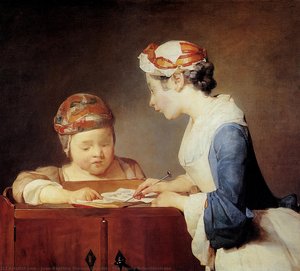
シャルダンの芸術的旅は静物画から始まりました。彼の初期作品である「ニシン」(1728年)に見られるように、彼は魚の光沢のある鱗、布の粗い織り目、石の冷たい滑らかさといった質感を見事に表現する能力を示しました。それは、光と影の巧みな操作によってもたらされたものであり、ボリューム感と奥行きを醸し出す微妙な厚塗り技法が用いられています。この作品群はアカデミー・ロワイヤル・ド・ペinture エ スкульпチュールへの入会を確実にするほど、彼の才能を認めさせました。しかし、シャルダンはそこで止まりませんでした。彼は次第に風俗画へと進み始めます—台所女中、子供たち、そして質素な活動に従事する家族を描いた場面です。「若い教師」(1740年)や「恵みの祈り」といった作品は、人間関係の切ない考察であり、優しさ、集中力、そして静かな威厳の一瞬を捉えています。これらの絵画は、感情的ではなく、パリの庶民が生きる現実を率直に描き出したものでした。
触覚と光に根ざした技法
シャルダンを真に際立たせているのは、彼の独特な絵画技法です。彼は多くの同時代人が好んだ滑らかで磨き上げられた表面を避け、意図的にテクスチャードされた厚塗りを採用しました。これは単なる様式的な選択ではなく、彼の芸術的ビジョンにとって不可欠なものでした。その質感は、光と影の微妙なニュアンスを捉え、暖かさと親密さの雰囲気を作り出すことを可能にしました。彼は絵筆だけでなくパレットナイフも使い分け、内側から光を放つように見える表面を作り出しました。彼の色彩構成は通常、茶色、灰色、黄土色、クリーム色といった落ち着いたアースカラーですが、これらの色を並外れた感受性をもって扱い、微妙でありながら深遠な調和と対比を生み出しました。彼は光と影の劇的な相互作用であるキアロスクーロの名手であり、それを用いて形態を彫刻し、雰囲気を作り出しました。彼の絵画は、見る者にただ眺めるだけでなく、触れてみたい—描かれた物体が持つ質感、重さ、そして存在感を体験してほしいと誘います。
遺産と永続的な影響
シャルダンの芸術は、後世の画家たちに計り知れない影響を与えました。ポール・セザンヌ、エドゥアール・マネ、アンリ・マティスといった多様な画家たちが、彼の形態、光、そして構成に対する深い理解を称賛しました。特にセザンヌは、「シャルダンこそ我々の父である」と有名な言葉を残し、先代の巨匠が重視した構造と触覚的な品質への負債を認めています。また、シャルダンの日常的な主題への焦点は、理想化や装飾を排して生活を描こうとしたギュスターヴ・クールベのような写実主義画家たちの道を開きました。絵画における影響を超えて、シャルダンは作家、哲学者、美術史家たちとも共鳴してきました。彼の作品はしばしば、死生観、簡素さ、そして平凡な美しさといったテーマについての瞑想として見なされています。彼の遺産は今日でもアーティストや鑑賞者を魅了し続け、最もありふれたものの中にさえ深遠な意味を見出すことができることを思い出させてくれます。1779年12月6日にパリで亡くなった彼は、その芸術的才能と真実と美しさへの揺るぎない献身を証明する作品群を残しました。
今日におけるシャルダンの世界
幸いなことに、シャルダンの芸術に触れる機会は今も容易に得られます。彼の作品は、パリのルーブル美術館、ワシントンD.C.の国立美術館、サンクトペテルブルクのエルメー太字美術館など、世界中の主要な美術館で展示されています。また、フランスのモーリス・ドニ美術館では、シャルダンの作品とともにフランス後期印象派の絵画も展示されており、彼の芸術的影響を理解するための魅力的な背景を提供しています。彼の生涯と芸術についてより深く探求したい場合は、ジョルジュ・ヴィルシュタインによる包括的なモノグラフやピエール・ロゼンバーグによる洞察力に富んだエッセイなど、数多くの学術資料が利用可能です。さらに、ArtsDot.comなどのオンラインプラットフォームでは、彼の傑作の高品質な複製を見つけることができ、愛好家は自宅でシャルダンの世界の静かな美しさを再現することができます。
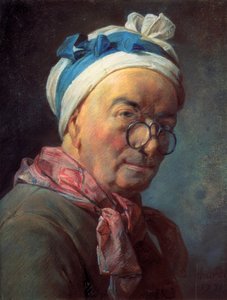
シャルダン
1699 - 1779 , フランス
基本情報
- フルネーム: ジャン=バティスト・シモン・シャルダン
- 出生地: パリ、フランス
- 国籍: フランス人
- 影響を与えたアーティスト:
- ポール・セザンヌ
- エドゥアール・マネ
- アンリ・マティス
- 影響を受けたアーティスト:
- ピエール=ジャック・カゼ
- ノエル=ニコラ・コイペル
- 没年月日: 1779年12月6日
- 生年月日: 1699年11月2日
- 芸術運動またはスタイル: 静物画、風俗画
- 著名な作品:
- 光沢のある魚
- 桃の籠
- 若い女教師
関連記事
Pixelated Prestige: Exploring Scarcity, Value, and Cultural Impact in Limited Edition Gaming Paintings
Explore the world of limited edition gaming paintings! Discover investment strategies, artist insights & preservation tips for collectors. Trusted expertise in rare video game art.
Beyond Pixels and Play: The Aesthetic and Identity Significance of Gaming Art for the Modern Collector
Explore the rising world of gaming art! Discover why collectors are investing in vintage games & interactive experiences. Expert insights on value, trends & cultural significance.
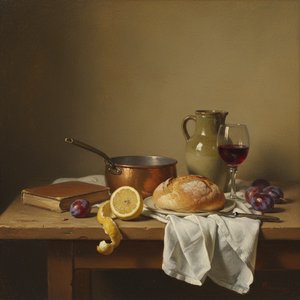
Jean-Baptiste-Siméon Chardin: Master of Still Life & Everyday Elegance
Explore the serene world of Jean-Baptiste-Siméon Chardin, master of still life & genre painting. Discover his revolutionary techniques, enduring legacy, and timeless depictions of everyday elegance. Learn more at ArtsDot.
Pixel & Palette: Exploring the Artistic Craftsmanship of Hand-Painted Game Universes and the Artists Who Bring Them to Life
Explore the artistry of hand-painted game universes! Discover techniques, artists & history behind this unique style. Expert insights for collectors & developers.

ゲームストリート:デジタル美学が現代文化に及ぼす影響 - ファッション、アート、そしてアイデンティティの再構築
ゲームストリートの隆盛と現代文化への影響を徹底解説。ファッション、アート、アイデンティティの変化を探り、ArtsDot.comが提案する新しいアート体験をご紹介します。デジタル美学を取り入れた作品で、あなただけの表現を見つけましょう。