

 プレビュー
プレビュー
 プリントを購入
 シェアする
シェアする シェアする
シェアする
 詳細を見る
詳細を見る

 ダウンロード
 似ている作品
 X線調査
X線調査 スライドショー
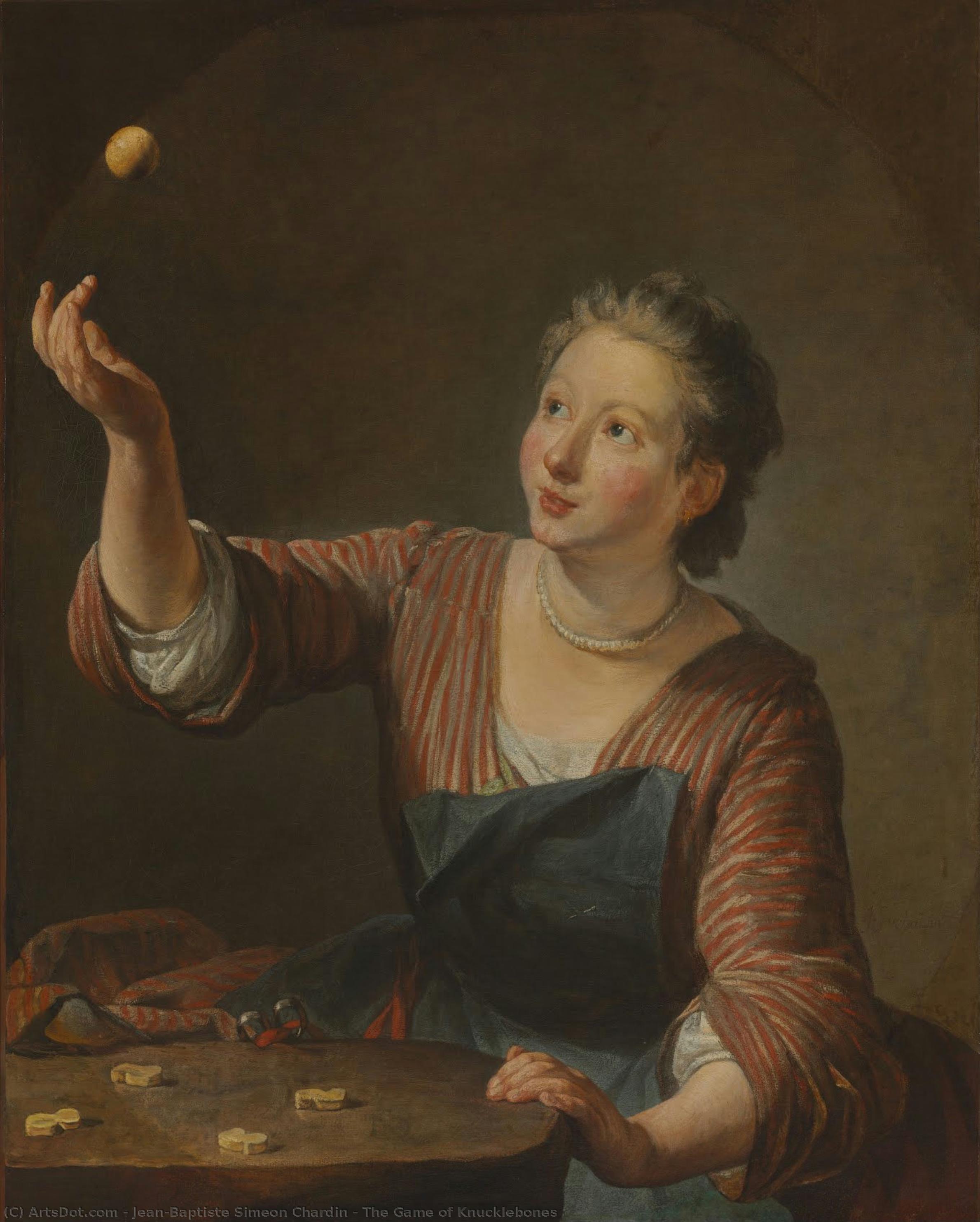
The Game of Knucklebones


 詳細を見る
詳細を見る
オンラインプレビューをはるかに凌ぐ、高解像度で鮮明なデジタル画像をご購入いただけます。
各ファイルは、社内の専門家が高度なツールと熟練した手作業によるレタッチを用いて、細心の注意を払って準備されています。すべての画像において、卓越した鮮明度、正確な色彩再現性、そして繊細なディテールを保証いたします。
最終ファイルは、プロフェッショナルな編集・印刷環境ですぐにご利用いただけるよう最適化された状態で、72時間以内にメールにてお届けいたします。これは、一流のデザインスタジオ、出版社、ギャラリーから信頼されているものと同等の品質です。
デジタル画像のご注文に付随する特典
高品質なデジタル画像配信を、確かな品質で。
ArtsDot.com を選ぶことは、単に画像を手に入れることではありません。それは、プロの手によって精密に仕上げられ、満足保証が付いた高品質なデジタルアートワークを受け取ることを意味します。ご注文いただいた際に自動的に付随する内容は、以下の通りです:

メールですぐにお届け
ご注文から72時間以内に、高解像度のデジタル画像ファイルがメールでお手元に届きます。すぐにそのままご利用いただけます。

AI技術で最適化されたデジタルファイル
お客様の作品は、高度なAIツールと専門家による手作業の編集を組み合わせてプロフェッショナルに最適化されており、細部のディテール、鮮明さ、そして正確な色再現性を最大限に引き出しています。

一生涯無料の再送サービス
ファイルを誤って削除したり、紛失してしまったりしましたか?ご安心ください。いつでも無料で再送いたします。

輸入手数料は一切かかりません
関税や手数料、配送料を気にすることなく、お気に入りのアートワークをすぐにお楽しみいただけます。デジタルダウンロードは常に免税です。

色彩再現の保証
プロ仕様のツールとカラーマネジメント技術を用いることで、デジタル画像が元の色を最大限に忠実に再現することを保証いたします。

60日間満足保証
ご購入いただいたデジタル画像にご満足いただけない場合は、60日以内であれば、修正または100%の返金(理由を問う必要はありません)をさせていただきます。

100% 返金保証
ご満足いただけない場合は、デジタルファイルを受け取ってから60日以内であれば、理由を問わず全額返金いたします。

まとめ買い割引
3枚購入で10%OFF - 5枚購入で15%OFF - 10枚以上購入で20%OFF。クリエイティブなプロジェクト、ギャラリー、エージェンシーに最適です。
作品の詳細
A Moment of Quiet Contemplation: Jean-Baptiste-Siméon Chardin’s “The Game of Knucklebones”
Jean-Baptiste-Siméon Chardin's "The Game of Knucklebones," painted around 1734, isn’t a grand historical tableau or a dramatic mythological scene; instead, it offers a remarkably intimate glimpse into the everyday lives and quiet moments of 18th-century France. This unassuming oil painting, now residing within the Baltimore Museum of Art's collection, reveals a profound depth of observation and an extraordinary ability to imbue the commonplace with beauty and significance – hallmarks of Chardin’s distinctive artistic vision.
At first glance, the scene appears simple: a young woman, rendered in exquisite detail, is deeply engrossed in the traditional game of knucklebones—a pastime enjoyed by children and adults alike. She sits at a rustic wooden table, its surface worn with use and illuminated by an unseen light source. Scattered around her are the dice themselves – small, ivory-colored cubes – along with a few fallen pieces, suggesting a moment of intense concentration or perhaps a touch of playful frustration. The composition is remarkably centered on this figure, drawing our attention to her posture, expression, and the subtle gestures that reveal her engagement with the game.
A Baroque Masterpiece: Technique and Style
Chardin’s masterful technique exemplifies the Baroque style, yet it's tempered by a remarkable restraint. The painting is characterized by an intense realism—every wrinkle on the woman’s face, every texture of the fabric draped across her lap, every grain of wood in the table is rendered with meticulous precision. However, this isn’t merely a photographic depiction; Chardin employs a subtle and sophisticated use of chiaroscuro – the dramatic contrast between light and dark – to sculpt the forms and create a sense of depth and volume. The strong directional lighting, originating from an unseen source above and slightly to the left, casts deep shadows that emphasize the contours of her face and body, lending the scene a palpable atmosphere.
The brushstrokes are remarkably smooth and blended, creating a luminous quality that belies the meticulous detail. Chardin’s use of color is restrained yet evocative; muted browns, creams, and ochres dominate the palette, contributing to the painting's overall sense of quiet dignity. The texture itself feels rich and layered – one can almost imagine running a hand across the worn wood of the table or feeling the soft fabric of her dress.
Historical Context and Symbolic Resonance
“The Game of Knucklebones” offers a fascinating window into 18th-century French society. The game itself was a popular pastime, often associated with chance, fortune, and social interaction. It wasn’t simply a frivolous amusement; it held cultural significance, frequently used for divination and as a form of entertainment during gatherings. Chardin's choice to depict a woman engaged in this activity speaks volumes about the role of women in society at the time – portraying them not as passive figures but as active participants in everyday life.
Beyond its historical context, the painting is rich in symbolic resonance. The dice represent chance and uncertainty, while the woman embodies grace, composure, and a quiet strength. Her focused gaze suggests an internal world of thought and emotion—a moment of contemplation amidst the simple pleasures of the game. The fallen dice hint at the unpredictable nature of life itself, reminding us that even in moments of apparent tranquility, there is always an element of chance and uncertainty.
A Timeless Portrait of Human Experience
“The Game of Knucklebones” transcends its simple subject matter to become a profound meditation on human experience. Chardin’s ability to capture the essence of a fleeting moment—a woman lost in thought while playing a humble game—is what makes this painting so enduringly captivating. It's a testament to his extraordinary skill as an observer and interpreter of the world around him, offering us a glimpse into the quiet beauty and profound dignity of everyday life. Reproductions of this work capture not just the image but also the spirit of Chardin’s vision – a timeless portrait of human experience that continues to resonate with viewers today.
関連作品
作家の略歴
静寂の中に宿る美:ジャン・バティスト・シモン・シャルダンの生涯と芸術
1699年、パリで生まれたジャン・バティスト・シモン・シャルダンは、フランス美術史において独特の地位を占める画家です。彼は壮大な歴史画や華麗な神話的場面を描くのではなく、むしろ日常の中に潜む美しさを探求しました。それは、台所道具の謙虚な威厳、家庭生活の穏やかな親密さ、テーブルの上で静かに佇む果実の儚い優雅さといったものに宿されていました。シャルダンは、貴族の庇護や学術的な野心ではなく、静かな観察と、平凡な人々の日常体験に対する深い共感から生まれた芸術家でした。彼の父が家具職人であったことは、若きアーティストに形、質感、そして素材本来の美しさに対する感受性を育み、それが彼の成熟した様式の特徴となりました。
当初、シャルダンはピエール=ジャック・カゼやノエル=ニコラ・コイペといった歴史画家の弟子として修行しましたが、すぐに自身の真の道を見出し、主流の芸術的潮流から離れ、より個人的で内省的なビジョンへと向かいました。彼は1757年までパリ郊外のサン=シュルピス近隣に住み着き、馴染み深い街並みや質素な家庭の中に無限のインスピレーションを見出しました。ルイ15世によってルーブル宮殿に住居と作業スペースが与えられたことは、彼にとって大きな転機となりました。
静物画から風俗画へ:巨匠の進化
シャルダンの芸術的旅は静物画から始まりました。彼の初期作品である「ニシン」(1728年)に見られるように、彼は魚の光沢のある鱗、布の粗い織り目、石の冷たい滑らかさといった質感を見事に表現する能力を示しました。それは、光と影の巧みな操作によってもたらされたものであり、ボリューム感と奥行きを醸し出す微妙な厚塗り技法が用いられています。この作品群はアカデミー・ロワイヤル・ド・ペinture エ スкульпチュールへの入会を確実にするほど、彼の才能を認めさせました。しかし、シャルダンはそこで止まりませんでした。彼は次第に風俗画へと進み始めます—台所女中、子供たち、そして質素な活動に従事する家族を描いた場面です。「若い教師」(1740年)や「恵みの祈り」といった作品は、人間関係の切ない考察であり、優しさ、集中力、そして静かな威厳の一瞬を捉えています。これらの絵画は、感情的ではなく、パリの庶民が生きる現実を率直に描き出したものでした。
触覚と光に根ざした技法
シャルダンを真に際立たせているのは、彼の独特な絵画技法です。彼は多くの同時代人が好んだ滑らかで磨き上げられた表面を避け、意図的にテクスチャードされた厚塗りを採用しました。これは単なる様式的な選択ではなく、彼の芸術的ビジョンにとって不可欠なものでした。その質感は、光と影の微妙なニュアンスを捉え、暖かさと親密さの雰囲気を作り出すことを可能にしました。彼は絵筆だけでなくパレットナイフも使い分け、内側から光を放つように見える表面を作り出しました。彼の色彩構成は通常、茶色、灰色、黄土色、クリーム色といった落ち着いたアースカラーですが、これらの色を並外れた感受性をもって扱い、微妙でありながら深遠な調和と対比を生み出しました。彼は光と影の劇的な相互作用であるキアロスクーロの名手であり、それを用いて形態を彫刻し、雰囲気を作り出しました。彼の絵画は、見る者にただ眺めるだけでなく、触れてみたい—描かれた物体が持つ質感、重さ、そして存在感を体験してほしいと誘います。
遺産と永続的な影響
シャルダンの芸術は、後世の画家たちに計り知れない影響を与えました。ポール・セザンヌ、エドゥアール・マネ、アンリ・マティスといった多様な画家たちが、彼の形態、光、そして構成に対する深い理解を称賛しました。特にセザンヌは、「シャルダンこそ我々の父である」と有名な言葉を残し、先代の巨匠が重視した構造と触覚的な品質への負債を認めています。また、シャルダンの日常的な主題への焦点は、理想化や装飾を排して生活を描こうとしたギュスターヴ・クールベのような写実主義画家たちの道を開きました。絵画における影響を超えて、シャルダンは作家、哲学者、美術史家たちとも共鳴してきました。彼の作品はしばしば、死生観、簡素さ、そして平凡な美しさといったテーマについての瞑想として見なされています。彼の遺産は今日でもアーティストや鑑賞者を魅了し続け、最もありふれたものの中にさえ深遠な意味を見出すことができることを思い出させてくれます。1779年12月6日にパリで亡くなった彼は、その芸術的才能と真実と美しさへの揺るぎない献身を証明する作品群を残しました。
今日におけるシャルダンの世界
幸いなことに、シャルダンの芸術に触れる機会は今も容易に得られます。彼の作品は、パリのルーブル美術館、ワシントンD.C.の国立美術館、サンクトペテルブルクのエルメー太字美術館など、世界中の主要な美術館で展示されています。また、フランスのモーリス・ドニ美術館では、シャルダンの作品とともにフランス後期印象派の絵画も展示されており、彼の芸術的影響を理解するための魅力的な背景を提供しています。彼の生涯と芸術についてより深く探求したい場合は、ジョルジュ・ヴィルシュタインによる包括的なモノグラフやピエール・ロゼンバーグによる洞察力に富んだエッセイなど、数多くの学術資料が利用可能です。さらに、ArtsDot.comなどのオンラインプラットフォームでは、彼の傑作の高品質な複製を見つけることができ、愛好家は自宅でシャルダンの世界の静かな美しさを再現することができます。
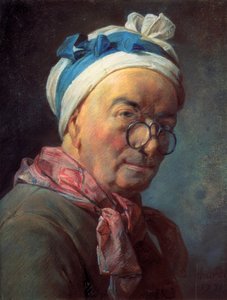
シャルダン
1699 - 1779 , フランス
プロフィール概要
- フルネーム: ジャン=バティスト・シモン・シャルダン
- 出生地: パリ、フランス
- 国籍: フランス人
- 影響を与えたアーティスト:
- ポール・セザンヌ
- エドゥアール・マネ
- アンリ・マティス
- 影響を受けたアーティスト:
- ピエール=ジャック・カゼ
- ノエル=ニコラ・コイペル
- 没年月日: 1779年12月6日
- 生年月日: 1699年11月2日
- 芸術運動またはスタイル: 静物画、風俗画
- 著名な作品:
- 光沢のある魚
- 桃の籠
- 若い女教師

