

 プレビュー
プレビュー
 シェアする
シェアする シェアする
シェアする
 詳細を見る
詳細を見る

 ダウンロード
 似ている作品
 X線調査
X線調査 スライドショー
 統計情報
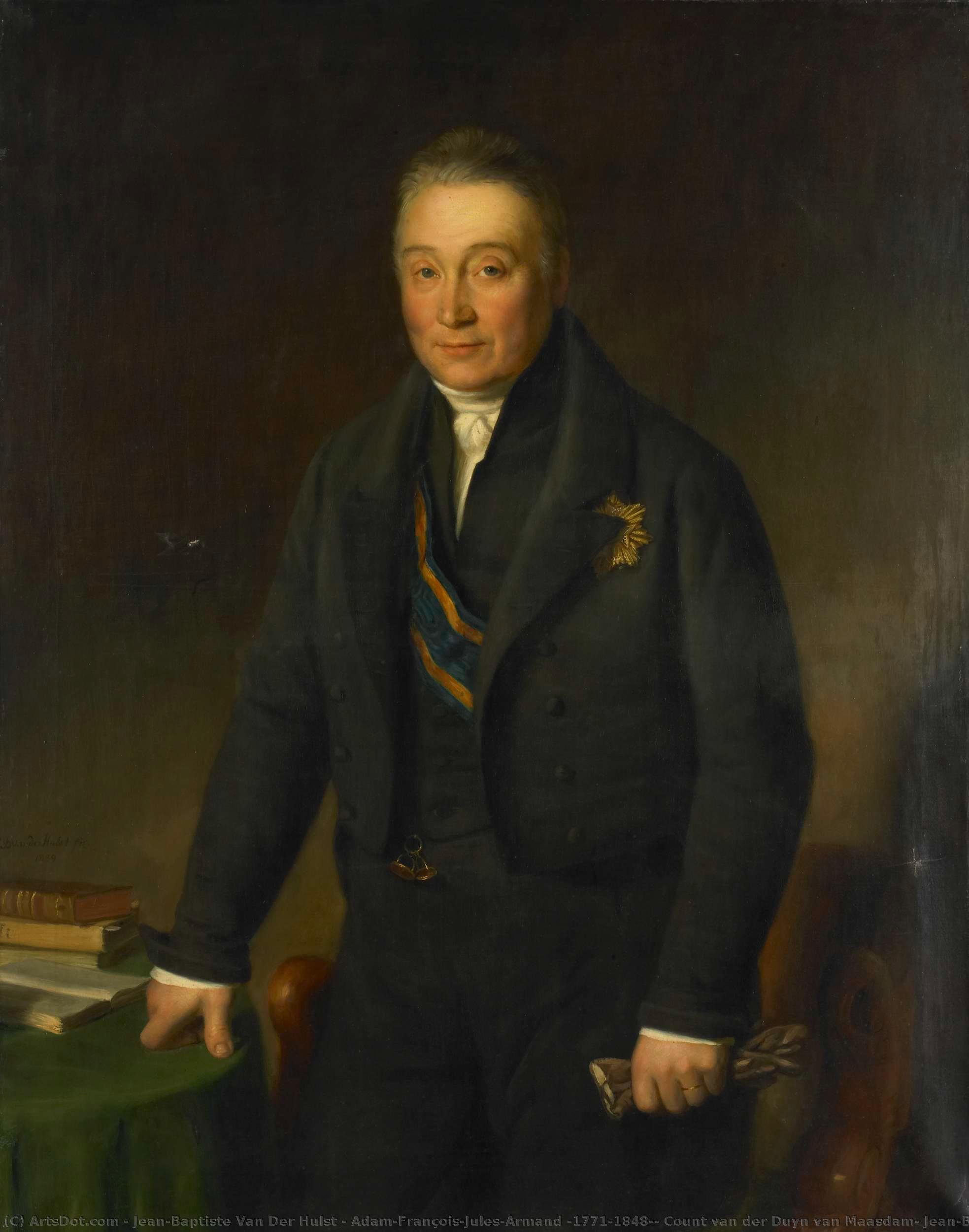
統計情報Adam-François-Jules-Armand (1771-1848), Count van der Duyn van Maasdam, Jean-Baptiste Van der Hulst, 1839
 1839
1839 122.0 x 95.0 cm
 詳細を見る
詳細を見る
手描き油彩複製画
当社のアーティストが、お客様のご希望のサイズと額縁に合わせて、キャンバスに手描きで制作する油彩画です。 ( プリント版に切り替え デジタル画像販売へ切り替え)




































作品のオリジナル比率に合わせた、当店の規定サイズからお選びください。

特定のフレームやスペースに合わせて、ご希望のサイズをご入力いただけます。選択されたサイズが元の画像の比率と異なる場合、アートワークをトリミングするか、手描きで要素を追加して絵画を拡張いたします。デジタルモックアップ を制作し、制作開始前にご確認(承認)をいただきます。
画面上のプレビューは、実際のトリミングや拡張を正確に反映しているものではありません。最終的な構図は、モックアップによってのみ正確にご確認いただけます。
カスタムサイズもご利用いただけますが、元の比率を維持するためには、あらかじめ用意されたリストからサイズを選択することをお勧めいたします。
ご注文後、ArtsDot.com チームより詳細な指示をお送りするとともに、仕上がりイメージ(モックアップ)をご提供いたします。


 ガラスオプションは、110cm未満のサイズでのみご利用いただけます。

Adam-François-Jules-Armand (1771-1848), Count van der Duyn van Maasdam, Jean-Baptiste Van der Hulst, 1839
複製技法
複製画のサイズ
-


合計金額
$ 263
関連作品







アーティストの略歴
A Brush with Royalty: The Life and Art of Jean-Baptiste van der Hulst
Born in Leuven, Belgium, in 1790, Jean-Baptiste van der Hulst emerged as a significant figure in the artistic landscape of the early 19th century. His life coincided with a period of immense political and social upheaval in Europe, events that would profoundly shape not only his personal trajectory but also the subject matter he chose to immortalize on canvas. While initially trained in the traditional Flemish style, van der Hulst quickly distinguished himself through an exceptional talent for portraiture, a skill that ultimately led him to the heart of Dutch royal circles. His journey from aspiring artist to *hofschilder* (court painter) is a testament to his dedication, technical prowess, and ability to capture not merely likenesses but the very essence of his sitters.Early Training and Artistic Development
Van der Hulst’s early artistic education remains somewhat shrouded in mystery; however, it's understood he received foundational training within the established Flemish schools. This grounding instilled in him a meticulous attention to detail, a mastery of light and shadow, and a deep appreciation for classical composition—elements that would become hallmarks of his mature style. He wasn’t merely replicating techniques, though. Van der Hulst possessed an innate sensitivity to human expression, allowing him to move beyond simple representation towards a more nuanced portrayal of character. This talent was particularly evident in his early portraits, which, while not widely known today, demonstrate a burgeoning ability to convey personality and social standing through subtle gestures and carefully chosen attire. He began exhibiting works that garnered local attention, slowly building a reputation for quality and precision.The Court of the Netherlands: A Portraitist Ascendant
The pivotal moment in van der Hulst’s career arrived with his appointment as court painter to King William I of the Netherlands in 1830. This prestigious position thrust him into a world of aristocracy, diplomacy, and national identity. He was tasked with creating official portraits of the royal family and prominent members of Dutch society—a commission that demanded not only artistic skill but also an understanding of court etiquette and political symbolism. Van der Hulst excelled in this role, producing a series of elegant and dignified portraits that served to solidify the image of the newly established monarchy. His depictions weren’t simply flattering; they were carefully constructed narratives designed to project power, stability, and legitimacy. He became adept at using props, backgrounds, and even clothing to subtly communicate messages about his sitters' status and achievements.Beyond Portraits: History Painting and Artistic Legacy
While van der Hulst is best remembered for his royal portraits, he also engaged in history painting, a genre considered more prestigious at the time. These works, though less numerous than his portraiture, reveal a broader artistic ambition and a desire to engage with significant historical events. He tackled scenes of national heroism and moments of political importance, demonstrating a command of composition and narrative storytelling.- Technical Mastery: Van der Hulst’s technique was characterized by smooth brushwork, rich color palettes, and an exceptional attention to detail. He employed glazing techniques to create depth and luminosity in his paintings.
- Symbolism and Narrative: His portraits were often imbued with subtle symbolism, reflecting the social status and political affiliations of his sitters.
- Influence of Contemporaries: While maintaining a distinct style, van der Hulst was influenced by contemporary portraitists such as Jacques-Louis David and Jean-Auguste-Dominique Ingres.
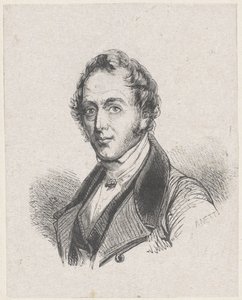
jean-baptiste van der hulst
1790 - 1862 , Belgium
基本情報
- Artistic Movement Or Style: History painting, Portraiture
- Date Of Birth: 1790
- Date Of Death: 1862
- Full Name: Jean-Baptiste van der Hulst
- Nationality: Flemish
- Place Of Birth: Leuven, Belgium