

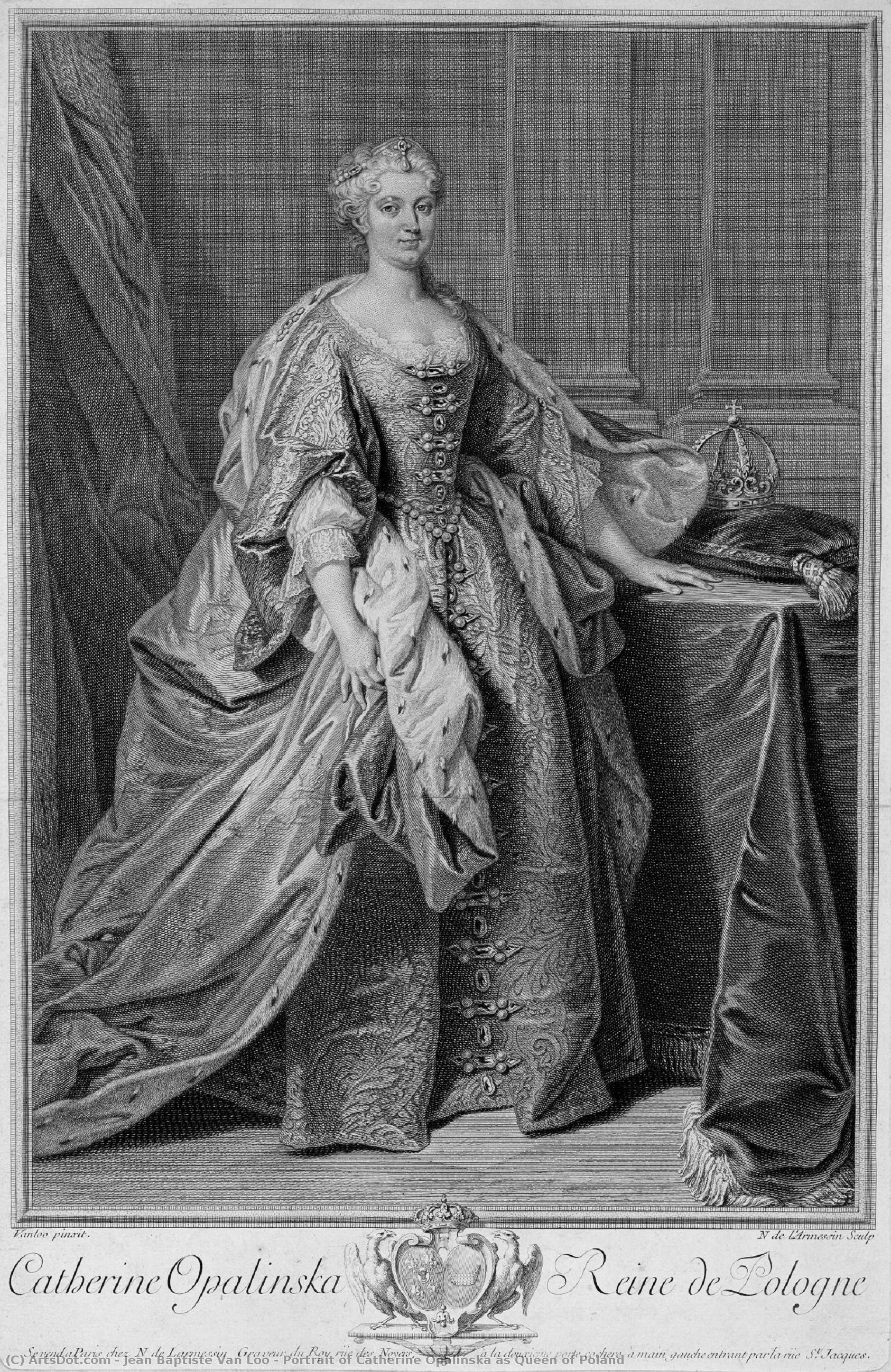
 プレビュー
プレビュー
 シェアする
シェアする シェアする
シェアする
 詳細を見る
詳細を見る

 ダウンロード
 似ている作品
 X線調査
X線調査 スライドショー
Portrait of Catherine Opalińska as Queen of Poland

 詳細を見る
詳細を見る
ジークレー/アートプリント
迅速な制作と多彩な仕上げオプションを備えた、ミュージアムクオリティのジークレーまたはキャンバスプリント。 ( 手描きの絵画を購入 画像を購入)




































作品のオリジナル比率に合わせた、当店の規定サイズからお選びください。

特定のフレームやスペースに合わせて、ご自身でサイズを指定することも可能です。選択されたサイズが元の画像の比率と一致しない場合、作品をトリミングするか、鏡面反射または単色での塗りつぶしによって画像を拡張いたします。制作を開始する前に、ご確認用のデジタルモックアップをお送りいたします。
画面上のプレビューには、実際のトリミングや拡張は反映されませんのでご注意ください。最終的な構図を正確に確認できるのは、モックアップのみとなります。
カスタムサイズも承っておりますが、元の比率を維持するためには、あらかじめ用意されたリストからサイズを選択することをお勧めいたします。


 ガラスオプションは、110cm未満のサイズでのみご利用いただけます。

Portrait of Catherine Opalińska as Queen of Poland
ジークレー/アートプリント
複製画のサイズ
-


合計金額
$ 62

![Three Studies Of A Woman's Head And A Study Of Hands [recto], — ワトー, Rococo Style](/media/artworks/images-thumb/65/73/65730255a762c06e3235059db7ffcb5f.jpg)
アーティストの略歴
A Legacy of Likeness: The Life and Art of Jean-Baptiste van Loo
Jean-Baptiste van Loo, born in Aix-en-Provence in 1684, emerged from a distinguished lineage of artists, a heritage that profoundly shaped his artistic journey. His father, Louis-Abraham van Loo, himself the son of Jacob van Loo, instilled in him not only technical skill but also an appreciation for the power and prestige associated with portraiture. This familial foundation proved crucial as young Jean-Baptiste embarked on a career destined to capture the likenesses of Europe’s elite. Early training laid the groundwork for his future success, fostering a meticulous attention to detail and a developing understanding of composition that would become hallmarks of his style. The initial artistic explorations within Aix and Toulon were abruptly interrupted by the siege of 1707, an event that propelled him toward new opportunities and further refinement of his craft.From Roman Churches to Parisian Salons
A pivotal moment arrived with the patronage of Prince Emmanuel Philibert of Carignano, who recognized van Loo’s burgeoning talent and sponsored his journey to Rome. This sojourn proved transformative. Under the tutelage of Benedetto Luti, van Loo immersed himself in the vibrant artistic milieu of the Italian capital, honing his skills while contributing significantly to the city's religious landscape. His “Scourging of Christ” for the church of Santa Maria in Monticelli garnered considerable acclaim, demonstrating a mastery of dramatic composition and emotional intensity. This early success established him as a painter capable of both technical brilliance and profound spiritual expression. Following Rome, van Loo’s artistic path led him to Turin, where he painted portraits of Charles Emmanuel II, Duke of Savoy, and members of his court, further solidifying his reputation among European nobility. The culmination of this period saw his election into the prestigious Académie Royale de Peinture et de Sculpture in Paris, marking a significant milestone in his career and opening doors to commissions from the highest echelons of French society. He also undertook restoration work at Fontainebleau, demonstrating versatility beyond portraiture.Capturing an Era: Portraiture and Aristocratic Patronage
Van Loo’s true mastery lay in the art of portraiture. He possessed a remarkable ability to capture not merely physical resemblance but also the essence of his sitters – their status, personality, and even subtle nuances of character. His portraits were sought after by aristocrats across Europe, including a young William Murray (later the 1st Lord Mansfield) during his time in Paris, and later Sir Robert Walpole in England. The portrait of Walpole, now residing in the National Portrait Gallery, London, exemplifies van Loo’s style: a dignified depiction emphasizing power and authority through meticulous detail in attire and pose. While celebrated for his technical skill, it's worth noting that van Loo’s portraits were often described as unflattering, prioritizing faithful representation over idealization. This commitment to realism, while perhaps not always appreciated by his subjects, contributed to the historical value of his work, offering invaluable insights into the appearance and demeanor of prominent figures of the 18th century. His ability to convey social standing through artistic choices made him a favored artist among those seeking to project an image of power and refinement.A Brief English Interlude and Enduring Influence
In 1737, van Loo ventured to England, where he quickly gained recognition for his portraits of Colley Cibber and Owen McSwiny. However, his time in Britain was cut short by declining health, forcing him to return to France in 1742 and eventually settle back in Aix-en-Provence, where he passed away in 1745. Despite the brevity of his English sojourn, it left a lasting impression on the artistic landscape of the period. His work influenced subsequent generations of portrait painters, who admired his technical precision and commitment to realism. The legacy of Jean-Baptiste van Loo extends beyond individual masterpieces; he represents a pivotal figure in the development of 18th-century portraiture, bridging the gap between the Baroque and Rococo styles. Today, his paintings continue to captivate audiences with their historical significance and artistic merit, offering a glimpse into a bygone era of elegance, power, and refined artistry. His works can be found in prominent collections such as the National Portrait Gallery in London, ensuring that his contribution to art history remains accessible for generations to come.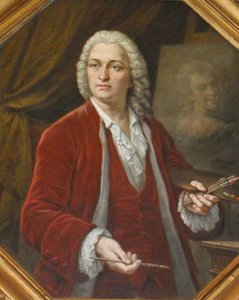
Jean-Baptiste van Loo
1684 - 1745 , France
基本情報
- Artistic Movement Or Style: Baroque, Rococo
- Artists Who Influenced This Artist: ['Benedetto Luti']
- Date Of Birth: 1684
- Date Of Death: 1745
- Full Name: Jean-Baptiste van Loo
- Nationality: French
- Notable Artworks:
- Scourging of Christ
- Portrait of Walpole
- King Louis XV portrait
- Place Of Birth: Aix-en-Provence, France

