

 プレビュー
プレビュー
 プリントを購入
 シェアする
シェアする シェアする
シェアする
 詳細を見る
詳細を見る

 ダウンロード
 似ている作品
 X線調査
X線調査 スライドショー
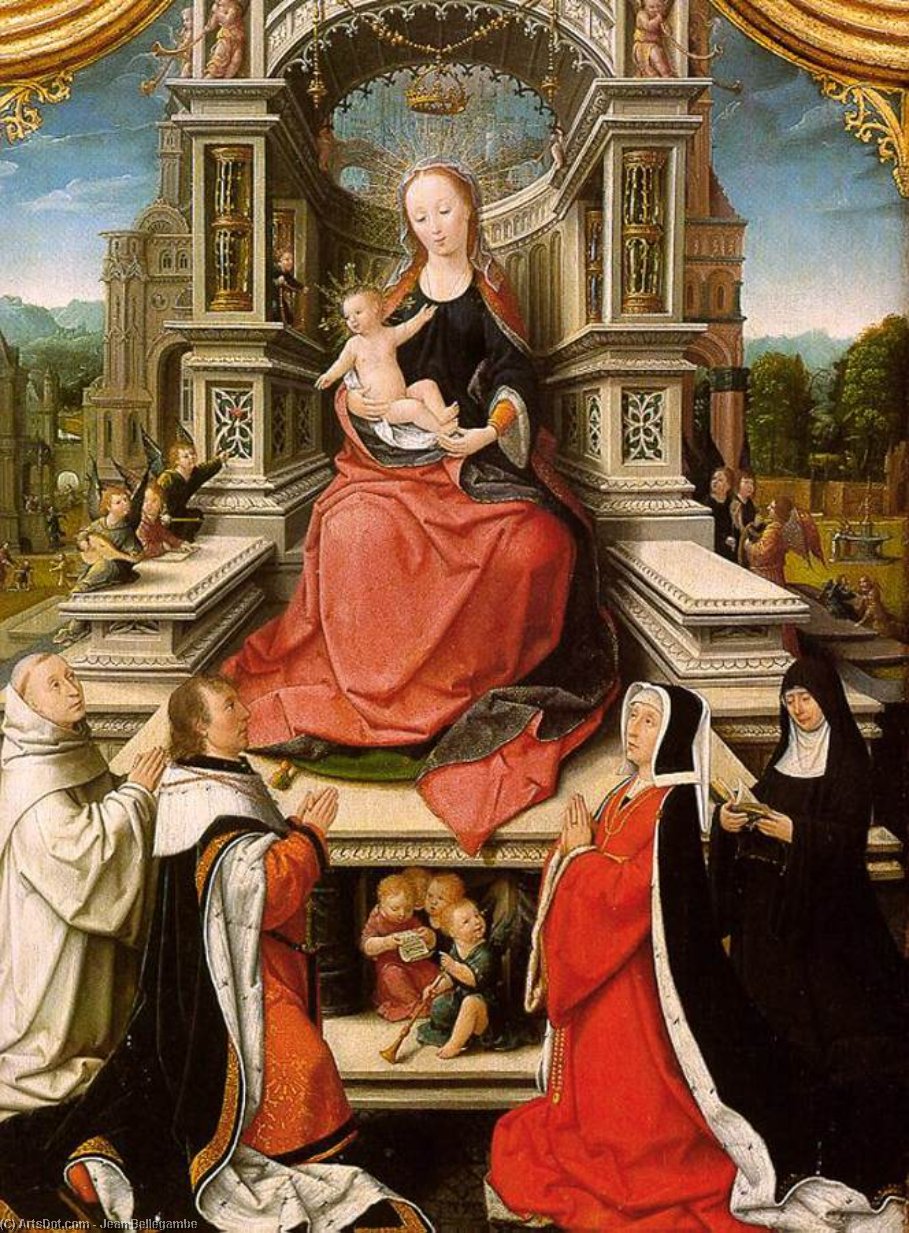
The Le Cellier Triptych
 Acrylic On Canvas
- WallArt
- Flemish Renaissance
 1508
1508 102.0 x 61.0 cm
 メトロポリタン美術館
 詳細を見る
詳細を見る




P118B $10

P118H $10

P118W $10

P438Z $10

P508JH $12

P508YH $12

P805H $10

P805Z $10

P919BZ $10

P919G $10

P919XJ $10

P959ZH $10

P968JZ $12

W106C $8

W218G $10

W218JH $8

W218Y $10

W307PJ $10

W316G $10

W316PJ $8

W316Y $10

W398PJ $8

W4111J $10

W500HY $15

W500JH $15

W692G $12

W849H $8

W940BG $15

W953PJ $8




作品のオリジナル比率に合わせた、当店の規定サイズからお選びください。

特定のフレームやスペースに合わせて、ご希望のサイズをご入力いただけます。選択されたサイズが元の画像の比率と異なる場合、アートワークをトリミングするか、手描きで要素を追加して絵画を拡張いたします。デジタルモックアップ を制作し、制作開始前にご確認(承認)をいただきます。
画面上のプレビューは、実際のトリミングや拡張を正確に反映しているものではありません。最終的な構図は、モックアップによってのみ正確にご確認いただけます。
カスタムサイズもご利用いただけますが、元の比率を維持するためには、あらかじめ用意されたリストからサイズを選択することをお勧めいたします。
ご注文後、ArtsDot.com チームより詳細な指示をお送りするとともに、仕上がりイメージ(モックアップ)をご提供いたします。


 ガラスオプションは、110cm未満のサイズでのみご利用いただけます。

The Le Cellier Triptych
複製技法
複製画のサイズ
-


合計金額
$ 263
作品解説
The Le Cellier Triptych: A Flemish Masterpiece of Devotion
Jean Bellegambe’s “The Le Cellier Triptych,” painted in 1508, is more than just a religious artwork; it's a meticulously crafted window into the heart of fifteenth-century Flanders. Created during a period of burgeoning artistic innovation and deeply rooted faith, this triptych offers a captivating glimpse into the daily life, piety, and architectural grandeur of Douai – a city that served as Bellegambe’s lifelong home. The work, now housed in the Art Institute of Chicago, immediately draws the eye with its luminous palette and remarkably detailed depiction of a Cistercian celler, a space imbued with both practical utility and spiritual significance.
Bellegambe's genius lies not merely in his technical skill – though that is undeniably impressive – but in his ability to imbue a seemingly mundane setting with profound emotional resonance. The triptych’s exterior panels depict the Cistercian abbey of Flines-lez-Raches, complete with its porterie (entrance hall), chevet (chapel), and transept. These architectural elements aren't simply rendered; they are presented as a testament to monastic order and devotion, reflecting the Abbot’s desire for his daughter to be buried within this sacred space. The grisaille technique – using monochrome pigments to create realistic depictions of stone and architecture – is masterfully executed, lending an almost tangible quality to the scene.
A Central Narrative of Faith and Family
The central panel reveals a profoundly moving tableau: Mary holding the infant Jesus, surrounded by figures representing the Abbot, his family, and members of the monastic community. This isn’t a grand, idealized depiction of the Virgin; rather, it's a scene of intimate piety – a mother’s unwavering faith reflected in her son’s presence. The Abbot, identified as Saint Bernard, stands alongside his sister, Humbeline (disguised as Saint Bernard), embodying the familial and spiritual bonds that underpinned monastic life. The figures are rendered with remarkable sensitivity, each conveying a distinct emotion—prayerful contemplation, maternal love, and humble reverence.
Symbolism permeates every aspect of the composition. The celler itself represents a space of refuge and contemplation, mirroring the spiritual journey undertaken by those within the monastery. Mary’s posture and gaze suggest a deep connection to God, while the surrounding figures demonstrate their devotion through prayer and acts of charity. The inclusion of the Abbot's family highlights the importance of faith within the domestic sphere – a powerful message for a society deeply influenced by religious values.
Technique and Artistic Innovation
Bellegambe’s mastery is evident in his use of tempera on wood, a technique that allowed for vibrant colors and intricate detail. His application of color is particularly noteworthy; he employed a ‘lost-and-found’ method, layering translucent glazes to achieve an astonishing level of luminosity and depth. This approach, characteristic of Flemish painting at the time, created a shimmering effect that brought the figures and architectural elements to life. The artist's ability to capture light and shadow is exceptional, contributing significantly to the work’s overall sense of realism and emotional impact.
Furthermore, Bellegambe’s “Le Cellier Triptych” stands as a significant example of Flemish artistic innovation during the early 16th century. It demonstrates a sophisticated understanding of perspective, composition, and human anatomy – qualities that would become hallmarks of the Northern Renaissance style. The triptych's meticulous detail and emotional depth continue to captivate viewers centuries after its creation, solidifying Bellegambe’s legacy as one of Flanders’ most accomplished artists.
A Timeless Reflection on Faith and Family
“The Le Cellier Triptych” is more than just a beautiful painting; it's a poignant meditation on faith, family, and the enduring power of devotion. Its intricate details, luminous colors, and profound symbolism offer a unique window into the spiritual life of fifteenth-century Flanders. Reproductions of this masterpiece capture its essence beautifully, allowing art lovers to appreciate Bellegambe’s genius and the timeless message conveyed within its panels.
関連作品
アーティストの略歴
Jean Bellegambe: The Maestro of Flemish Color
Jean Bellegambe (ca. 1470 – ca. june 1535–march 1536) stands as a pivotal figure in the artistic landscape of fifteenth and sixteenth-century Flanders, renowned primarily for his luminous religious paintings—particularly triptychs and polyptychs—that now grace institutions across Europe, including Douai Cathedral, Arras Museum, Aix Cathedral, Lille Musée Beaux Arts, Saint Petersburg Hermitage Museum, and Chicago Art Institute. He earned the moniker “master of colours” due to his unparalleled ability to achieve breathtaking transparency and harmonic interplay within his palettes, a stylistic hallmark that distinguishes him from many contemporaries. While biographical details remain scarce—his precise training is unknown—evidence suggests he emerged from Douai, France, as the son of Georges Bellegambe, a cabinetmaker and musician residing in rue Haute-des ferronniers (later rue Fosset-Maugart).- Early Life & Training: Precise information regarding Bellegambe’s formative years is elusive. Records indicate he was registered as a master painter in 1504, hinting at an apprenticeship or self-taught mastery—a common practice during the Renaissance.
- Career Highlights: By 1528, Bellegambe possessed property on rue de la Cloris and rue du Palais, reflecting his growing prosperity and establishing him as a respected artist within Douai’s artistic milieu. His prolific output spanned decades, producing monumental altarpieces and devotional panels that captivated audiences and cemented his legacy as one of the era's foremost painters.
Bellegambe’s Distinctive Style: Color & Technique
What truly elevates Bellegambe’s oeuvre is his masterful manipulation of colour—a characteristic that distinguishes him from other Flemish artists of his time. He eschewed the muted tones favored by some, opting instead for vibrant hues and subtle gradations that conveyed depth and emotion with remarkable precision. This technique, termed “sfumato,” achieved through meticulous layering of translucent glazes, created an ethereal quality reminiscent of Leonardo da Vinci’s work—a testament to Bellegambe's artistic sensitivity and innovation. Examination of surviving paintings reveals a dedication to textural detail, utilizing impasto techniques to imbue surfaces with palpable physicality.- The Cellier Altarpiece: Commissioned by Jeanne de Boubais for the Cistercian convent of Flines, this multipaneled altarpiece exemplifies Bellegambe’s stylistic prowess. Featuring Saint Bernard and his family gathered around Mary's throne, it showcases a masterful blend of realism and symbolic representation—a hallmark of Flemish devotional art.
- Notable Polyptychs: Several polyptychs attributed to Bellegambe bear witness to his artistic ambition and technical skill, demonstrating his ability to execute large-scale commissions with unwavering artistry.
Influences & Artistic Legacy
Bellegambe’s artistic vision was undoubtedly shaped by the prevailing currents of Renaissance art—particularly the influence of Italian masters like Piero della Francesca and Andrea Mantegna—whose compositional principles and use of perspective informed his approach to painting. However, unlike many artists of his era who slavishly imitated Italian models, Bellegambe developed a distinctly Flemish style characterized by psychological depth and expressive nuance. His works continue to inspire admiration for their luminous colour palettes and profound spiritual resonance.- The Last Judgment: The monumental *Last Judgment* at Saint Petersburg’s Hermitage Museum stands as a powerful testament to Bellegambe's artistic ambition and technical mastery, showcasing his ability to convey complex theological concepts with visual eloquence.
Recognitions & Museums Housing His Artworks
Bellegambe’s enduring fame is reflected in the preservation of his masterpieces within prestigious museums worldwide: Douai Cathedral houses *The Cellier Altarpiece*, Arras Museum showcases *The Saint Anne Polyptych*, Aix Cathedral displays *The Sainte Madeleine Polyptych*, Lille Musée Beaux Arts holds *The Virgin Mary with Saints* and Chicago Art Institute proudly presents *Saint Bernard and Saint Eustache*. These artworks serve as invaluable windows into the artistic spirit of fifteenth-century Flanders, ensuring that Jean Bellegambe’s legacy continues to illuminate the history of art.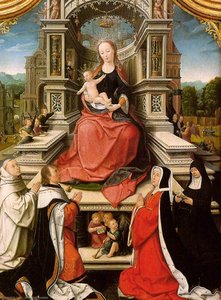
Jean Bellegambe
1470 - 1534 , France
基本情報
- Artistic Movement Or Style: Renaissance Painting
- Artists Or Movements Influenced By This Artist: ['Flemish Renaissance']
- Artists Who Influenced This Artist:
- Hieronymus Bosch
- Dieric Bouts
- Date Of Birth: ca. 1470
- Date Of Death: ca. june 1535–march 1536
- Full Name: Jean Bellegambe
- Nationality: Flemish
- Notable Artworks:
- The Cellier Altarpiece
- Annunciation
- Blood of Christ tryptich
- Place Of Birth: Douai, France
関連記事
Sacred Narratives Embodied: A Comprehensive Exploration of Religious Iconography in Art History
Explore the rich history of religious iconography in art! Discover symbolism, movements & masterpieces from Byzantine to Renaissance periods. Expert insights for collectors and enthusiasts at ArtsDot.
Illuminating Realism: Early Netherlandish Painting (15th-16th Centuries)
Explore the captivating world of Early Netherlandish painting! Discover Jan van Eyck, Hans Memling & more. Uncover symbolism, techniques & the legacy of these Flemish masters. A comprehensive guide for art enthusiasts.
フランシス・ベーコン傑作25選:魂を揺さぶる絵画の世界 | ArtsDot
フランシス・ベーコンの傑作25選。魂を揺さぶる表現主義絵画の世界へ。人物画、三面図、ポープ・インノケンティウス10世など、美術史に残る名作をArtsDotで高精細複製画としてご紹介。インテリアに深みと個性を。今すぐコレクションをご覧ください。
Sacred Narratives on Canvas: Exploring Religious Painting Through History
Explore the rich history of religious painting with ArtsDot.com! Discover iconic artworks, symbolism & techniques from antiquity to the Renaissance. Enhance your art appreciation today.

Early Netherlandish Masters: 10 Paintings That Revolutionized Art & Decor
Journey into the world of Early Netherlandish painting! Explore 10 masterpieces by Jan van Eyck, Rogier van der Weyden & more. Discover stunning detail, symbolism & Renaissance art for your home decor. Find museum-quality reproductions on ArtsDot.com

