

 プレビュー
プレビュー
 プリントを購入
 シェアする
シェアする シェアする
シェアする
 詳細を見る
詳細を見る

 ダウンロード
 似ている作品
 X線調査
X線調査 スライドショー
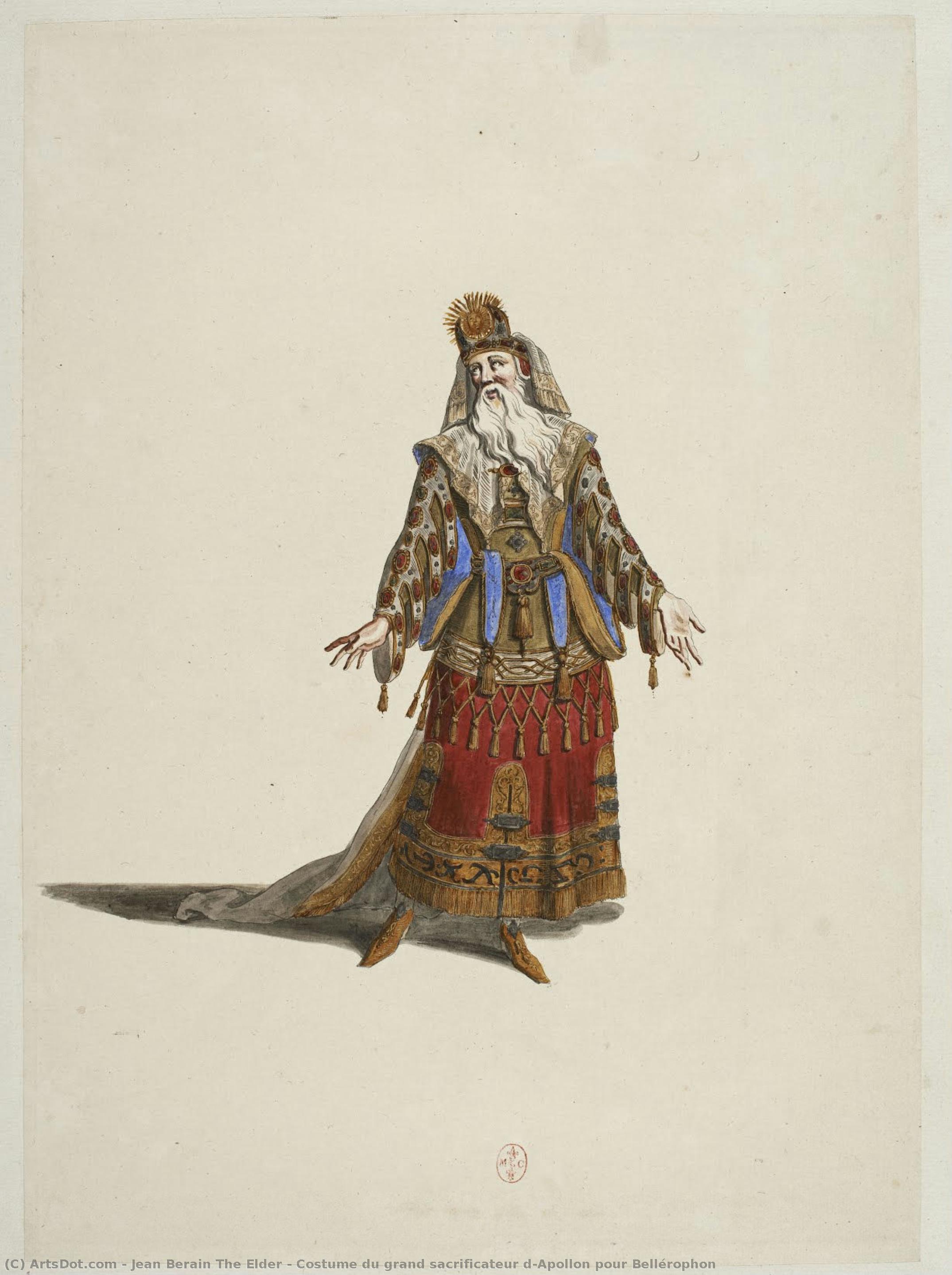
コスチューム ド グラン サクラフィシエ アポロ ペイレオフォーン


 詳細を見る
詳細を見る
オンラインプレビューをはるかに凌ぐ、高解像度で鮮明なデジタル画像をご購入いただけます。
各ファイルは、社内の専門家が高度なツールと熟練した手作業によるレタッチを用いて、細心の注意を払って準備されています。すべての画像において、卓越した鮮明度、正確な色彩再現性、そして繊細なディテールを保証いたします。
最終ファイルは、プロフェッショナルな編集・印刷環境ですぐにご利用いただけるよう最適化された状態で、72時間以内にメールにてお届けいたします。これは、一流のデザインスタジオ、出版社、ギャラリーから信頼されているものと同等の品質です。
デジタル画像のご注文に付随する特典
高品質なデジタル画像配信を、確かな品質で。
ArtsDot.com を選ぶことは、単に画像を手に入れることではありません。それは、プロの手によって精密に仕上げられ、満足保証が付いた高品質なデジタルアートワークを受け取ることを意味します。ご注文いただいた際に自動的に付随する内容は、以下の通りです:

メールですぐにお届け
ご注文から72時間以内に、高解像度のデジタル画像ファイルがメールでお手元に届きます。すぐにそのままご利用いただけます。

AI技術で最適化されたデジタルファイル
お客様の作品は、高度なAIツールと専門家による手作業の編集を組み合わせてプロフェッショナルに最適化されており、細部のディテール、鮮明さ、そして正確な色再現性を最大限に引き出しています。

一生涯無料の再送サービス
ファイルを誤って削除したり、紛失してしまったりしましたか?ご安心ください。いつでも無料で再送いたします。

輸入手数料は一切かかりません
関税や手数料、配送料を気にすることなく、お気に入りのアートワークをすぐにお楽しみいただけます。デジタルダウンロードは常に免税です。

色彩再現の保証
プロ仕様のツールとカラーマネジメント技術を用いることで、デジタル画像が元の色を最大限に忠実に再現することを保証いたします。

60日間満足保証
ご購入いただいたデジタル画像にご満足いただけない場合は、60日以内であれば、修正または100%の返金(理由を問う必要はありません)をさせていただきます。

100% 返金保証
ご満足いただけない場合は、デジタルファイルを受け取ってから60日以内であれば、理由を問わず全額返金いたします。

まとめ買い割引
3枚購入で10%OFF - 5枚購入で15%OFF - 10枚以上購入で20%OFF。クリエイティブなプロジェクト、ギャラリー、エージェンシーに最適です。
Costume du grand sacrificateur d’Apollon pour Bellérophon:Jean Berain le Vieuxとバロック芸術の輝き
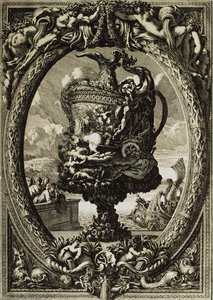
フランスのシャントilly城に収蔵されている絵画「コスチューム ドゥ グラン サクラフィシテ アポロニ プール ベレロフォヌ」は、フランドルの画家ジャン・ベレイン ルエリュイによって制作された傑作です。この作品は、ギリシャ神話の英雄ベレロフォヌとアポロンの伝説をモチーフに、バロック芸術の壮麗さを表現しています。絵画全体が黒と白で構成され、繊細な筆致と豊かな色彩が特徴的です。特に、アポロンの衣装は豪華絢爛であり、彼の威厳と力強さを視覚的に訴えかけます。ベレイン ルエリュイは、この作品において光と感情を巧みに表現することで、バロック芸術の精神を体現しています。彼の技法は、細密な描写と効果的なコントラストを用いることで、絵画に深みと奥行きを与えています。この絵画は単なる歴史的記録ではなく、芸術家が人間の心を捉えようとした試みであり、その感動は現代にも受け継がれています。- タイトル:コスチューム ドゥ グラン サクラフィシテ アポロニ プール ベレロフォヌ
- 画家:ジャン・ベレイン ルエリュイ
- 制作年:1686年
- 場所:シャントilly城(フランス)
- 技法:エッチング、水彩、金と銀のハイライト
- 素材:紙、エッチングインク、水彩絵具、金の箔と銀の箔
関連作品

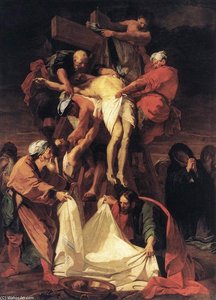
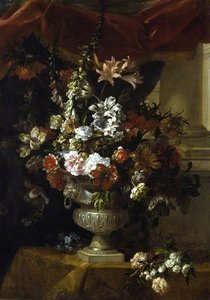
作家の略歴
Peter Paul Rubens: A Baroque Master of Light and Emotion
Peter Paul Rubens, a name synonymous with the vibrant energy and dramatic intensity of the Baroque period, remains one of the most influential artists in European history. Born on June 28th, 1577, in Siegen, Germany – though he spent his childhood in Antwerp, Belgium – Rubens’s life was a tapestry woven with artistic ambition, diplomatic service, personal tragedy, and an unparalleled output of masterpieces. His legacy extends far beyond the sheer volume of his work; it resides in his innovative techniques, his masterful command of color and composition, and his profound understanding of human emotion. He died on May 30th, 1640, leaving behind a body of art that continues to captivate and inspire centuries later.Early Life and Artistic Training: Seeds of Innovation
Rubens’s early years were marked by displacement and a nascent artistic sensibility. Following his family's flight from Antwerp during the Eighty Years’ War, they settled in the Duchy of Brabant, where young Peter received a surprisingly comprehensive education – encompassing Latin, Greek, rhetoric, music, and drawing. At the age of thirteen, he secured a position as a court page to Countess Juliane van der Glyck, a role that provided him with access to a world of luxury and artistic patronage while simultaneously stifling his creative spirit. Recognizing this constraint, Rubens sought formal training in Antwerp, initially under Otto van Veen, a painter known for his meticulous realism. However, it was the influence of Adam van Noort, a more experimental artist, who truly ignited Rubens’s imagination. Crucially, in 1600, at the tender age of twenty-three, he embarked on a transformative journey to Italy – a period that would fundamentally shape his artistic vision.The Italian Years: Classical Inspiration and Baroque Beginnings
Rubens’s sojourn in Italy proved to be nothing short of revelatory. He immersed himself in the works of the Renaissance masters, studying the sculptures of Michelangelo, the frescoes of Raphael, and the dramatic compositions of Caravaggio and Titian. He meticulously copied classical statues, absorbing their idealized forms and balanced proportions. Yet, he didn’t simply imitate; he synthesized these influences with his own burgeoning style, developing a distinctly Baroque approach characterized by dynamic movement, intense color contrasts, and an emphasis on sensual beauty. He worked primarily in Genoa, Mantua, Parma, and Rome, producing a remarkable series of altarpieces, mythological scenes, and portraits that showcased his growing technical skill and expressive power. These early Italian works established the foundation for his later success, demonstrating his ability to translate classical ideals into a vibrant, emotionally charged style.Antwerp: A Flourishing Workshop and Diplomatic Service
Upon his return to Antwerp in 1608, Rubens quickly established himself as one of the city’s leading artists. He secured prestigious commissions from wealthy patrons – including archdukes Albert and Isabella, who ruled the Southern Netherlands – and built a vast workshop that employed numerous assistants, allowing him to oversee an astonishingly prolific output. However, his life was not solely devoted to art; he also served as a diplomat for the Spanish crown, traveling extensively throughout Europe to secure support for their claims in the Netherlands. This diplomatic role brought him into contact with influential figures such as Charles I of England and Louis XIV of France, further enhancing his reputation and solidifying his position as a key player in European politics. His marriage to Isabella Brandt in 1610 provided him with a loving partner and a stable home, though tragedy struck again when she succumbed to illness in 1635.Style and Legacy: A Revolution in Color and Composition
Rubens’s artistic style is instantly recognizable – characterized by its exuberant color palette, dynamic compositions, and profound understanding of human anatomy and emotion. He employed a technique known as *terrestrial scopy*, meticulously studying the effects of light and shadow on natural surfaces to achieve an unparalleled sense of realism. His use of color was revolutionary; he eschewed the muted tones favored by his predecessors in favor of vibrant reds, blues, and golds, creating paintings that practically shimmer with life. Rubens’s influence extended far beyond his own lifetime. He inspired generations of artists – including Anthony van Dyck, Rembrandt, and many others – and his techniques continue to be studied and admired today. His legacy is not simply one of artistic skill but also of a bold and innovative spirit that transformed the course of Western art history. His works are held in major museums worldwide, testaments to the enduring power and beauty of his vision.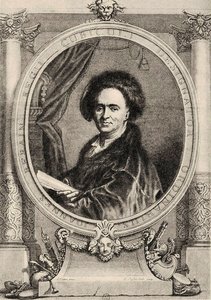
jean berain the elder
1640 - 1711 , Netherlands
プロフィール概要
- Artistic Movement Or Style: Baroque
- Artists Or Movements Influenced By This Artist: ['Anthony van Dyck']
- Artists Who Influenced This Artist:
- Tobias Verhaecht
- Otto van Veen
- Date Of Birth: June 28, 1577
- Date Of Death: May 30, 1640
- Full Name: Peter Paul Rubens
- Nationality: Flemish
- Notable Artworks:
- The Raising of the Cross
- Descent from the Cross
- Venus and Adonis
- Place Of Birth: Siegen, Germany

