

 プレビュー
プレビュー
 シェアする
シェアする シェアする
シェアする
 詳細を見る
詳細を見る

 ダウンロード
 似ている作品
 X線調査
X線調査 スライドショー
 統計情報
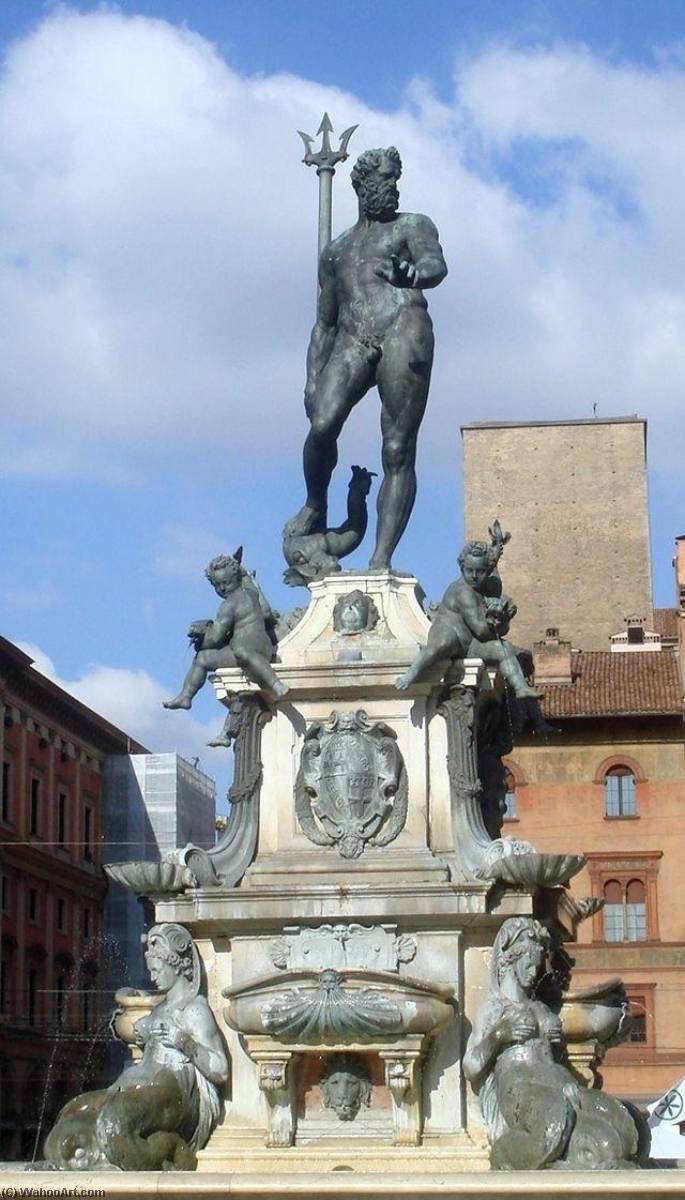
統計情報Fountain of Neptune


 詳細を見る
詳細を見る
手描き油彩複製画
当社のアーティストが、お客様のご希望のサイズと額縁に合わせて、キャンバスに手描きで制作する油彩画です。 ( プリント版に切り替え デジタル画像販売へ切り替え)




































作品のオリジナル比率に合わせた、当店の規定サイズからお選びください。

特定のフレームやスペースに合わせて、ご希望のサイズをご入力いただけます。選択されたサイズが元の画像の比率と異なる場合、アートワークをトリミングするか、手描きで要素を追加して絵画を拡張いたします。デジタルモックアップ を制作し、制作開始前にご確認(承認)をいただきます。
画面上のプレビューは、実際のトリミングや拡張を正確に反映しているものではありません。最終的な構図は、モックアップによってのみ正確にご確認いただけます。
カスタムサイズもご利用いただけますが、元の比率を維持するためには、あらかじめ用意されたリストからサイズを選択することをお勧めいたします。
ご注文後、ArtsDot.com チームより詳細な指示をお送りするとともに、仕上がりイメージ(モックアップ)をご提供いたします。


 ガラスオプションは、110cm未満のサイズでのみご利用いただけます。

Fountain of Neptune
複製技法
複製画のサイズ
-


合計金額
$ 263
関連作品









アーティストの略歴
Giambologna (1529–1608): Sculptor of Dynamic Form
Jean Boulogne, known universally as Giambologna, stands as one of the most influential sculptors of the Italian Renaissance and Baroque periods. Born in Florence around 1529 – though precise birthdates remain elusive – he ascended to artistic prominence during a time when sculpture was undergoing a dramatic transformation, embracing dynamism and expressive emotion alongside classical ideals. His legacy continues to inspire artists today, cementing his place as a cornerstone of Western art history.- Early Life & Training: Giambologna’s formative years were spent in Florence under the tutelage of Domenico Ghirlandaio, a celebrated Mannerist painter who instilled in him a profound understanding of perspective and anatomical accuracy. This foundational training proved invaluable as he honed his skills and developed his distinctive style – characterized by monumental scale and masterful manipulation of bronze and marble.
- The Florentine Workshop & Artistic Breakthrough: By the mid-1560s, Giambologna established a prolific workshop in Florence, attracting talented assistants and producing an astonishing array of sculptures. It was during this period that he achieved his artistic breakthrough with works like “Apollo Belvedere,” a rediscovered Roman statue that captivated European audiences and served as a model for generations of sculptors. This success propelled him to international acclaim.
Mannerist Style & Anatomical Mastery
Giambologna’s artistic vision was firmly rooted in the Mannerist movement, which reacted against the harmonious balance of High Renaissance sculpture. Mannerists deliberately distorted proportions and employed unsettling poses to convey psychological complexity – a departure from the serene beauty favored by Raphael and Michelangelo. Giambologna's sculptures frequently depict figures caught in moments of intense emotion or struggle, reflecting the anxieties and uncertainties of his era. Crucially, he possessed an unparalleled mastery of anatomy, meticulously studying human musculature and skeletal structure to achieve breathtaking realism.- Notable Anatomical Studies: Giambologna undertook extensive anatomical dissections – a controversial practice at the time – to gain firsthand knowledge of human physiology. These studies informed his sculptures with astonishing accuracy, capturing subtle nuances of movement and expression that surpassed anything achieved by his contemporaries.
Major Achievements & Patronage
Giambologna’s career spanned decades and yielded an unparalleled output of monumental sculptures commissioned by influential patrons – primarily the Medici family in Florence. Among his most celebrated achievements are “Mercury,” a bronze statue depicting Hermes delivering Zeus's thunderbolt, which embodies both intellectual prowess and divine power; "The Rape of the Sabine Women," a dramatic marble sculpture portraying Lucius Tarquinius Superbus’s abduction of Roman noblewomen – a poignant commentary on political oppression and human vulnerability; and “Saint Bartholomew,” a monumental bronze figure conveying profound spiritual contemplation.- Commissioned Works & Artistic Influence: These commissions solidified Giambologna's reputation as Florence’s premier sculptor and established him as a dominant force in European art. His sculptures profoundly impacted Baroque artists, who adopted his dynamic style and anatomical precision to create masterpieces of grandeur and emotional intensity.
Legacy & Historical Significance
Giambologna died in Rome in 1608, leaving behind an enduring legacy that continues to resonate throughout art history. His sculptures exemplify the culmination of Renaissance artistic ideals – blending classical beauty with psychological depth and expressive emotion. He remains a testament to the transformative power of observation, anatomical study, and unwavering dedication to craftmanship. Giambologna’s influence extends far beyond his own lifetime, shaping the aesthetic sensibilities of subsequent generations and securing his place as one of the greatest sculptors of all time.
jean boulogne
1529 - 1608
基本情報
- Artistic Movement Or Style: Mannerist sculpture
- Artists Or Movements Influenced By This Artist: ['Baroque']
- Artists Who Influenced This Artist: ['Michelangelo']
- Date Of Birth: 1529
- Date Of Death: 1608
- Full Name: Jean Boulogne
- Nationality: Italian
- Notable Artworks: ['Mercury and The Rape of the Sabines']
- Place Of Birth: Florence, Italy