

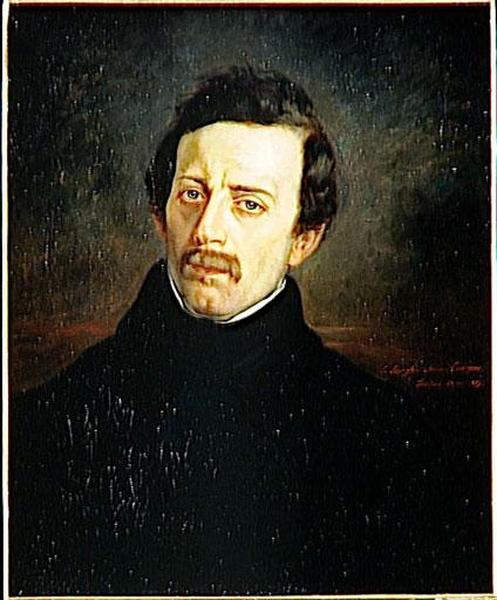
 プレビュー
プレビュー
 シェアする
シェアする シェアする
シェアする
 詳細を見る
詳細を見る

 ダウンロード
 似ている作品
 X線調査
X線調査 スライドショー
 統計情報
統計情報GODEFROI CAVAIGNAC (1801 1845)
 詳細を見る
詳細を見る
手描き油彩複製画
当社のアーティストが、お客様のご希望のサイズと額縁に合わせて、キャンバスに手描きで制作する油彩画です。 ( プリント版に切り替え デジタル画像販売へ切り替え)




































作品のオリジナル比率に合わせた、当店の規定サイズからお選びください。

特定のフレームやスペースに合わせて、ご希望のサイズをご入力いただけます。選択されたサイズが元の画像の比率と異なる場合、アートワークをトリミングするか、手描きで要素を追加して絵画を拡張いたします。デジタルモックアップ を制作し、制作開始前にご確認(承認)をいただきます。
画面上のプレビューは、実際のトリミングや拡張を正確に反映しているものではありません。最終的な構図は、モックアップによってのみ正確にご確認いただけます。
カスタムサイズもご利用いただけますが、元の比率を維持するためには、あらかじめ用意されたリストからサイズを選択することをお勧めいたします。
ご注文後、ArtsDot.com チームより詳細な指示をお送りするとともに、仕上がりイメージ(モックアップ)をご提供いたします。


 ガラスオプションは、110cm未満のサイズでのみご利用いただけます。

GODEFROI CAVAIGNAC (1801 1845)
複製技法
複製画のサイズ
-


合計金額
$ 263
関連作品









アーティストの略歴
From Battlefield Valor to Brushstroke Heroism: The Life of Jean-Charles Langlois
Jean-Charles Langlois, a name often accompanied by the moniker “the Colonel,” embodies a fascinating intersection of military prowess and artistic dedication. Born in Beaumont-en-Auge in 1789, his life was far from the typical trajectory of a painter. He wasn’t drawn to art from a tender age, but rather thrust into the crucible of Napoleonic warfare. Graduating from the prestigious École Polytechnique in 1806, Langlois embarked on a distinguished military career, serving with unwavering bravery at pivotal battles such as Wagram, Gerona, and Waterloo. His courage wasn’t merely symbolic; he sustained serious injuries during his service, earning him the rank of Colonel by the remarkably young age of twenty-six – a testament to both his skill and the tumultuous era in which he lived. This early life profoundly shaped not only his character but also the very subject matter that would define his artistic legacy.A Soldier’s Eye for Landscape and Conflict
Retirement from active duty, though earned through valor, didn't signal a retreat from intensity for Langlois. Instead, it marked a transition – a refocusing of his energies onto the canvas. He turned to painting with a singular vision: to capture the raw, visceral experience of battle. Studying under Girodet-Trioson, he quickly specialized in landscapes, but these were not idyllic scenes of pastoral tranquility. They were landscapes *defined* by conflict, imbued with the drama and chaos of war. Langlois believed that battles represented the most intense experiences life could offer, a conviction that fueled his artistic pursuit. He wasn’t interested in glorifying warfare; rather, he sought to document its brutal reality, the sweeping scale of human struggle against the backdrop of nature's indifference. His early works included powerful depictions like “The Fire of Moscow,” “The Battle of Eylau,” and “The Battle of the Nile,” each a meticulously rendered testament to specific historical events.Panoramic Visions and Crimean War Documentation
Langlois’ artistic ambition extended beyond traditional easel painting. He became captivated by the emerging art form of panoramic painting, having been deeply impressed by Pierre Prévoist's “Panorama of Athens.” This fascination led him to specialize in creating large-scale immersive experiences that transported viewers directly onto the battlefield. These panoramas weren’t simply representations; they were attempts to recreate the overwhelming sensory impact of war – the smoke, the noise, the sheer scale of destruction. His dedication to realism took an innovative turn during the Crimean War. Recognizing the potential for accurate visual documentation, Langlois traveled with photographer Léon-Eugène Méhédin, utilizing photography as a tool to inform his paintings and ensure historical accuracy. This collaboration was groundbreaking for its time, foreshadowing the role of photography in war reporting and artistic practice.Legacy Preserved: The Musée Langlois and Enduring Impact
The tumultuous events of the Franco-Prussian War deeply impacted Langlois’ work. Many of his painstakingly created panoramas were tragically destroyed during the Siege of Paris (1870–1871), a devastating loss for both the artist and the preservation of historical memory. However, his broader artistic legacy was secured through the generosity of his family. In 1873, they bequeathed an impressive collection of 256 paintings – encompassing battles and military panoramas – to the Musée des Beaux-Arts de Caen. These works were later transferred to the Pavillon des Sociétés Savantes, a building renovated at his niece’s expense specifically to house the Langlois Museum. While even this collection suffered losses during the Battle for Caen in 1944, the surviving paintings continue to offer invaluable insights into the art and experience of 19th-century warfare. François-Émile de Lansac counted himself among Langlois’ pupils, further extending his influence on subsequent generations of artists. Jean-Charles Langlois remains a compelling figure – a soldier who became an artist, a historian who wielded a brush instead of a sword, and a pioneer in the visual documentation of conflict. His work serves as a powerful reminder of the human cost of war and the enduring power of art to capture its complexities.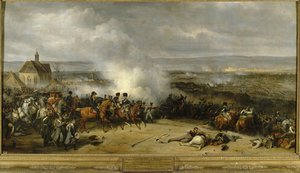
jean charles langlois
1789 - 1870
基本情報
- Artistic Movement Or Style: Romanticism
- Artists Or Movements Influenced By This Artist: ['Panoramic Painting']
- Artists Who Influenced This Artist: ['Girodet-Trioson']
- Date Of Birth: July 22, 1789
- Date Of Death: March 23, 1870
- Full Name: Jean-Charles Langlois
- Nationality: French
- Notable Artworks:
- Fire of Moscow
- Battle of Eylau
- Battle of the Nile
- Place Of Birth: Beaumont-en-Auge, France