

 プレビュー
プレビュー
 シェアする
シェアする シェアする
シェアする
 詳細を見る
詳細を見る

 ダウンロード
 似ている作品
 X線調査
X線調査 スライドショー
 統計情報
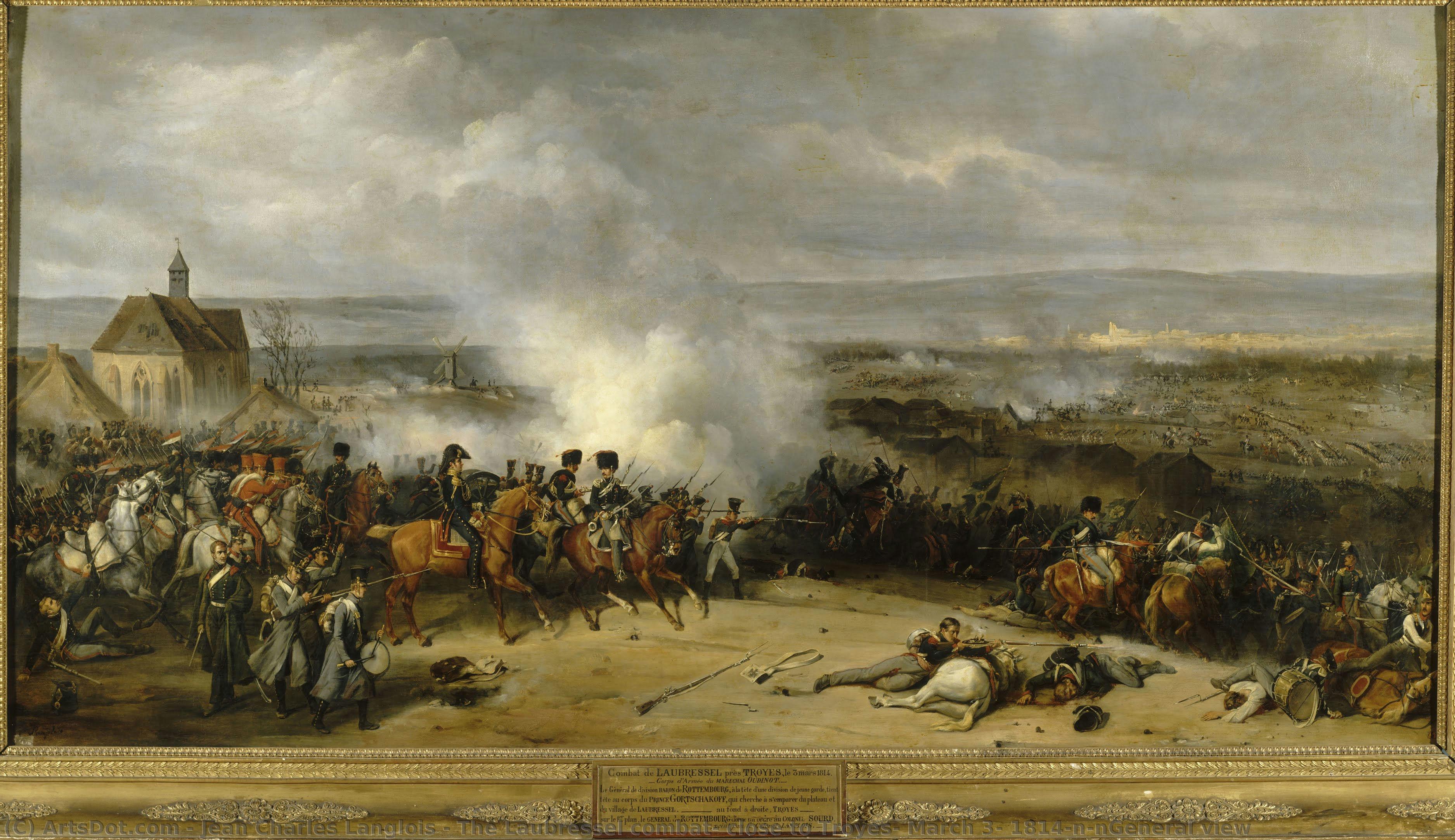
統計情報The Laubressel combat, close to Troyes, March 3, 1814\n\nGeneral view


 詳細を見る
詳細を見る
オンラインプレビューをはるかに凌ぐ、高解像度で鮮明なデジタル画像をご購入いただけます。
各ファイルは、社内の専門家が高度なツールと熟練した手作業によるレタッチを用いて、細心の注意を払って準備されています。すべての画像において、卓越した鮮明度、正確な色彩再現性、そして繊細なディテールを保証いたします。
最終ファイルは、プロフェッショナルな編集・印刷環境ですぐにご利用いただけるよう最適化された状態で、72時間以内にメールにてお届けいたします。これは、一流のデザインスタジオ、出版社、ギャラリーから信頼されているものと同等の品質です。
デジタルアート
個人での鑑賞、印刷、クリエイティブなプロジェクト用に、高解像度ファイルをダウンロードできます。 ( プリント版に切り替え 手描きの絵画を購入)
デジタル画像のご注文に付随する特典
高品質なデジタル画像配信を、確かな品質で。
ArtsDot.com を選ぶことは、単に画像を手に入れることではありません。それは、プロの手によって精密に仕上げられ、満足保証が付いた高品質なデジタルアートワークを受け取ることを意味します。ご注文いただいた際に自動的に付随する内容は、以下の通りです:

メールですぐにお届け
ご注文から72時間以内に、高解像度のデジタル画像ファイルがメールでお手元に届きます。すぐにそのままご利用いただけます。

AI技術で最適化されたデジタルファイル
お客様の作品は、高度なAIツールと専門家による手作業の編集を組み合わせてプロフェッショナルに最適化されており、細部のディテール、鮮明さ、そして正確な色再現性を最大限に引き出しています。

一生涯無料の再送サービス
ファイルを誤って削除したり、紛失してしまったりしましたか?ご安心ください。いつでも無料で再送いたします。

輸入手数料は一切かかりません
関税や手数料、配送料を気にすることなく、お気に入りのアートワークをすぐにお楽しみいただけます。デジタルダウンロードは常に免税です。

色彩再現の保証
プロ仕様のツールとカラーマネジメント技術を用いることで、デジタル画像が元の色を最大限に忠実に再現することを保証いたします。

100日間満足保証
ご購入いただいたデジタル画像にご満足いただけない場合は、100日以内であれば、理由を問わず修正または100%の返金対応をさせていただきます。

100% 返金保証
ご満足いただけない場合は、デジタルファイルを受け取ってから100日以内であれば、理由を問わず全額返金いたします。

まとめ買い割引
3枚購入で10%OFF - 5枚購入で15%OFF - 10枚以上購入で20%OFF。クリエイティブなプロジェクト、ギャラリー、エージェンシーに最適です。
A Symphony of Chaos: The Brutal Grandeur of Langlois
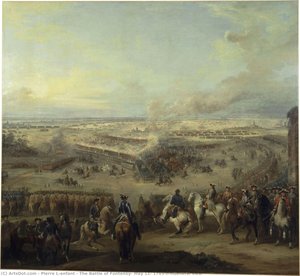
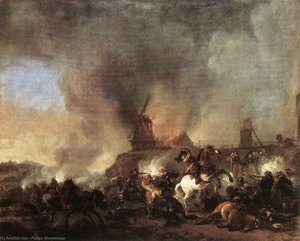
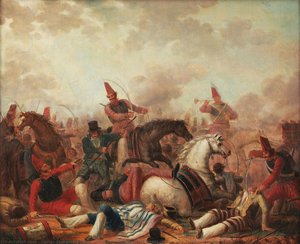
In the heart of the nineteenth century, few artists could capture the visceral, bone-chilling reality of warfare with the same unflinching eye as Jean-Charles Langlois. His masterpiece, The Laubressel combat, close to Troyes, March 3, 1814, serves as a breathtaking window into one of the most turbulent chapters of the Napoleonic era. This is not merely a painting; it is a panoramic descent into the smoke and thunder of battle. As the viewer’s eye wanders across the canvas, they are immediately swept into a whirlwind of motion where the distinction between man and beast begins to blur under the weight of conflict. The composition is masterfully orchestrated, centering on a frantic cluster of cavalrymen whose desperate maneuvers anchor the chaotic energy of the surrounding landscape.
The technique employed by Langlois reflects his unique dual identity as both a seasoned Colonel and a trained academician. There is a profound sense of anatomical precision in the straining muscles of the horses and the rigid, determined postures of the riders, yet this realism is tempered by an atmospheric painterly style that mimics the haze of gunpowder. The brushwork captures the fleeting nature of combat—the way light breaks through clouds of dust and the way shadows cling to the frantic movement of infantrymen on foot. For the collector or interior designer, this piece offers a commanding presence; its ability to command a room lies in its textured depth and the way it utilizes a palette of earthy tones punctuated by the sudden, sharp highlights of steel and uniform.
The Weight of History and the Artist's Soul
To understand the emotional gravity of this work, one must look toward the biography of its creator. Langlois did not paint battle from the safe distance of a studio; he lived it. Having survived the harrowing landscapes of Wagram and Waterloo, his hand was guided by the memory of actual cannon fire and the scent of scorched earth. This lends The Laubessel combat an authenticity that purely academic painters often lack. Every horse rearing in terror and every soldier poised with a firearm carries the weight of lived experience. The painting functions as a historical document, preserving the specific tension of the March 1814 campaign near Troyes, where the fate of empires hung in the balance.
Beyond the mere depiction of a skirmish, the artwork explores the profound symbolism of struggle and the relentless momentum of history. The scattered figures across the field represent the fragmentation of order during wartime, yet there is an underlying structural unity in the way Langlois directs the viewer's gaze through the rhythmic placement of riders. For those seeking to adorn a space with art that inspires contemplation, this reproduction offers more than decoration; it provides a narrative of resilience and the epic scale of human endeavor. It is a piece designed for those who appreciate art that speaks of courage, the heavy cost of glory, and the enduring power of the historical gaze.
関連作品
作家の略歴
From Battlefield Valor to Brushstroke Heroism: The Life of Jean-Charles Langlois
Jean-Charles Langlois, a name often accompanied by the moniker “the Colonel,” embodies a fascinating intersection of military prowess and artistic dedication. Born in Beaumont-en-Auge in 1789, his life was far from the typical trajectory of a painter. He wasn’t drawn to art from a tender age, but rather thrust into the crucible of Napoleonic warfare. Graduating from the prestigious École Polytechnique in 1806, Langlois embarked on a distinguished military career, serving with unwavering bravery at pivotal battles such as Wagram, Gerona, and Waterloo. His courage wasn’t merely symbolic; he sustained serious injuries during his service, earning him the rank of Colonel by the remarkably young age of twenty-six – a testament to both his skill and the tumultuous era in which he lived. This early life profoundly shaped not only his character but also the very subject matter that would define his artistic legacy.A Soldier’s Eye for Landscape and Conflict
Retirement from active duty, though earned through valor, didn't signal a retreat from intensity for Langlois. Instead, it marked a transition – a refocusing of his energies onto the canvas. He turned to painting with a singular vision: to capture the raw, visceral experience of battle. Studying under Girodet-Trioson, he quickly specialized in landscapes, but these were not idyllic scenes of pastoral tranquility. They were landscapes *defined* by conflict, imbued with the drama and chaos of war. Langlois believed that battles represented the most intense experiences life could offer, a conviction that fueled his artistic pursuit. He wasn’t interested in glorifying warfare; rather, he sought to document its brutal reality, the sweeping scale of human struggle against the backdrop of nature's indifference. His early works included powerful depictions like “The Fire of Moscow,” “The Battle of Eylau,” and “The Battle of the Nile,” each a meticulously rendered testament to specific historical events.Panoramic Visions and Crimean War Documentation
Langlois’ artistic ambition extended beyond traditional easel painting. He became captivated by the emerging art form of panoramic painting, having been deeply impressed by Pierre Prévoist's “Panorama of Athens.” This fascination led him to specialize in creating large-scale immersive experiences that transported viewers directly onto the battlefield. These panoramas weren’t simply representations; they were attempts to recreate the overwhelming sensory impact of war – the smoke, the noise, the sheer scale of destruction. His dedication to realism took an innovative turn during the Crimean War. Recognizing the potential for accurate visual documentation, Langlois traveled with photographer Léon-Eugène Méhédin, utilizing photography as a tool to inform his paintings and ensure historical accuracy. This collaboration was groundbreaking for its time, foreshadowing the role of photography in war reporting and artistic practice.Legacy Preserved: The Musée Langlois and Enduring Impact
The tumultuous events of the Franco-Prussian War deeply impacted Langlois’ work. Many of his painstakingly created panoramas were tragically destroyed during the Siege of Paris (1870–1871), a devastating loss for both the artist and the preservation of historical memory. However, his broader artistic legacy was secured through the generosity of his family. In 1873, they bequeathed an impressive collection of 256 paintings – encompassing battles and military panoramas – to the Musée des Beaux-Arts de Caen. These works were later transferred to the Pavillon des Sociétés Savantes, a building renovated at his niece’s expense specifically to house the Langlois Museum. While even this collection suffered losses during the Battle for Caen in 1944, the surviving paintings continue to offer invaluable insights into the art and experience of 19th-century warfare. François-Émile de Lansac counted himself among Langlois’ pupils, further extending his influence on subsequent generations of artists. Jean-Charles Langlois remains a compelling figure – a soldier who became an artist, a historian who wielded a brush instead of a sword, and a pioneer in the visual documentation of conflict. His work serves as a powerful reminder of the human cost of war and the enduring power of art to capture its complexities.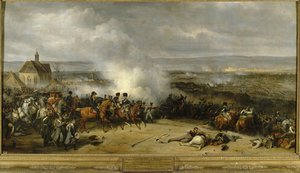
jean charles langlois
1789 - 1870
プロフィール概要
- Artistic Movement Or Style: Romanticism
- Artists Or Movements Influenced By This Artist: ['Panoramic Painting']
- Artists Who Influenced This Artist: ['Girodet-Trioson']
- Date Of Birth: July 22, 1789
- Date Of Death: March 23, 1870
- Full Name: Jean-Charles Langlois
- Nationality: French
- Notable Artworks:
- Fire of Moscow
- Battle of Eylau
- Battle of the Nile
- Place Of Birth: Beaumont-en-Auge, France