

 プレビュー
プレビュー
 プリントを購入
 シェアする
シェアする シェアする
シェアする
 詳細を見る
詳細を見る

 ダウンロード
 似ている作品
 X線調査
X線調査 スライドショー
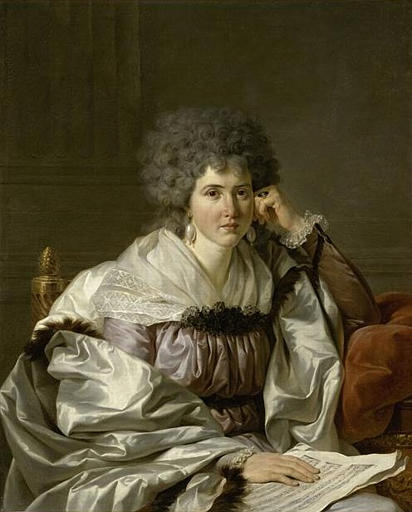
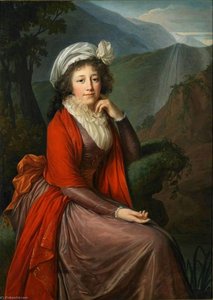
PORTRAIT DE MADAME NICAISE PERRIN NEE CATHERINE DELEUZE, ARRIERE GRAND MERE PATERNELLE DE MADAME G. CRAUK
 詳細を見る
詳細を見る




































作品のオリジナル比率に合わせた、当店の規定サイズからお選びください。

特定のフレームやスペースに合わせて、ご希望のサイズをご入力いただけます。選択されたサイズが元の画像の比率と異なる場合、アートワークをトリミングするか、手描きで要素を追加して絵画を拡張いたします。デジタルモックアップ を制作し、制作開始前にご確認(承認)をいただきます。
画面上のプレビューは、実際のトリミングや拡張を正確に反映しているものではありません。最終的な構図は、モックアップによってのみ正確にご確認いただけます。
カスタムサイズもご利用いただけますが、元の比率を維持するためには、あらかじめ用意されたリストからサイズを選択することをお勧めいたします。
ご注文後、ArtsDot.com チームより詳細な指示をお送りするとともに、仕上がりイメージ(モックアップ)をご提供いたします。


 ガラスオプションは、110cm未満のサイズでのみご利用いただけます。

PORTRAIT DE MADAME NICAISE PERRIN NEE CATHERINE DELEUZE, ARRIERE GRAND MERE PATERNELLE DE MADAME G. CRAUK
複製技法
複製画のサイズ
-


合計金額
$ 263
関連作品






アーティストの略歴
The Dramatic Vision of Jean-Charles Nicaise Perrin
In the grand, sweeping tapestry of French Neoclassicism, few artists captured the tension between historical gravity and theatrical emotion as poignantly as Jean-Charles Nicaise Perrin. Born in Paris in 1754, Perrin emerged during an era of profound transformation, a time when the rigid structures of the Ancien Régime were beginning to fracture under the weight of Enlightenment ideals. His life and work serve as a bridge between the classical restraint of the late eighteenth century and the burgeoning romanticism that would soon follow. To look upon a Perrin canvas is to enter a world where history is not merely recorded, but performed with a breathtaking intensity that commands the viewer's gaze.
Perrin’s artistic journey was defined by a relentless pursuit of excellence, characterized by a perseverance that saw him navigate the competitive corridors of the French Academy. Though his path to the prestigious Prix de Rome was marked by several near-misses, it was this very struggle that forged his resilient spirit. His eventual victory in 1780—secured through a stroke of historical fortune involving the disqualification of a rival—granted him the essential passage to Italy. It was in the sun-drenched landscapes and ancient ruins of Rome that Perrin’s style truly began to coalesce, as he immersed himself in the profound legacies of the Old Masters.
A Synthesis of Light and Legend
The development of Perrin's technique was deeply rooted in his Roman apprenticeship, where the shadows of Caravaggio and the fluid grace of Guercino left an indelible mark on his brushwork. He mastered the art of chiaroscuro, using dramatic contrasts between light and dark to sculpt figures out of the gloom, lending his biblical and historical scenes a palpable sense of weight and presence. This mastery allowed him to transform static historical moments into living, breathing dramas. His compositions often feature a meticulous attention to detail, where every fold of drapery and every glint of light on armor contributes to a larger narrative of heroism or tragedy.
His subject matter frequently drew from the wellsprings of antiquity and sacred scripture, themes that resonated deeply with the Neoclassical desire to find moral instruction in the past. Whether depicting the profound gravity of a biblical encounter or the political intrigue of ancient legends, Perrin imbued his figures with a psychological depth that transcended mere illustration. His work often possesses a certain theatricality, as if the characters are caught in a pivotal moment of a grand opera, making his paintings not just objects of beauty, but vessels of storytelling.
Legacy and Historical Resonance
As the decades progressed through the Napoleonic era and into the nineteenth century, Perrin’s reputation remained anchored by his ability to marry the formal precision of the French school with an expressive, almost visceral energy. His contributions to the art of printmaking further expanded his reach, allowing his dramatic visions to circulate beyond the walls of elite galleries. While much of his work resides in private collections or specialized museums like the Musée des Beaux-Arts de Valenciennes, his influence persists as a vital link in the evolution of French narrative painting.
Ultimately, the significance of Jean-Charles Nicaise Perrin lies in his ability to capture the soul of an era. He was an artist who understood that history is not just a collection of dates and names, but a series of human emotions—fear, triumph, devotion, and loss. Through his masterful use of light and his dedication to the monumental, he ensured that the echoes of the past would continue to resonate with clarity and power long after his death in 1831.
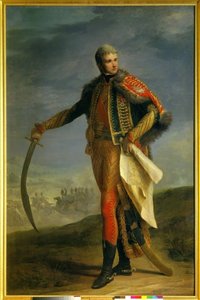
jean charles nicaise perrin
1754 - 1831 , France
基本情報
- Artistic Movement Or Style: Neo-classical Painting
- Artists Or Movements Influenced By This Artist: ['Roman School Art']
- Artists Who Influenced This Artist:
- Caravaggio
- Guercino
- Date Of Birth: October 12, 1754
- Date Of Death: September 23, 1831
- Full Name: Jean-Charles Nicaise Perrin
- Nationality: French
- Notable Artworks:
- Mort de Sophonisbe
- Saint Louis en prière
- Alexandre et Timoclée
- Place Of Birth: Paris, France

