

 プレビュー
プレビュー
 プリントを購入
 シェアする
シェアする シェアする
シェアする
 詳細を見る
詳細を見る

 ダウンロード
 似ている作品
 X線調査
X線調査 スライドショー
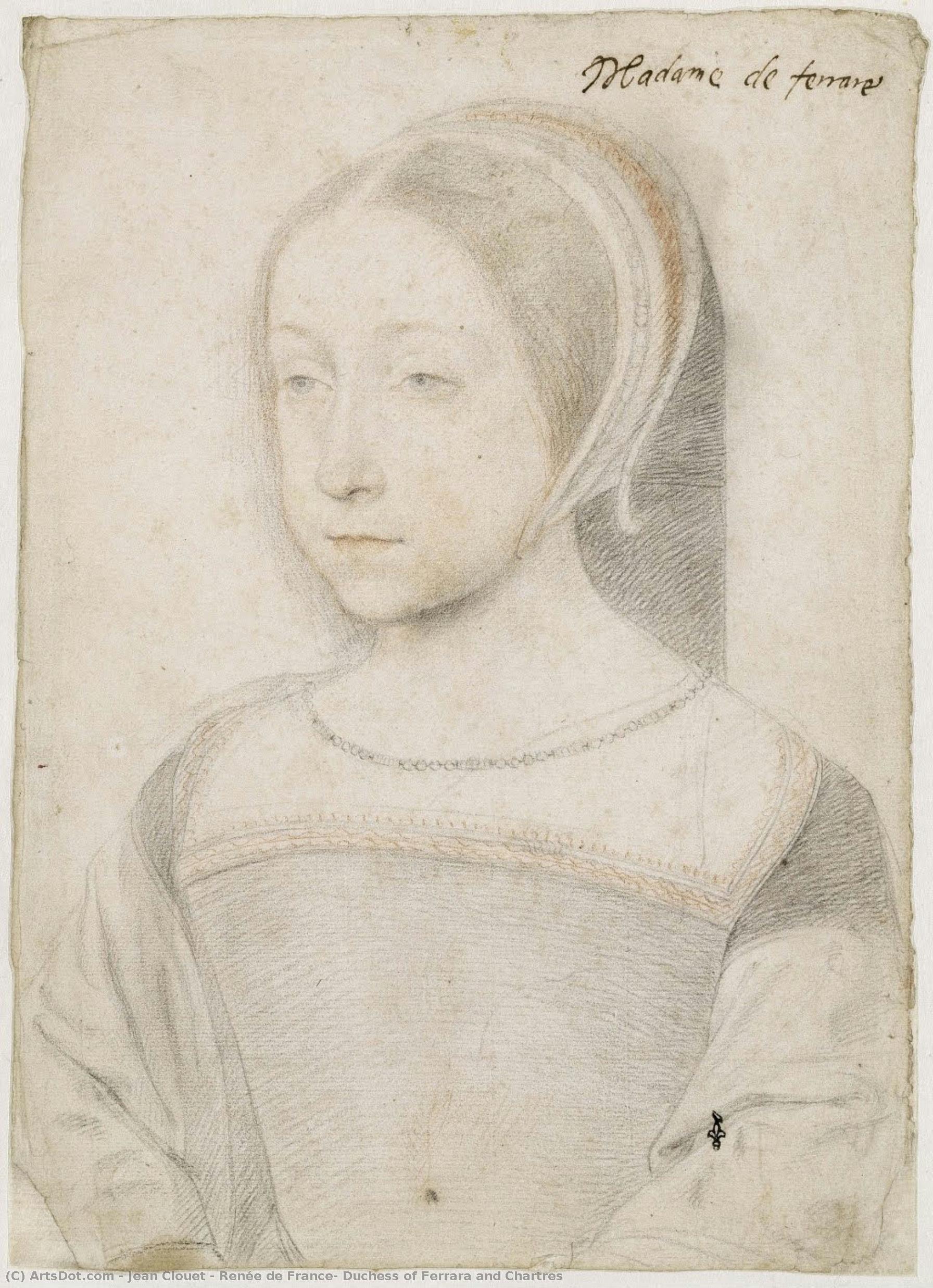
Renée de France, Duchess of Ferrara and Chartres


 詳細を見る
詳細を見る
オンラインプレビューをはるかに凌ぐ、高解像度で鮮明なデジタル画像をご購入いただけます。
各ファイルは、社内の専門家が高度なツールと熟練した手作業によるレタッチを用いて、細心の注意を払って準備されています。すべての画像において、卓越した鮮明度、正確な色彩再現性、そして繊細なディテールを保証いたします。
最終ファイルは、プロフェッショナルな編集・印刷環境ですぐにご利用いただけるよう最適化された状態で、72時間以内にメールにてお届けいたします。これは、一流のデザインスタジオ、出版社、ギャラリーから信頼されているものと同等の品質です。
デジタル画像のご注文に付随する特典
高品質なデジタル画像配信を、確かな品質で。
ArtsDot.com を選ぶことは、単に画像を手に入れることではありません。それは、プロの手によって精密に仕上げられ、満足保証が付いた高品質なデジタルアートワークを受け取ることを意味します。ご注文いただいた際に自動的に付随する内容は、以下の通りです:

メールですぐにお届け
ご注文から72時間以内に、高解像度のデジタル画像ファイルがメールでお手元に届きます。すぐにそのままご利用いただけます。

AI技術で最適化されたデジタルファイル
お客様の作品は、高度なAIツールと専門家による手作業の編集を組み合わせてプロフェッショナルに最適化されており、細部のディテール、鮮明さ、そして正確な色再現性を最大限に引き出しています。

一生涯無料の再送サービス
ファイルを誤って削除したり、紛失してしまったりしましたか?ご安心ください。いつでも無料で再送いたします。

輸入手数料は一切かかりません
関税や手数料、配送料を気にすることなく、お気に入りのアートワークをすぐにお楽しみいただけます。デジタルダウンロードは常に免税です。

色彩再現の保証
プロ仕様のツールとカラーマネジメント技術を用いることで、デジタル画像が元の色を最大限に忠実に再現することを保証いたします。

60日間満足保証
ご購入いただいたデジタル画像にご満足いただけない場合は、60日以内であれば、修正または100%の返金(理由を問う必要はありません)をさせていただきます。

100% 返金保証
ご満足いただけない場合は、デジタルファイルを受け取ってから60日以内であれば、理由を問わず全額返金いたします。

まとめ買い割引
3枚購入で10%OFF - 5枚購入で15%OFF - 10枚以上購入で20%OFF。クリエイティブなプロジェクト、ギャラリー、エージェンシーに最適です。
Renée de France, Duchess of Ferrara and Chartres – A Portrait of Renaissance Grace
Jean Clouet’s “Renée de France, Duchess of Ferrara and Chartres” is more than just a portrait; it's a meticulously crafted window into the refined world of 16th-century French courtly life. Completed around 1520, this drawing, rendered in delicate *pierre noire* (black chalk) on paper, captures not merely the likeness of a noblewoman but also her inner composure and quiet dignity. The image speaks volumes about the era’s fascination with humanism, beauty, and the subtle power dynamics within aristocratic circles.
Clouet, a master of his craft, belonged to a lineage deeply rooted in artistic tradition. His father, likely a painter for the Duke of Burgundy, instilled in him a rigorous approach to observation and representation – a hallmark evident in Renée’s remarkably lifelike features. The artist's skill lies not just in anatomical accuracy but also in conveying an atmosphere of restrained elegance. Notice how Clouet subtly models the fabric of her gown, creating a sense of volume and texture without resorting to heavy shading. The careful rendering of the ruffled collar, a fashionable detail of the period, demonstrates his attention to detail and understanding of contemporary fashion.
A Woman of Two Worlds
Renée de France’s life itself is a fascinating tapestry woven from threads of diplomacy and personal tragedy. Born into the tumultuous Valois dynasty – her father was King Louis XII of France, and her mother, Anne of Brittany – she navigated the complex political landscape of Europe with grace and intelligence. Her marriage to Alfonso II d'Este, Hereditary Prince of Ferrara, brought her to Italy, a region vastly different from the opulent courts of Paris and Blois. This duality—a French noblewoman transplanted to the heart of the Italian Renaissance—is powerfully represented in the portrait.
The background, though somewhat indistinct, hints at this transition. The suggestion of architectural elements – perhaps a glimpse of a distant wall or building – speaks to the foreign setting of Ferrara. Furthermore, Renée’s gaze, directed downwards, conveys a sense of introspection and perhaps even melancholy, reflecting the challenges she faced as a woman in a patriarchal society and a diplomat navigating unfamiliar political waters. The subtle downturn of her lips hints at a quiet sadness, a poignant counterpoint to the beauty of her face.
Symbolism and Renaissance Ideals
Beyond its immediate visual appeal, “Renée de France” is rich in symbolic meaning. The portrait adheres closely to the conventions of Renaissance portraiture, which sought to elevate the subject beyond mere representation. The pose—a classic half-length format—was intended to showcase both the individual and their status. Renée’s hands, folded gracefully in her lap, suggest modesty and virtue – qualities highly valued in aristocratic women during this period.
The use of *pierre noire* itself is significant. This technique, favored by Clouet and his contemporaries, allowed for a remarkable level of detail and precision. It was particularly well-suited to capturing the nuances of skin tone, fabric texture, and subtle expressions. The drawing’s monochrome palette reinforces the sense of timelessness and emphasizes the inherent beauty of Renée's features.
A Timeless Masterpiece
“Renée de France, Duchess of Ferrara and Chartres” remains a testament to Jean Clouet’s artistic genius and a captivating window into the world of 16th-century European nobility. Its exquisite detail, subtle symbolism, and emotional resonance continue to resonate with viewers today. This drawing is not merely a portrait; it's an intimate glimpse into the life and spirit of a remarkable woman—a symbol of grace, intelligence, and resilience in a time of great political and social change. It’s a piece that speaks volumes through its quiet elegance and enduring beauty.
関連作品
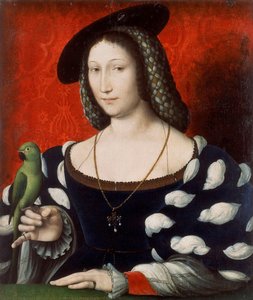
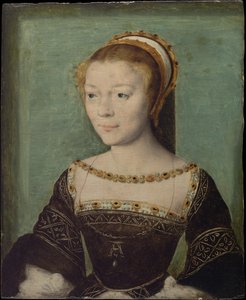
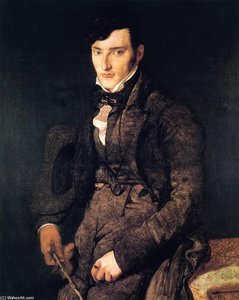
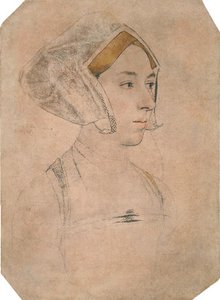
作家の略歴
宮廷の筆致:ジャン・クルエの生涯と芸術
フランス・ルネサンスの愛好家たちの間で、畏敬の念を込めて語り継がれる名、ジャン・クルエ。肖像画の歴史に多大な影響を与えたにもかかわらず、その人物像には今なお謎めいた魅力が漂っています。1480年頃、おそらくは低地地方のブリュッセルで生まれたとされていますが(確かな記録は乏しいのが現状です)、クルエの芸術的な旅路は、フランス国王フランソワ1世の宮廷において、最も切望される画家の一人へと彼を導きました。その出自にはいくらかの神秘が隠されています。「クルエ」という名が必ずしも彼の出生名ではなかったとしても、その名は、優雅さと芽生えつつあったヒューマニズムによって定義された時代の本質を捉えた、独特な様式の代名なるものとなりました。クルエの芸術的ビジョンを形作った初期の源泉については、いまだ推測の域を出ませんが、細部への緻密なこだわり、繊細な陰影、そして洗練された写実性といったフランドル派の訓練の証は、彼の作品の中に紛れもなく息づいています。彼はブリュッセルですでに確立されていた芸術家の一族と繋がりがあり、それが彼の卓越した技術の礎をさらに強固なものにしたと考えられています。フランス宮廷における昇華
1516年頃のフランス宮廷への登場は、クルエ自身のキャリアのみならず、王室肖像画の進化における決定的な転換点となりました。芸術の熱烈なパトロンであり、イタリア・ルネサンスの宮廷を模範とすることを決意していた国王フランソワ1世は、クルエの類まれなる才能を即座に見抜いたのです。壮大な歴史的物語や宗教的な場面に焦点を当てがちであったそれまでの宮廷画家たちとは異なり、クルエは王の側近――貴族、廷臣、そして王族――の容貌を捉えることに特化しました。彼は単に身体的特徴を記録していたのではありません。表情や姿勢の微細なニュアンスを通じて、その人物の性格を深く掘り下げていたのです。この心理的な洞察への転換こそが、彼の作品を際立たせるものでした。画家として、また衣裳侍従としての任命を経て、より権威ある地位へと昇り詰めたクルエは、当時の芸術家には稀なほどの寵愛を受けました。その報酬は高名な外科医に匹敵するほどであり、それはフランソレルギー1世がいかに彼の能力を高く評価していたかの証左といえます。彼は当初トゥールに拠点を置いていましたが、その後、宮廷とともにフォンテーヌブローへと移り、国王が育んだ活気あふれる芸術的雰囲気の不可欠な一部となりました。似姿を描く術:技法と様式
ジャン・クルエの真髄は、華美な色彩の誇示や劇的な構図にあるのではなく、静かで控えめな優雅さにありました。彼は主要な媒体として素描を好み、特に紙を用いた黒と赤のチョーク(赤チョーク)を駆使しました。これらの素描は単なる下書きではなく、それ自体が完成された作品であることが多く、繊細な線、柔らかな陰影、そして描かれた人物の個性を捉える驚異的な能力によって珍重されました。その技法は、筆致を緻密に重ね合わせることで、信じられないほどの精度で形態を構築していくものでした。油彩画――しばしばパネルに油彩を用いる手法――においても、彼は同様の洗練さを維持し、写実的でありながら理想化された肖像を生み出しました。絹の光沢、ベルベットの重厚感、肌の繊細な柔らかさといった質感を伝える超自然的な能力は、彼の作品にさらなる真実味を添えました。フランソワ1世が熱心に収集していたイタリア・ルネサンスの巨匠たちの影響を受けつつも、クルエの様式は一貫してフランス的であり、外的な壮大さよりも内面的な生命を捉えることに重点を置いた、ある種の抑制された美しさを特徴としていました。遺産と永続する影響
ジャン・クルエは1541年頃にパリで没しましたが、その芸術的遺産は生涯を超えて広がっていきました。息子のフランソワ・クルエは、父の技術と宮廷での地位を継承し、家族の伝統を守り抜きました。二人は、数世代にわたってフランス・ルネサンスの視覚的なイメージを形作った肖像画家の一族を築き上げたのです。19世紀におけるクルエの膨大な素描コレクションの再発見――その多くはシャンティイのコンデ美術館に収蔵されています――は、彼の作品への関心を再び呼び起こし、美術史における極めて重要な人物としての地位を不動のものにしました。彼の影は、単なる外見的な類似だけでなく、被写体の内なる本質を捉えようとした後世の肖像画家たちの作品の中にも見て取ることができます。クルエの手による肖察は、フランス宮廷の世界への比類なき窓となり、その時代の人物像や権力構造に対する貴重な洞察を与えてくれます。 彼の素描は今も世界中の美術館で大切に保管され、その美しさ、繊細さ、そして永続的な心理的深みによって、観る者を魅了し続けています。ジャン・クルエの芸術は、観察の力、素描の技術、そして紙とキャンバスの上に人間の精神を捉えることの時代を超えた魅力の証なのです。
ジャン・クルエ
1480 - 1541 , ベルギー
プロフィール概要
- Artistic Movement Or Style: ルネサンス肖像画
- Artists Or Movements Influenced By This Artist: ['フランソワ・クルエ']
- Date Of Birth: 1480年
- Date Of Death: 1541年
- Full Name: ジャン・クルエ
- Nationality: フランス
- Notable Artworks:
- 森の池
- 哀悼
- 恋人たち
- フランソワ1世の肖像
- フランスのマルグリット
- Place Of Birth: ベルギー、ブリュッセル

