

 プレビュー
プレビュー
 シェアする
シェアする シェアする
シェアする
 詳細を見る
詳細を見る

 ダウンロード
 似ている作品
 X線調査
X線調査 スライドショー
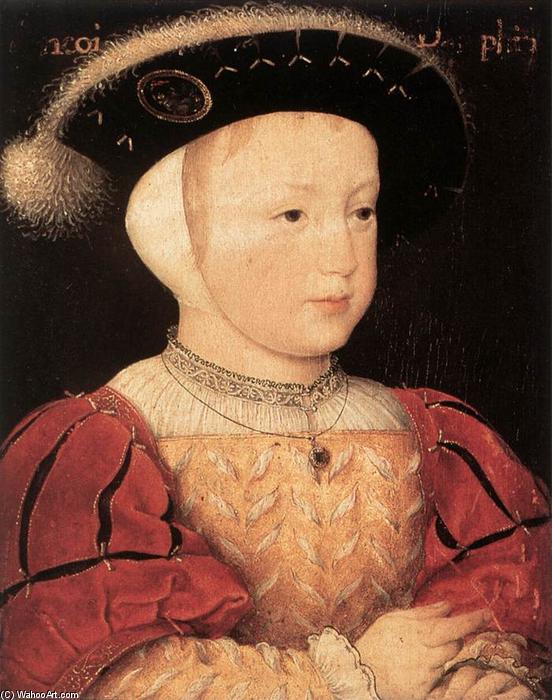
The Dauphin François, Son of François I
 Oil On Canvas
- WallArt
- Renaissance
 16.0 x 13.0 cm
 コンクイリク ムーゼウ フール スホーン クンステン アントワープ
 詳細を見る
詳細を見る
ジークレー/アートプリント
迅速な制作と多彩な仕上げオプションを備えた、ミュージアムクオリティのジークレーまたはキャンバスプリント。 ( 手描きの絵画を購入 画像を購入)




P118B $10

P118H $10

P118W $10

P438Z $10

P508JH $12

P508YH $12

P805H $10

P805Z $10

P919BZ $10

P919G $10

P919XJ $10

P959ZH $10

P968JZ $12

W106C $8

W218G $10

W218JH $8

W218Y $10

W307PJ $10

W316G $10

W316PJ $8

W316Y $10

W398PJ $8

W4111J $10

W500HY $15

W500JH $15

W692G $12

W849H $8

W940BG $15

W953PJ $8




作品のオリジナル比率に合わせた、当店の規定サイズからお選びください。

特定のフレームやスペースに合わせて、ご自身でサイズを指定することも可能です。選択されたサイズが元の画像の比率と一致しない場合、作品をトリミングするか、鏡面反射または単色での塗りつぶしによって画像を拡張いたします。制作を開始する前に、ご確認用のデジタルモックアップをお送りいたします。
画面上のプレビューには、実際のトリミングや拡張は反映されませんのでご注意ください。最終的な構図を正確に確認できるのは、モックアップのみとなります。
カスタムサイズも承っておりますが、元の比率を維持するためには、あらかじめ用意されたリストからサイズを選択することをお勧めいたします。


 ガラスオプションは、110cm未満のサイズでのみご利用いただけます。

The Dauphin François, Son of François I
ジークレー/アートプリント
複製画のサイズ
-


合計金額
$ 62
The Enigmatic Figure: Jean Clouet and the Dawn of French Portraiture
Within the meticulously crafted world of 16th-century French art, few figures possess the same captivating allure as Jean Clouet. More than simply a painter, he was a pivotal architect of royal image, a master miniaturist, and a key player in shaping the burgeoning Renaissance within France’s courtly circles. Born around 1485 – though precise details remain shrouded in the mists of time – Clouet’s career unfolded against a backdrop of political intrigue, artistic innovation, and the relentless pursuit of capturing the essence of power. His legacy isn't defined by grand, sweeping canvases but rather by an astonishingly intimate collection of portraits, each a testament to his unparalleled skill and keen observational eye. He operated primarily within the service of Francis I, a monarch deeply invested in elevating French culture and fostering connections with Italy’s artistic luminaries – a patronage that profoundly influenced Clouet's style and technique.
Clouet’s origins are debated, though most scholars believe he hailed from the Low Countries, likely Brussels or Valenciennes. His training undoubtedly involved exposure to Flemish artistic traditions—a hallmark of his work is an almost photographic realism, a meticulous attention to detail that borders on obsessive. This influence manifests in the subtle modeling of flesh, the precise rendering of fabrics, and the careful construction of form – elements that distinguish him from earlier French portraitists. However, Clouet wasn’t merely a mimic; he skillfully adapted these techniques to create a distinctly French style, imbued with an elegance and formality befitting the royal court.
A Study in Regal Dignity: Deconstructing the Dauphin François Portrait
The portrait of Dauphin François, son of Francis I, is arguably Clouet’s most celebrated work. Executed around 1526 – a period marked by intense political maneuvering and artistic experimentation – it offers an unparalleled glimpse into the life of a young prince destined to inherit the throne. The composition is strikingly formal: the Dauphin occupies nearly the entire frame, his gaze direct and unwavering, projecting an aura of quiet confidence and regal authority. He’s depicted in a three-quarter pose, clad in sumptuous velvet robes adorned with intricate embroidery – symbols of wealth, status, and lineage. The dark background serves to isolate the subject, drawing all attention to his face and enhancing the sense of solemnity.
Clouet's mastery lies not just in replicating appearance but in conveying character. The subtle lines etched around the Dauphin’s eyes hint at a thoughtful nature, while the slight tilt of his head suggests an air of reserved dignity. The artist skillfully employs chiaroscuro – the dramatic contrast between light and shadow – to sculpt the subject's features, creating a sense of volume and depth. Note particularly how the folds of the velvet fabric are rendered with painstaking detail, revealing the texture and weight of the material. The use of pure red chalk for highlights adds a vibrant intensity to the portrait, further emphasizing the Dauphin’s youthful vitality.
Symbolism and Context: A Royal Portrait in its Time
Beyond mere likeness, the portrait is laden with symbolic meaning. The elaborate attire—the velvet, the jewels, the embroidered details—underscores the Dauphin's privileged position within the French court. The inclusion of a hat, a fashionable accessory of the era, further reinforces his status as a young man poised to assume leadership. Furthermore, this portrait was originally conceived as part of an illuminated manuscript – *Les Commentaires de la Guerre Gallique* – commissioned by Francis I himself. This context is crucial; it reveals that the portrait wasn’t intended solely for private viewing but rather as a diplomatic tool, designed to project an image of strength and stability to foreign dignitaries.
The portrait also reflects the broader cultural trends of the Renaissance. The emphasis on individual portraiture—a departure from earlier group portraits—mirrors the humanist fascination with humanism and self-representation. Clouet’s work, therefore, represents a pivotal moment in the evolution of French art, bridging the gap between medieval tradition and the burgeoning ideals of the Renaissance.
A Timeless Masterpiece: Reproduction and Appreciation
Reproductions of Jean Clouet's *Portrait of Dauphin François* offer an exceptional opportunity to experience the artistry of this remarkable painter. Whether displayed in a grand salon or a smaller study, this portrait commands attention with its exquisite detail, compelling composition, and profound sense of dignity. It’s more than just a painting; it’s a window into a bygone era—a testament to the power of art to capture not only appearance but also character, status, and the enduring legacy of a royal lineage.
関連作品

アーティストの略歴
宮廷の筆致:ジャン・クルエの生涯と芸術
フランス・ルネサンスの愛好家たちの間で、畏敬の念を込めて語り継がれる名、ジャン・クルエ。肖像画の歴史に多大な影響を与えたにもかかわらず、その人物像には今なお謎めいた魅力が漂っています。1480年頃、おそらくは低地地方のブリュッセルで生まれたとされていますが(確かな記録は乏しいのが現状です)、クルエの芸術的な旅路は、フランス国王フランソワ1世の宮廷において、最も切望される画家の一人へと彼を導きました。その出自にはいくらかの神秘が隠されています。「クルエ」という名が必ずしも彼の出生名ではなかったとしても、その名は、優雅さと芽生えつつあったヒューマニズムによって定義された時代の本質を捉えた、独特な様式の代名なるものとなりました。クルエの芸術的ビジョンを形作った初期の源泉については、いまだ推測の域を出ませんが、細部への緻密なこだわり、繊細な陰影、そして洗練された写実性といったフランドル派の訓練の証は、彼の作品の中に紛れもなく息づいています。彼はブリュッセルですでに確立されていた芸術家の一族と繋がりがあり、それが彼の卓越した技術の礎をさらに強固なものにしたと考えられています。フランス宮廷における昇華
1516年頃のフランス宮廷への登場は、クルエ自身のキャリアのみならず、王室肖像画の進化における決定的な転換点となりました。芸術の熱烈なパトロンであり、イタリア・ルネサンスの宮廷を模範とすることを決意していた国王フランソワ1世は、クルエの類まれなる才能を即座に見抜いたのです。壮大な歴史的物語や宗教的な場面に焦点を当てがちであったそれまでの宮廷画家たちとは異なり、クルエは王の側近――貴族、廷臣、そして王族――の容貌を捉えることに特化しました。彼は単に身体的特徴を記録していたのではありません。表情や姿勢の微細なニュアンスを通じて、その人物の性格を深く掘り下げていたのです。この心理的な洞察への転換こそが、彼の作品を際立たせるものでした。画家として、また衣裳侍従としての任命を経て、より権威ある地位へと昇り詰めたクルエは、当時の芸術家には稀なほどの寵愛を受けました。その報酬は高名な外科医に匹敵するほどであり、それはフランソレルギー1世がいかに彼の能力を高く評価していたかの証左といえます。彼は当初トゥールに拠点を置いていましたが、その後、宮廷とともにフォンテーヌブローへと移り、国王が育んだ活気あふれる芸術的雰囲気の不可欠な一部となりました。似姿を描く術:技法と様式
ジャン・クルエの真髄は、華美な色彩の誇示や劇的な構図にあるのではなく、静かで控えめな優雅さにありました。彼は主要な媒体として素描を好み、特に紙を用いた黒と赤のチョーク(赤チョーク)を駆使しました。これらの素描は単なる下書きではなく、それ自体が完成された作品であることが多く、繊細な線、柔らかな陰影、そして描かれた人物の個性を捉える驚異的な能力によって珍重されました。その技法は、筆致を緻密に重ね合わせることで、信じられないほどの精度で形態を構築していくものでした。油彩画――しばしばパネルに油彩を用いる手法――においても、彼は同様の洗練さを維持し、写実的でありながら理想化された肖像を生み出しました。絹の光沢、ベルベットの重厚感、肌の繊細な柔らかさといった質感を伝える超自然的な能力は、彼の作品にさらなる真実味を添えました。フランソワ1世が熱心に収集していたイタリア・ルネサンスの巨匠たちの影響を受けつつも、クルエの様式は一貫してフランス的であり、外的な壮大さよりも内面的な生命を捉えることに重点を置いた、ある種の抑制された美しさを特徴としていました。遺産と永続する影響
ジャン・クルエは1541年頃にパリで没しましたが、その芸術的遺産は生涯を超えて広がっていきました。息子のフランソワ・クルエは、父の技術と宮廷での地位を継承し、家族の伝統を守り抜きました。二人は、数世代にわたってフランス・ルネサンスの視覚的なイメージを形作った肖像画家の一族を築き上げたのです。19世紀におけるクルエの膨大な素描コレクションの再発見――その多くはシャンティイのコンデ美術館に収蔵されています――は、彼の作品への関心を再び呼び起こし、美術史における極めて重要な人物としての地位を不動のものにしました。彼の影は、単なる外見的な類似だけでなく、被写体の内なる本質を捉えようとした後世の肖像画家たちの作品の中にも見て取ることができます。クルエの手による肖察は、フランス宮廷の世界への比類なき窓となり、その時代の人物像や権力構造に対する貴重な洞察を与えてくれます。 彼の素描は今も世界中の美術館で大切に保管され、その美しさ、繊細さ、そして永続的な心理的深みによって、観る者を魅了し続けています。ジャン・クルエの芸術は、観察の力、素描の技術、そして紙とキャンバスの上に人間の精神を捉えることの時代を超えた魅力の証なのです。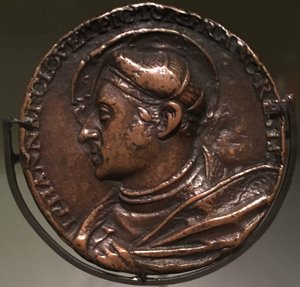
ジャン・クルエ
1480 - 1541 , ベルギー
基本情報
- Artistic Movement Or Style: ルネサンス肖像画
- Artists Or Movements Influenced By This Artist: ['フランソワ・クルエ']
- Date Of Birth: 1480年
- Date Of Death: 1541年
- Full Name: ジャン・クルエ
- Nationality: フランス
- Notable Artworks:
- 森の池
- 哀悼
- 恋人たち
- フランソワ1世の肖像
- フランスのマルグリット
- Place Of Birth: ベルギー、ブリュッセル
関連記事

The Enduring Legacy of Oil on Canvas: Technique, History & Aesthetic Impact
Explore the rich history & techniques of oil painting – from Renaissance masters to Impressionism. Discover pigments, layering methods, and why this timeless medium endures. Expert insights for artists & art enthusiasts.

Oil on Canvas: A Historical & Technical Exploration of a Timeless Artistic Medium
Explore the rich history & enduring techniques of oil painting on canvas. Discover the science behind its longevity, conservation practices, and contemporary relevance. Expert insights for art enthusiasts.

The Enduring Power of Painting: A Historical & Contemporary Exploration of Form and Emotion
Explore the rich history & enduring techniques of oil painting with ArtsDot. Discover masterpieces, learn about art collecting, and find authentic handmade reproductions crafted by skilled artists.

油彩のキャンバス:技法、歴史、そして現代の実践 - 古典美術愛好家へ
油彩の技法、歴史、巨匠たちの秘密を徹底解説。古典美術愛好家向けに、初期フランドル絵画から現代の実践まで深く掘り下げます。ArtsDotで高品質な複製画やカスタムオーダーも承ります。
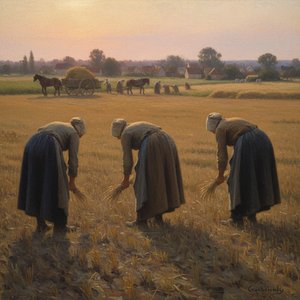
Jean-François Millet: Realism, Rural Life & the Poetic Depiction of Labor
Explore the life & work of Jean-François Millet, a founder of Realism. Discover his poignant depictions of rural France, iconic paintings like 'The Angelus,' and lasting influence on art history. Learn more at ArtsDot.

