

 プリントを購入
 シェアする
シェアする シェアする
シェアする
 詳細を見る
詳細を見る

 ダウンロード
 似ている作品
 スライドショー
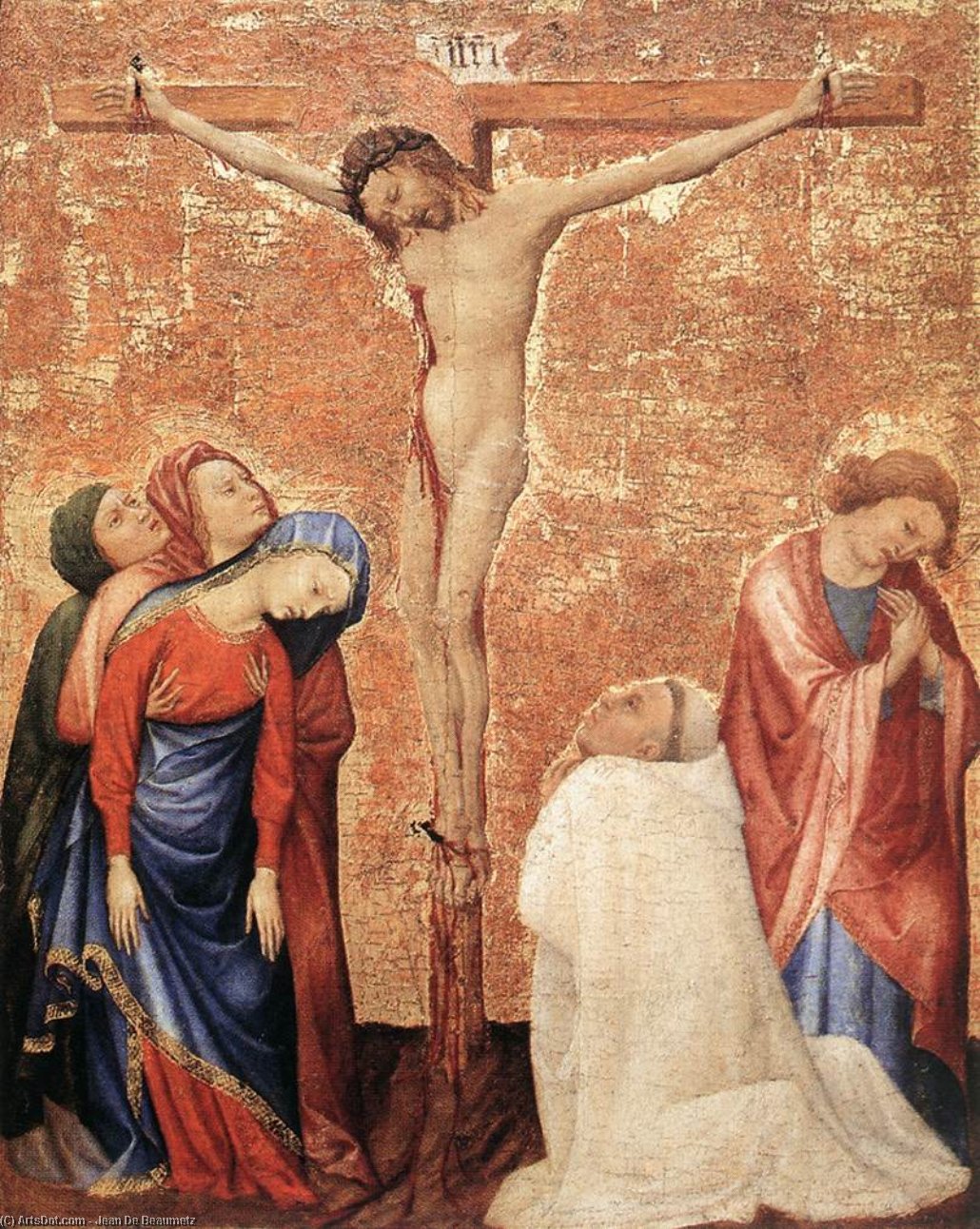
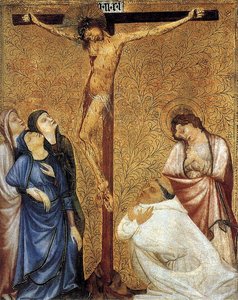
Christ on the Cross with a Carthusian Monk


 詳細を見る
詳細を見る
オンラインプレビューをはるかに凌ぐ、高解像度で鮮明なデジタル画像をご購入いただけます。
各ファイルは、社内の専門家が高度なツールと熟練した手作業によるレタッチを用いて、細心の注意を払って準備されています。すべての画像において、卓越した鮮明度、正確な色彩再現性、そして繊細なディテールを保証いたします。
最終ファイルは、プロフェッショナルな編集・印刷環境ですぐにご利用いただけるよう最適化された状態で、72時間以内にメールにてお届けいたします。これは、一流のデザインスタジオ、出版社、ギャラリーから信頼されているものと同等の品質です。
デジタル画像のご注文に付随する特典
高品質なデジタル画像配信を、確かな品質で。
ArtsDot.com を選ぶことは、単に画像を手に入れることではありません。それは、プロの手によって精密に仕上げられ、満足保証が付いた高品質なデジタルアートワークを受け取ることを意味します。ご注文いただいた際に自動的に付随する内容は、以下の通りです:

メールですぐにお届け
ご注文から72時間以内に、高解像度のデジタル画像ファイルがメールでお手元に届きます。すぐにそのままご利用いただけます。

AI技術で最適化されたデジタルファイル
お客様の作品は、高度なAIツールと専門家による手作業の編集を組み合わせてプロフェッショナルに最適化されており、細部のディテール、鮮明さ、そして正確な色再現性を最大限に引き出しています。

一生涯無料の再送サービス
ファイルを誤って削除したり、紛失してしまったりしましたか?ご安心ください。いつでも無料で再送いたします。

輸入手数料は一切かかりません
関税や手数料、配送料を気にすることなく、お気に入りのアートワークをすぐにお楽しみいただけます。デジタルダウンロードは常に免税です。

色彩再現の保証
プロ仕様のツールとカラーマネジメント技術を用いることで、デジタル画像が元の色を最大限に忠実に再現することを保証いたします。

60日間満足保証
ご購入いただいたデジタル画像にご満足いただけない場合は、60日以内であれば、修正または100%の返金(理由を問う必要はありません)をさせていただきます。

100% 返金保証
ご満足いただけない場合は、デジタルファイルを受け取ってから60日以内であれば、理由を問わず全額返金いたします。

まとめ買い割引
3枚購入で10%OFF - 5枚購入で15%OFF - 10枚以上購入で20%OFF。クリエイティブなプロジェクト、ギャラリー、エージェンシーに最適です。
作品の詳細
A Glimpse into Gothic Faith: Jean de Beaumetz’s “Christ on the Cross with a Carthusian Monk”
The year is 1389, and within the walls of Burgundy, a profound moment in artistic expression unfolds. Jean de Beaumetz, a painter deeply rooted in the late medieval period, gifted us with "Christ on the Cross with a Carthusian Monk," a fresco that transcends mere religious depiction to become a poignant meditation on faith, suffering, and the enduring power of human connection. This remarkable work, measuring 60 x 48 cm, isn’t simply a painting; it's a window into the soul of a bygone era, meticulously crafted with the techniques and sensibilities of the Gothic style.
A Masterpiece of Late Gothic Style
Beaumetz’s artistic voice is undeniably rooted in the late Gothic tradition. The flattened perspective, a hallmark of the period, lends a sense of immediacy to the scene, drawing the viewer directly into the drama unfolding before them. Lines are employed deliberately – angular and strong for the imposing cross itself, while drapery flows with a controlled simplicity, contributing to the overall visual harmony. Notice how geometric shapes—rectangles defining the figures’ garments, circles suggesting faces—are used not just for form but also to create a sense of order within the composition. The texture, achieved through the application of pigment mixed with egg yolk or lime (a common fresco technique), possesses a subtly rough quality, hinting at the laborious process and the enduring nature of the artwork.
Symbolism Woven into the Cloth
Beyond its technical brilliance, “Christ on the Cross” is rich in symbolic meaning. The central figure of Christ, suspended upon the cross, immediately evokes the core tenets of Christian belief – sacrifice and redemption. Surrounding him are figures representing Mary, John the Apostle, Nicodemus, and others, each rendered with a degree of stylized realism that speaks to the period’s artistic conventions. The presence of the Carthusian monk—a solitary figure known for their contemplative life—adds another layer of interpretation. He represents not just piety but also introspection and the pursuit of spiritual understanding amidst suffering. The warm, earthy palette – dominated by golds, reds, and browns – creates a somber yet profoundly moving atmosphere, amplifying the emotional weight of the scene.
Historical Context: Patronage and Artistic Flourishing
Jean de Beaumetz’s career was inextricably linked to the powerful patronage of Philip the Bold, Duke of Burgundy. This association provided him with unprecedented opportunities for artistic development and access to significant commissions. The Château de Germolles and the chapel of Saint-Denis in Burgundy stand as testaments to his skill, showcasing monumental murals that reflect both the religious fervor and the burgeoning humanist sensibilities of the era. Beaumetz’s work exemplifies a shift away from purely symbolic representation towards a more emotionally resonant approach, foreshadowing developments in art during the Renaissance.
A Timeless Resonance: Art for Reflection and Inspiration
“Christ on the Cross with a Carthusian Monk” is more than just a historical artifact; it’s an enduring work of art that continues to resonate with viewers today. Its masterful execution, combined with its profound symbolism and evocative atmosphere, invites contemplation on themes of faith, suffering, and human compassion. Reproductions offer a remarkable opportunity to bring this powerful image into any space, serving as a constant reminder of the timeless beauty and spiritual depth found within Gothic art.
- Consider it for spaces seeking a sense of reverence and historical connection.
- Its rich colors and dramatic lighting make it ideal for creating focal points in living rooms or studies.
- A stunning addition to collections focused on religious art, medieval history, or Gothic architecture.
関連作品
作家の略歴
A Visionary of the Burgundian Court
In the twilight of the fourteenth century, amidst the opulent and pious atmosphere of the Burgundian court, the name Jean de Beaumetz emerged as a symbol of spiritual intensity and artistic refinement. Born around 1335 in the French region of Beauchêne, Beaumetz lived through an era where art served as a profound bridge between the earthly realm and the divine. His life was inextricably linked to one of the most powerful figures of the Middle Ages, Philip the Bold, Duke of Burgundy. Serving not merely as a painter but also as a valet to the Duke from approximately 1375 until his death in 1396, Beaumetz occupied a unique position that allowed him to translate royal ambition into enduring visual devotion.
The artist’s career was defined by this intimate connection to the ducal house, which provided him with the resources to execute monumental works of profound theological significance. His presence in the court circles of Burgundy placed him at the heart of a burgeoning cultural movement, where the International Gothic style began to take shape. Through his hands, the rigid structures of earlier medieval art began to soften, making way for a more emotive and humanistic approach to religious narrative. This period of transition is nowhere more evident than in his ability to capture the heavy, somber atmosphere of monastic life through the lens of royal grandeur.
The Mastery of Devotional Narrative
Beaumetz’s most significant contribution to the history of art lies in his specialized production of devotional panels, specifically those intended for the Chartreuse de Champmol. Between 1389 and 1395, he worked on a magnificent cycle of twenty-six oil-on-oak panels designed for the cells of Carthusian monks. These monks, known for their intense, solitary contemplation of Christ’s suffering, required imagery that could provoke deep empathy and spiritual connection. Beaumetz responded with works of staggering emotional depth, utilizing a palette of vibrant reds and deep blues to illuminate the tragedies of the Passion.
One of the most hauntingly beautiful remnants of this lost cycle is Calvary with a Carthusian Monk. In this masterpiece, the artist employs several sophisticated techniques to guide the viewer's soul:
- Symbolic Goldwork: The use of punched decoration in the gold background creates a shimmering effect, representing the Trees of Life and Knowledge and connecting the biblical past to the present moment.
- Emotional Realism: Through meticulous detail in facial expressions, Beaumetz captures the profound sorrow of Saint John the Evangelist and the fainting grief of the Virgin Mary.
- Thematic Contrast: The presence of a solitary monk at the foot of the cross serves as a mirror for the viewer, inviting a shared experience of ascetic devotion and mourning.
His technique, often involving tempera and early oil applications on plaster or wood, allowed for a luminous quality that seemed to radiate from within the artwork itself. This luminosity was essential in creating the ethereal, otherworldly atmosphere required by the Carthusian order, turning each panel into a window through which the divine could be glimpsed.
Legacy of the Gothic Spirit
Though much of Jean de Beaumetz’s oeuvre has been lost to the ravages of time—with only a few precious panels surviving in institutions like the Louvre and the Cleveland Museum of Art—his historical significance remains undiminished. He stands as a pivotal figure who bridged the gap between the stylized traditions of the high Middle Ages and the burgeoning naturalism of the early Netherlandish school. His work reflects a moment in history when the boundaries between courtly elegance and monastic austerity were blurred by a shared language of intense religious fervor.
The legacy of Beaumetz is found in the way he humanized the divine. By focusing on the physical and emotional weight of the Crucifixion, he helped pave the way for future generations of painters to explore the psychological depths of their subjects. He remains a testament to the power of patronage in shaping the course of art history, proving that when the political might of a Duke meets the spiritual vision of a master, the result is an artistic heritage that transcends the centuries.
jean de beaumetz
1335 - 1396 , France
プロフィール概要
- Artistic Movement Or Style: Gothic
- Date Of Birth: Beauchêne, France (1335)
- Date Of Death: 1396
- Full Name: Jean de Beaumetz
- Nationality: French
- Notable Artworks: ['Christ on the Cross']
- Place Of Birth: France

