

 プレビュー
プレビュー
 プリントを購入
 シェアする
シェアする シェアする
シェアする
 詳細を見る
詳細を見る

 ダウンロード
 似ている作品
 X線調査
X線調査 スライドショー
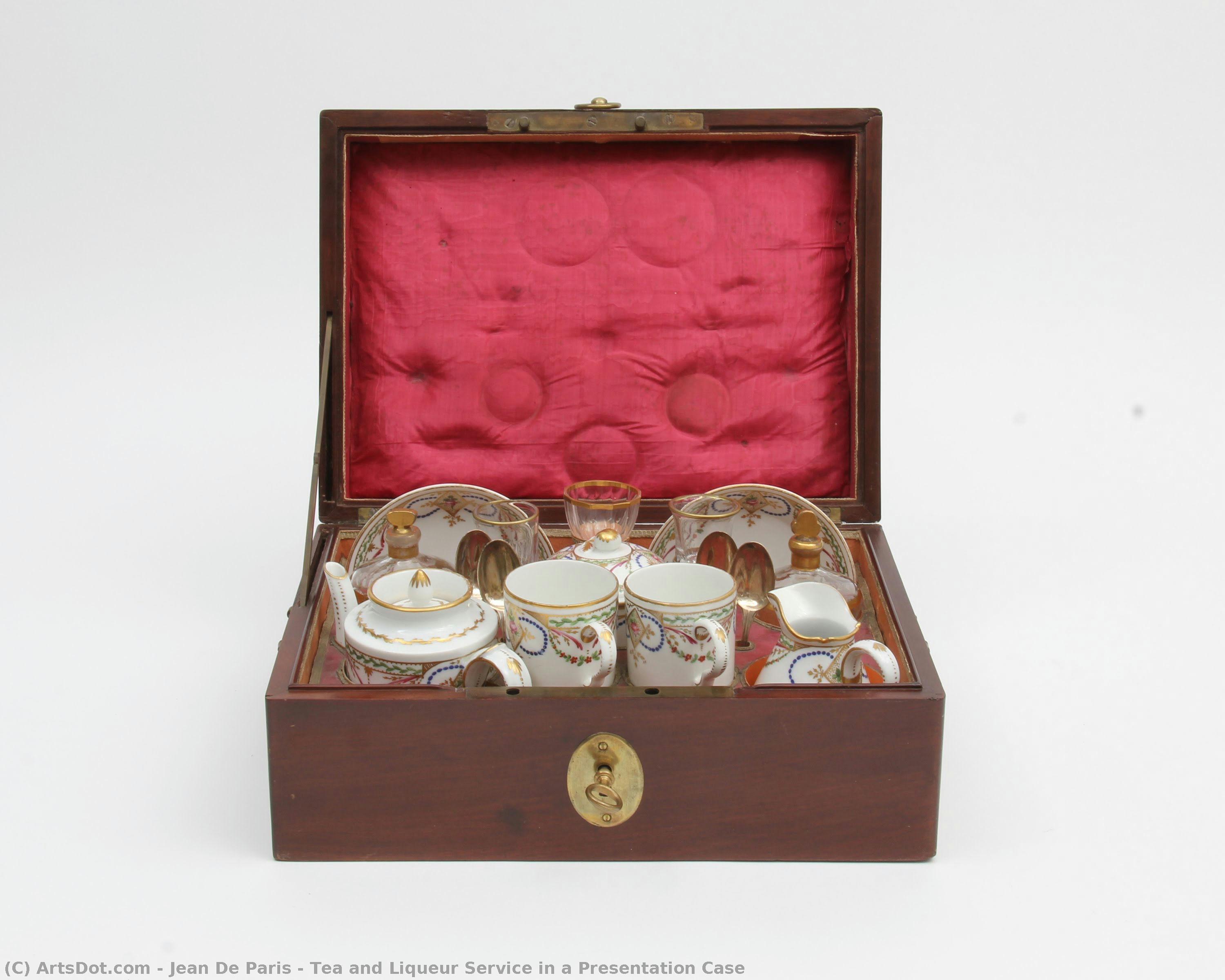
Tea and Liqueur Service in a Presentation Case


 詳細を見る
詳細を見る




P118B $10

P118H $10

P118W $10

P438Z $10

P508JH $12

P508YH $12

P805H $10

P805Z $10

P919BZ $10

P919G $10

P919XJ $10

P959ZH $10

P968JZ $12

W106C $8

W218G $10

W218JH $8

W218Y $10

W307PJ $10

W316G $10

W316PJ $8

W316Y $10

W398PJ $8

W4111J $10

W500HY $15

W500JH $15

W692G $12

W849H $8

W940BG $15

W953PJ $8




作品のオリジナル比率に合わせた、当店の規定サイズからお選びください。

特定のフレームやスペースに合わせて、ご希望のサイズをご入力いただけます。選択されたサイズが元の画像の比率と異なる場合、アートワークをトリミングするか、手描きで要素を追加して絵画を拡張いたします。デジタルモックアップ を制作し、制作開始前にご確認(承認)をいただきます。
画面上のプレビューは、実際のトリミングや拡張を正確に反映しているものではありません。最終的な構図は、モックアップによってのみ正確にご確認いただけます。
カスタムサイズもご利用いただけますが、元の比率を維持するためには、あらかじめ用意されたリストからサイズを選択することをお勧めいたします。
ご注文後、ArtsDot.com チームより詳細な指示をお送りするとともに、仕上がりイメージ(モックアップ)をご提供いたします。


 ガラスオプションは、110cm未満のサイズでのみご利用いただけます。

Tea and Liqueur Service in a Presentation Case
複製技法
複製画のサイズ
-


合計金額
$ 263
A Symphony of Porcelain and Crystal
In the delicate dance of light and shadow captured within Jean De Paris’s "Tea and Liqueur Service in a Presentation Case," we are invited into an intimate world of eighteenth-century luxury. This exquisite painting serves as more than a mere still life; it is a window into a vanished era of refined ritual and aristocratic grace. The composition centers on a magnificent wooden travel case, its interior lined with a soft, blush-toned silk that cradles a collection of porcelain and crystal with the tenderness of a jeweler’s velvet. As the eye wanders across the meticulously rendered tea cups, saucers, and decanters, one feels the weight of history and the quiet elegance of a moment frozen in time. The artist employs a masterful technique to highlight the translucency of the crystal and the smooth, luminous glaze of the porcelain, creating a tactile experience that transcends the canvas.
The historical context of this piece, dating back to 1787, places it at the precipice of a transformative era in French history. This was a time when the art of presentation was paramount, and the ritual of tea and liqueur service represented the pinnacle of social sophistication. The inclusion of the original silk-lined wood travel case suggests a life of mobility and high-society excursions, where even the most intimate comforts were carried with grandeur. Through his brush, De Paris captures the essence of the late Rococo period—a style defined by its love for intricate detail, delicate ornamentation, and an almost ethereal lightness. For the discerning collector or interior designer, this work offers a profound sense of nostalgia and a connection to the opulent craftsmanship of the French court.
Beyond its material splendor, the painting resonates with a deep emotional stillness. There is a certain quietude in the arrangement, a sense of order and preparation that evokes the anticipation of a social gathering. The stark white background serves as a brilliant stage, stripping away the distractions of the outside world to focus entirely on the interplay of texture and form. This isolation allows the viewer to appreciate the subtle symbolism of the service: the tea caddies hidden beneath the cups representing secrets held within luxury, and the crystal funnel standing ready for the pouring of fine spirits. It is a piece that breathes life into a room, offering an atmosphere of timelessness and grace. Whether placed in a grand salon or a contemporary study, a high-quality reproduction of this masterpiece brings with it an aura of cultured sophistication and an enduring appreciation for the finer things in life.
関連作品
アーティストの略歴
A Courtly Vision: The Life and Art of Jean Perréal
Jean Perréal, a name often whispered alongside the burgeoning Renaissance in France, was more than simply a portraitist; he was an embodiment of the era’s multifaceted artistic spirit. Born around 1455 in Lyon – though he would later adopt “de Paris” as part of his moniker – Perréal flourished during a period of intense cultural exchange and royal patronage. He wasn't merely documenting faces, but crafting images that projected power, sophistication, and the evolving identity of the French court. His career spanned the reigns of Charles of Bourbon, Charles VIII, Louis XII, and Francis I, placing him at the very heart of political and artistic life.
Perréal’s early training remains somewhat shrouded in mystery, but his work reveals a keen understanding of both Northern European realism and Italianate elegance. He wasn't confined to painting alone; he was also an accomplished architect, sculptor, and illuminator – a true polymath in the Renaissance mold. This breadth of skill allowed him to contribute to grand ceremonial events, designing tombs, medals, and even theatrical scenery alongside his celebrated portraits. His versatility speaks to a demand for artists who could oversee entire projects, shaping not just individual artworks but comprehensive visual experiences.
The Royal Gaze: Portraits as Instruments of Power
Perréal’s rise to prominence was inextricably linked to the French monarchy. He quickly became favored by Charles of Bourbon, and his talent soon attracted the attention of successive kings. His portraits weren't intended as intimate studies of character; they were carefully constructed representations designed to project authority and legitimacy. The portrait of Charles VIII, housed in the Musée Condé, exemplifies this approach. It’s not a deeply psychological rendering but rather a stately depiction emphasizing the king’s regal bearing and refined attire. Similarly, his miniature portrait of Pierre Sala, a royal valet de chambre, showcases meticulous detail and a sense of courtly grace.
What truly set Perréal apart was his innovative technique. He developed a method of painting with dry color – *demi-couleurs* or *trois crayons* – using finely ground pigments mixed with binding agents. This approach, unknown in Italy at the time, allowed for subtle gradations of tone and a unique luminosity. It’s said that Leonardo da Vinci himself sought out Perréal to learn this technique during Louis XII's campaigns in Milan, scribbling notes on his paint box and methods in his famous *Codex Atlanticus*. This exchange highlights Perréal’s influence beyond the French court, demonstrating his contribution to broader artistic developments.
Beyond France: Italian Journeys and Artistic Exchange
Perréal's career wasn't limited to the borders of France. He undertook several journeys to Italy between 1492 and 1530, immersing himself in the burgeoning Renaissance art scene. These trips were not merely for observation; he actively engaged with Italian artists and techniques, incorporating elements of their style into his own work. His travels also extended to London in 1514, where he painted a portrait of Mary Tudor during her marriage to Louis XII. This commission underscores his international reputation and the demand for his skills across European courts.
His time abroad wasn’t simply about absorbing influences; it was about showcasing French artistry. Before sending Perréal to Milan with Louis XII, the king commissioned a series of portraits intended to demonstrate the sophistication of French painting to their Italian counterparts. This act highlights the growing sense of national artistic pride and the desire to compete with the established masters of Italy.
A Lasting Legacy: Shaping the Renaissance Image
Jean Perréal died in either Paris or Lyon around 1530, leaving behind a body of work that profoundly shaped the image of the French Renaissance. He wasn’t just a painter; he was an architect of perception, crafting portraits that served as powerful symbols of royal authority and courtly refinement. His innovative techniques, particularly his use of dry color, influenced artists across Europe, including Leonardo da Vinci himself.
While perhaps not as widely celebrated as some of his Italian contemporaries, Perréal’s contribution to the Renaissance is undeniable. He bridged the gap between Northern European realism and Italianate elegance, creating a uniquely French style that captured the spirit of an era defined by ambition, innovation, and a growing sense of national identity. His legacy lives on in the exquisite detail of his portraits, the grandeur of his designs, and the enduring power of his courtly vision.
jean de paris
France
基本情報
- Artistic Movement Or Style: World Goes Pop
- Artists Or Movements Influenced By This Artist: ['Influences various contemporary artists']
- Artists Who Influenced This Artist: ['Influenced by diverse artists from 28 countries']
- Date Of Death: Living
- Notable Artworks: ['Various works featured in The World Goes Pop exhibition']
- Place Of Birth: WahooArt
関連記事
美術品取得の進化:選ばれた収集家のためのVIPコンシェルジュ・サービスが重要になる理由
ArtsDotのVIPコンシェルジュ・サービスは、選ばれた収集家のために美術品の取得を革新します。パーソナルなキュレーション、専門的な鑑定、高品質なカスタム制作を提供。安心と信頼でコレクションを築きましょう。
ArtsDot.com F.A.Q.: 至高の品質と個別対応が選ばれる理由 – エリートコレクター向け優先制作サービス
ArtsDot.comの優先制作サービスは、エリートコレクターの皆様に最高品質の手描き油絵と完全な個別対応をお約束します。熟練アーティストがお客様のビジョンを具現化。美術品複製、カスタムポートレートなど、信頼と実績のArtsDotで特別な芸術体験を。
グローバル・グループ・マルチパネル:ArtsDotで実現する空間演出と洗練された装飾 - エリートコレクターのための芸術的探求 | ArtsDot.com F.A.Q.
ArtsDotで、空間を芸術で彩りませんか?エリートコレクターのためのカスタムアートソリューション。高品質な油絵複製、マルチパネル、専門家によるコンサルティングで、唯一無二のコレクションを創造します。

Elevating Interior Spaces: A Comprehensive Analysis of Art Concierge Services for Professional Designers
Elevate your interior design projects with expert art concierge services. Streamline sourcing, manage budgets & ensure authenticity. Trusted solutions for luxury spaces.
ホテルデザインにおける芸術の力:記憶に残る顧客体験を創造するプロフェッショナル・アートコンサルテーションと調達サービス
ArtsDotは、ホテルデザインを革新するプロフェッショナル・アートコンサルテーションと調達サービスを提供します。記憶に残る顧客体験を創造し、ブランドイメージを高める唯一無二のアート作品をご提案。高品質な油絵複製からカスタムアートまで、専門家がサポートいたします。