 プレビュー
プレビュー
 プリントを購入
 シェアする
シェアする シェアする
シェアする
 詳細を見る
詳細を見る

 ダウンロード
 似ている作品
 X線調査
X線調査 スライドショー
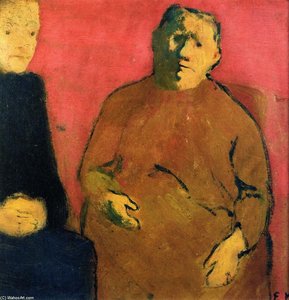
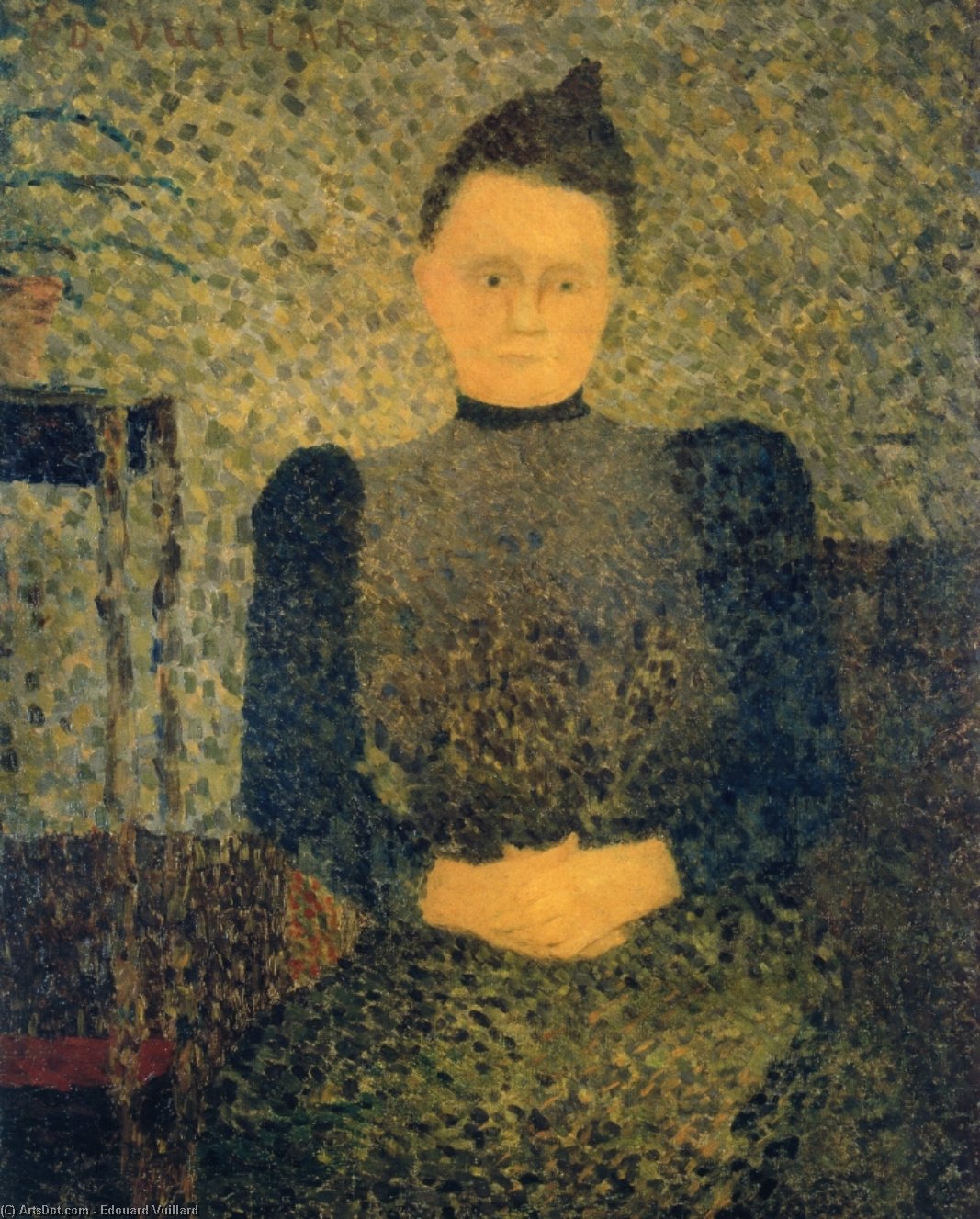
Portrait of Marie Vuillard
 Oil On Canvas
- WallArt
- Les Nabis Style
 1890
1890- 19th Century
 92.0 x 73.0 cm
 詳細を見る
詳細を見る




P118B $10

P118H $10

P118W $10

P438Z $10

P508JH $12

P508YH $12

P805H $10

P805Z $10

P919BZ $10

P919G $10

P919XJ $10

P959ZH $10

P968JZ $12

W106C $8

W218G $10

W218JH $8

W218Y $10

W307PJ $10

W316G $10

W316PJ $8

W316Y $10

W398PJ $8

W4111J $10

W500HY $15

W500JH $15

W692G $12

W849H $8

W940BG $15

W953PJ $8




作品のオリジナル比率に合わせた、当店の規定サイズからお選びください。

特定のフレームやスペースに合わせて、ご希望のサイズをご入力いただけます。選択されたサイズが元の画像の比率と異なる場合、アートワークをトリミングするか、手描きで要素を追加して絵画を拡張いたします。デジタルモックアップ を制作し、制作開始前にご確認(承認)をいただきます。
画面上のプレビューは、実際のトリミングや拡張を正確に反映しているものではありません。最終的な構図は、モックアップによってのみ正確にご確認いただけます。
カスタムサイズもご利用いただけますが、元の比率を維持するためには、あらかじめ用意されたリストからサイズを選択することをお勧めいたします。
ご注文後、ArtsDot.com チームより詳細な指示をお送りするとともに、仕上がりイメージ(モックアップ)をご提供いたします。


 ガラスオプションは、110cm未満のサイズでのみご利用いただけます。

Portrait of Marie Vuillard
複製技法
複製画のサイズ
-


合計金額
$ 263
Portrait of Marie Vuillard: A Window into the Nabis Aesthetic
Jean Édouard Vuillard’s “Portrait of Marie Vuillard,” painted in 1890, is more than just a likeness; it's an exquisitely rendered meditation on domesticity, intimacy, and the burgeoning artistic currents of its time. This oil-on-canvas masterpiece, measuring 92 x 73 cm, offers a rare glimpse into the life of Vuillard himself – his mother, Marie – captured with a delicate precision that defines his signature style. The painting immediately draws the viewer in with its muted palette and the quiet serenity emanating from the scene. It’s a testament to Vuillard's ability to transform the mundane into something profoundly beautiful, a skill honed through years of studying Japanese prints and experimenting with the revolutionary techniques of the Nabis group.
The Nabis Influence: Color as Architecture
Vuillard was a key figure in Les Nabis, an avant-garde collective that sought to redefine painting through the manipulation of color. Unlike the Impressionists who focused on capturing fleeting moments of light, the Nabis aimed to build their compositions using pure colors – akin to architectural elements – creating a sense of depth and structure. This is vividly apparent in “Portrait of Marie Vuillard,” where areas of rich, saturated hues—deep blues, greens, and browns—are meticulously layered to create an illusion of three-dimensionality. The influence of Japanese prints, particularly their flattened perspectives and emphasis on decorative patterns, is palpable, contributing to the painting’s distinctive spatial quality. Notice how the colors don't simply represent reality; they actively shape our perception of the scene.
Technique and Detail: A Pointillist Echo
While often associated with Pointillism, Vuillard’s technique transcends a strict adherence to this method. He employed small, distinct brushstrokes – a subtle echo of Pointillism – to build up color and form, creating a shimmering effect that adds to the painting's luminous quality. The meticulous rendering of Marie Vuillard’s attire—the dark dress, the delicate necklace—demonstrates Vuillard’s extraordinary attention to detail. The inclusion of two birds, perched thoughtfully in the composition, introduces an element of symbolism, perhaps representing peace, freedom, or a connection to nature – themes frequently explored within the Nabis aesthetic. The careful placement of these small details elevates the portrait beyond a simple representation and imbues it with a quiet dignity.
Symbolism and Emotional Resonance
“Portrait of Marie Vuillard” is not merely a visual record; it’s an emotionally resonant portrayal. The sitter's gaze, directed towards the viewer, invites a sense of connection and intimacy. The simple setting – a chair, a few objects—suggests a moment of quiet contemplation, reflecting the Nabis interest in exploring interior spaces and human psychology. The painting evokes a feeling of calm and nostalgia, inviting us to pause and appreciate the beauty of everyday life. It’s a poignant reminder of Vuillard's ability to capture not just appearances but also the essence of his subject – his mother – and the spirit of an artistic movement that dared to challenge conventional notions of representation.
関連作品
アーティストの略歴
幼少期と芸術への目覚め
1868年11月11日、フランスのキュイゼーで生まれたジャン=エドゥアール・ヴュイヤールは、画家、装飾家、版画家の道を歩むことになります。彼の人生は、モーリス・ドニやピエール・ボナールらと共に芸術界に革新をもたらした先駆的なグループ「ナビ派」の礎を築くこととなりました。幼い頃から絵を描くことに情熱を注ぎ、その才能を開花させていったヴュイヤールは、伝統的な美術教育を受けながらも、独自の表現を追求し始めます。特に印象主義の影響を受けつつも、より内面的な世界を探求する姿勢が、彼の芸術的特徴を形成していくことになります。ナビ派における活動と色彩の探求
ヴュイヤールは、ナビ派の中心人物として、純粋な色彩の領域に没頭します。日本の浮世絵の影響を受け、装飾的な要素を取り入れながら、平面的な色彩構成を追求しました。彼の室内画は、光と影、パターンとフォルムが織りなす空間効果を探求し、観る者に独特の視覚体験をもたらします。ナビ派の画家たちは、象徴主義やポジティヴィズム哲学の影響を受け、現実世界を直接的に描写するのではなく、内面的な感情や思想を表現することを重視しました。ヴュイヤールの作品は、その色彩と構成によって、単なる写実的な再現を超えた、精神的な深みを持つものとして評価されています。ナビ派解散後と様式の変遷
1900年頃、ナビ派が解散すると、ヴュイヤールはより現実主義的なスタイルへと転換します。風景画や室内画を描きながらも、その色彩は一層鮮やかになり、細部へのこだわりが増していきます。1920年代から30年代にかけては、フランスの産業界や芸術界の著名人たちの肖像画を数多く制作しました。これらの肖像画は、被写体の身近な環境の中で描かれ、その人物の内面的な魅力を引き出すことに成功しています。主要作品と展覧会
ヴュイヤールの作品は、フランス革命に関する美術館であるMusée de la Révolution Françaiseをはじめとする様々な美術館に所蔵されています。代表作には、「危険の中に置かれた祖国」や「ジャン・ド・ラ・バーレ」などがあります。「危険の中に置かれた祖国」は、ギヨーム・ルティエールによって描かれ、アンシャン・レジーム時代に異端の罪で死刑を宣告された若者の姿を描いています。また、「ジャン・ド・ラ・バーレ」は、ジャン・クルーエによって描かれ、宗教的な信念のために処刑された人物の勇気を表現しています。ヴュイヤールの作品は、その色彩と構成、そして主題の深さにおいて、高く評価されています。芸術的遺産と現代への影響
ジャン=エドゥアール・ヴュイヤールのエニグマティックな世界は、革新的な色彩の使い方とフォルムによって、芸術界に多大な足跡を残しました。近代主義の先駆者として、彼の作品は今もなお多くのアーティストにインスピレーションを与え続けています。内面的な感情や思想を表現することを重視したヴュイヤールの姿勢は、キュビズムやフォーヴィスムなどの芸術運動にも影響を与えました。彼の作品を通して、私たちは色彩と光が織りなす美の世界、そして人間の精神の深淵に触れることができるのです。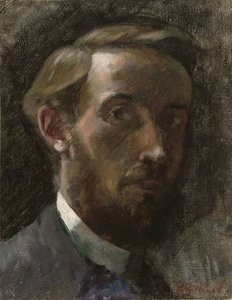
ジャン=エドゥアール・ヴュイヤール
1868 - 1940 , フランス
基本情報
- Artistic Movement Or Style: ナビ派
- Artists Or Movements Influenced By This Artist:
- キュビズム
- フォーヴィスム
- Artists Who Influenced This Artist: ['ポール・ゴーギャン']
- Date Of Birth: 1868年11月11日
- Date Of Death: 1940年6月21日
- Full Name: ジャン=エドゥアール・ヴュイヤール
- Nationality: フランス人
- Notable Artworks:
- 掃く女
- 陽光の室内
- Place Of Birth (City And Country): フランス、キュイゼー
関連記事

The Enduring Legacy of Oil on Canvas: Technique, History & Aesthetic Impact
Explore the rich history & techniques of oil painting – from Renaissance masters to Impressionism. Discover pigments, layering methods, and why this timeless medium endures. Expert insights for artists & art enthusiasts.

Oil on Canvas: A Historical & Technical Exploration of a Timeless Artistic Medium
Explore the rich history & enduring techniques of oil painting on canvas. Discover the science behind its longevity, conservation practices, and contemporary relevance. Expert insights for art enthusiasts.

油彩のキャンバス:技法、歴史、そして現代の実践 - 古典美術愛好家へ
油彩の技法、歴史、巨匠たちの秘密を徹底解説。古典美術愛好家向けに、初期フランドル絵画から現代の実践まで深く掘り下げます。ArtsDotで高品質な複製画やカスタムオーダーも承ります。
Oil on Canvas Masters: 10 Paintings That Redefined Art History |
Journey through art history with our guide to 10 legendary oil on canvas masterpieces! Explore iconic works by Van Gogh, Monet & Rembrandt. Find museum-quality reproductions and elevate your home decor at . Discover all masterpieces online.

The Enduring Power of Painting: A Historical & Contemporary Exploration of Form and Emotion
Explore the rich history & enduring techniques of oil painting with ArtsDot. Discover masterpieces, learn about art collecting, and find authentic handmade reproductions crafted by skilled artists.