 プレビュー
プレビュー
 シェアする
シェアする シェアする
シェアする
 詳細を見る
詳細を見る

 ダウンロード
 似ている作品
 X線調査
X線調査 スライドショー
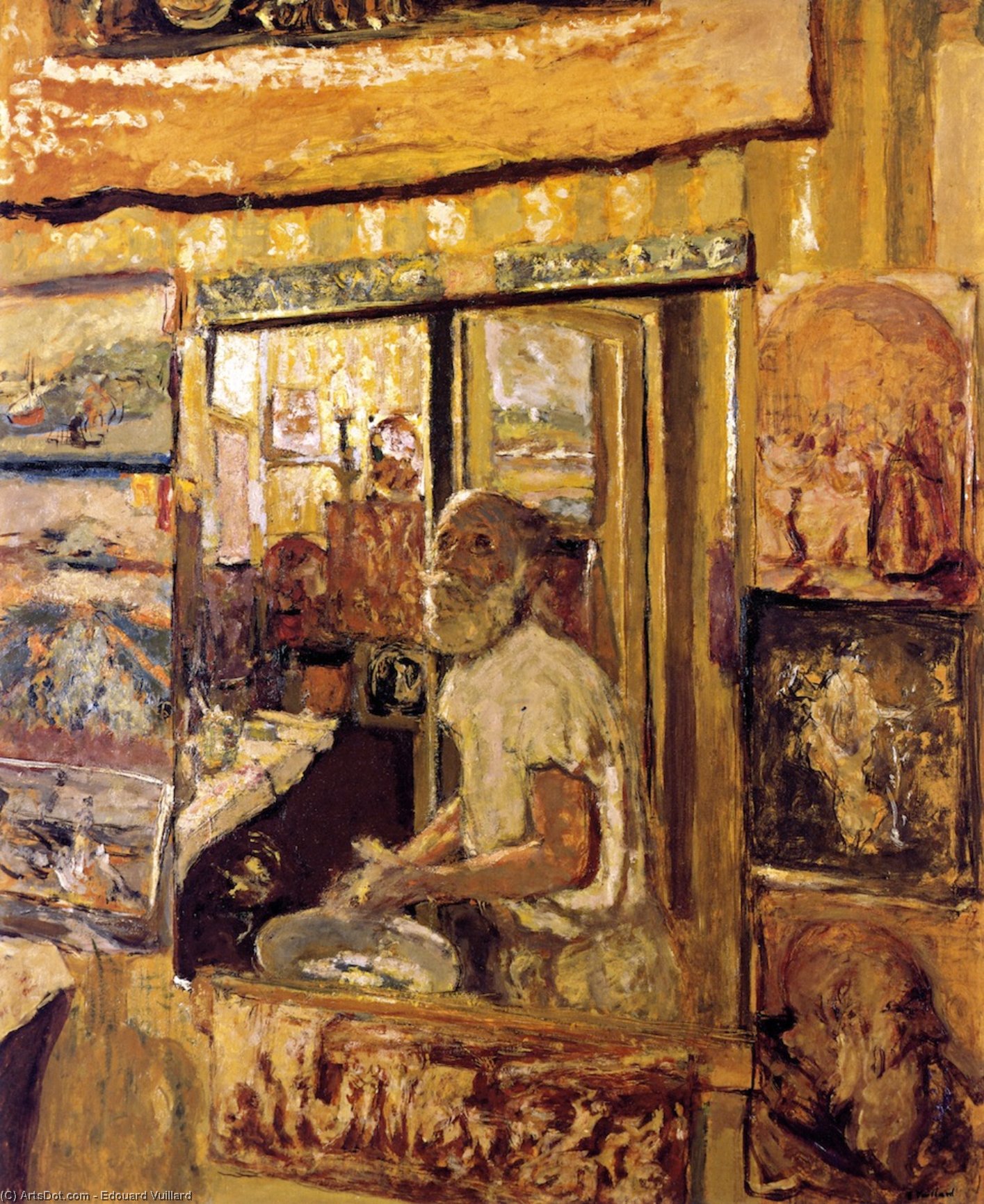
Self-Portrait in the Dressing-Room Mirror
 Oil On Panel
- Post-Impressionism
 1923
1923- 19th Century
 81.0 x 67.0 cm
 詳細を見る
詳細を見る
ジークレー/アートプリント
迅速な制作と多彩な仕上げオプションを備えた、ミュージアムクオリティのジークレーまたはキャンバスプリント。 ( 手描きの絵画を購入 画像を購入)




P118B $10

P118H $10

P118W $10

P438Z $10

P508JH $12

P508YH $12

P805H $10

P805Z $10

P919BZ $10

P919G $10

P919XJ $10

P959ZH $10

P968JZ $12

W106C $8

W218G $10

W218JH $8

W218Y $10

W307PJ $10

W316G $10

W316PJ $8

W316Y $10

W398PJ $8

W4111J $10

W500HY $15

W500JH $15

W692G $12

W849H $8

W940BG $15

W953PJ $8




作品のオリジナル比率に合わせた、当店の規定サイズからお選びください。

特定のフレームやスペースに合わせて、ご自身でサイズを指定することも可能です。選択されたサイズが元の画像の比率と一致しない場合、作品をトリミングするか、鏡面反射または単色での塗りつぶしによって画像を拡張いたします。制作を開始する前に、ご確認用のデジタルモックアップをお送りいたします。
画面上のプレビューには、実際のトリミングや拡張は反映されませんのでご注意ください。最終的な構図を正確に確認できるのは、モックアップのみとなります。
カスタムサイズも承っておりますが、元の比率を維持するためには、あらかじめ用意されたリストからサイズを選択することをお勧めいたします。


 ガラスオプションは、110cm未満のサイズでのみご利用いただけます。

Self-Portrait in the Dressing-Room Mirror
ジークレー/アートプリント
複製画のサイズ
-


合計金額
$ 62
A Window Into the Soul: Jean Edouard Vuillard's 'Self-Portrait in the Dressing-Room Mirror’
Jean Edouard Vuillard’s ‘Self-Portrait in the Dressing-Room Mirror,’ painted in 1923, is more than just a depiction of an artist at work; it’s a deeply resonant meditation on selfhood and perception. Created during a pivotal moment in his career, this oil on panel painting exemplifies Vuillard's mastery of color, composition, and the subtle nuances of interior space – hallmarks that secured his place as one of the most significant figures within the Nabis movement.
- Subject Matter: The scene is deceptively simple: Vuillard seated at a table, meticulously engaged in painting while gazing out a window. Yet, it’s the carefully orchestrated layering of details – the reflected image in the mirror, the presence of other figures, and the domestic setting – that elevates the work to a profound level of psychological depth.
- Style & Technique: Vuillard's signature style is immediately recognizable through his use of muted tones—a palette dominated by soft blues, greens, and browns—applied with delicate, almost hesitant brushstrokes. The oil on panel allows for an exceptional richness in texture, capturing the subtle play of light and shadow within the room. This technique contributes significantly to the painting’s serene and contemplative mood.
The Language of Reflection: Symbolism and Composition
The central element – the mirror – is far more than a simple reflective surface. It functions as a powerful symbol, representing not just Vuillard's physical self but also his internal state. The artist’s gaze, directed outwards through the window, contrasts sharply with the mirrored reflection of his introspective face. This duality creates a compelling tension, inviting the viewer to consider the complexities of identity and perception. The inclusion of several other figures – partially visible in the background – adds another layer of narrative complexity. These shadowy presences suggest Vuillard’s engagement with themes of solitude, memory, and perhaps even the fleeting nature of existence.
- Spatial Illusion: Vuillard masterfully employs flattened planes of color and pattern, a technique heavily influenced by Japanese prints, to create an illusion of depth within the confined space. This approach anticipates developments in Cubism and Abstract Art, demonstrating Vuillard’s forward-thinking artistic vision.
- Domestic Harmony: The dining table with its chairs and potted plant establishes a sense of domestic tranquility, providing a grounding element against the artist's contemplative mood. This juxtaposition highlights the tension between the external world and the internal landscape of the artist’s mind.
A Legacy Forged in Color: Historical Context and Influence
Born in 1868, Jean Edouard Vuillard emerged during a period of significant artistic transition in France. As a member of the Nabis – a group that included Maurice Denis and Paul Ranson – he was instrumental in bridging the gap between Impressionism and the more radical movements of the early 20th century. The Nabis sought to evoke spiritual or emotional states through color and form, prioritizing subjective experience over objective representation. Vuillard’s work reflects this commitment, offering a deeply personal and evocative exploration of interior space and human emotion.
- The Nabis Movement: The Nabis' influence on subsequent artistic movements is undeniable. Their emphasis on color, pattern, and flattened planes paved the way for Cubism, Fauvism, and Abstract Art.
- Vuillard’s Personal Journey: His introspective nature, perhaps influenced by his family background, is powerfully conveyed in this self-portrait, offering a poignant glimpse into the artist's creative process and personal reflections.
An Investment in Beauty: Acquisition and Appreciation
'Self-Portrait in the Dressing-Room Mirror’ stands as a testament to Vuillard’s artistic genius – a work that continues to captivate viewers with its quiet beauty, psychological depth, and technical mastery. A hand-painted reproduction offers an unparalleled opportunity to bring this iconic image into your home or studio, allowing you to appreciate the nuances of Vuillard's vision every day.
関連作品
アーティストの略歴
幼少期と芸術への目覚め
1868年11月11日、フランスのキュイゼーで生まれたジャン=エドゥアール・ヴュイヤールは、画家、装飾家、版画家の道を歩むことになります。彼の人生は、モーリス・ドニやピエール・ボナールらと共に芸術界に革新をもたらした先駆的なグループ「ナビ派」の礎を築くこととなりました。幼い頃から絵を描くことに情熱を注ぎ、その才能を開花させていったヴュイヤールは、伝統的な美術教育を受けながらも、独自の表現を追求し始めます。特に印象主義の影響を受けつつも、より内面的な世界を探求する姿勢が、彼の芸術的特徴を形成していくことになります。ナビ派における活動と色彩の探求
ヴュイヤールは、ナビ派の中心人物として、純粋な色彩の領域に没頭します。日本の浮世絵の影響を受け、装飾的な要素を取り入れながら、平面的な色彩構成を追求しました。彼の室内画は、光と影、パターンとフォルムが織りなす空間効果を探求し、観る者に独特の視覚体験をもたらします。ナビ派の画家たちは、象徴主義やポジティヴィズム哲学の影響を受け、現実世界を直接的に描写するのではなく、内面的な感情や思想を表現することを重視しました。ヴュイヤールの作品は、その色彩と構成によって、単なる写実的な再現を超えた、精神的な深みを持つものとして評価されています。ナビ派解散後と様式の変遷
1900年頃、ナビ派が解散すると、ヴュイヤールはより現実主義的なスタイルへと転換します。風景画や室内画を描きながらも、その色彩は一層鮮やかになり、細部へのこだわりが増していきます。1920年代から30年代にかけては、フランスの産業界や芸術界の著名人たちの肖像画を数多く制作しました。これらの肖像画は、被写体の身近な環境の中で描かれ、その人物の内面的な魅力を引き出すことに成功しています。主要作品と展覧会
ヴュイヤールの作品は、フランス革命に関する美術館であるMusée de la Révolution Françaiseをはじめとする様々な美術館に所蔵されています。代表作には、「危険の中に置かれた祖国」や「ジャン・ド・ラ・バーレ」などがあります。「危険の中に置かれた祖国」は、ギヨーム・ルティエールによって描かれ、アンシャン・レジーム時代に異端の罪で死刑を宣告された若者の姿を描いています。また、「ジャン・ド・ラ・バーレ」は、ジャン・クルーエによって描かれ、宗教的な信念のために処刑された人物の勇気を表現しています。ヴュイヤールの作品は、その色彩と構成、そして主題の深さにおいて、高く評価されています。芸術的遺産と現代への影響
ジャン=エドゥアール・ヴュイヤールのエニグマティックな世界は、革新的な色彩の使い方とフォルムによって、芸術界に多大な足跡を残しました。近代主義の先駆者として、彼の作品は今もなお多くのアーティストにインスピレーションを与え続けています。内面的な感情や思想を表現することを重視したヴュイヤールの姿勢は、キュビズムやフォーヴィスムなどの芸術運動にも影響を与えました。彼の作品を通して、私たちは色彩と光が織りなす美の世界、そして人間の精神の深淵に触れることができるのです。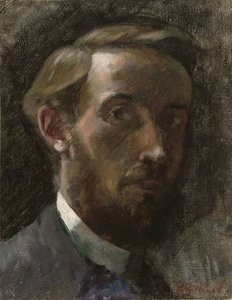
ジャン=エドゥアール・ヴュイヤール
1868 - 1940 , フランス
基本情報
- Artistic Movement Or Style: ナビ派
- Artists Or Movements Influenced By This Artist:
- キュビズム
- フォーヴィスム
- Artists Who Influenced This Artist: ['ポール・ゴーギャン']
- Date Of Birth: 1868年11月11日
- Date Of Death: 1940年6月21日
- Full Name: ジャン=エドゥアール・ヴュイヤール
- Nationality: フランス人
- Notable Artworks:
- 掃く女
- 陽光の室内
- Place Of Birth (City And Country): フランス、キュイゼー
関連記事
Intimate Interiors & Poetic Ambiguity: Exploring the Vision of Jean-Édouard Vuillard
Discover the captivating world of Jean-Édouard Vuillard, a key figure of the Nabis movement. Explore his intimate interiors, unique style & lasting influence on modern art. Learn more at ArtsDot.

Giclée Prints: Archival Quality & Aesthetic Nuances for the Discerning Collector
Explore the world of giclée prints with ArtsDot. Learn about archival quality, aesthetic nuances & investment potential. Expert guidance for discerning art collectors seeking museum-quality reproductions and lasting value.

Echoes of Time: Exploring the Enduring Appeal & Historical Context of Vintage Art Prints
Explore the captivating world of vintage art prints! Discover their history, collecting tips & enduring appeal. Expert insights on chromolithography and building a legacy collection with ArtsDot.

The Enduring Legacy of Fine Art Prints: Technique, History & Aesthetic Impact
Explore the rich history & techniques of fine art prints. Discover investment potential, assess authenticity, and learn how to preserve your collection with expert guidance. Trusted insights for discerning collectors.
エゴン・シーレ傑作25選:魂を揺さぶる表現主義の世界 | ArtsDot
エゴン・シーレの傑作25選。表現主義を代表するオーストリアの画家、その魂を揺さぶる人物画や自画像の世界へ。ArtsDotで名画の複製画とインテリアアートをお楽しみください。コレクションを見る▶