

 プレビュー
プレビュー
 プリントを購入
 シェアする
シェアする シェアする
シェアする
 詳細を見る
詳細を見る

 ダウンロード
 似ている作品
 X線調査
X線調査 スライドショー
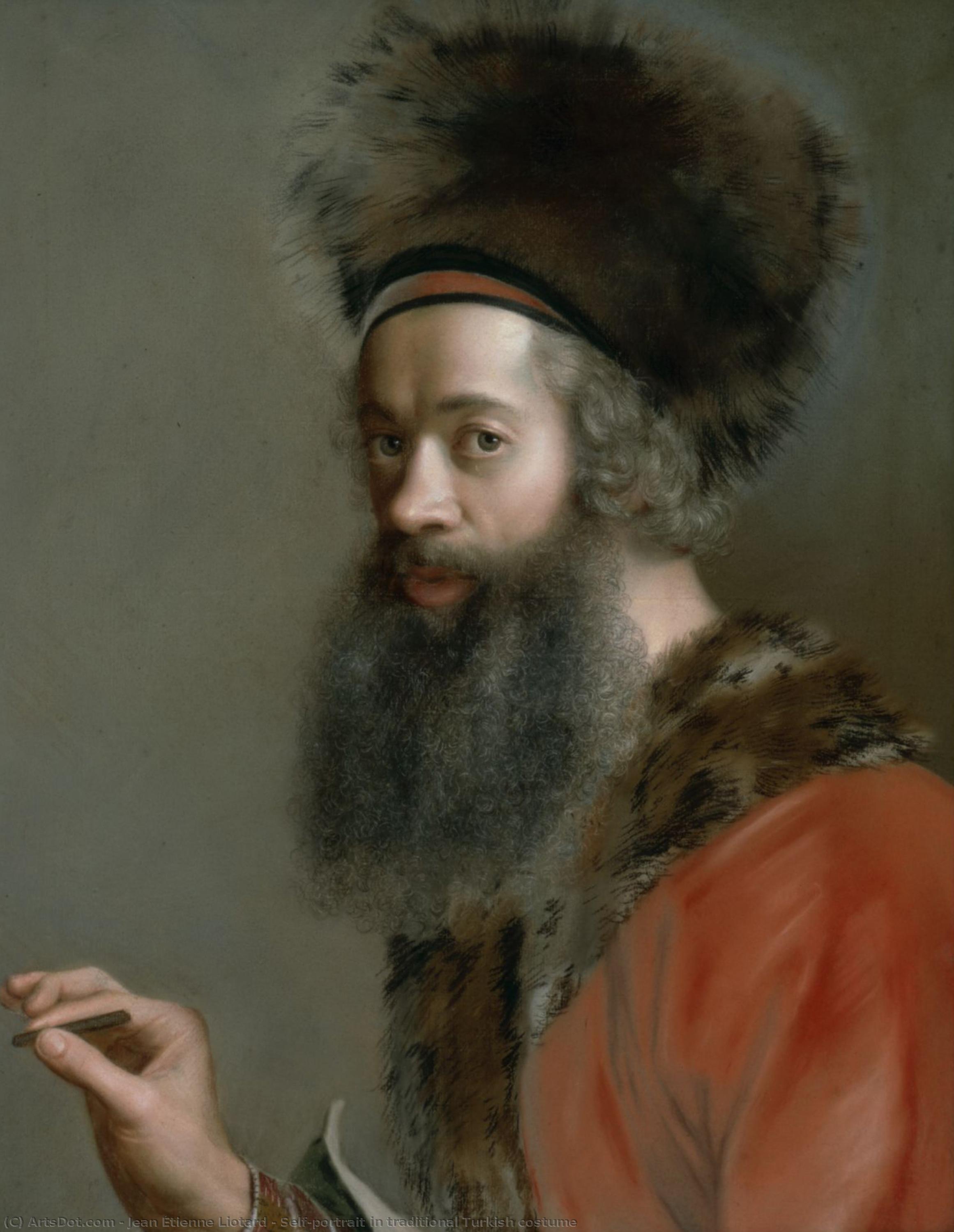
Self-portrait in traditional Turkish costume


 詳細を見る
詳細を見る
オンラインプレビューをはるかに凌ぐ、高解像度で鮮明なデジタル画像をご購入いただけます。
各ファイルは、社内の専門家が高度なツールと熟練した手作業によるレタッチを用いて、細心の注意を払って準備されています。すべての画像において、卓越した鮮明度、正確な色彩再現性、そして繊細なディテールを保証いたします。
最終ファイルは、プロフェッショナルな編集・印刷環境ですぐにご利用いただけるよう最適化された状態で、72時間以内にメールにてお届けいたします。これは、一流のデザインスタジオ、出版社、ギャラリーから信頼されているものと同等の品質です。
デジタル画像のご注文に付随する特典
高品質なデジタル画像配信を、確かな品質で。
ArtsDot.com を選ぶことは、単に画像を手に入れることではありません。それは、プロの手によって精密に仕上げられ、満足保証が付いた高品質なデジタルアートワークを受け取ることを意味します。ご注文いただいた際に自動的に付随する内容は、以下の通りです:

メールですぐにお届け
ご注文から72時間以内に、高解像度のデジタル画像ファイルがメールでお手元に届きます。すぐにそのままご利用いただけます。

AI技術で最適化されたデジタルファイル
お客様の作品は、高度なAIツールと専門家による手作業の編集を組み合わせてプロフェッショナルに最適化されており、細部のディテール、鮮明さ、そして正確な色再現性を最大限に引き出しています。

一生涯無料の再送サービス
ファイルを誤って削除したり、紛失してしまったりしましたか?ご安心ください。いつでも無料で再送いたします。

輸入手数料は一切かかりません
関税や手数料、配送料を気にすることなく、お気に入りのアートワークをすぐにお楽しみいただけます。デジタルダウンロードは常に免税です。

色彩再現の保証
プロ仕様のツールとカラーマネジメント技術を用いることで、デジタル画像が元の色を最大限に忠実に再現することを保証いたします。

60日間満足保証
ご購入いただいたデジタル画像にご満足いただけない場合は、60日以内であれば、修正または100%の返金(理由を問う必要はありません)をさせていただきます。

100% 返金保証
ご満足いただけない場合は、デジタルファイルを受け取ってから60日以内であれば、理由を問わず全額返金いたします。

まとめ買い割引
3枚購入で10%OFF - 5枚購入で15%OFF - 10枚以上購入で20%OFF。クリエイティブなプロジェクト、ギャラリー、エージェンシーに最適です。
作品の詳細
A Portrait Steeped in Exoticism and Delicate Observation
Jean-Étienne Liotard's "Self-portrait in Traditional Turkish Costume," completed in 1746, stands as a testament to the burgeoning fascination with Orientalism during the Rococo period. More than just a depiction of an individual, it’s a meticulously crafted tableau that embodies the artistic spirit of its time—characterized by refined elegance, naturalistic detail, and a yearning for beauty found beyond European borders.
The painting showcases Liotard himself in opulent Turkish attire: a fur hat perched atop his head, signaling wealth and status; a richly embroidered waistcoat reflecting the lavish fashions of aristocratic circles. His gaze meets the viewer’s eye with quiet confidence, conveying an aura of intellectual curiosity—a hallmark of Liotard's artistic persona.
Technique and Material Considerations: Pastel Mastery
Liotard’s masterful use of pastel is immediately apparent. Unlike oil paint, which relies on layering and blending pigments over time, pastel employs powdered pigment mixed with binder (typically gum arabic) applied directly to paper. This technique allowed for unparalleled luminosity and vibrancy—essential qualities in capturing the subtle nuances of light and color that Liotard expertly achieved.
The delicate texture of the pastel surface contributes significantly to the painting’s overall impression. It captures the ephemeral beauty of a fleeting moment, mirroring the Rococo preoccupation with illusion and atmosphere. The artist's meticulous attention to detail—evident in the rendering of facial features and clothing textures—underscores his commitment to naturalistic representation.
Istanbul’s Influence: Exploring Eastern Sensibilities
Liotard’s sojourn in Constantinople (modern Istanbul) between 1738 and 1742 profoundly impacted his artistic vision. This journey exposed him to the vibrant colors, textures, and decorative arts of the Ottoman Empire—influences that permeate numerous pastel depictions produced during this period.
The inclusion of two figures in the upper left corner adds another layer of complexity to the composition. These smaller portraits likely represent Liotard’s wife, Marie Fargues, dressed in Turkish attire – a deliberate gesture reflecting the artistic conventions of the era and highlighting the importance of portraying idealized beauty alongside scholarly contemplation.
Symbolism Beyond Surface Beauty
"Self-portrait in Traditional Turkish Costume" transcends mere visual splendor. It speaks to broader themes of identity, aspiration, and engagement with distant cultures. The fur hat symbolizes nobility and power—a conscious reference to Ottoman imperial iconography—while the pipe represents contemplation and intellectual pursuits.
Ultimately, Liotard’s masterpiece invites viewers to contemplate not only the artist's physical appearance but also his inner life—his intellect, his passions, and his desire to capture the sublime beauty of the natural world. It remains a captivating example of Rococo artistry and a poignant reflection on the transformative power of travel and cultural exchange.
関連作品
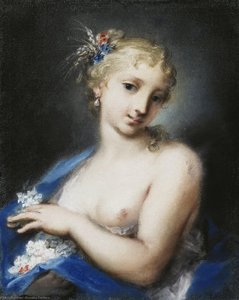
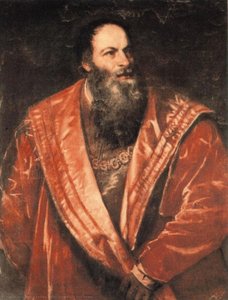
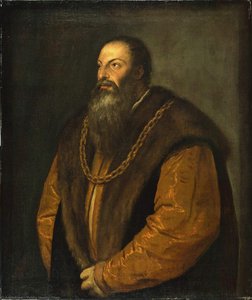
作家の略歴
初期の生涯と修行
ジャン=エティエンヌ・リオタールは、著名なジュネーブの画家であり、美術鑑定家、ディーラーでもありました。彼は1702年12月22日にスイスのジュネーブで生まれました。彼の両親はフランスのプロテスタントであり、1685年以降にジュネーブへ逃れてきました。リオタールの芸術的な道のりは、ダニエル・ガルデル教授とプチトーの指導のもと始まり、そこでは彼はエナメルやミニチュアを巧みに模写することで技術を磨き上げました。芸術家としてのキャリア
リオタールの旅は、パリ、ローマ、イスタンブール、ウィーンといった様々なヨーロッパの都へと彼を導き、そこで描かれた彼の肖像画は非常に高い需要を集めました。1725年にはパリでジャン=バティスト・マッセとフランソワ・ルモワンのもとで学んだのです。特にコンスタンティノープルでの日々(1738年~1742年)は彼の作品に大きな影響を与え、トルコの日常生活の場面を描いた数々のパステル画にそれが色濃く表れています。特筆すべき作品と様式
リオタールがパステルの技法を極めたことは、以下のような作品群から際立ってわかります。- 朝食のオランダの少女(紀元1756年頃、油彩、ライクスミュージアム)は、彼の多才さを示しています。
- ラ・リズーズ、チョコレートの少女、そしてドレスデンのギャラリーにあるラ・ベル・リオネーズは、彼の繊細なパステル画の傑作です。
- 七歳のマリア・フレデリケ・ファン・レーデ=アトローン(J.ポール・ゲティ美術館)は、彼の写実的な肖像画の証しと言えるでしょう。
晩年と遺産
リオタールの晩年は、自作の論考『絵画の原理と規則に関する論考』(1781年)の出版によって特徴づけられています。彼は、ジュネーブで1789年6月12日に息を引き取るその時まで、静物画や風景画を描き続けました。主な参照リンク:- ジャン=エティエンヌ・リオタール | ArtsDot.com (アーティストページ)
- ジャン=エティエンヌ・リオタール | Wikipedia
- トルコ風の衣装の女性 | ArtsDot.com (絵画)
美術館と所蔵コレクション
- ミュージアム・プライベート・コレクション(スイス、ジュネーブ)には、リオタールの印象的な作品群が展示されています。
- ジュネーブ美術館(スイス、ジュネーブ)には、リオタールのパステル画や素描の重要なコレクションが収蔵されています。
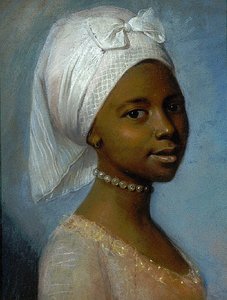
ジャン=エティエンヌ・リオタール
1702 - 1789 , スイス
プロフィール概要
- Artistic Movement Or Style: 牧歌主義
- Artists Or Movements Influenced By This Artist:
- ジャン=バティスト・マッセ
- フランソワ・ルモワン
- Artists Who Influenced This Artist:
- ダニエル・ガルデル
- プチトー
- Date Of Birth: 1702年12月22日
- Date Of Death: 1789年6月12日
- Full Name: ジャン=エティエンヌ・リオタール
- Nationality: スイス
- Notable Artworks:
- 朝食のオランダの少女
- ラ・リズーズ、チョコレートの少女
- マリア・フレデリケ・ファン・レーデ=アトローンが七歳
- Place Of Birth: ジュネーブ(スイス)

