

 プレビュー
プレビュー
 プリントを購入
 シェアする
シェアする シェアする
シェアする
 詳細を見る
詳細を見る

 ダウンロード
 似ている作品
 X線調査
X線調査 スライドショー
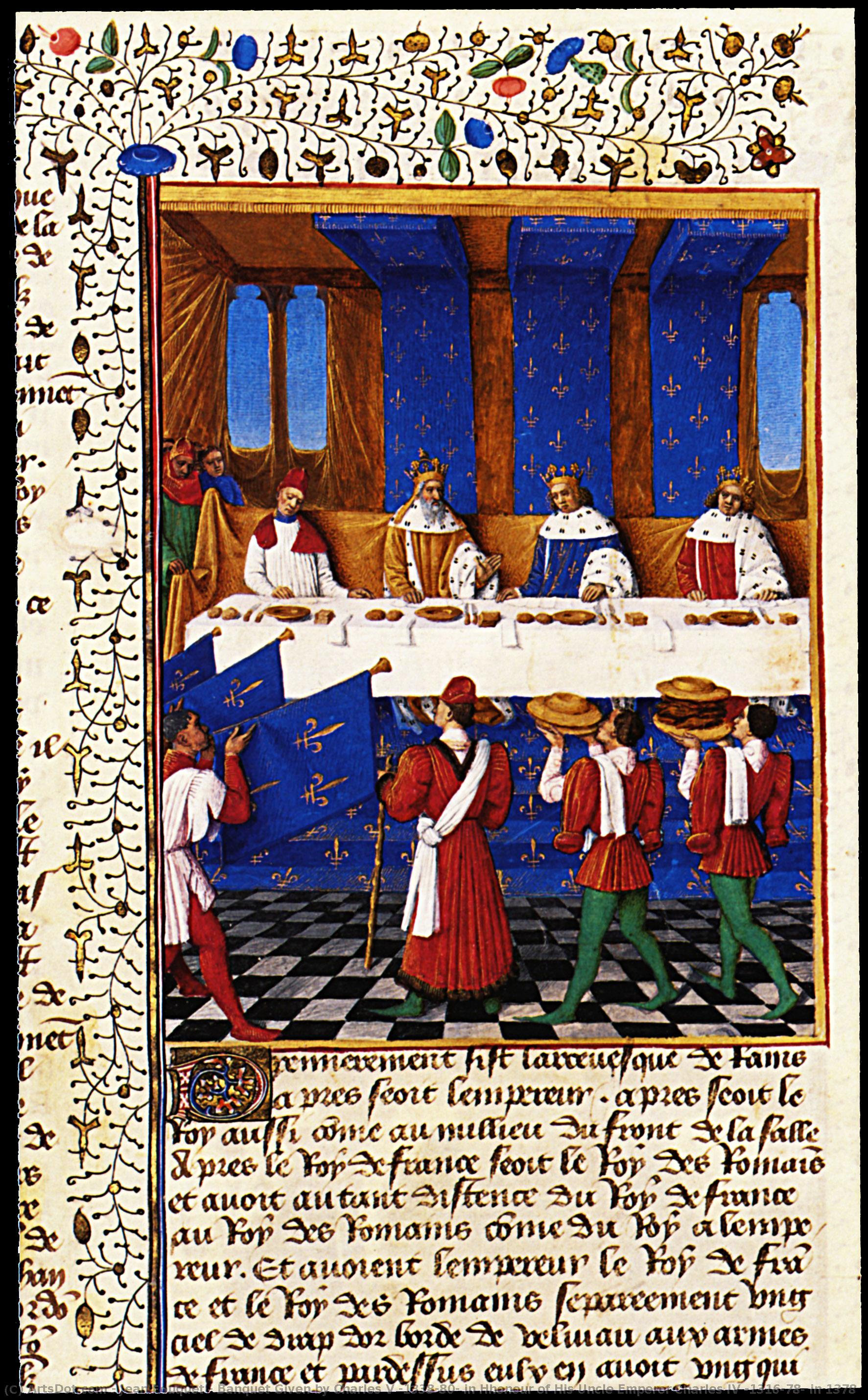
Banquet Given by Charles V (1338-80) in Hhonour of His Uncle Emperor Charles IV (1316-78) in 1378
 Manuscript
- WallArt
- Late Gothic
 1460
1460- Renaissance
 46.0 x 35.0 cm
 フランス国立図書館
 詳細を見る
詳細を見る




P118B $10

P118H $10

P118W $10

P438Z $10

P508JH $12

P508YH $12

P805H $10

P805Z $10

P919BZ $10

P919G $10

P919XJ $10

P959ZH $10

P968JZ $12

W106C $8

W218G $10

W218JH $8

W218Y $10

W307PJ $10

W316G $10

W316PJ $8

W316Y $10

W398PJ $8

W4111J $10

W500HY $15

W500JH $15

W692G $12

W849H $8

W940BG $15

W953PJ $8




作品のオリジナル比率に合わせた、当店の規定サイズからお選びください。

特定のフレームやスペースに合わせて、ご希望のサイズをご入力いただけます。選択されたサイズが元の画像の比率と異なる場合、アートワークをトリミングするか、手描きで要素を追加して絵画を拡張いたします。デジタルモックアップ を制作し、制作開始前にご確認(承認)をいただきます。
画面上のプレビューは、実際のトリミングや拡張を正確に反映しているものではありません。最終的な構図は、モックアップによってのみ正確にご確認いただけます。
カスタムサイズもご利用いただけますが、元の比率を維持するためには、あらかじめ用意されたリストからサイズを選択することをお勧めいたします。
ご注文後、ArtsDot.com チームより詳細な指示をお送りするとともに、仕上がりイメージ(モックアップ)をご提供いたします。


 ガラスオプションは、110cm未満のサイズでのみご利用いただけます。

Banquet Given by Charles V (1338-80) in Hhonour of His Uncle Emperor Charles IV (1316-78) in 1378
複製技法
複製画のサイズ
-


合計金額
$ 413
A Royal Tableau: The Splendor of Fouquet’s Medieval Feast
In the delicate, luminous world of Jean Fouquet’s Banquet Given by Charles V in Honour of His Uncle Emperor Charles IV, we are transported back to the year 1378, captured through a lens created around 1460. This exquisite illuminated manuscript illustration is far more than a mere historical record; it is a breathtaking window into the heart of the Northern Renaissance. As the eye wanders across the long, bountiful table, one is immediately struck by the sheer opulence of the scene. The composition, though retaining the charmingly flattened perspective characteristic of medieval manuscripts, achieves a profound sense of grandeur through the masterful layering of figures and objects. It is a moment frozen in time, where the clinking of goblets and the hushed whispers of royalty seem almost audible to the modern viewer.
Fouquet, a true pioneer of his era, performs a delicate dance between two worlds. In this work, we witness the graceful, decorative elegance of the Gothic tradition meeting the fresh, intellectual vigor of the Italian Renaissance. While the subject matter remains rooted in the ceremonial splendor of the French court, Fouquet’s technique whispers of new horizons. He employs meticulous hatching and cross-hatching to breathe life into the inanimate, creating textures so tactile that one can almost feel the heavy weight of the embroidered velvets, the cool smoothness of polished stone, and the organic grain of the wooden trestles. This synthesis of styles creates a visual language that is both familiar in its medieval charm and revolutionary in its burgeoning realism.
Symbolism and the Language of Power
Every brushstroke in this masterpiece serves a higher purpose, weaving a complex tapestry of political and social significance. For the discerning collector or historian, the painting is a treasure trove of symbolic cues designed to project legitimacy and prestige. The vibrant palette, dominated by regal blues and deep, passionate reds, is not merely an aesthetic choice but a deliberate assertion of authority and nobility. The abundance of food spread across the table acts as a potent metaphor for the prosperity and stability of the realm under the stewardship of Charles V.
The architectural elements surrounding the feast—the sturdy arches and structured geometries—symbolize the strength and permanence of the monarchy. Even the way light falls upon the assembled dignitaries, mimicking the soft, directional glow of candlelight, adds a layer of sacredness to the secular event. For an interior designer, this piece offers more than just decoration; it provides a focal point of historical gravity and intellectual depth. It is a work that commands attention, inviting contemplation on the nature of legacy, the weight of tradition, and the enduring allure of royal splendor.
An Enduring Legacy for the Modern Collector
To possess a reproduction of this Fouquet masterpiece is to invite a piece of European history into one's personal sanctuary. The emotional impact of the work lies in its ability to evoke nostalgia for an age of chivalry and meticulous craftsmanship. It serves as a bridge across centuries, connecting the sophisticated tastes of the 15th-century French court with the contemporary desire for art that possesses soul, narrative, and technical brilliance.
Whether placed in a grand library, a formal dining room, or a curated gallery space, this artwork acts as a conversation starter. It appeals to those who appreciate the fine details of manuscript illumination and those who seek to surround themselves with pieces that embody the transition from the medieval soul to the Renaissance mind. In every meticulously rendered fold of drapery and every carefully placed goblet, Fouquet’s genius remains an undiminished testament to the power of art to immortalize the triumphs of humanity.
関連作品


アーティストの略歴
二つの世界の架け橋:ジャン・フーケの芸術
1420年頃、フランスのトゥールに生を受けたジャン・フーケは、フランス絵画史において極めて重要でありながら、今なお議論の絶えない位置を占めています。彼は単なる「過渡期の画家」ではありませんでした。衰退しつつあったゴシック様式の優雅さと、胎動し始めたイタリア・ルネサンスの革新性を融合させ、後世に多大な影響を与える独自のフランス的視覚言語を築き上げた、ダイナミックな創造者だったのです。彼の初期の生涯については、今なお謎に包まれた部分が多く、かつてはベドフォード・マスターの下での修行説が有力でしたが、現在ではナントのジュヴナール・マスターの工房で基礎を学んだ可能性へと研究の焦点が移っています。しかし、その芸術的旅路が残した衝撃は否定しようもありません。フーケの物語は、単なる様式の変遷ではなく、15世紀ヨーロッパの変わりゆきゆく文化的潮流に対する、意図的かつ深い関わりそのものなのです。イタリアの残響とフランス的洗練
フーケの芸術的発展における決定的な瞬間は、1445年から1447年にかけてのイタリア滞在でした。これは単なる受動的な観察ではなく、彼の芸術的手法を根本から変容させた没入的な体験でした。ローマにおいて、彼はフラ・アンジェリコやフィラレーテといった巨匠たちの作品に触れ、クワトロチェント(15世紀)様式を定義づけ始めた遠近法の習熟、形態の明晰さ、そして自然主義的な表現を吸収していきました。しかし、フーケはこれらのイタリア的革新を単に模倣したわけではありません。彼はそれらを自身の芸術的感性というフィルターに通し、後期ゴシック美術の特徴である緻密なディテール、豊かな色彩、そして装飾的な華やかさと融合させたのです。この融合によって、驚くほどモダンでありながら、フランスの伝統に深く根ざした独自のスタイルが誕生しました。彼は単なる技法だけでなく、芸術がいかにして地位や信仰心、そして政治的正統性を伝える強力な道具となり得るかという深い洞察を持ち帰り、それをその後のキャリアを通じて見事に昇華させていきました。宮廷生活と精神的献身の傑作
フーケの芸術活動は、シャルル7世、エティエンヌ・シュヴァリエ、ギヨーム・ジュヴネル・デ・ウルサン、そして後のルイ11世といったフランス宮廷のパトロンたちと密接に結びついていました。この繋がりは、彼の最も名高い作品群の中に鮮明に描き出されています。1450年頃に制作された革新と優雅さの遺産
パネル画や写本の彩飾を超えて、フーケは「肖像ミニチュール」の先駆者としても知られています。これは極めて詳細に描かれた小規模な肖察画であり、持ち運びのしやすさと親密さを兼ね備えたものでした。この革新は絶大な人気を博し、数世紀にわたって後世の芸術家たちに影響を与え続けることになります。細部への執拗なまでのこだわり、優雅な構図、そして被写体に対する繊細な心理的洞察は、彼を同時代の画家たちから際立たせていました。彼は単に外見を記録していたのではありません。人物の性格、感情、そしてその本質を捉えようとしていたのです。ジャン・フーケの歴史的な重要性は、異なる芸術的影響を統合し、一貫性のある独自のフランス様式へと昇華させた能力にあります。彼はゴシックの洗練とルネサンスの自然主義を融合させた新しい美学を確立し、後世の芸術家たちの礎を築きました。二つの世界を繋いだ巨匠として、彼は今もなお、永遠の美と革新という遺産を残し続けています。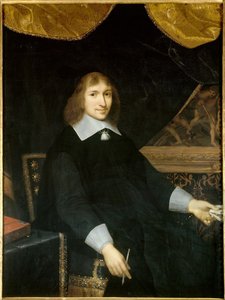
ジャン・フーケ
1420 - 1481 , フランス
基本情報
- Artistic Movement Or Style: 初期ルネサンス
- Artists Or Movements Influenced By This Artist: ['フランス・ルネサンス美術']
- Artists Who Influenced This Artist:
- フラ・アンジェリコ
- フィラレーテ
- Date Of Birth: 1420年頃
- Date Of Death: 1481年
- Full Name: ジャン・フーケ
- Nationality: フランス
- Notable Artworks:
- メルーンのディプティック
- 東方三博士の一人としてのシャルル7世
- エティエンヌ・シュヴァリエの時祷書
- Place Of Birth: フランス、トゥール
関連記事
High Medieval Art: 10 Masterpieces That Shaped an Era | ArtsDot
Journey through High Medieval Art! Explore 10 iconic masterpieces – from Giotto's frescoes to stunning Gothic cathedrals. Discover the stories behind these timeless paintings, sculptures & illuminated manuscripts. Find museum-quality art reproductions at ArtsDot.com.
Illuminating Faith & Power: A Journey Through Medieval Art (c. 500 – c. 1500)
Explore the rich history of Medieval Art (c. 500 – c. 1500) with ArtsDot. Discover Byzantine mosaics, Gothic cathedrals & Renaissance masterpieces. Expert insights & museum-quality reproductions.
Timeless Elegance: How to Integrate High Medieval Art into Your Modern Interior Design
Discover how to infuse your modern home with the divine light of High Medieval art. From gilded illuminated manuscripts to Gothic-inspired textures, learn expert tips for integrating timeless elegance and historical grandeur into contemporary interior design.
Late Medieval Masterpieces: 10 Artworks That Defined an Era | ArtsDot
Journey through 10 defining Late Medieval masterpieces – from Giotto's frescoes to Jan van Eyck’s realism. Explore the stories, techniques & vibrant colors of Gothic art. Find museum-quality reproductions and elevate your home decor with ArtsDot.com! Discover all masterpieces on ArtsDot.com
Early Medieval Art: 10 Masterpieces That Shaped a New World | ArtsDot
Journey through 10 stunning Early Medieval masterpieces – from the Book of Kells to Carolingian mosaics. Explore art history, symbolism & find museum-quality reproductions for your home at ArtsDot.com. Discover all masterpieces online!