

 プレビュー
プレビュー
 プリントを購入
 シェアする
シェアする シェアする
シェアする
 詳細を見る
詳細を見る

 ダウンロード
 似ている作品
 X線調査
X線調査 スライドショー
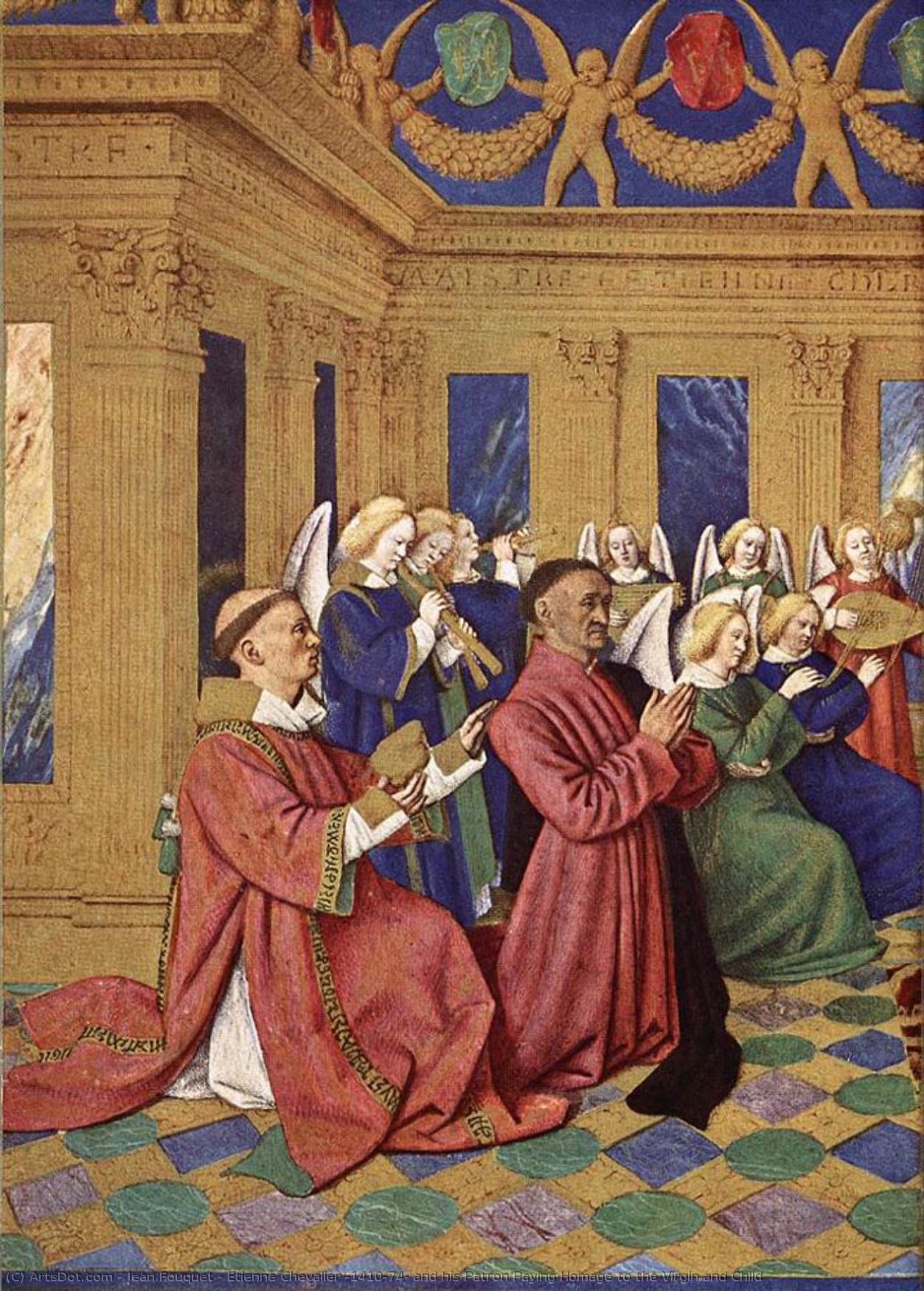
Etienne Chevalier (1410-74) and his Patron Paying Homage to the Virgin and Child
 Acrylic On Canvas
- WallArt
- Northern Renaissance
 1460
1460 17.0 x 12.0 cm
 Musée Condé
 詳細を見る
詳細を見る
オンラインプレビューをはるかに凌ぐ、高解像度で鮮明なデジタル画像をご購入いただけます。
各ファイルは、社内の専門家が高度なツールと熟練した手作業によるレタッチを用いて、細心の注意を払って準備されています。すべての画像において、卓越した鮮明度、正確な色彩再現性、そして繊細なディテールを保証いたします。
最終ファイルは、プロフェッショナルな編集・印刷環境ですぐにご利用いただけるよう最適化された状態で、72時間以内にメールにてお届けいたします。これは、一流のデザインスタジオ、出版社、ギャラリーから信頼されているものと同等の品質です。
デジタル画像のご注文に付随する特典
高品質なデジタル画像配信を、確かな品質で。
ArtsDot.com を選ぶことは、単に画像を手に入れることではありません。それは、プロの手によって精密に仕上げられ、満足保証が付いた高品質なデジタルアートワークを受け取ることを意味します。ご注文いただいた際に自動的に付随する内容は、以下の通りです:

メールですぐにお届け
ご注文から72時間以内に、高解像度のデジタル画像ファイルがメールでお手元に届きます。すぐにそのままご利用いただけます。

AI技術で最適化されたデジタルファイル
お客様の作品は、高度なAIツールと専門家による手作業の編集を組み合わせてプロフェッショナルに最適化されており、細部のディテール、鮮明さ、そして正確な色再現性を最大限に引き出しています。

一生涯無料の再送サービス
ファイルを誤って削除したり、紛失してしまったりしましたか?ご安心ください。いつでも無料で再送いたします。

輸入手数料は一切かかりません
関税や手数料、配送料を気にすることなく、お気に入りのアートワークをすぐにお楽しみいただけます。デジタルダウンロードは常に免税です。

色彩再現の保証
プロ仕様のツールとカラーマネジメント技術を用いることで、デジタル画像が元の色を最大限に忠実に再現することを保証いたします。

60日間満足保証
ご購入いただいたデジタル画像にご満足いただけない場合は、60日以内であれば、修正または100%の返金(理由を問う必要はありません)をさせていただきます。

100% 返金保証
ご満足いただけない場合は、デジタルファイルを受け取ってから60日以内であれば、理由を問わず全額返金いたします。

まとめ買い割引
3枚購入で10%OFF - 5枚購入で15%OFF - 10枚以上購入で20%OFF。クリエイティブなプロジェクト、ギャラリー、エージェンシーに最適です。
A Window into Fourteenth-Century Faith: Etienne Chevalier and His Patron
Jean Fouquet’s “Etienne Chevalier (1410-74) and his Patron Paying Homage to the Virgin and Child,” painted around 1460, isn't merely a devotional scene; it’s a meticulously crafted tableau of piety, power, and the burgeoning artistic dialogue between France and Italy. This small panel, measuring just 17 x 12 centimeters, offers an intimate glimpse into the world of a wealthy nobleman and his spiritual advisors during a period of profound social and cultural transformation. The painting depicts Etienne Chevalier, a prominent figure in Burgundian politics, kneeling alongside his patron before the Virgin Mary holding the Christ Child. The scene unfolds within a richly decorated chamber, hinting at both earthly comfort and divine grace.
Fouquet’s genius lies not just in his technical skill—evident in the delicate rendering of fabrics, the subtle modeling of faces, and the vibrant use of color—but also in his ability to synthesize diverse artistic influences. He was a master of detail, a trait inherited from his Flemish training, yet he infused his work with a distinctly French sensibility. Notice how the figures are rendered with a remarkable degree of realism, capturing not just their physical appearance but also their emotional states – a quiet reverence, a humble supplication. The use of light and shadow creates a sense of depth and atmosphere, drawing the viewer into the intimate space of the scene.
The Language of Devotion: Symbolism and Iconography
The composition is laden with symbolic meaning. The red robes worn by Etienne Chevalier and his patron signify their status and wealth, while also subtly referencing the blood of Christ – a potent reminder of sacrifice and redemption. The Virgin Mary’s pose, echoing traditional depictions of the Pietà, emphasizes her role as intercessor between humanity and God. The angels flanking the scene are not simply decorative elements; they represent divine guidance and protection. The checkered floor beneath them is a recurring motif in Fouquet's work, often interpreted as symbolizing the earthly realm and its inherent imperfections.
The inclusion of the three angels, positioned strategically around the central figures, elevates the scene to a higher plane of spiritual significance. Their presence suggests a direct connection between the earthly world and the divine realm, reinforcing the painting’s message of faith and devotion. The overall arrangement is carefully balanced, creating a harmonious composition that reflects the ideals of medieval art – a blend of beauty, piety, and symbolic representation.
A Bridge Between Worlds: Fouquet's Artistic Journey
Jean Fouquet’s life story is as fascinating as his artwork. Born around 1420 in Tours, France, he was a man of many talents – a painter, miniaturist, and even a skilled portraitist. His early career likely involved apprenticeship under the enigmatic Bedford Master, but it was his sojourn to Italy between 1444 and 1448 that profoundly shaped his artistic development. During this period, he encountered the innovations of Italian Renaissance painting – particularly the realism and naturalism championed by Masaccio and other masters – which he skillfully integrated into his own distinctive style.
Returning to France, Fouquet became a sought-after artist for wealthy patrons, including Etienne Chevalier, whose commission for this devotional panel exemplifies the growing demand for sophisticated artwork in the 15th century. His work reflects the complex cultural currents of the time – a synthesis of Flemish realism, Italian Renaissance ideals, and traditional French artistic conventions. He stands as a pivotal figure in the transition from Gothic to Renaissance art in France, bridging the gap between two distinct artistic traditions.
Collecting the Essence: Reproduction and Artistic Legacy
Reproducing this exquisite panel captures not only its visual beauty but also the spirit of its time. The meticulous detail, vibrant colors, and profound symbolism are faithfully recreated in our high-quality reproductions. Whether displayed in a private study or incorporated into a larger collection, this artwork offers a tangible connection to the artistic legacy of Jean Fouquet – a master who dared to blend diverse influences and create a uniquely French visual language.
Consider how this piece would complement your existing décor—its rich colors and intricate details adding depth and sophistication to any space. More than just an image, it’s a window into the heart of 15th-century France, inviting contemplation and inspiring a deeper appreciation for the power of art to transcend time.
関連作品

作家の略歴
二つの世界の架け橋:ジャン・フーケの芸術
1420年頃、フランスのトゥールに生を受けたジャン・フーケは、フランス絵画史において極めて重要でありながら、今なお議論の絶えない位置を占めています。彼は単なる「過渡期の画家」ではありませんでした。衰退しつつあったゴシック様式の優雅さと、胎動し始めたイタリア・ルネサンスの革新性を融合させ、後世に多大な影響を与える独自のフランス的視覚言語を築き上げた、ダイナミックな創造者だったのです。彼の初期の生涯については、今なお謎に包まれた部分が多く、かつてはベドフォード・マスターの下での修行説が有力でしたが、現在ではナントのジュヴナール・マスターの工房で基礎を学んだ可能性へと研究の焦点が移っています。しかし、その芸術的旅路が残した衝撃は否定しようもありません。フーケの物語は、単なる様式の変遷ではなく、15世紀ヨーロッパの変わりゆきゆく文化的潮流に対する、意図的かつ深い関わりそのものなのです。イタリアの残響とフランス的洗練
フーケの芸術的発展における決定的な瞬間は、1445年から1447年にかけてのイタリア滞在でした。これは単なる受動的な観察ではなく、彼の芸術的手法を根本から変容させた没入的な体験でした。ローマにおいて、彼はフラ・アンジェリコやフィラレーテといった巨匠たちの作品に触れ、クワトロチェント(15世紀)様式を定義づけ始めた遠近法の習熟、形態の明晰さ、そして自然主義的な表現を吸収していきました。しかし、フーケはこれらのイタリア的革新を単に模倣したわけではありません。彼はそれらを自身の芸術的感性というフィルターに通し、後期ゴシック美術の特徴である緻密なディテール、豊かな色彩、そして装飾的な華やかさと融合させたのです。この融合によって、驚くほどモダンでありながら、フランスの伝統に深く根ざした独自のスタイルが誕生しました。彼は単なる技法だけでなく、芸術がいかにして地位や信仰心、そして政治的正統性を伝える強力な道具となり得るかという深い洞察を持ち帰り、それをその後のキャリアを通じて見事に昇華させていきました。宮廷生活と精神的献身の傑作
フーケの芸術活動は、シャルル7世、エティエンヌ・シュヴァリエ、ギヨーム・ジュヴネル・デ・ウルサン、そして後のルイ11世といったフランス宮廷のパトロンたちと密接に結びついていました。この繋がりは、彼の最も名高い作品群の中に鮮明に描き出されています。1450年頃に制作された革新と優雅さの遺産
パネル画や写本の彩飾を超えて、フーケは「肖像ミニチュール」の先駆者としても知られています。これは極めて詳細に描かれた小規模な肖察画であり、持ち運びのしやすさと親密さを兼ね備えたものでした。この革新は絶大な人気を博し、数世紀にわたって後世の芸術家たちに影響を与え続けることになります。細部への執拗なまでのこだわり、優雅な構図、そして被写体に対する繊細な心理的洞察は、彼を同時代の画家たちから際立たせていました。彼は単に外見を記録していたのではありません。人物の性格、感情、そしてその本質を捉えようとしていたのです。ジャン・フーケの歴史的な重要性は、異なる芸術的影響を統合し、一貫性のある独自のフランス様式へと昇華させた能力にあります。彼はゴシックの洗練とルネサンスの自然主義を融合させた新しい美学を確立し、後世の芸術家たちの礎を築きました。二つの世界を繋いだ巨匠として、彼は今もなお、永遠の美と革新という遺産を残し続けています。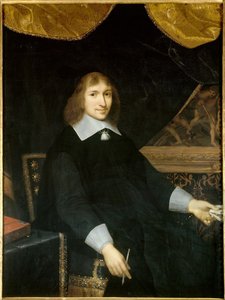
ジャン・フーケ
1420 - 1481 , フランス
プロフィール概要
- Artistic Movement Or Style: 初期ルネサンス
- Artists Or Movements Influenced By This Artist: ['フランス・ルネサンス美術']
- Artists Who Influenced This Artist:
- フラ・アンジェリコ
- フィラレーテ
- Date Of Birth: 1420年頃
- Date Of Death: 1481年
- Full Name: ジャン・フーケ
- Nationality: フランス
- Notable Artworks:
- メルーンのディプティック
- 東方三博士の一人としてのシャルル7世
- エティエンヌ・シュヴァリエの時祷書
- Place Of Birth: フランス、トゥール

