

 プレビュー
プレビュー
 シェアする
シェアする シェアする
シェアする
 詳細を見る
詳細を見る

 ダウンロード
 似ている作品
 X線調査
X線調査 スライドショー
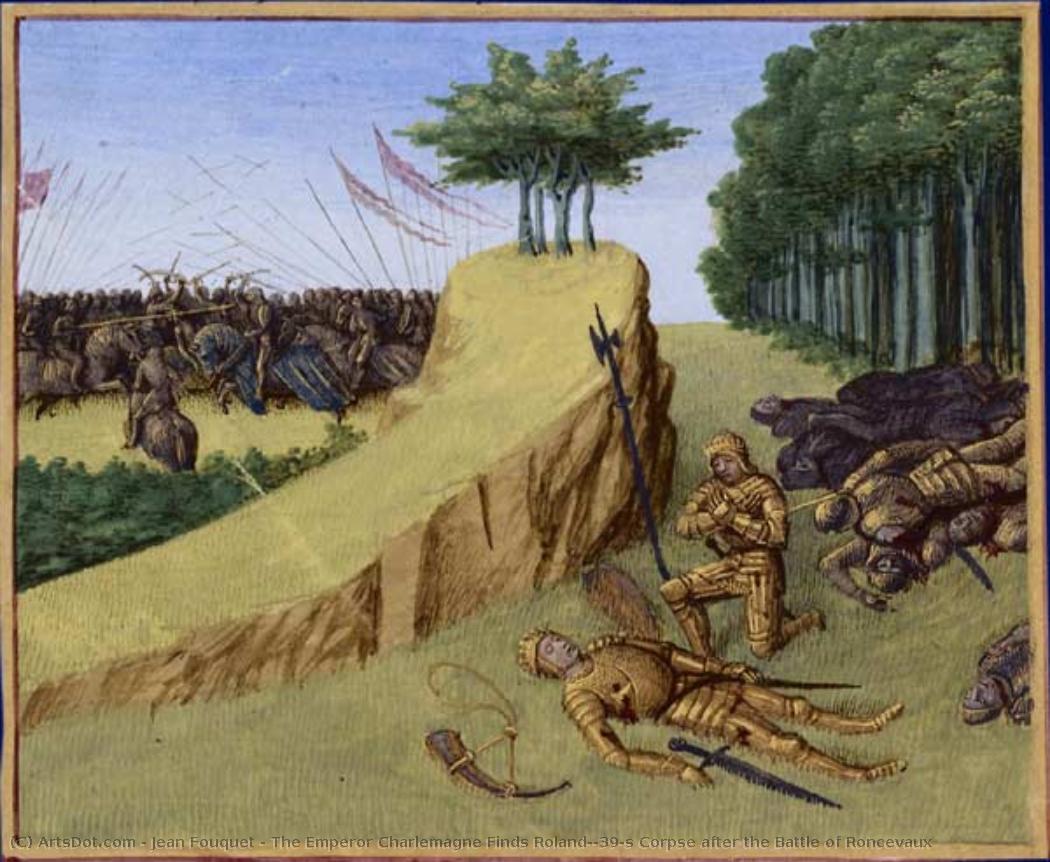
The Emperor Charlemagne Finds Roland's Corpse after the Battle of Roncevaux


 詳細を見る
詳細を見る
ジークレー/アートプリント
迅速な制作と多彩な仕上げオプションを備えた、ミュージアムクオリティのジークレーまたはキャンバスプリント。 ( 手描きの絵画を購入 画像を購入)




P118B $10

P118H $10

P118W $10

P438Z $10

P508JH $12

P508YH $12

P805H $10

P805Z $10

P919BZ $10

P919G $10

P919XJ $10

P959ZH $10

P968JZ $12

W106C $8

W218G $10

W218JH $8

W218Y $10

W307PJ $10

W316G $10

W316PJ $8

W316Y $10

W398PJ $8

W4111J $10

W500HY $15

W500JH $15

W692G $12

W849H $8

W940BG $15

W953PJ $8




作品のオリジナル比率に合わせた、当店の規定サイズからお選びください。

特定のフレームやスペースに合わせて、ご自身でサイズを指定することも可能です。選択されたサイズが元の画像の比率と一致しない場合、作品をトリミングするか、鏡面反射または単色での塗りつぶしによって画像を拡張いたします。制作を開始する前に、ご確認用のデジタルモックアップをお送りいたします。
画面上のプレビューには、実際のトリミングや拡張は反映されませんのでご注意ください。最終的な構図を正確に確認できるのは、モックアップのみとなります。
カスタムサイズも承っておりますが、元の比率を維持するためには、あらかじめ用意されたリストからサイズを選択することをお勧めいたします。


 ガラスオプションは、110cm未満のサイズでのみご利用いただけます。

The Emperor Charlemagne Finds Roland's Corpse after the Battle of Roncevaux
ジークレー/アートプリント
複製画のサイズ
-


合計金額
$ 62
Jean Fouquet’s “The Emperor Charlemagne Finds Roland’s Corpse” – A Bridge Between Worlds
Jean Fouquet's "The Emperor Charlemagne Finds Roland’s Corpse after the Battle of Roncevaux," painted around 1460, isn’t merely a depiction of a pivotal moment in French history; it’s a profound meditation on loss, duty, and the precarious nature of power. Executed in tempera on vellum—a technique favored for its luminosity and archival qualities—the painting transcends simple historical record to become a deeply resonant work of art, embodying the transitional spirit of 15th-century France. Fouquet, born around 1420 in Tours, navigated a fascinating crossroads of artistic influences, absorbing the elegant formality of the late Gothic style while simultaneously embracing the burgeoning innovations arriving from Italy – a synthesis that would define his unique and remarkably influential oeuvre.
The scene itself is brutally immediate. Charlemagne, rendered with a dignified sorrow, kneels beside the lifeless body of Roland, his legendary champion, whose armor lies scattered across the battlefield. The composition isn’t one of heroic triumph; instead, it's steeped in melancholy and the stark reality of defeat. Fouquet masterfully employs a limited palette—primarily ochres, blues, and browns—to evoke the grimness of the aftermath. Notice how he doesn’t shy away from depicting the details of Roland’s wounds, emphasizing the brutal cost of valor. The figures surrounding Charlemagne – soldiers, messengers, and attendants – are rendered with a remarkable degree of psychological depth, each conveying a distinct reaction to the tragedy. This attention to individual emotion was a hallmark of Fouquet's style, setting him apart from many of his contemporaries.
A Renaissance Echo in a Gothic Frame
While firmly rooted in the traditions of French painting, “The Emperor Charlemagne Finds Roland’s Corpse” reveals a clear engagement with the artistic currents sweeping across Italy during that period. Fouquet's travels to Florence and Rome exposed him to the innovations of artists like Fra Angelico and Filarete – masters of tempera who emphasized naturalism, atmospheric perspective, and a heightened sense of realism. The painting’s composition, reminiscent of Italian panel paintings, demonstrates this influence. The use of light and shadow is particularly noteworthy, creating a dramatic interplay that draws the viewer's eye to the central figures. However, Fouquet doesn’t simply mimic Italian techniques; he adapts them to his own artistic vision, imbuing the scene with a distinctly French sensibility.
The choice of vellum as the support is significant. Vellum, derived from calfskin, was prized for its smoothness and durability – qualities that allowed Fouquet to achieve remarkable detail in his rendering. The delicate brushwork and meticulous attention to texture are evident throughout the painting, particularly in the depiction of Roland’s armor and the folds of Charlemagne's robes. This level of technical skill speaks volumes about Fouquet’s mastery as a painter.
Symbolism and the Weight of Legacy
Beyond its historical subject matter, “The Emperor Charlemagne Finds Roland’s Corpse” is rich in symbolism. Roland, the valiant knight who refused to yield despite being surrounded by overwhelming forces, represents the ideals of chivalry, courage, and loyalty. His death serves as a poignant reminder of the sacrifices demanded by duty and honor. Charlemagne's grief underscores the weight of leadership – the responsibility for protecting his realm and mourning its losses. The battlefield itself becomes a metaphor for the fragility of power and the inevitability of mortality.
The painting’s emotional impact is profound. It’s not a celebration of victory, but rather an exploration of sorrow, loss, and the enduring legacy of heroes. Fouquet's ability to convey such complex emotions through his masterful use of color, composition, and detail is truly remarkable. The image resonates with viewers centuries later, prompting reflection on themes of sacrifice, leadership, and the human condition.
A Reproduction Worth Cherishing
Reproductions of “The Emperor Charlemagne Finds Roland’s Corpse” offer a wonderful opportunity to bring this extraordinary work of art into your home or office. Available in various framing options – from simple stretched canvas to museum-quality prints on archival paper – you can select the presentation that best suits your style and space. Consider a hand-painted reproduction, meticulously crafted by skilled artisans who emulate Fouquet’s techniques with remarkable accuracy. This ensures an authentic representation of this pivotal moment in French history, capturing not only the visual details but also the emotional depth and artistic brilliance of Jean Fouquet's masterpiece.
関連作品

アーティストの略歴
二つの世界の架け橋:ジャン・フーケの芸術
1420年頃、フランスのトゥールに生を受けたジャン・フーケは、フランス絵画史において極めて重要でありながら、今なお議論の絶えない位置を占めています。彼は単なる「過渡期の画家」ではありませんでした。衰退しつつあったゴシック様式の優雅さと、胎動し始めたイタリア・ルネサンスの革新性を融合させ、後世に多大な影響を与える独自のフランス的視覚言語を築き上げた、ダイナミックな創造者だったのです。彼の初期の生涯については、今なお謎に包まれた部分が多く、かつてはベドフォード・マスターの下での修行説が有力でしたが、現在ではナントのジュヴナール・マスターの工房で基礎を学んだ可能性へと研究の焦点が移っています。しかし、その芸術的旅路が残した衝撃は否定しようもありません。フーケの物語は、単なる様式の変遷ではなく、15世紀ヨーロッパの変わりゆきゆく文化的潮流に対する、意図的かつ深い関わりそのものなのです。イタリアの残響とフランス的洗練
フーケの芸術的発展における決定的な瞬間は、1445年から1447年にかけてのイタリア滞在でした。これは単なる受動的な観察ではなく、彼の芸術的手法を根本から変容させた没入的な体験でした。ローマにおいて、彼はフラ・アンジェリコやフィラレーテといった巨匠たちの作品に触れ、クワトロチェント(15世紀)様式を定義づけ始めた遠近法の習熟、形態の明晰さ、そして自然主義的な表現を吸収していきました。しかし、フーケはこれらのイタリア的革新を単に模倣したわけではありません。彼はそれらを自身の芸術的感性というフィルターに通し、後期ゴシック美術の特徴である緻密なディテール、豊かな色彩、そして装飾的な華やかさと融合させたのです。この融合によって、驚くほどモダンでありながら、フランスの伝統に深く根ざした独自のスタイルが誕生しました。彼は単なる技法だけでなく、芸術がいかにして地位や信仰心、そして政治的正統性を伝える強力な道具となり得るかという深い洞察を持ち帰り、それをその後のキャリアを通じて見事に昇華させていきました。宮廷生活と精神的献身の傑作
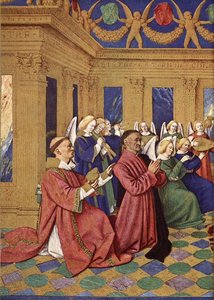
フーケの芸術活動は、シャルル7世、エティエンヌ・シュヴァリエ、ギヨーム・ジュヴネル・デ・ウルサン、そして後のルイ11世といったフランス宮廷のパトロンたちと密接に結びついていました。この繋がりは、彼の最も名高い作品群の中に鮮明に描き出されています。1450年頃に制作された革新と優雅さの遺産
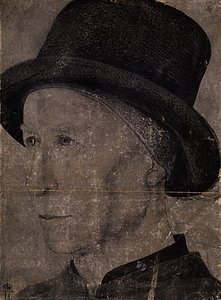
パネル画や写本の彩飾を超えて、フーケは「肖像ミニチュール」の先駆者としても知られています。これは極めて詳細に描かれた小規模な肖察画であり、持ち運びのしやすさと親密さを兼ね備えたものでした。この革新は絶大な人気を博し、数世紀にわたって後世の芸術家たちに影響を与え続けることになります。細部への執拗なまでのこだわり、優雅な構図、そして被写体に対する繊細な心理的洞察は、彼を同時代の画家たちから際立たせていました。彼は単に外見を記録していたのではありません。人物の性格、感情、そしてその本質を捉えようとしていたのです。ジャン・フーケの歴史的な重要性は、異なる芸術的影響を統合し、一貫性のある独自のフランス様式へと昇華させた能力にあります。彼はゴシックの洗練とルネサンスの自然主義を融合させた新しい美学を確立し、後世の芸術家たちの礎を築きました。二つの世界を繋いだ巨匠として、彼は今もなお、永遠の美と革新という遺産を残し続けています。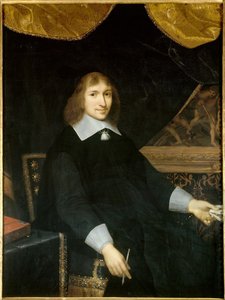
ジャン・フーケ
1420 - 1481 , フランス
基本情報
- Artistic Movement Or Style: 初期ルネサンス
- Artists Or Movements Influenced By This Artist: ['フランス・ルネサンス美術']
- Artists Who Influenced This Artist:
- フラ・アンジェリコ
- フィラレーテ
- Date Of Birth: 1420年頃
- Date Of Death: 1481年
- Full Name: ジャン・フーケ
- Nationality: フランス
- Notable Artworks:
- メルーンのディプティック
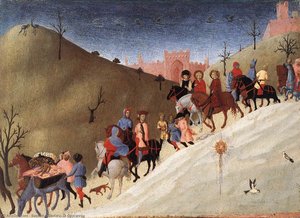
- 東方三博士の一人としてのシャルル7世
- エティエンヌ・シュヴァリエの時祷書
- Place Of Birth: フランス、トゥール
関連記事
Émile Jean Horace Vernet: Romantic Realism & Depicting 19th-Century Life
Explore the life & art of Émile Jean Horace Vernet, a master of Romantic Realism. Discover his captivating battle scenes, portraits, and Orientalist works – a window into 19th-century France. Learn about his techniques & enduring legacy.
Yvonne Jean Haffen: A Breton Vision of Post-War Abstraction
Discover the captivating world of Yvonne Jean Haffen, a leading figure in post-war French abstraction. Explore her unique style, vibrant color palettes, and investment potential with ArtsDot.
Jean-Louis Forain: Capturing Parisian Life with Wit & Realism
Explore the captivating world of Jean-Louis Forain, a master Impressionist chronicler of Belle Époque Paris. Discover his satirical paintings, realistic scenes & lasting legacy. Learn about collecting Forain's art today!
Jean-Baptiste Carpeaux: Sculpting Passion & Controversy in 19th-Century France
Explore the passionate life & controversial works of Jean-Baptiste Carpeaux, a leading French sculptor of the Second Empire. Discover his realism, iconic sculptures like 'Ugolino,' and lasting legacy as a precursor to Rodin.
Jean-Baptiste Pater: Rococo Charm & Ephemeral Beauty of 18th-Century France
Explore the captivating world of Jean-Baptiste Pater, a master of Rococo painting. Discover his elegant *fête galante* scenes and shimmering portraits – a glimpse into 18th-century French aristocracy. Learn about his legacy & find high-quality reproductions.

