

 プレビュー
プレビュー
 シェアする
シェアする シェアする
シェアする
 詳細を見る
詳細を見る

 ダウンロード
 似ている作品
 X線調査
X線調査 スライドショー
 統計情報
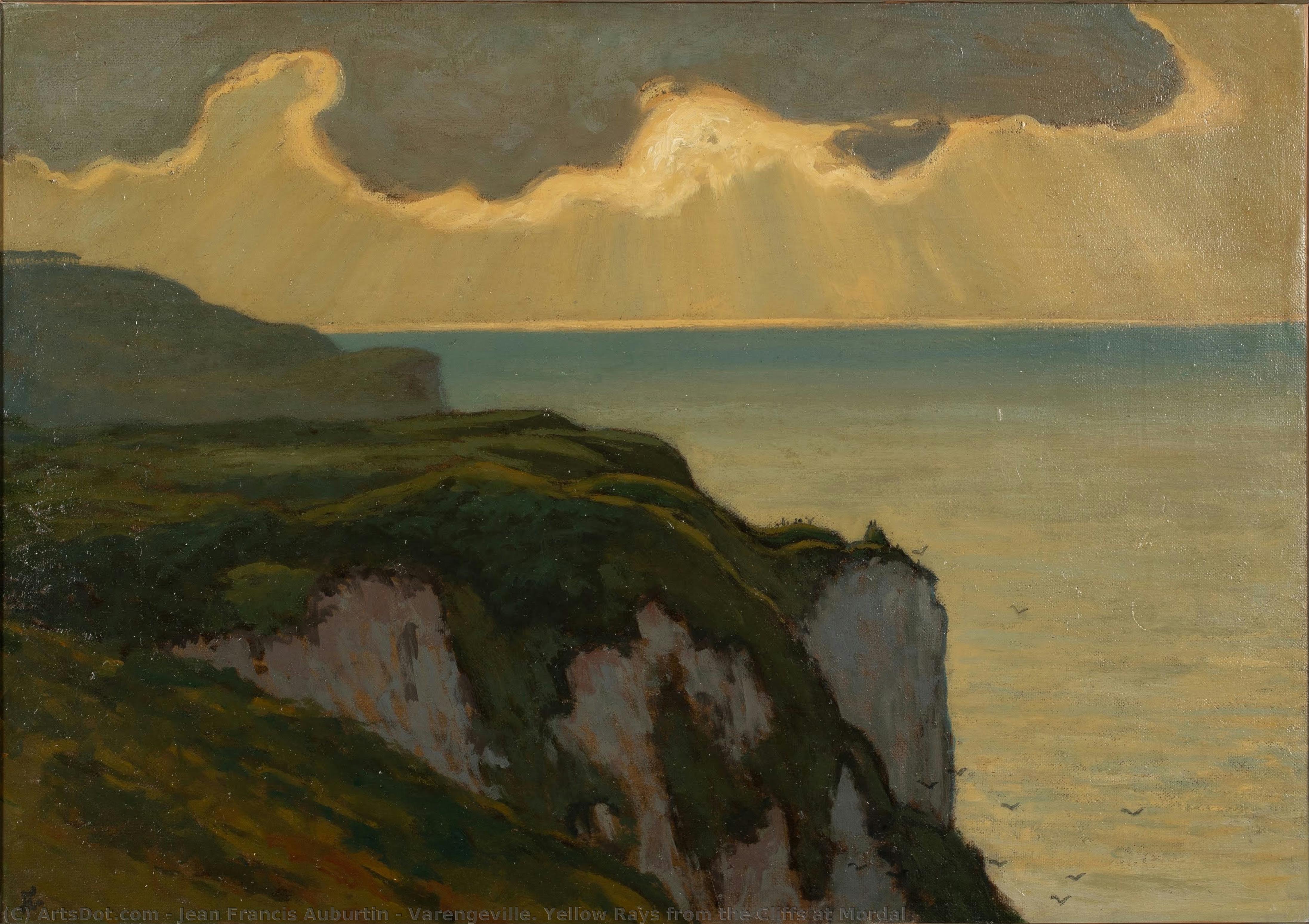
統計情報Varengeville. Yellow Rays from the Cliffs at Mordal


 詳細を見る
詳細を見る
オンラインプレビューをはるかに凌ぐ、高解像度で鮮明なデジタル画像をご購入いただけます。
各ファイルは、社内の専門家が高度なツールと熟練した手作業によるレタッチを用いて、細心の注意を払って準備されています。すべての画像において、卓越した鮮明度、正確な色彩再現性、そして繊細なディテールを保証いたします。
最終ファイルは、プロフェッショナルな編集・印刷環境ですぐにご利用いただけるよう最適化された状態で、72時間以内にメールにてお届けいたします。これは、一流のデザインスタジオ、出版社、ギャラリーから信頼されているものと同等の品質です。
デジタルアート
個人での鑑賞、印刷、クリエイティブなプロジェクト用に、高解像度ファイルをダウンロードできます。 ( プリント版に切り替え 手描きの絵画を購入)
デジタル画像のご注文に付随する特典
高品質なデジタル画像配信を、確かな品質で。
ArtsDot.com を選ぶことは、単に画像を手に入れることではありません。それは、プロの手によって精密に仕上げられ、満足保証が付いた高品質なデジタルアートワークを受け取ることを意味します。ご注文いただいた際に自動的に付随する内容は、以下の通りです:

メールですぐにお届け
ご注文から72時間以内に、高解像度のデジタル画像ファイルがメールでお手元に届きます。すぐにそのままご利用いただけます。

AI技術で最適化されたデジタルファイル
お客様の作品は、高度なAIツールと専門家による手作業の編集を組み合わせてプロフェッショナルに最適化されており、細部のディテール、鮮明さ、そして正確な色再現性を最大限に引き出しています。

一生涯無料の再送サービス
ファイルを誤って削除したり、紛失してしまったりしましたか?ご安心ください。いつでも無料で再送いたします。

輸入手数料は一切かかりません
関税や手数料、配送料を気にすることなく、お気に入りのアートワークをすぐにお楽しみいただけます。デジタルダウンロードは常に免税です。

色彩再現の保証
プロ仕様のツールとカラーマネジメント技術を用いることで、デジタル画像が元の色を最大限に忠実に再現することを保証いたします。

100日間満足保証
ご購入いただいたデジタル画像にご満足いただけない場合は、100日以内であれば、理由を問わず修正または100%の返金対応をさせていただきます。

100% 返金保証
ご満足いただけない場合は、デジタルファイルを受け取ってから100日以内であれば、理由を問わず全額返金いたします。

まとめ買い割引
3枚購入で10%OFF - 5枚購入で15%OFF - 10枚以上購入で20%OFF。クリエイティブなプロジェクト、ギャラリー、エージェンシーに最適です。
A Symphony of Light and Stone
In the evocative masterpiece Varengeville. Yellow Rays from the Cliffs at Mordal, Jean Francis Auburtin invites us into a moment of profound atmospheric transcendence. The painting captures a breathtaking vista of the Normandy coastline, where the rugged majesty of the Mordal cliffs meets the infinite expanse of the Atlantic Ocean. As the sun pierces through a dramatic canopy of clouds, it casts radiant, golden beams across the landscape, illuminating the textures of the earth and sea with a celestial glow. This interplay of light and shadow creates a sense of deep movement; even the small silhouettes of birds drifting in the upper corner serve to animate the sky, reminding the viewer of the living, breathing pulse of the natural world.
The composition is masterfully balanced, utilizing the sheer scale of the cliffs to anchor the viewer's gaze before allowing it to wander toward the distant, hazy horizon. There is a palpable sense of depth achieved through Auburtin’s delicate handling of perspective, where the heavy shadows cast by the coastal precipices contrast sharply with the luminous, sun-drenched patches of the ocean below. For an interior designer or collector, this piece offers a commanding presence, acting as a window into a serene yet powerful realm that can transform a room into a sanctuary of contemplative calm.
The Legacy of the Normandy Coast
To understand the soul of this work, one must look to the historical landscape that birthed it. Auburtin’s connection to Varengeville was deeply personal; after arriving in 1904 and establishing his home there by 1907, the region became his primary muse. He walked these very cliffs with the same reverence as Claude Monet, who had previously immortalized these same motifs decades earlier. While Monet sought to capture the fleeting, scientific variations of light through the lens of Impressionism, Auburtin moved toward a more symbolic and simplified aesthetic. His work represents a beautiful evolution of the French landscape tradition, where the focus shifts from mere optical accuracy to an emotional resonance found in the "moment when the sun crowns the clouds."
This painting serves as a bridge between the Impressionist movement and the burgeoning Symbolist sensibilities of the early 20th century. Auburtin’s technique favors softer tones and a refined texture that avoids the frantic brushwork of his predecessors in favor of a more harmonious, unified atmosphere. The result is a piece that feels less like a snapshot of a moment and more like a memory of a feeling—a timeless depiction of nature's grandeur that continues to captivate the modern eye.
An Invitation to Serenity
For those seeking to curate an environment of elegance and inspiration, this reproduction offers much more than mere decoration. It is an invitation to stillness. The warm palette of yellows, golds, and soft blues evokes a sense of warmth and optimism, making it an ideal centerpiece for sophisticated living spaces, quiet study areas, or luxury suites. The emotional impact of the work lies in its ability to evoke the sublime—that rare feeling of being small yet connected to the vastness of the universe.
Owning a hand-painted reproduction of such a significant work allows the collector to bring the enduring spirit of the French coast into their own home. It is a piece that rewards long periods of observation, revealing new nuances in the light and shadow each time it is viewed, ensuring that it remains a cornerstone of any curated art collection for years to come.
関連作品
作家の略歴
Jean-Francis Auburtin: A Painter of Coastal Dreams
Jean-Francis Auburtin (1866-1930) remains a captivating figure in French art, often described as a painter who captured the very soul of the Normandy and Brittany coastlines. More than simply depicting landscapes, he created immersive experiences—a blend of Impressionism, Symbolism, and a deep connection to the natural world that continues to resonate with viewers today. His work is characterized by a luminous quality, a masterful use of light and color, and an almost palpable sense of atmosphere, inviting the viewer into the heart of his painted scenes.
Born in Paris, Auburtin’s early life was steeped in artistic influence. His father, Emile Auburtin, was an architect who introduced him to the world of design and construction, while his mother, Louise Jeanne Marion, provided a grounding in classical aesthetics. Crucially, he encountered the work of Claude Monet during his studies at the École des Beaux-Arts, an encounter that profoundly shaped his artistic trajectory. Monet’s emphasis on capturing fleeting moments of light and color—a revolutionary approach at the time—became a cornerstone of Auburtin's own practice. He also found inspiration in the Symbolist movement, particularly its exploration of subjective experience and the evocative power of nature.
Early Career & Decorative Commissions
Following his formal training, Auburtin initially pursued a career as a decorator, a path that proved both lucrative and creatively fulfilling. He quickly gained recognition for his ability to transform public spaces with elegant and atmospheric designs. He was commissioned to adorn the ceiling of the Sorbonne’s dining room, the university's zoology amphitheater, and even the prestigious Salle des Colonnes at the Conseil d’État. These commissions demanded a sophisticated understanding of color theory, composition, and spatial design—skills that undoubtedly informed his later work as a landscape painter.
However, Auburtin never abandoned his passion for painting *en plein air*. He meticulously documented his travels along the French coast, creating hundreds of sketches and studies that served as the foundation for his finished paintings. These journeys were not merely excursions; they were deeply personal explorations of light, color, and the rhythms of the sea.
The Language of Light & Color
Auburtin’s distinctive style is immediately recognizable by his masterful manipulation of light and color. He eschewed sharp outlines and precise details in favor of a hazy, atmospheric approach—a technique he honed through years of observing the shifting conditions of the coastline. His palette was rich and luminous, dominated by blues, greens, and golds, often layered with delicate washes of pastel to create an ethereal effect. He frequently employed a technique known as *pointillé*, using small, closely spaced brushstrokes to build up texture and depth—a method reminiscent of Monet but imbued with his own unique sensibility.
His paintings are not simply representations of landscapes; they are emotional responses to the beauty and power of nature. He captured the feeling of a misty morning over the sea, the warmth of sunlight on weathered rocks, and the drama of a storm-tossed coastline—evoking a sense of tranquility, mystery, and profound connection.
Key Works & Legacy
Among Auburtin’s most celebrated works is “Varengeville Church from the Pebble Beach,” a painting that exemplifies his signature style. The church, nestled within a dramatic coastal landscape, is rendered with remarkable sensitivity—its weathered stone walls bathed in soft light and framed by a swirling mist. Other notable paintings include depictions of Étretat’s cliffs, Belle-Île's rugged coastline, and the serene waters of Normandy.
Jean-Francis Auburtin’s legacy extends beyond his individual works. He is considered a key figure in the transition between Impressionism and Symbolism, bridging the gap between objective observation and subjective experience. His paintings continue to be admired for their beauty, atmosphere, and profound connection to the natural world—a testament to his artistic vision and enduring talent.
His work can be found in museums such as the Musée des Impressionnismes Giverny, the Smithsonian American Art Museum, and the MuMa Le Havre, showcasing his influence on French art history.
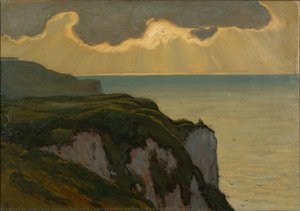
jean francis auburtin
1866 - 1930
プロフィール概要
- Artistic Movement Or Style: Post-Impressionism
- Artists Or Movements Influenced By This Artist:
- Impressionism
- Symbolism
- Artists Who Influenced This Artist:
- Puvis de Chavannes
- Claude Monet
- Date Of Birth: 1866
- Date Of Death: 1930
- Full Name: Jean-Francis Auburtin
- Nationality: French
- Notable Artworks:
- Varengeville Church
- Normandy Coast
- Place Of Birth: Paris, France